Garage Door Repair Built Around Tomball's 1971-2002 Housing Stock
Most Tomball-area homes went up between 1971 and 2002, median year 1988 - that stock, plus a moderate heat climate, shapes which door and opener failures show up here.
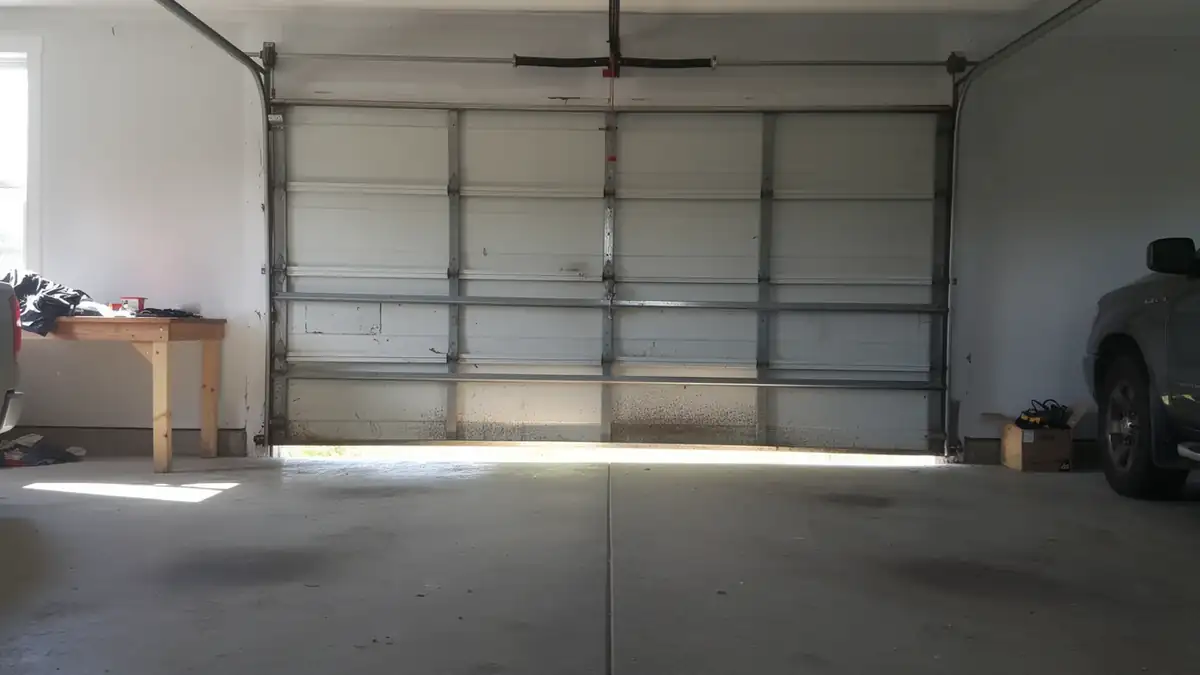
Walk through the ten named communities we cover - Stagecoach, Pinehurst - and you're mostly looking at houses built between 1971 and 2002, with the median landing around 1988. That's not a trivia fact. It means a huge share of the garage doors and openers in this area are either original equipment pushing past its working life, or a first-generation replacement installed sometime in the 2000s that's now due again. Across roughly 14,992 households and 6,482 owner-occupied houses in the service area, that 1988 median year keeps showing up in the same few failure patterns: chain-drive openers with worn gears, torsion springs that were never upgraded from builder-grade, and steel tracks bent from decades of minor contact. We're not guessing at this - it's what the call volume looks like when you work a territory this age-concentrated. A door built in 1988 and never touched since isn't broken because someone did something wrong. It's at the end of a normal service life, and the parts on it often don't match anything sold today.
What Local Conditions Do
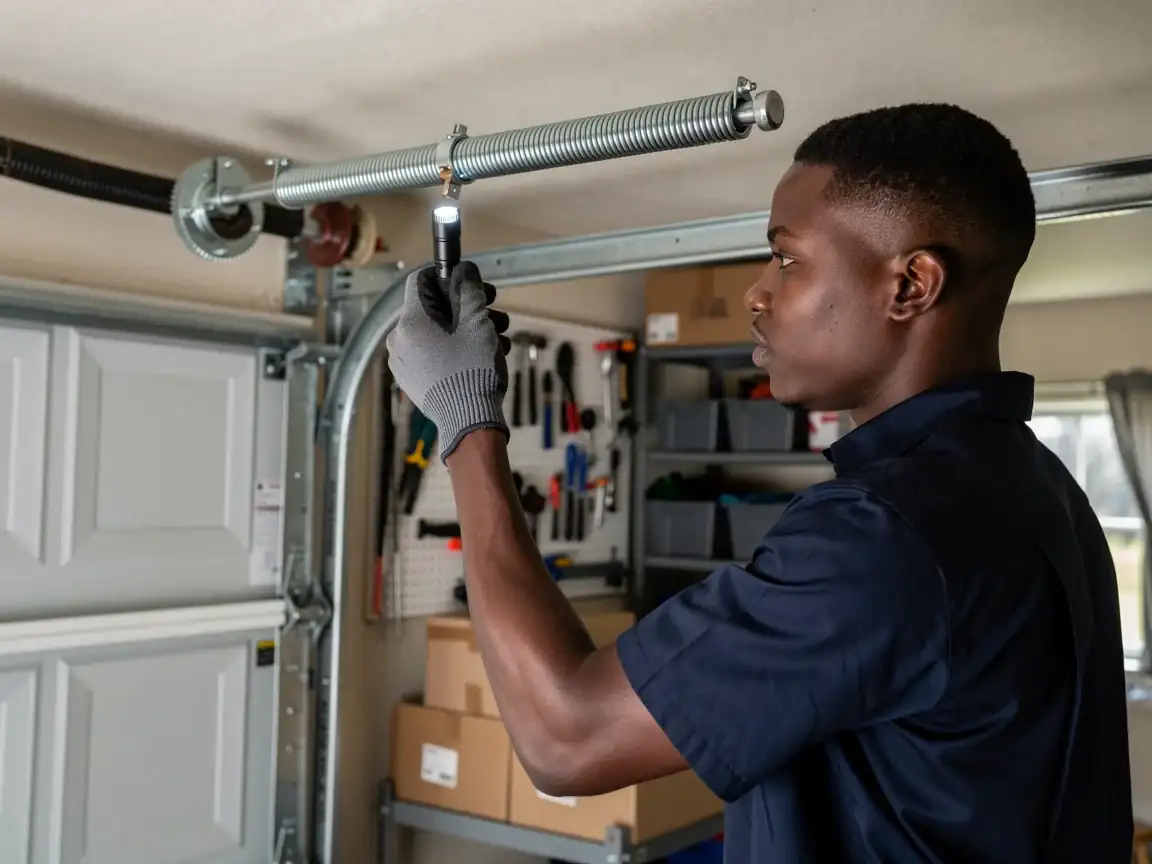
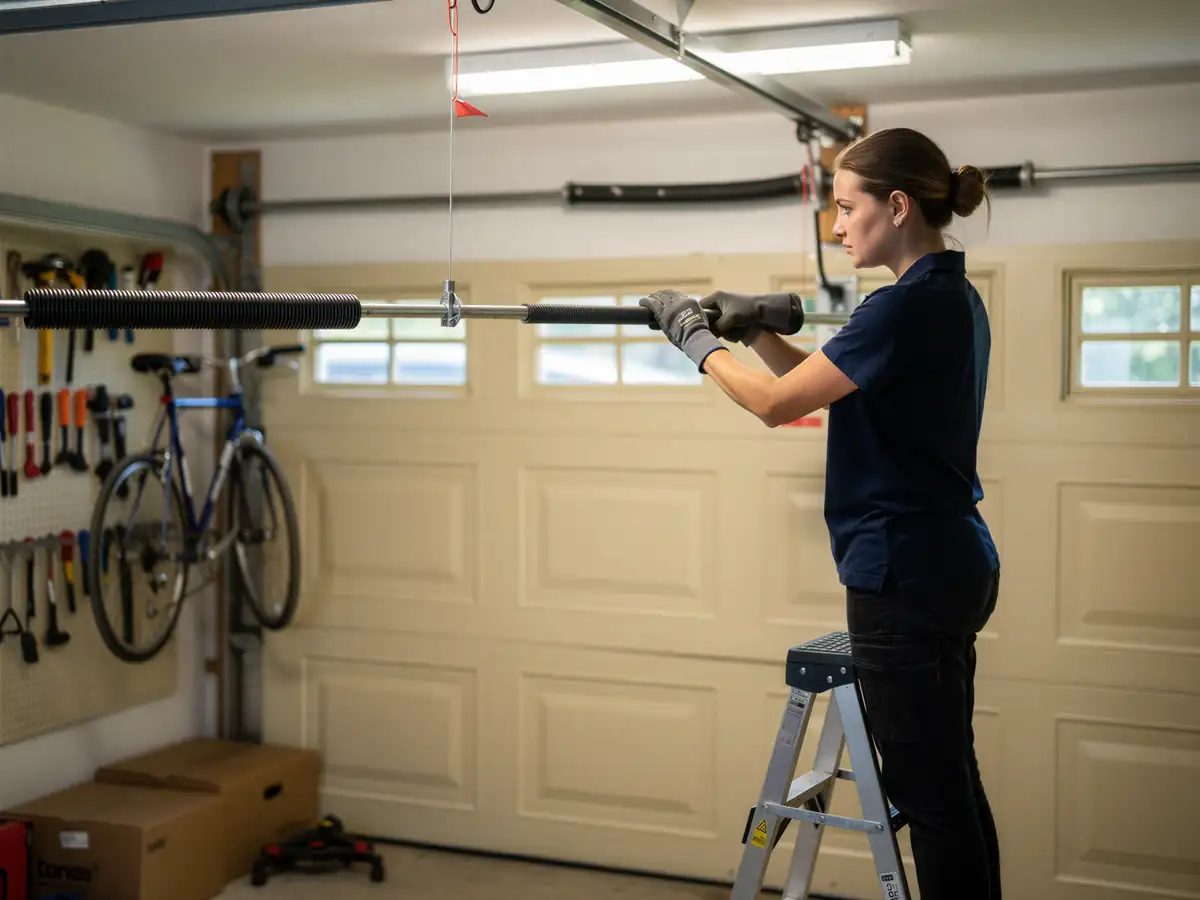
This area sits in a moderate heat climate band - not the extreme swings you'd get further north, but steady warm-season heat that still does real work on a garage door over 30-plus years. Heat cycling dries out the grease in a torsion spring's coils and in roller bearings, which is a slower failure than a sudden snap but just as real. On the 1980s and 90s builds that make up most of this area's stock, that slow dry-out has usually had three decades to run its course. You'll hear a door that's gotten louder every year rather than one that quit overnight - that's the heat-cycling pattern, not a dramatic failure. It also means lubrication schedules matter more here than in a cooler climate, and a door that's never been serviced since its original install is carrying thirty summers of wear with no intervention. We size spring weight and opener gear material with that heat load in mind, not just the door's dimensions.
Where People Go Wrong
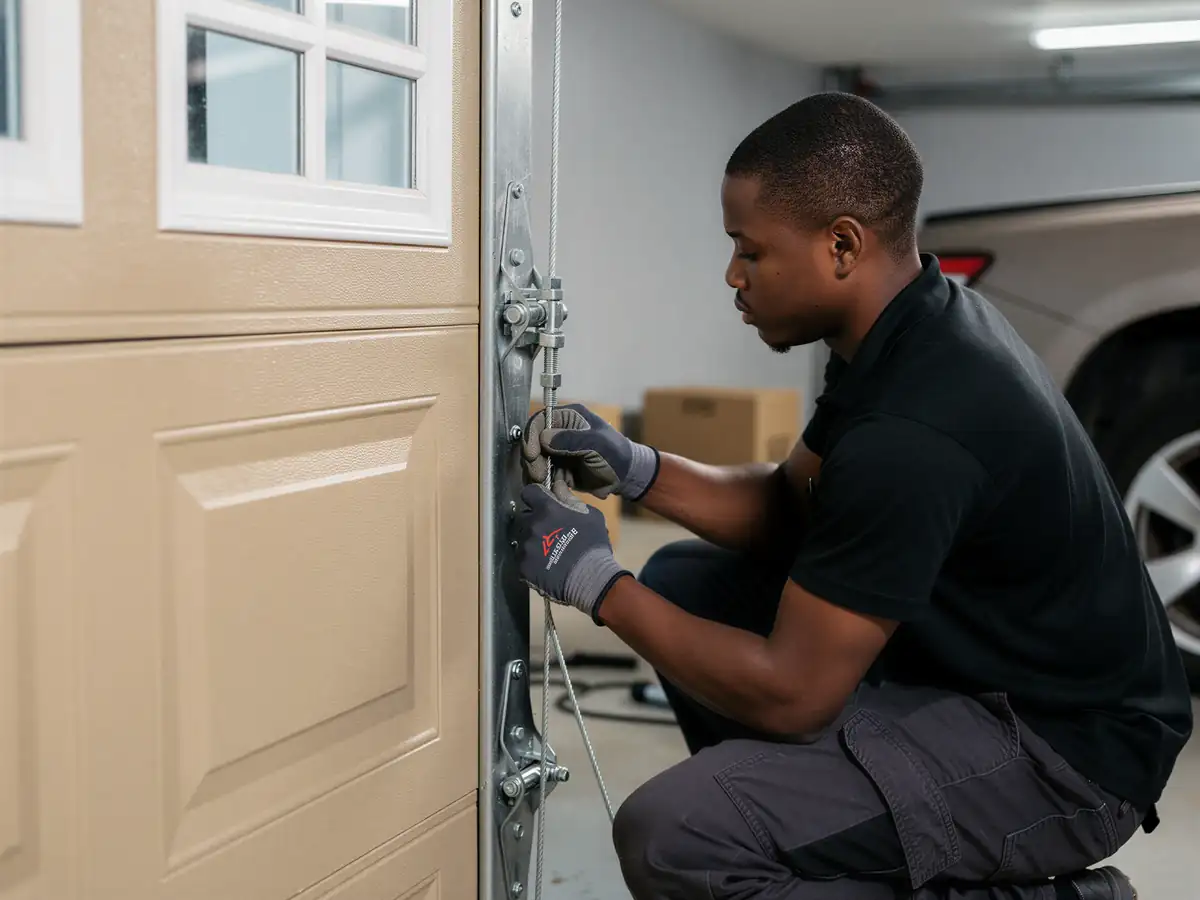
The most common mistake we see is replacing an opener and assuming that fixes the door. On a house from the 1971-2002 window, the opener and the spring system age on different clocks - the motor might die at year 20 while the spring, rollers, and track are still original and close to their own failure point. Swap the opener alone and you've spent money on the newest-looking symptom instead of the actual wear pattern. With median household income in this area at $78,938, most owners can afford to fix things properly, but that also means some get sold more opener than the door needs, or a full track replacement when the real issue is a bent section near the bottom roller. The honest version: we won't replace a torsion spring system that still has useful life left in it just because the opener failed, and we won't recommend a full door swap when the panels and track are sound and only the spring needs attention. Matching the fix to what's actually worn - not what's newest or most profitable - is the only way this works long-term in a housing stock this uniform in age.
Season by Season
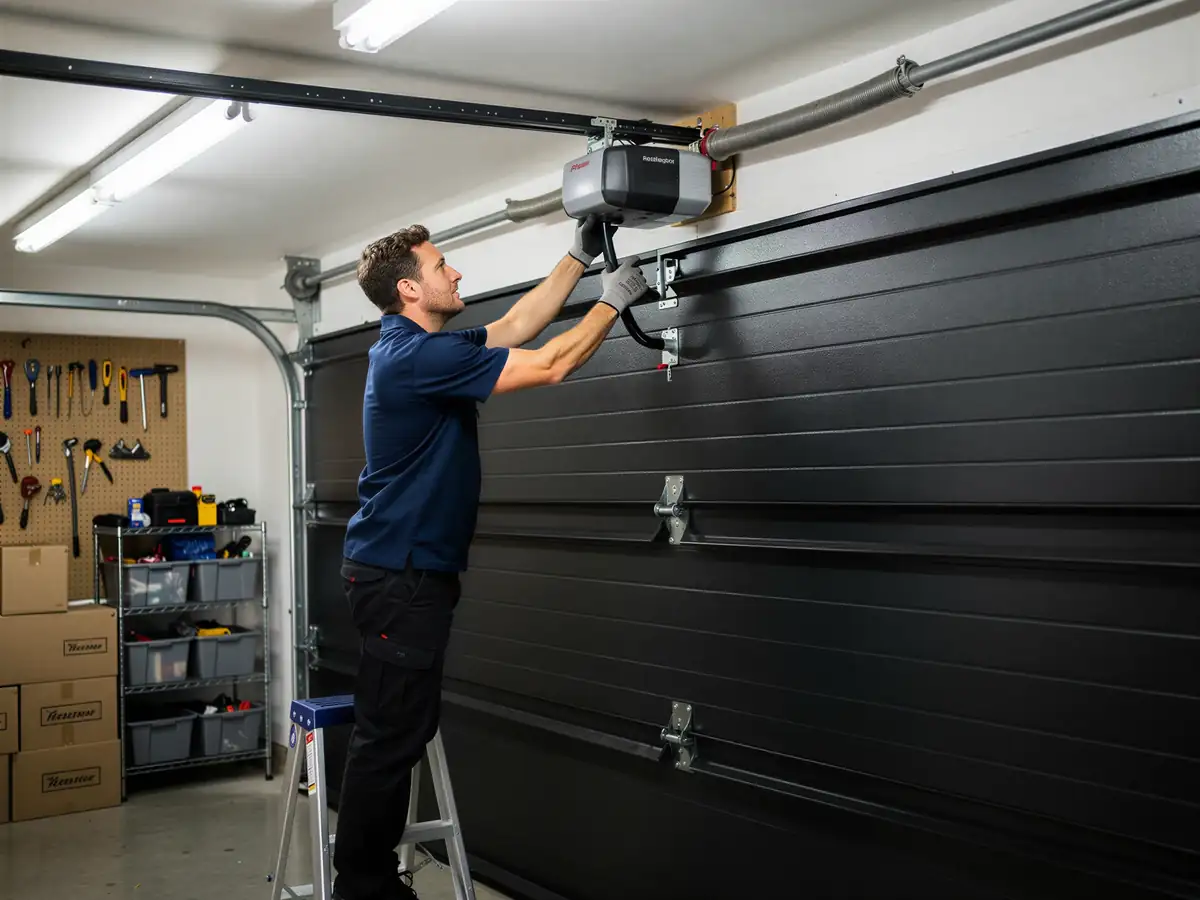
In a moderate heat climate, the yearly pattern on a 1980s-90s door is less about one dramatic season and more about cumulative load. Summer heat is the steady stressor - it's when grease thins out, rubber weatherseals get brittle, and openers working against warm, expanded door panels draw more current than they should. That's when original torsion springs from a 1988-era build are most likely to finally give out, since heat accelerates the metal fatigue that's been building for decades. Cooler months bring less daily heat stress, which is a good window for a service check rather than a reactive repair call - tightening hardware, re-greasing track and rollers, checking balance on a door that's had a full summer to loosen up. We don't see the hard freeze-related failures that colder regions deal with, so winter here isn't an emergency season for garage doors the way summer heat cycling is. If your opener's circuit board is original to a 1988 build, we won't try to source a replacement board for it - that electronics generation isn't manufactured anymore, and a full opener swap is the only real fix at that point.
Heat cycling dries out the grease in spring coils and roller bearings faster than cooler weather would. On a door from this area's typical 1971-2002 build window, that's often thirty-plus summers of gradual wear catching up at once, which is why problems tend to surface when temperatures climb rather than during cooler months.
My opener is original to the house - can it be repaired?
If the house dates to the 1988 median for this area, the opener's circuit board is likely from an electronics generation that isn't manufactured anymore. We can often fix the mechanical parts - gears, chain, sensors - but if the board itself is dead, full opener replacement is the realistic option, not a board swap.
Do I need a new door or just a new spring?
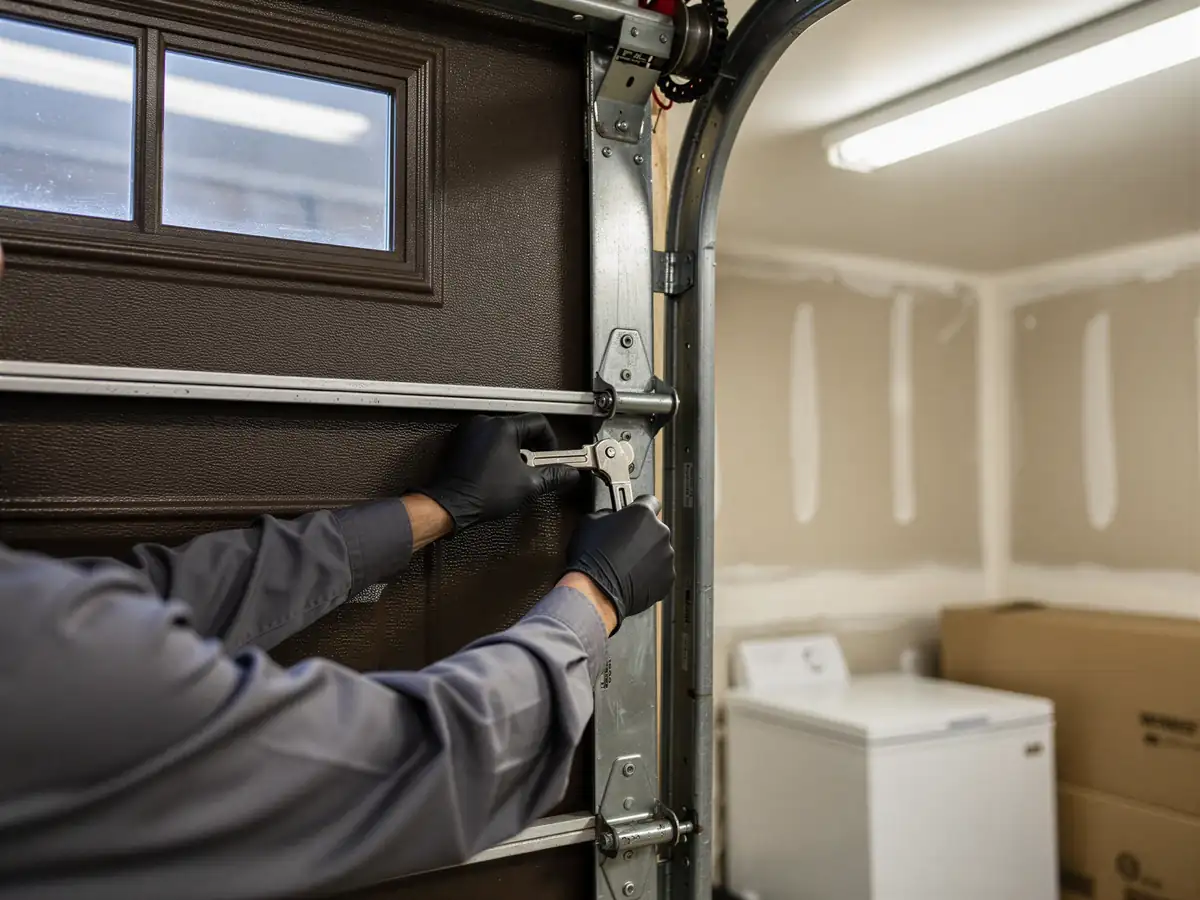
Most of the time on houses from this area's 1971-2002 stock, it's the spring and hardware that have worn out, not the door panels or track. We check balance and wear before recommending anything, and we won't sell a full door replacement when a spring and roller service will do the job.
Does Tomball's climate mean I need special equipment?
The area sits in a moderate heat band, so you don't need the cold-weather hardware some regions require. What matters more here is lubrication and spring tension suited to steady warm-season heat cycling, especially on original equipment from the 1980s and 90s that's never been serviced.
Ready to get your garage door sorted?
Tell us what it’s doing and where you are in Tomball - we’ll take it from there.