What Is Going On
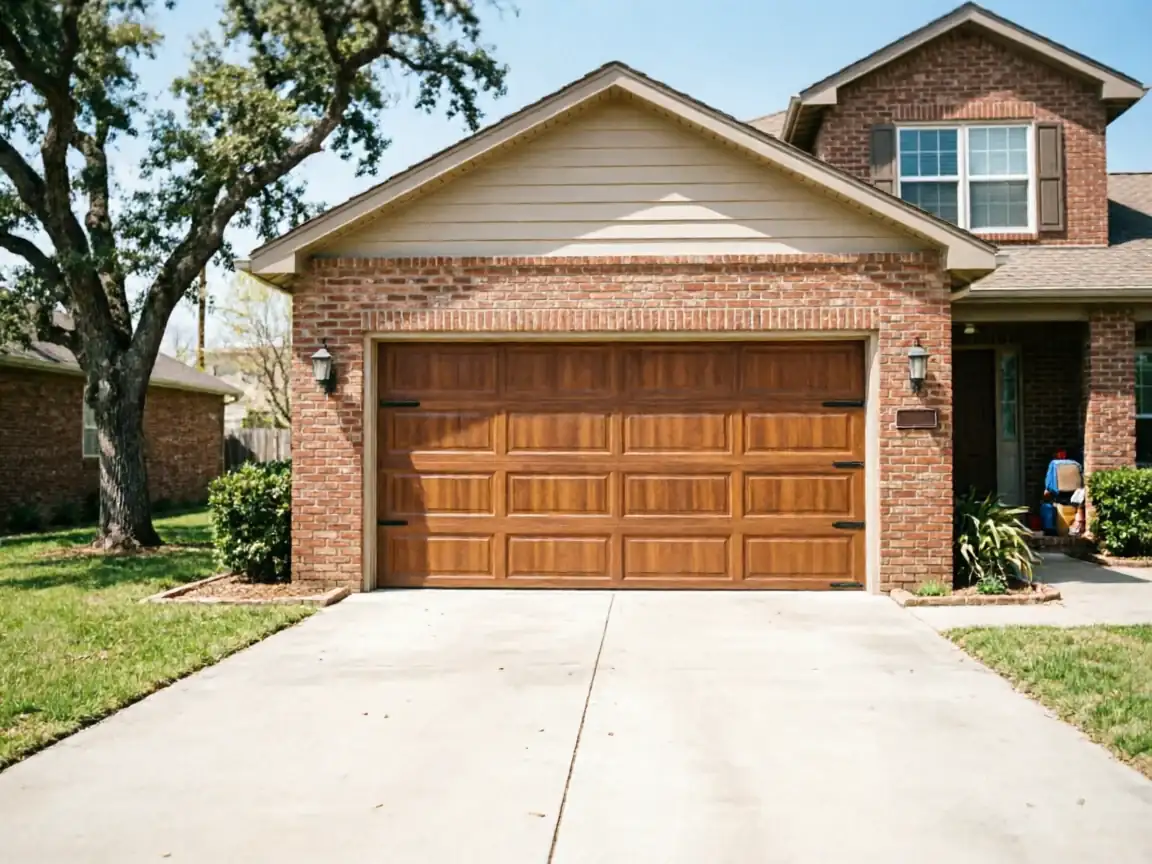
Most of the houses around Tomball went up between 1971 and 2002
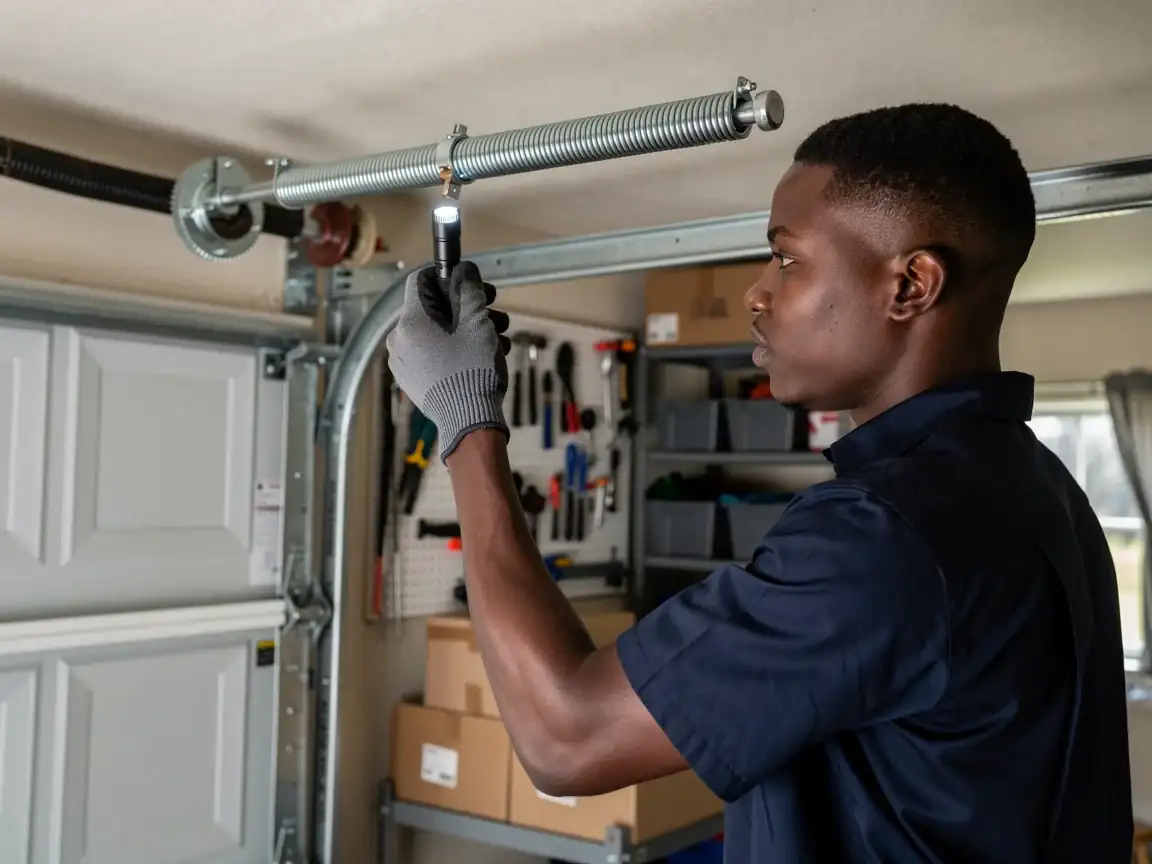
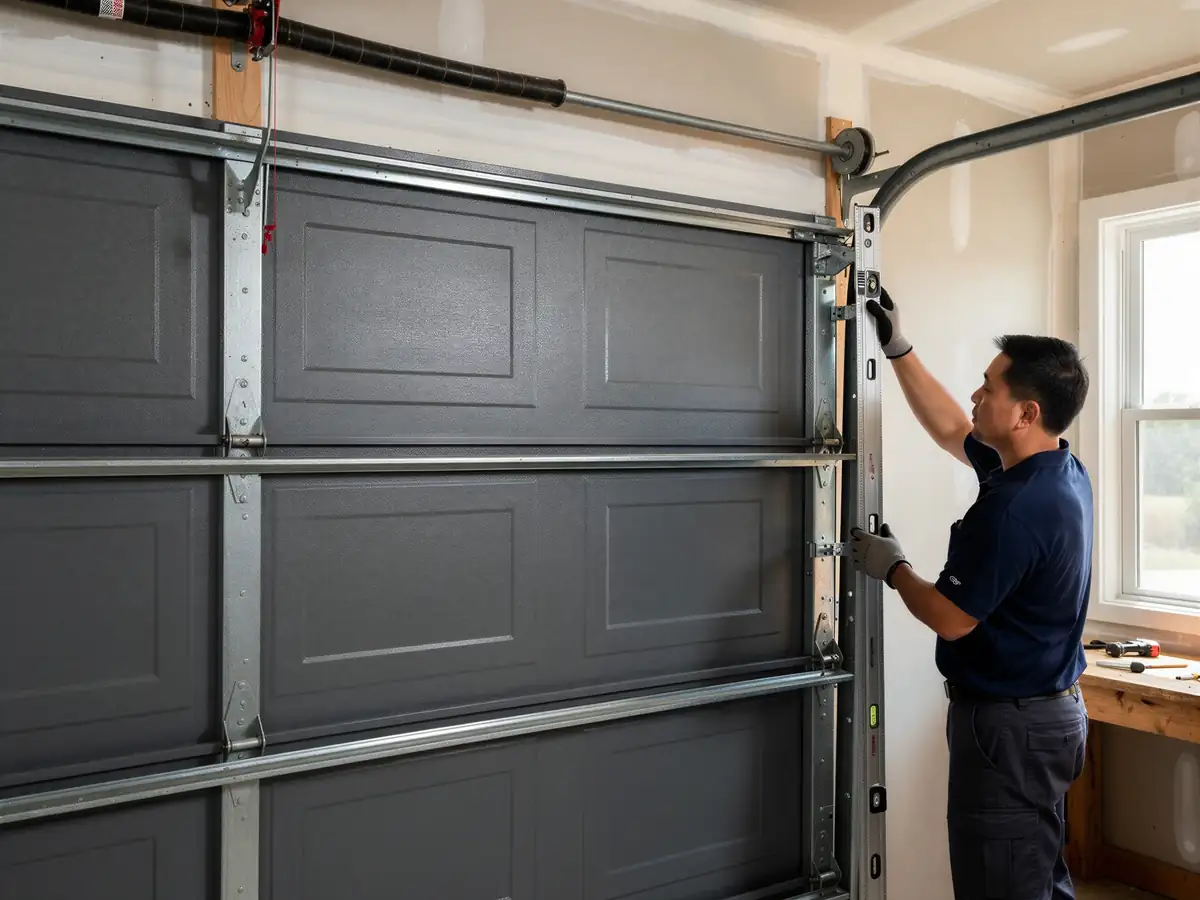
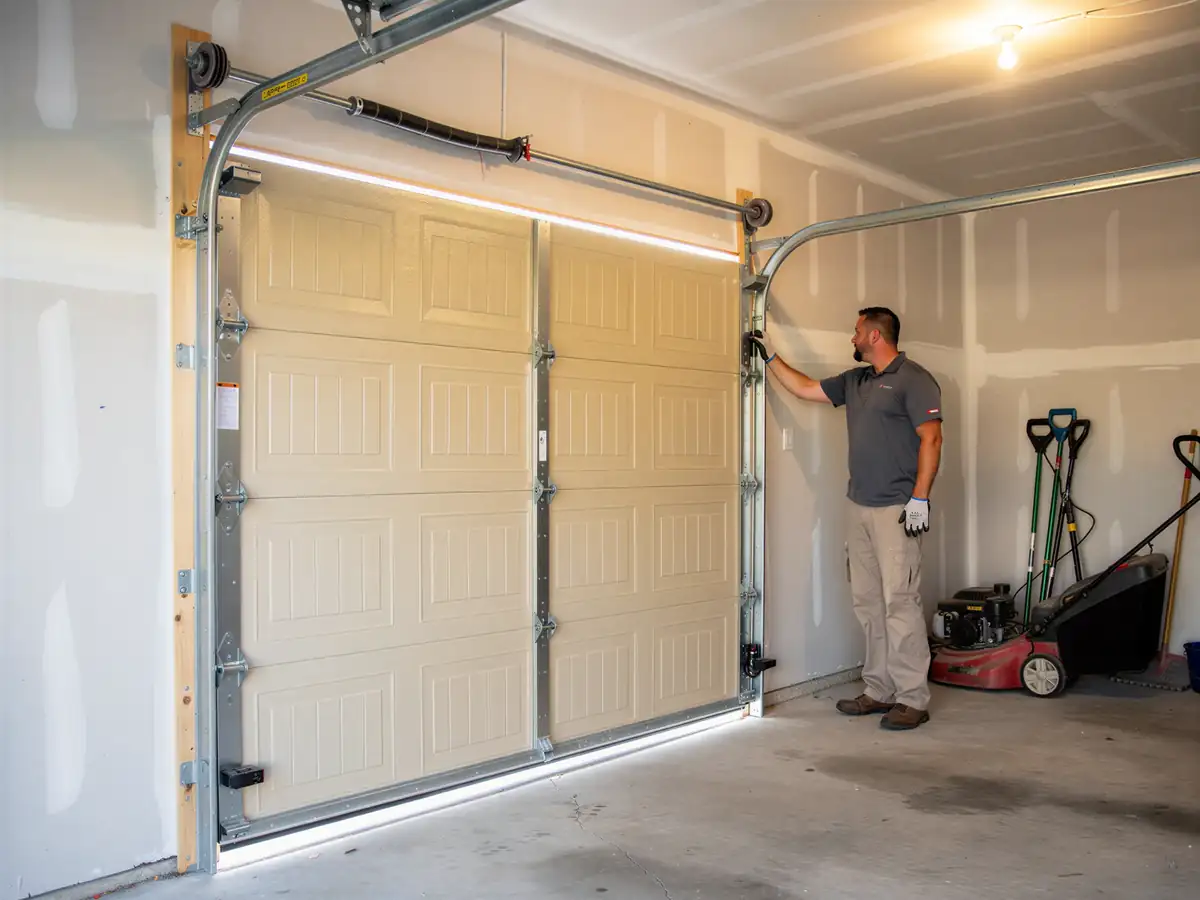
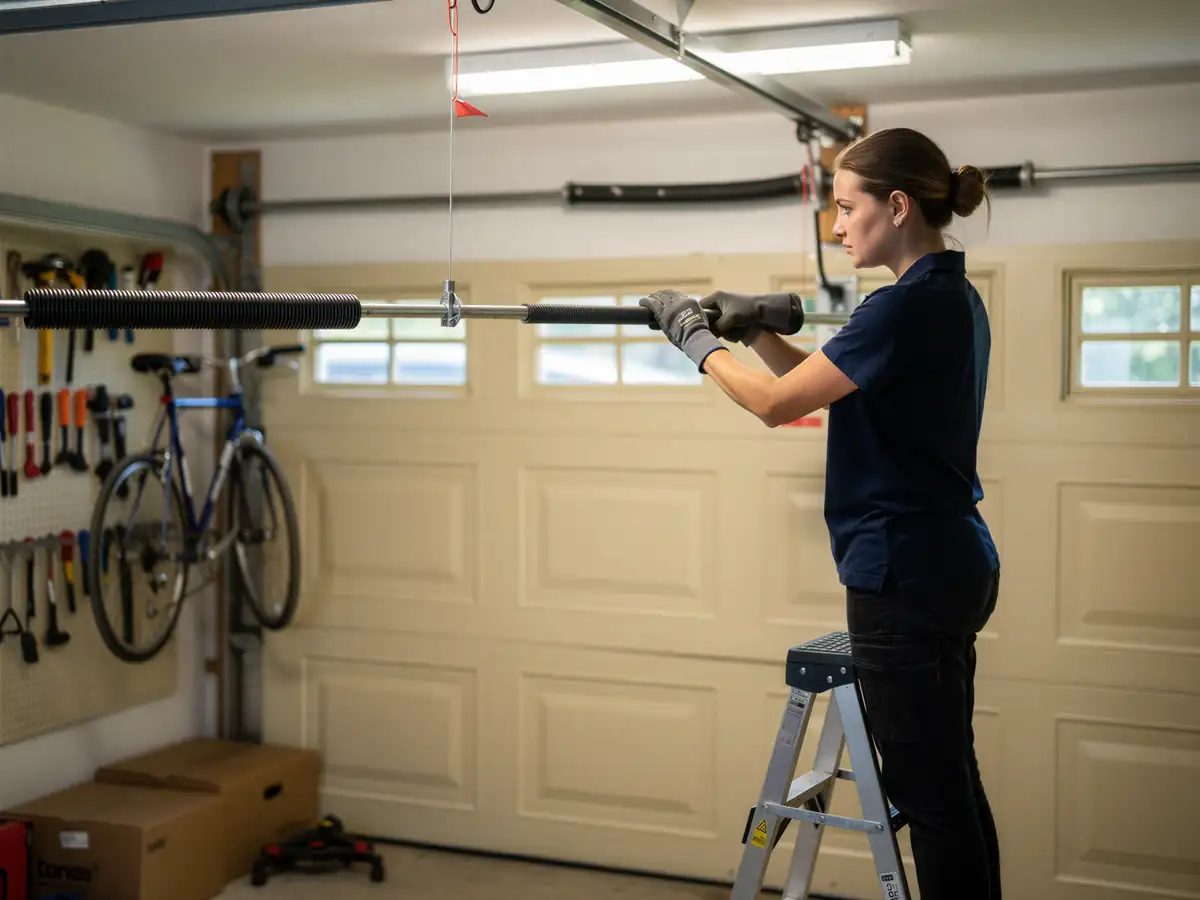
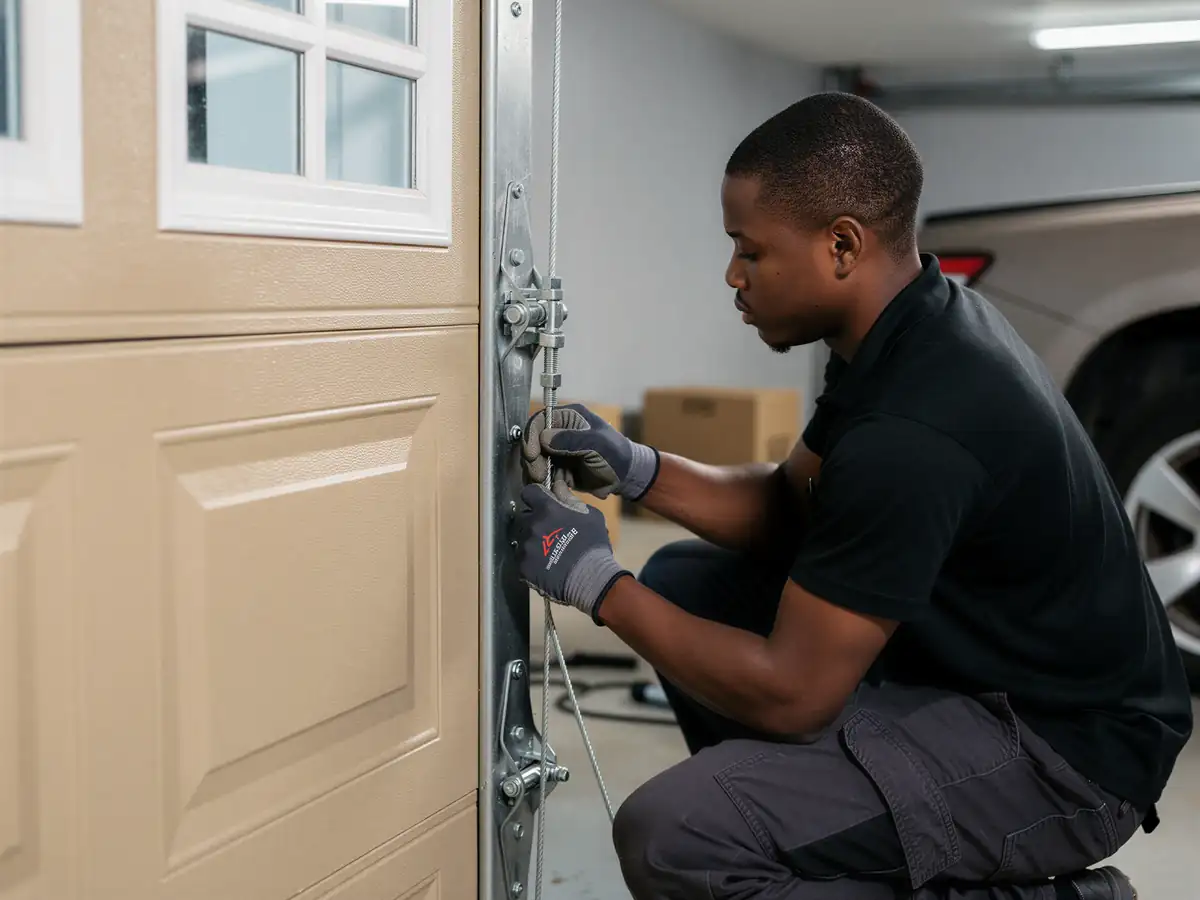
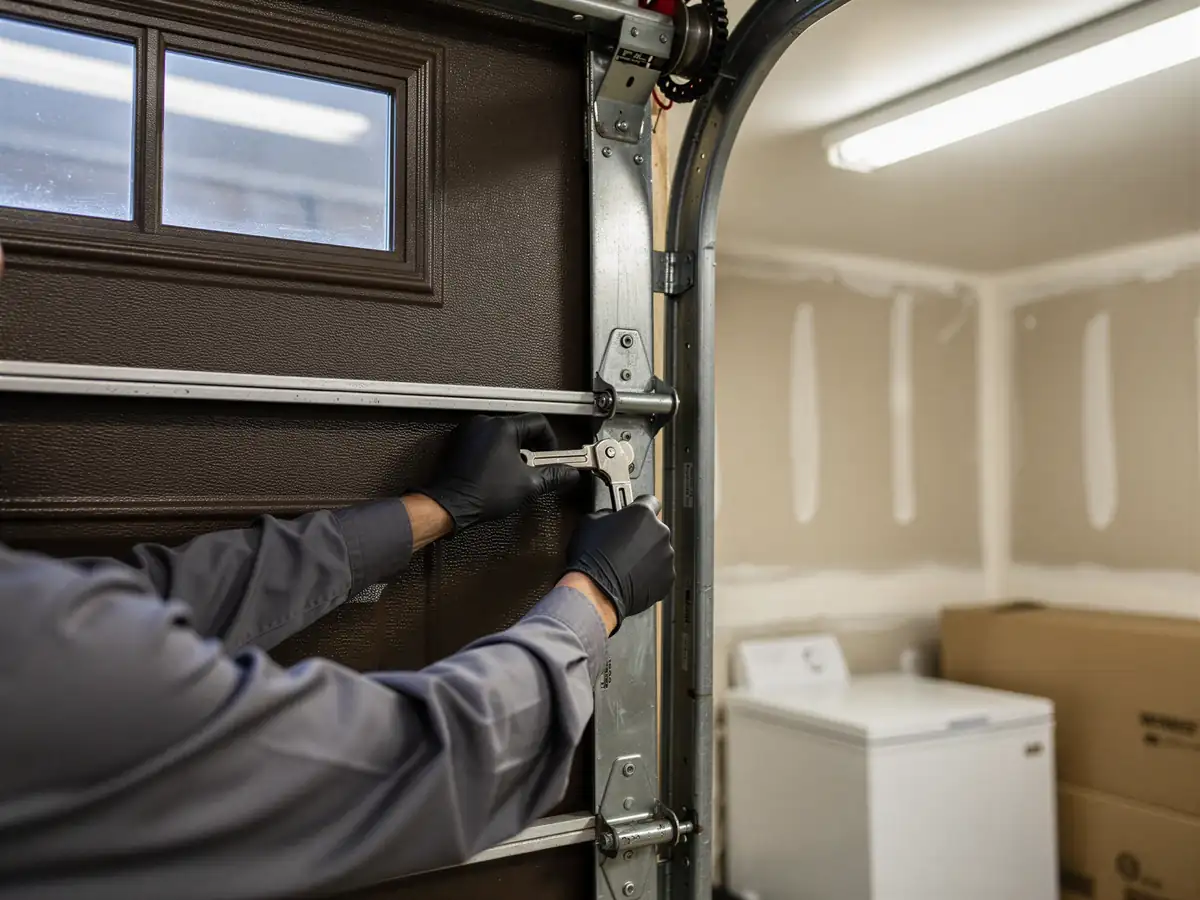
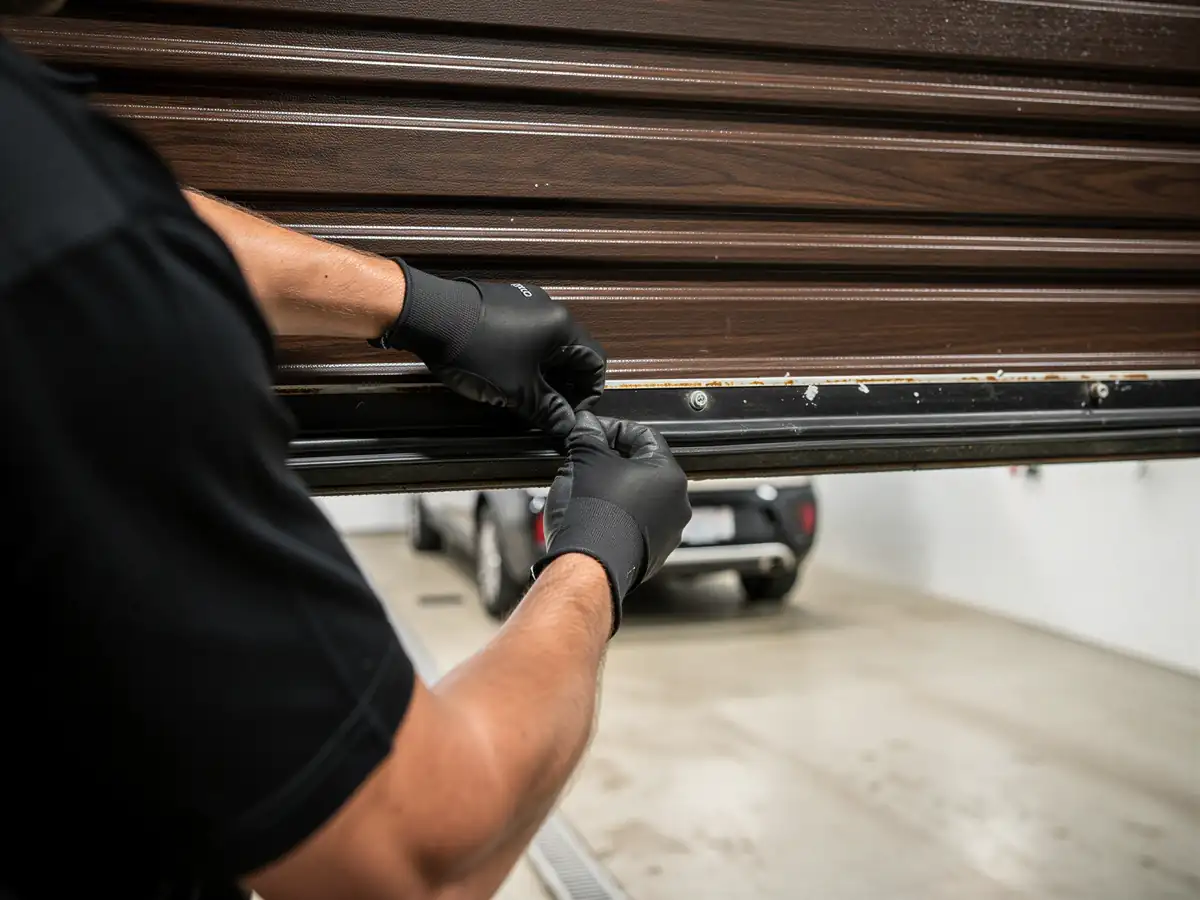
With the bulk of that stock built in the 1980s and 90s. That matters more than people think, because a door doesn't go bad all at once - it tells you first. A grinding sound when the opener kicks on usually means a worn roller or a gear set inside the opener housing that's finally giving out after three decades of Texas heat. A sharp bang followed by the door refusing to move is almost always a spring, and on a house from this era, that's an original torsion spring that's been cycling twice a day since before most of these subdivisions had their current names. A rhythmic thump as the door travels is often a flat spot on a roller, not a track problem, and people chase the wrong fix for months because of it.
The age of the hardware is the real story here
A door installed when a house was built in 1985 has had roughly forty years of cycles. Springs are rated in cycles, not years, and a lot of original torsion springs in this area are well past their rated life even if they haven't snapped yet. The noise is the warning before the snap, not a cosmetic issue to ignore.
What Local Conditions Do
Tomball sits in a moderate heat climate band, and that cuts both ways on a garage door. Summer heat swells wood panels on older doors and softens the nylon rollers that were common on builder-grade installs through the 80s and 90s - that's the squeal you hear on the first hot afternoon after a mild spell. It also dries out lubricant on the torsion spring and the track faster than a cooler climate would, so the grinding or squeaking that shows up every few months isn't bad luck, it's the oil cooking off on schedule.
Houses in the Stagecoach, Pinehurst area, along with the side of town, tend to share the same generation of hardware since they were built in the same two-decade window. That means the same noise complaint - a labored, straining sound on lift - shows up street after street once the original springs hit the end of their cycle life. It's not a design flaw in one house. It's the whole batch of hardware aging out together.
Where People Go Wrong
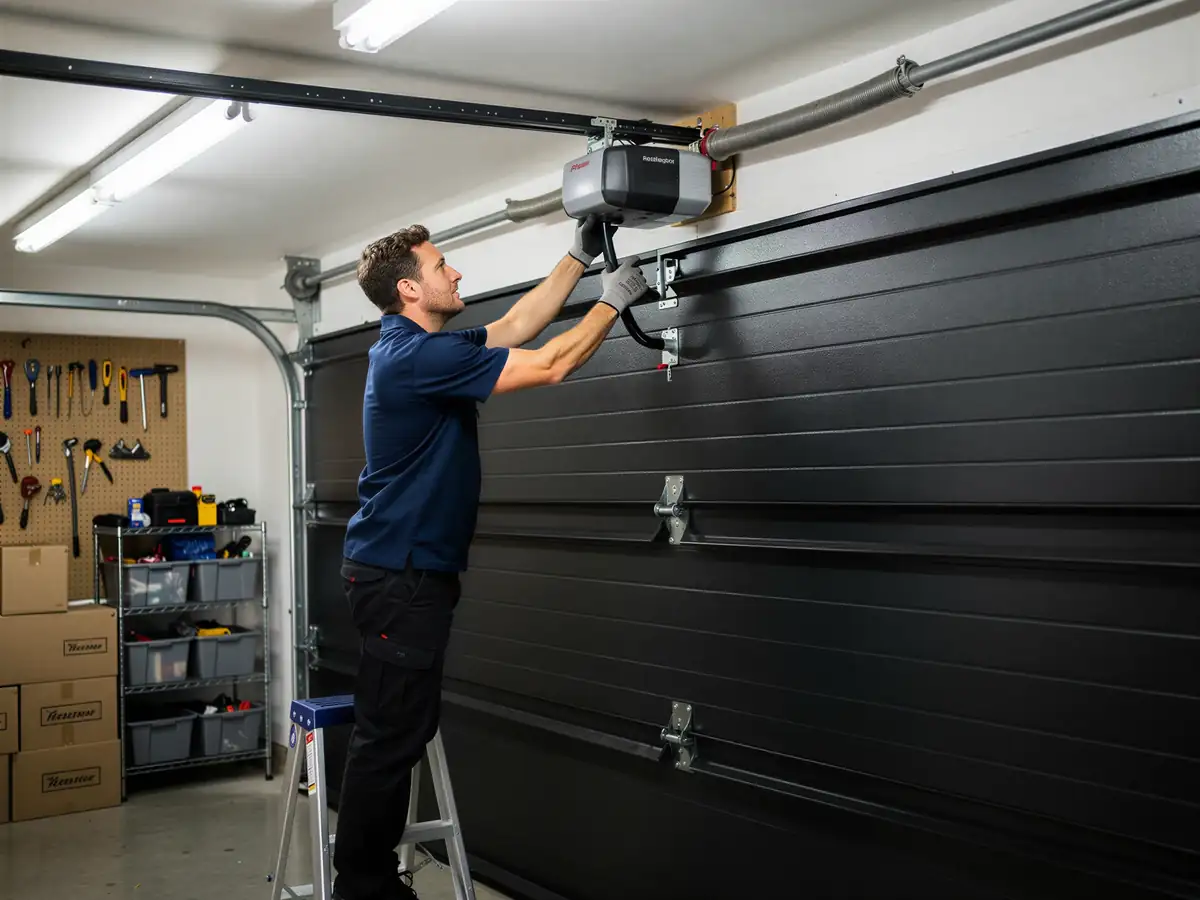
The most common mistake is spraying WD-40 on a noisy spring or track and calling it fixed. WD-40 is a solvent, not a lubricant - it strips what grease is left and the noise comes back louder in a week. The second mistake is replacing the opener when the noise is actually coming from the spring or the rollers; a new opener on a 35-year-old spring just means a quieter motor straining against the same tired hardware.
The honest limitation: if your door is original to a house built in the 1980s or 90s, a spring that's grinding or popping is not worth babying along. Once a torsion spring is near end of cycle life, patch repairs buy you weeks, not years, and a spring failure under tension is a real injury risk. At that point replacement of the spring set is the right call, not another round of lubricant.
Season by Season
Late spring into summer is when most of these noise complaints peak around Tomball
As the heat band pushes daytime temperatures up and whatever lubricant survived the mild months finally gives out. That's when you hear the most squealing rollers and the most springs finally let go, because the metal has been expanding and contracting on that cycle for weeks.
Fall and winter are quieter stretches climate-wise here
But they're also when a door that's been straining all summer tends to finally fail outright, since the cooler temperatures make hardened grease and worn metal less forgiving on that first cold morning. If your door has been getting louder through the warm months, don't wait for the quiet season to assume it fixed itself - it didn't, it just stopped telling you.