How That Shows Up in the Door
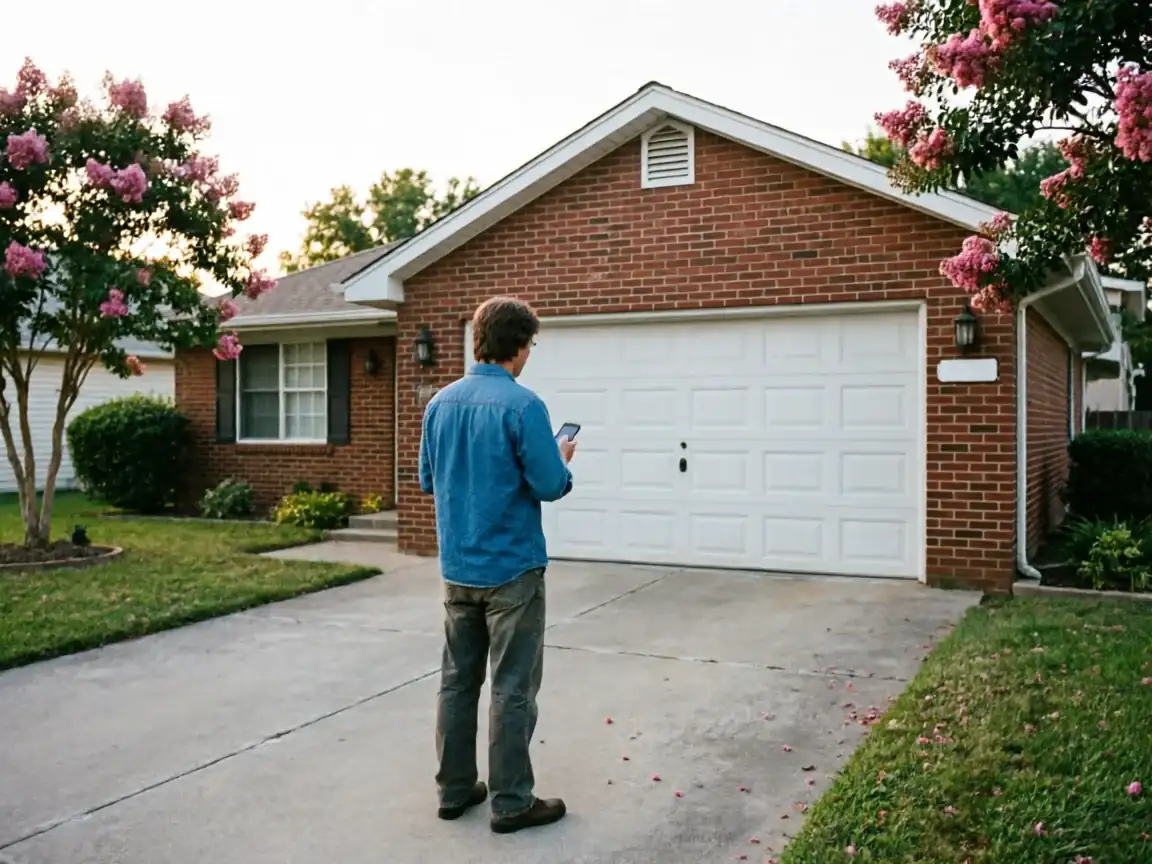
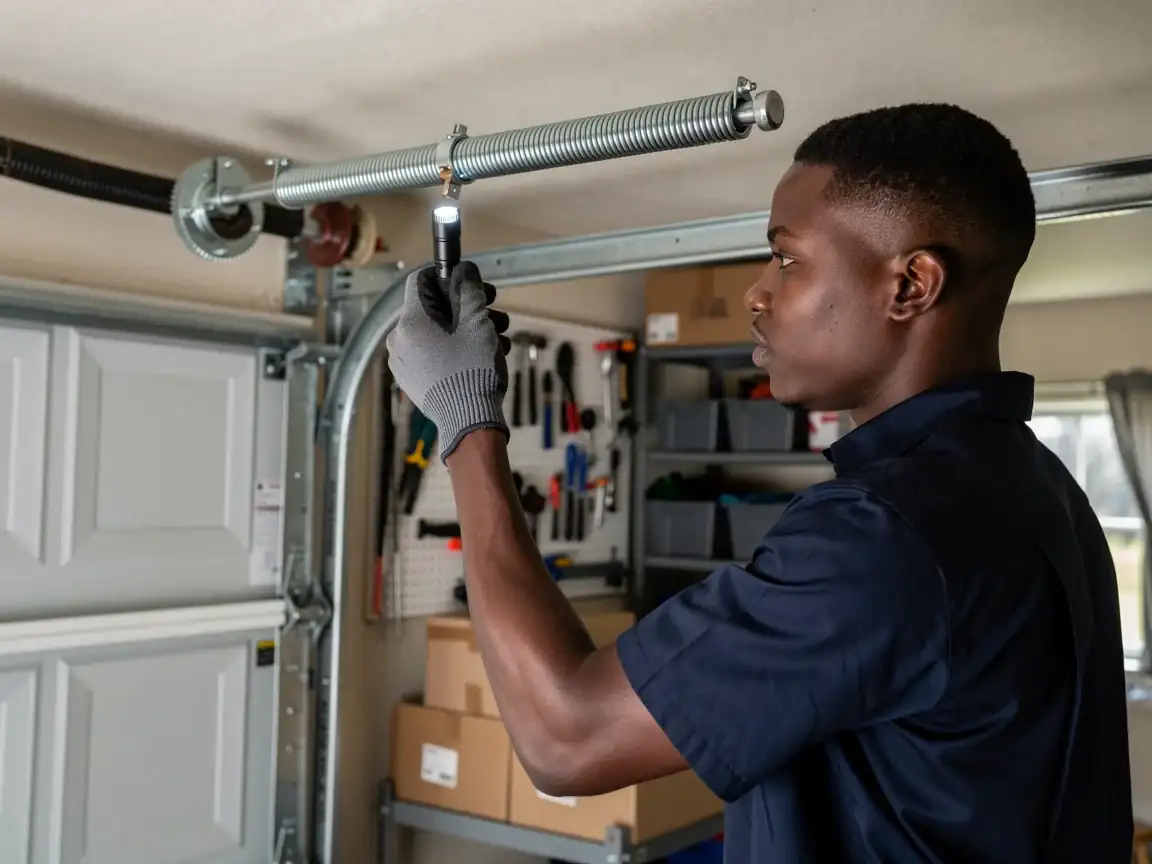
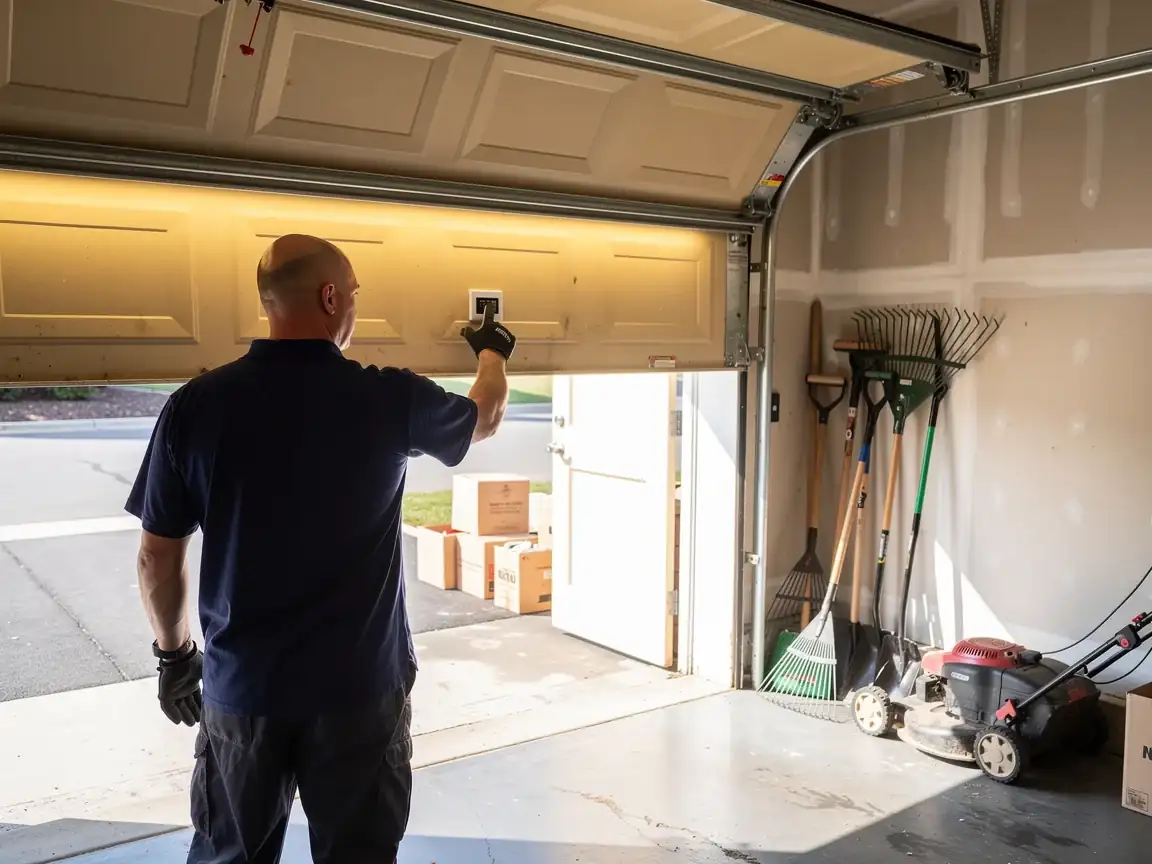
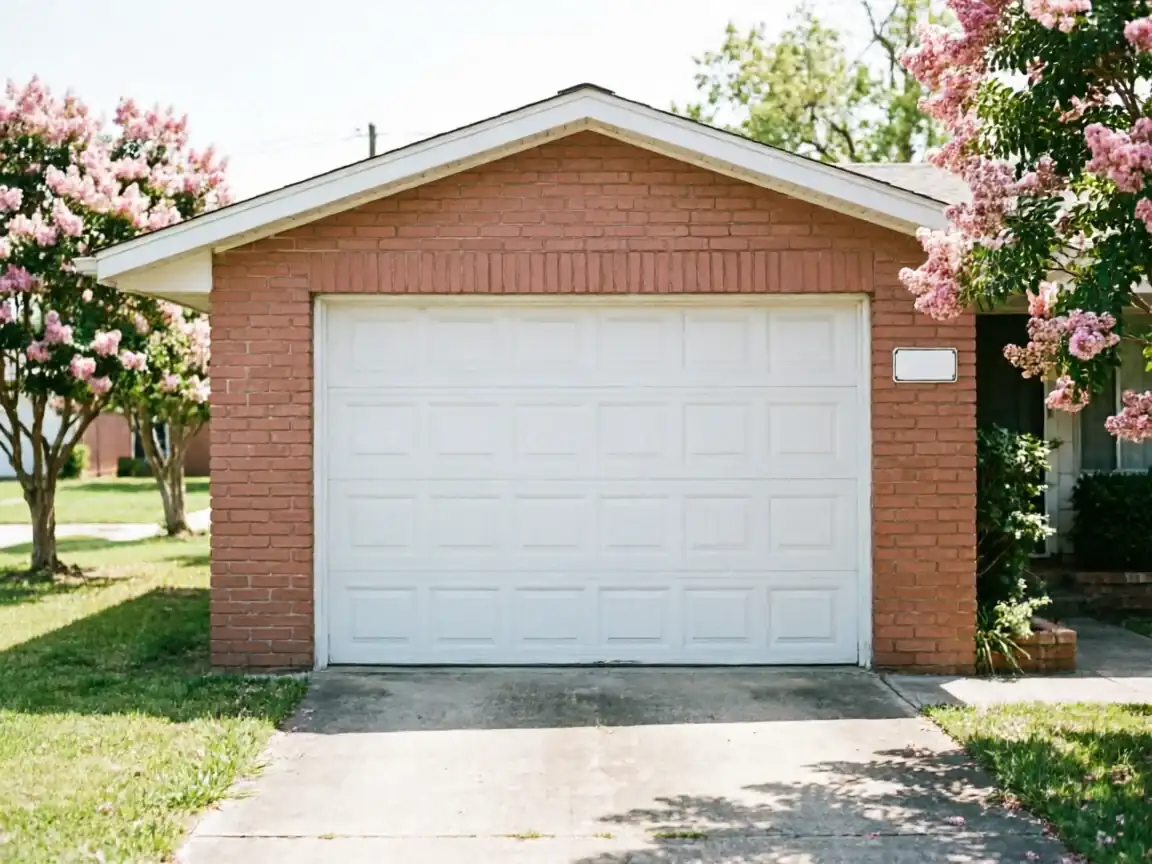
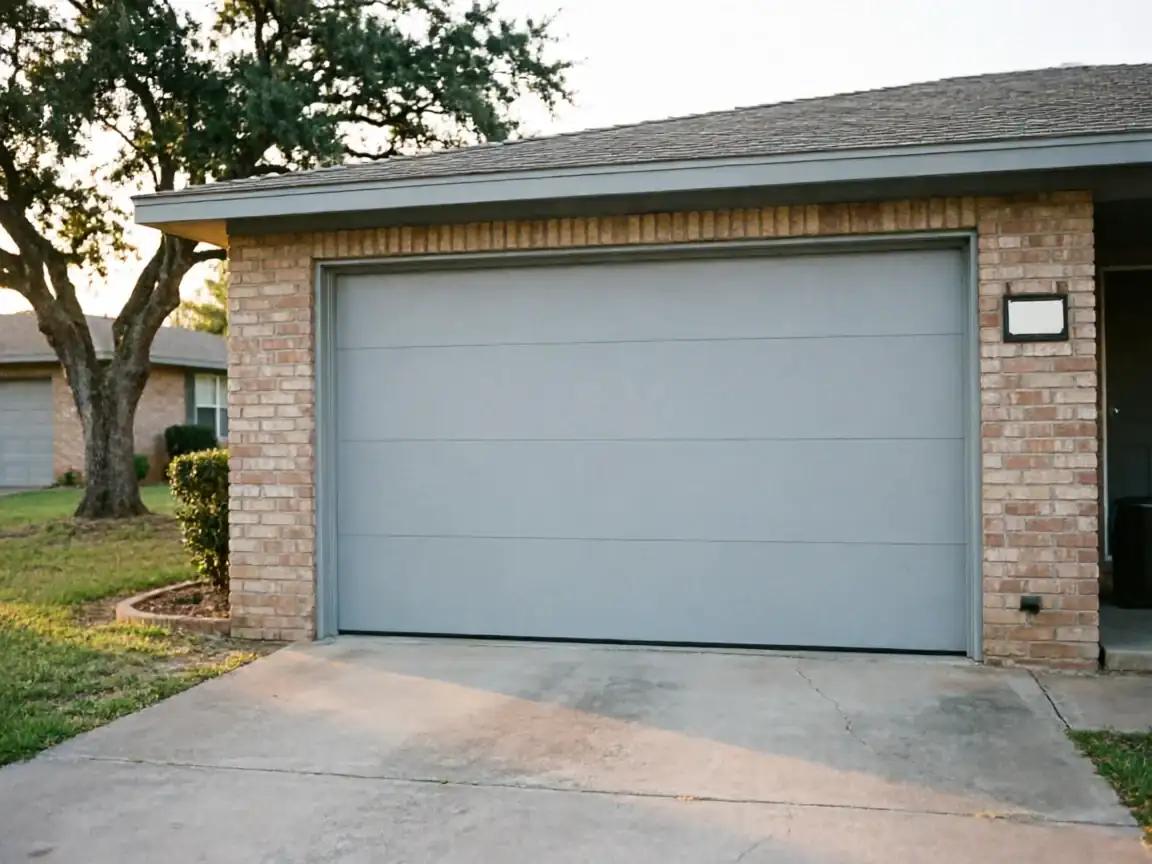
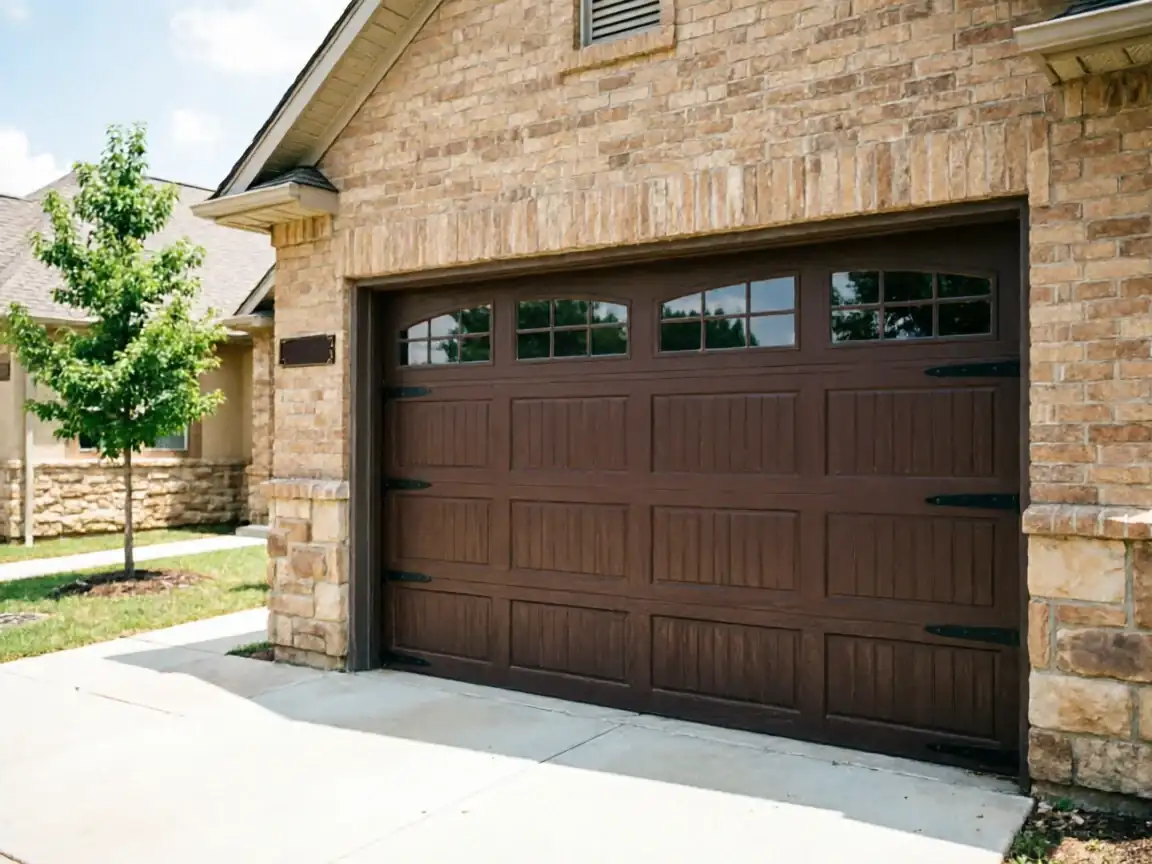
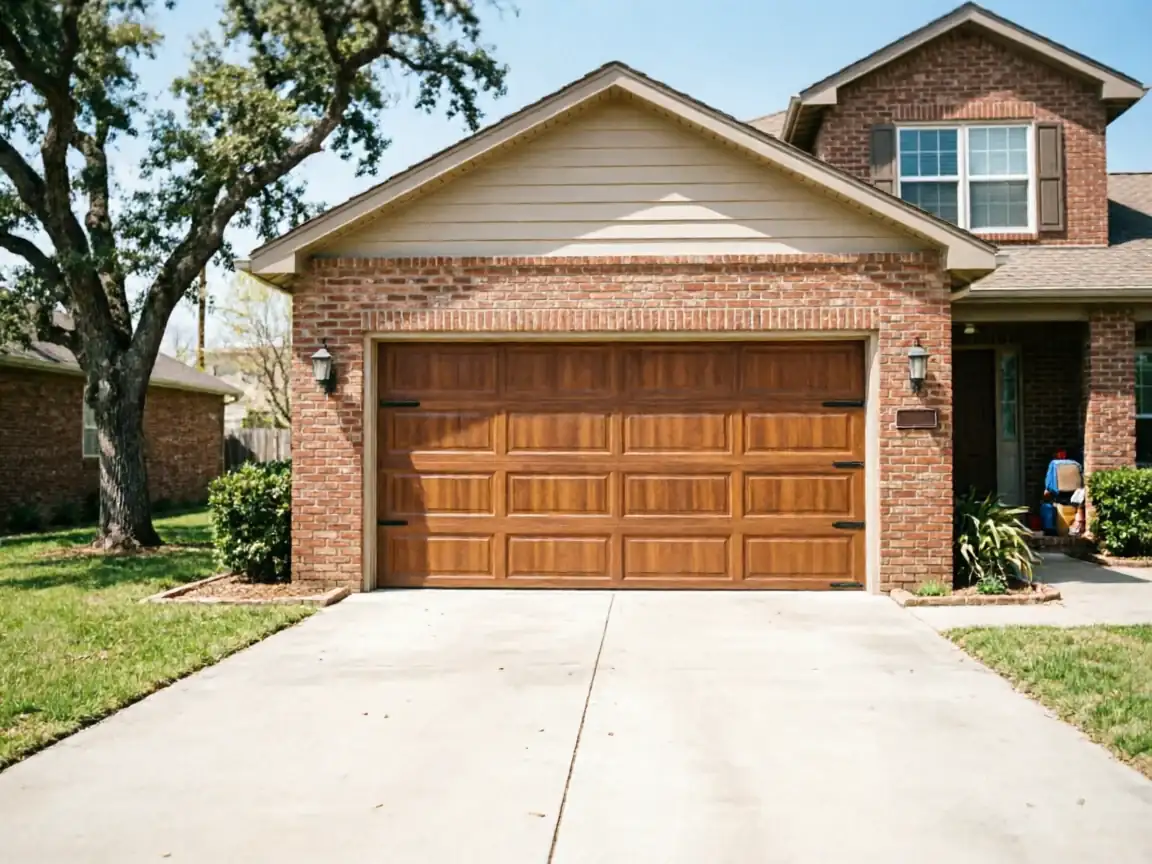
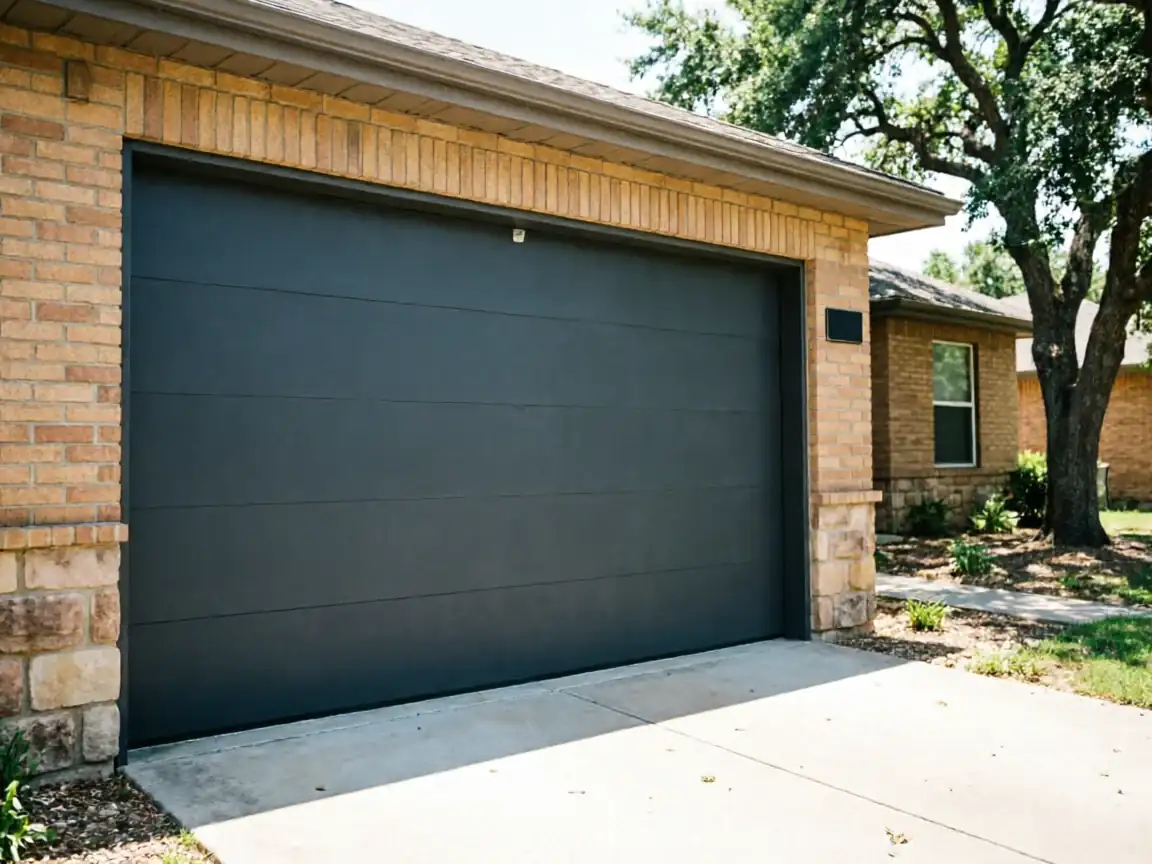
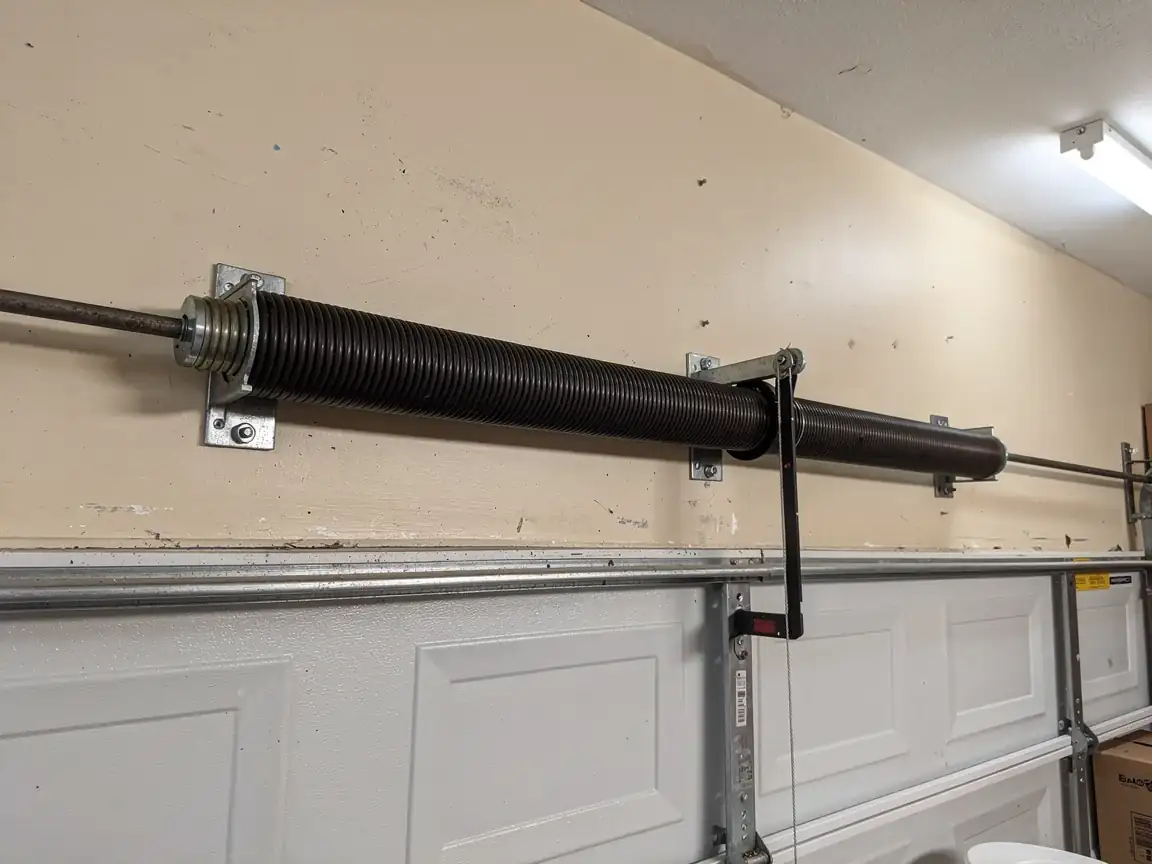
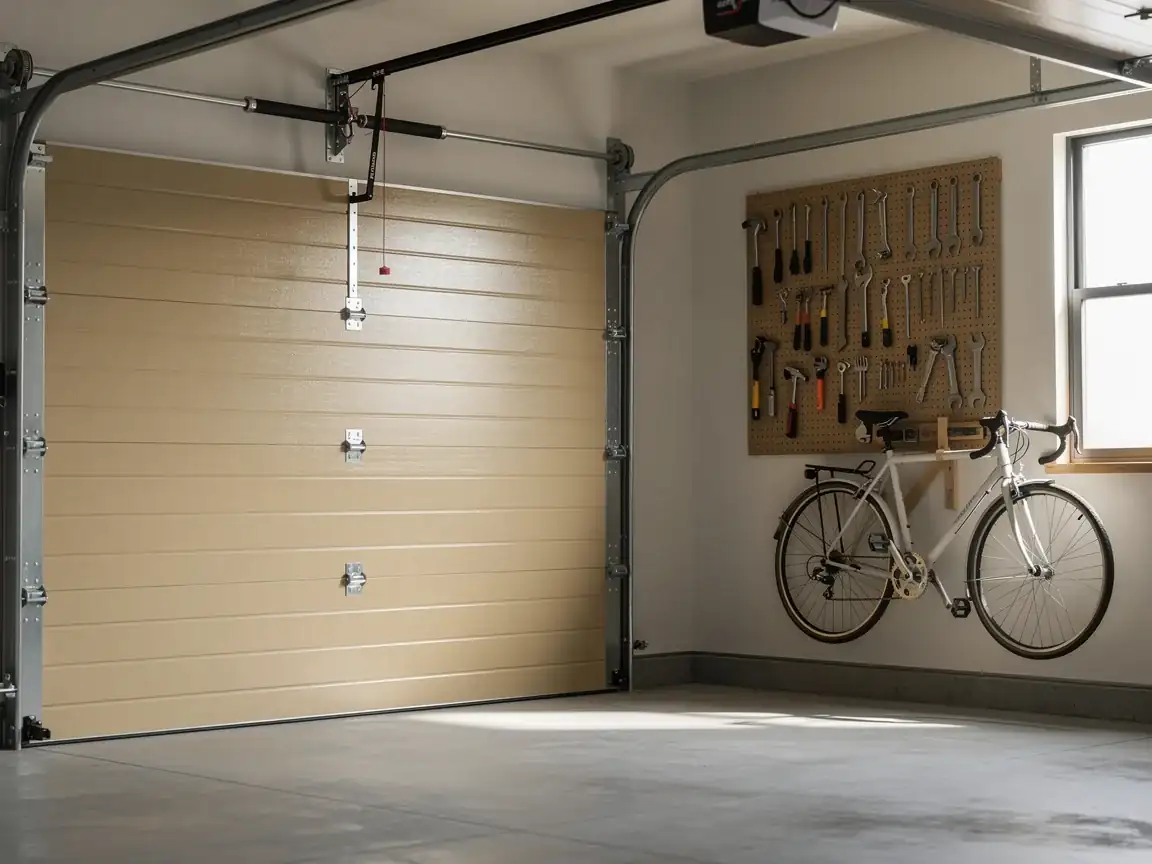
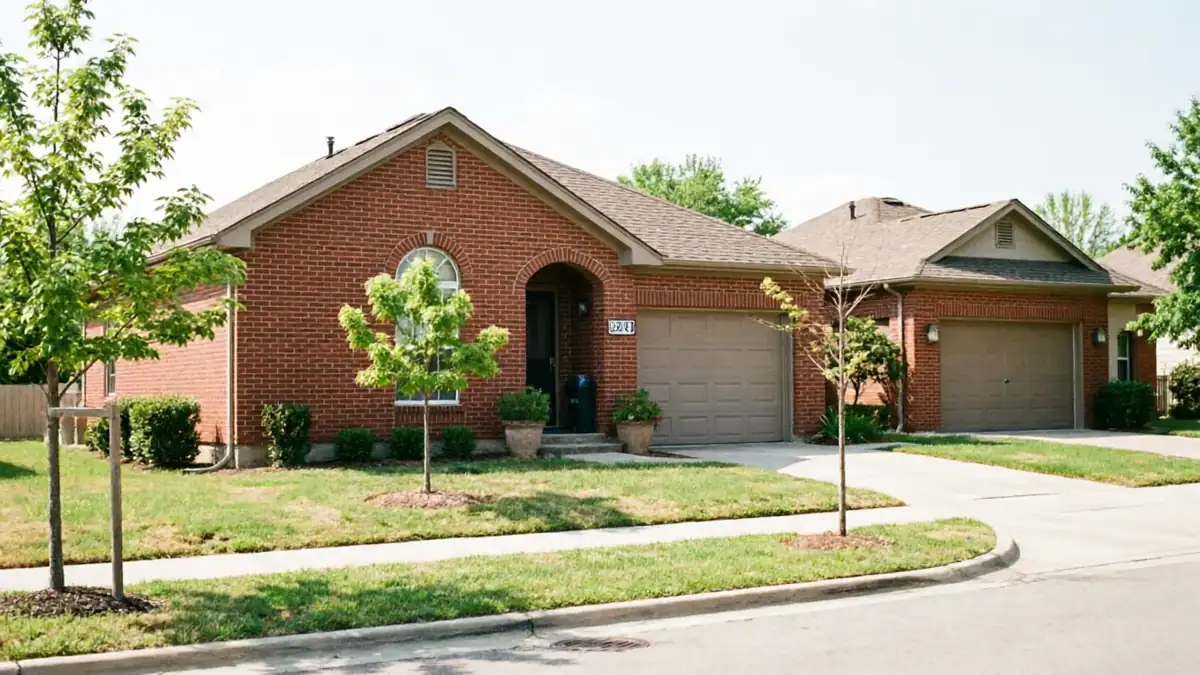
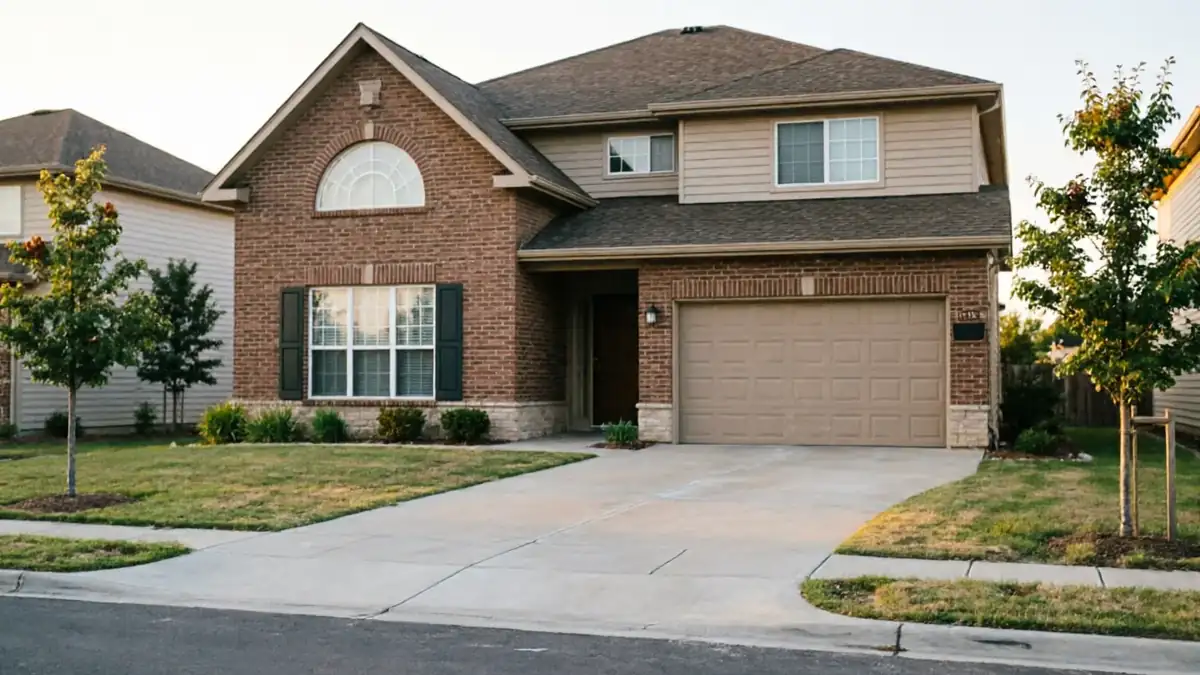
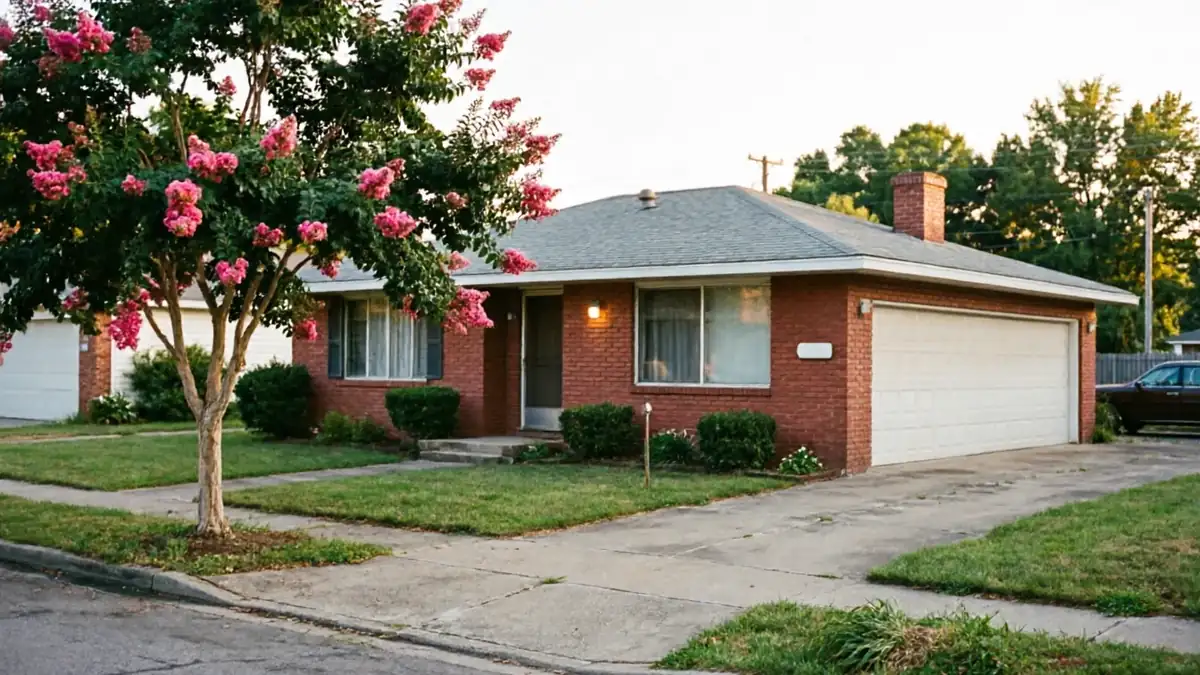
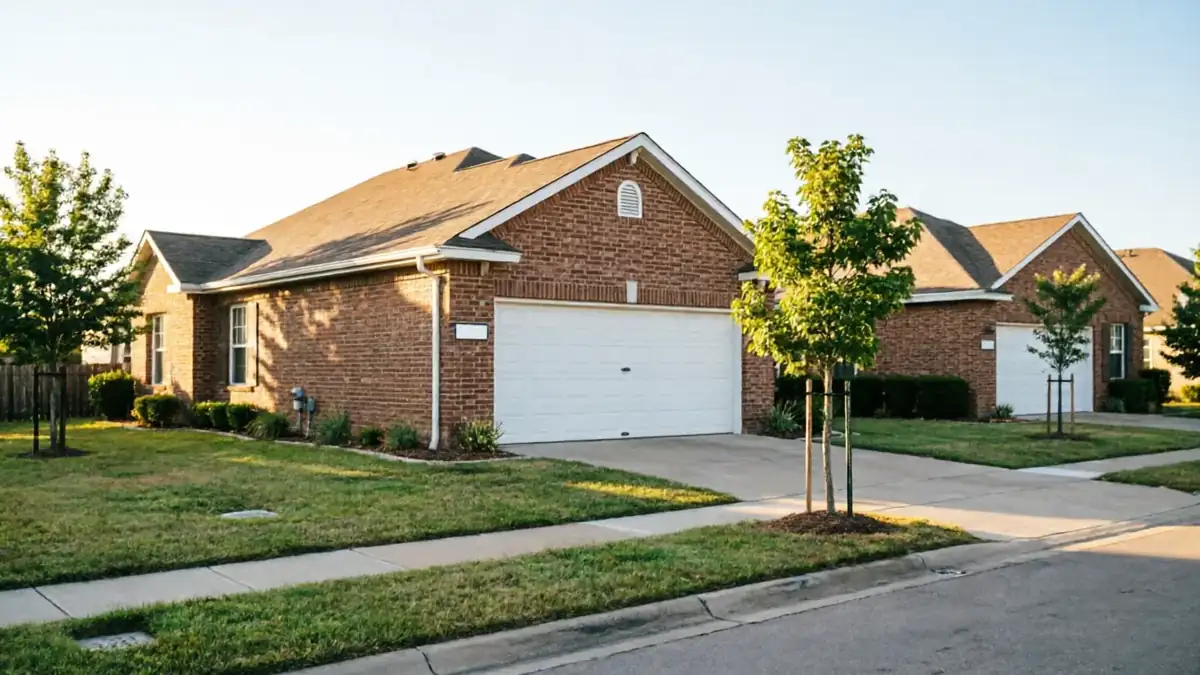
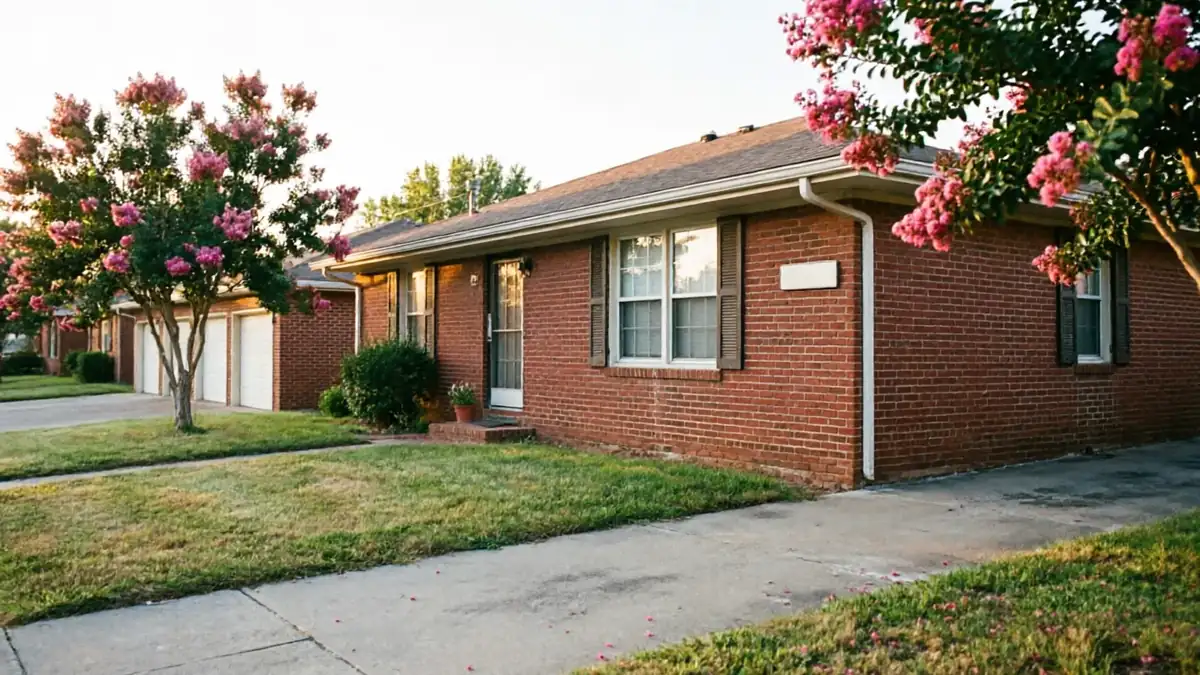
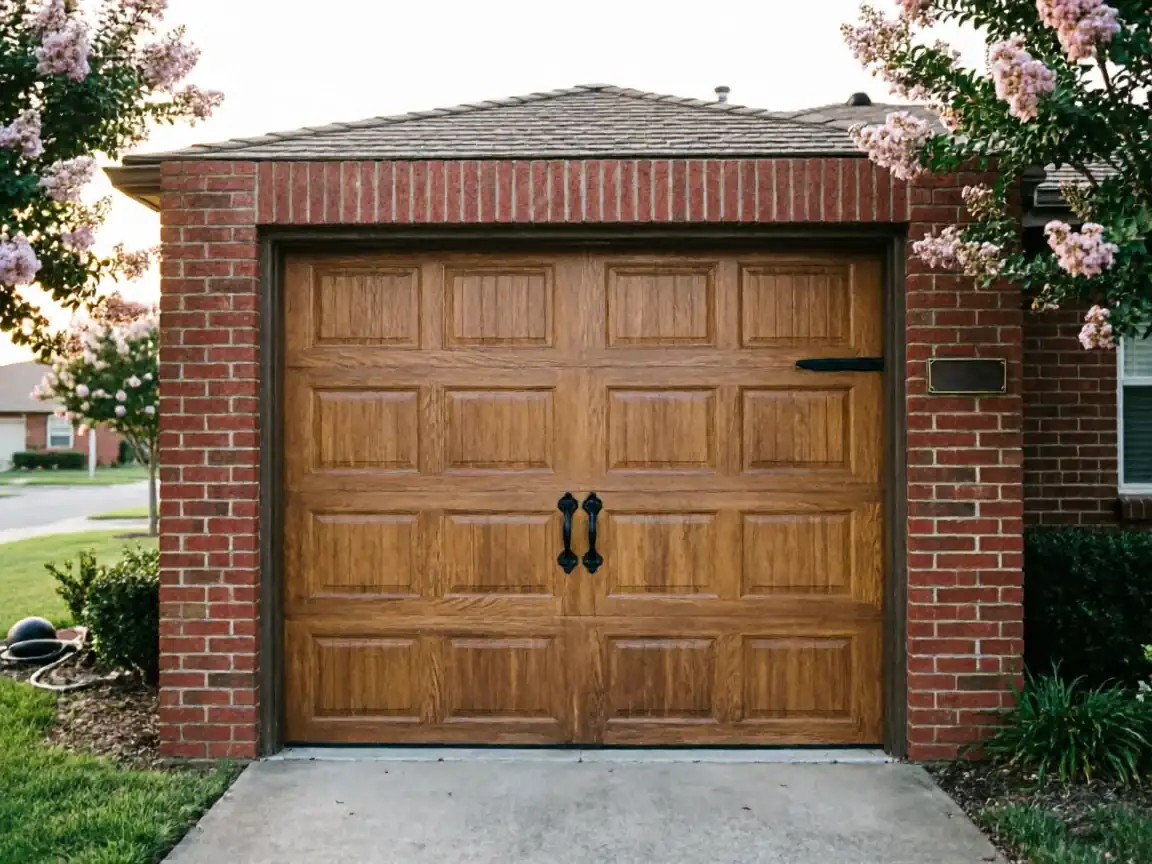
Pinehurst's housing runs around a median build year of 1990, which puts it a couple years past the wider service area's 1971-2002 span and its 1988 median. That's a narrow window, but it's the window that decides what's in your garage. Doors from this era are mostly steel sectional, mid-weight panels, extension or torsion springs depending on who built the subdivision and when. The failure pattern we see on 1990-vintage doors is different from what shows up on a house built in 1975 or one built in 2000: the springs are old enough to be near or past their cycle life, but the openers are often a generation newer than the door itself, which means the safety reversal sensors don't always talk to the original hardware the way they should. That mismatch is worth checking even if nothing's broken yet.
The Houses Here
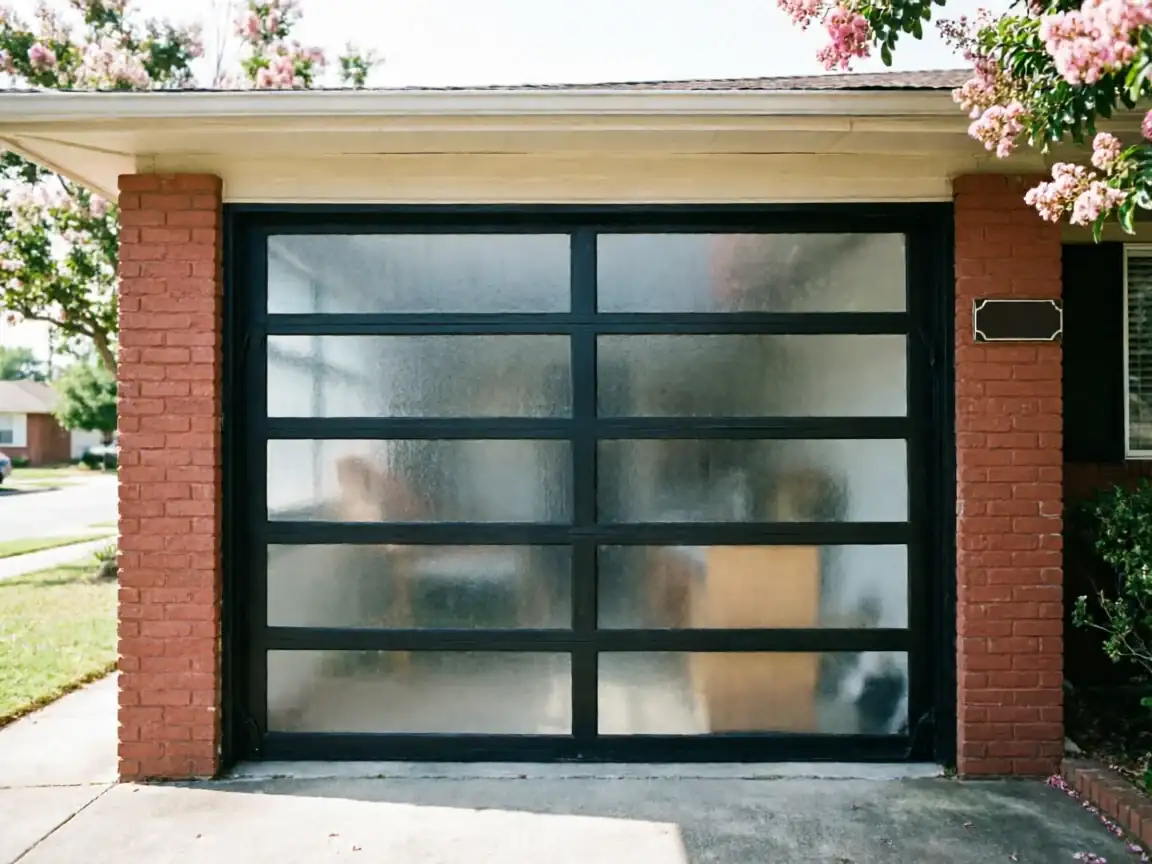
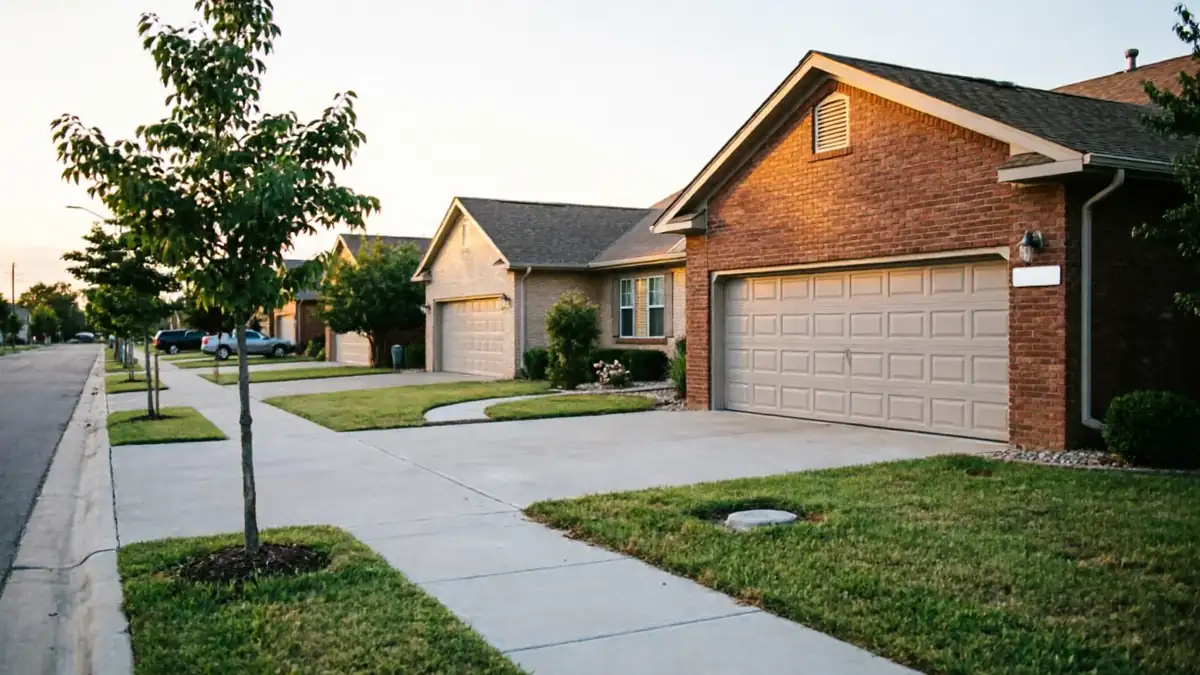
With roughly 1,364 households in Pinehurst and a median household income of $57,438, this is a tighter, more modest market than the broader Tomball service area, where median income runs closer to $78,938 across 14,992 households. That gap shapes the calls we get: more requests for a straight spring swap or roller replacement, fewer for a full designer door upgrade. Neither is wrong - a torsion spring job on a working door is often the better use of money than a full replacement, and we'll say so plainly if that's what the door needs. The regional climate band here is moderate heat, which is kinder to door hardware than the humidity and heat swings some nearby areas see - less panel warping, slower wear on seals, but springs still fatigue on a cycle count, not a calendar.