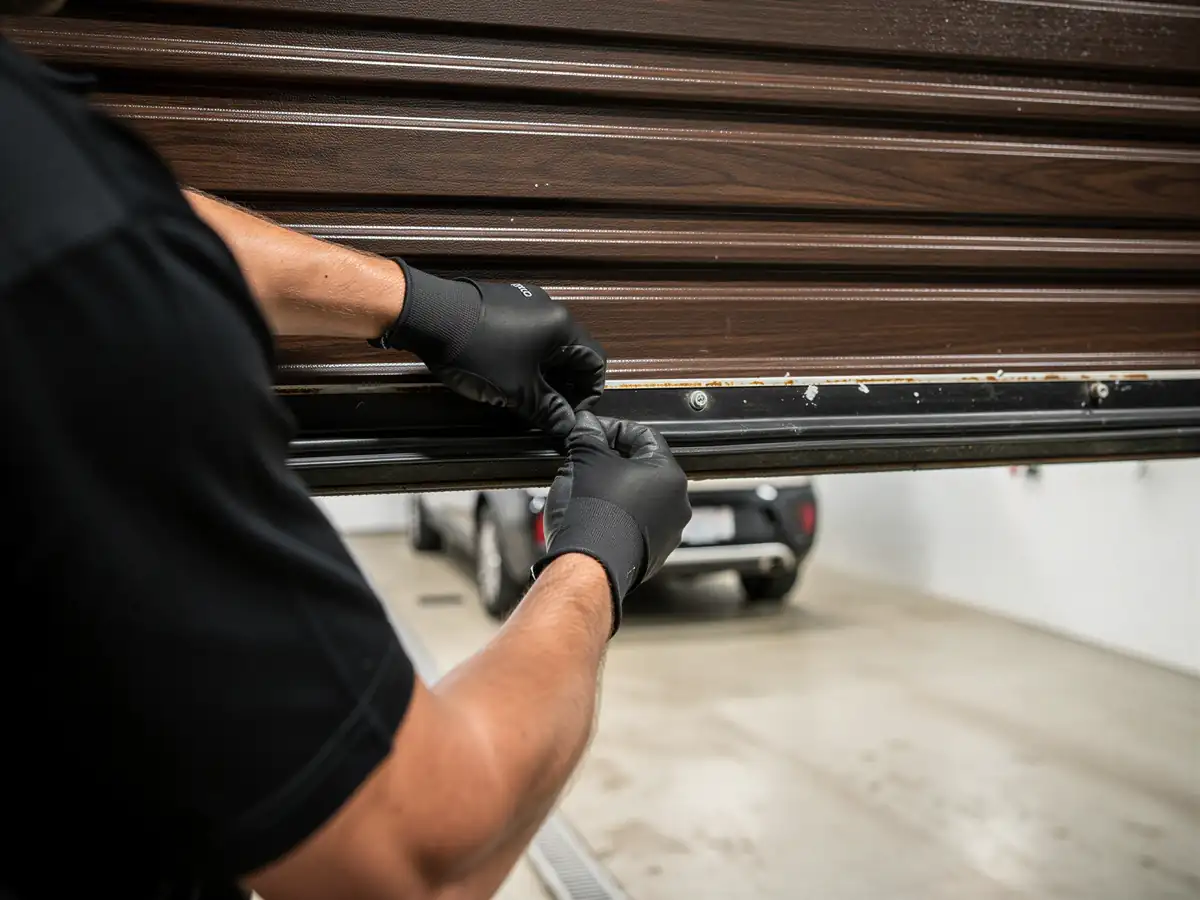
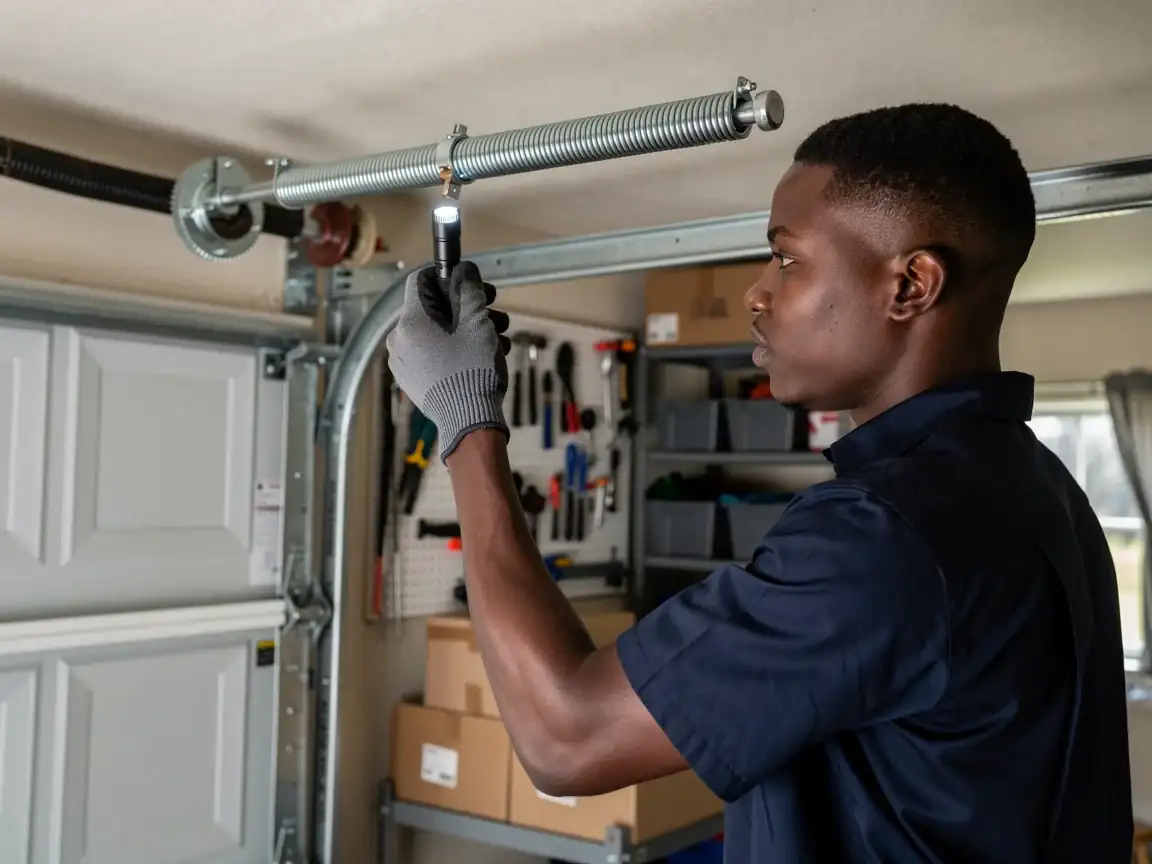
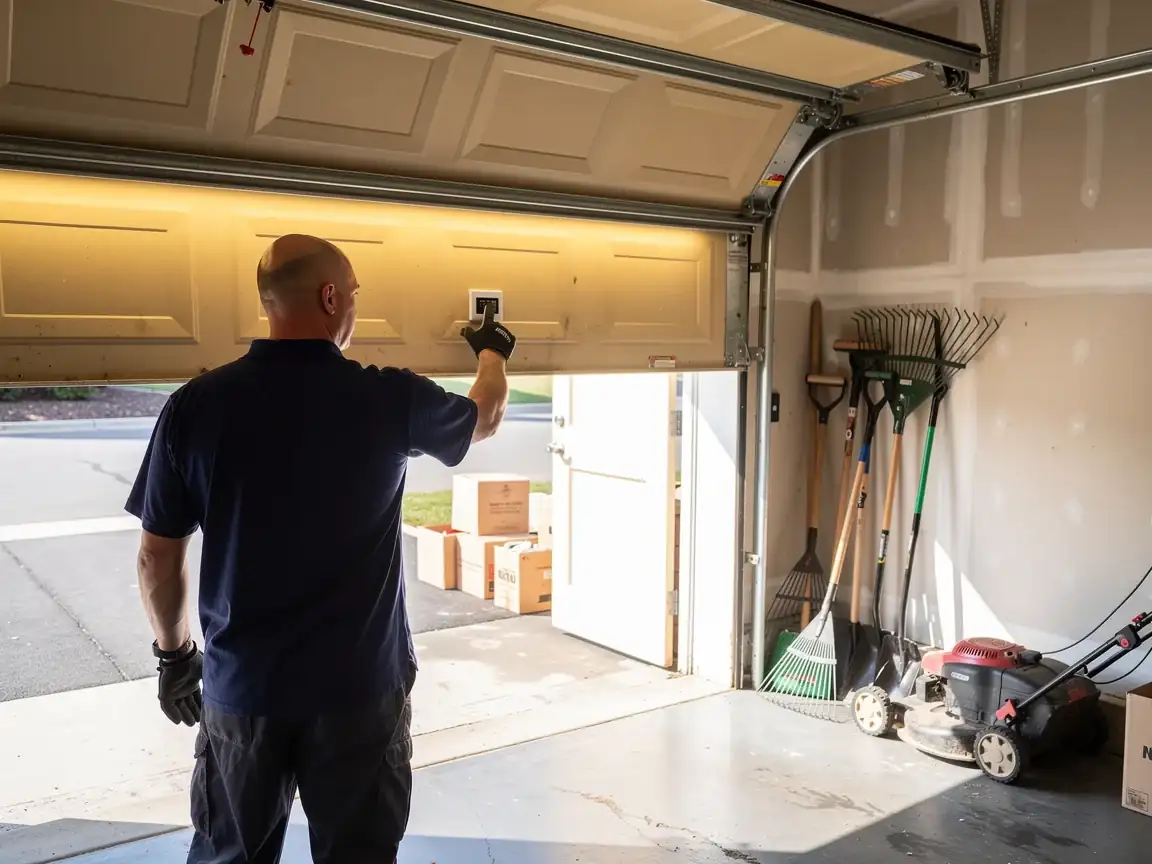
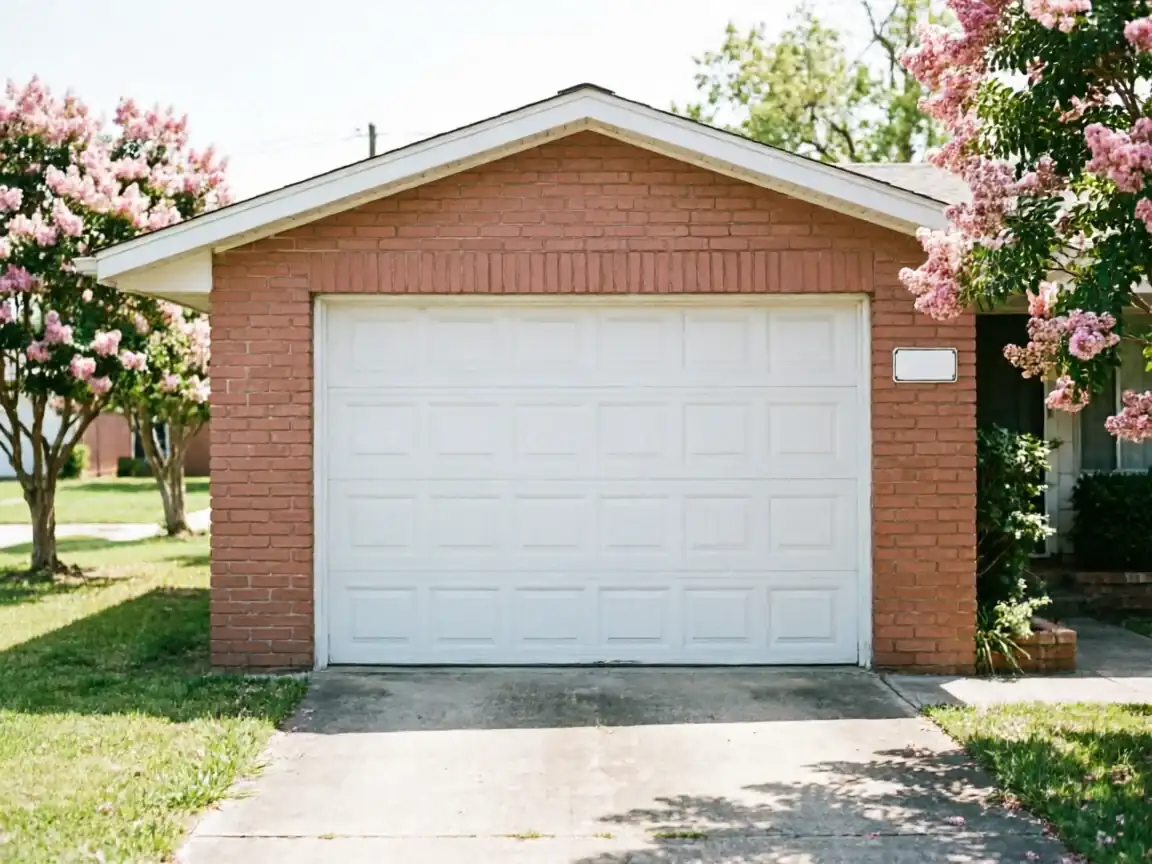
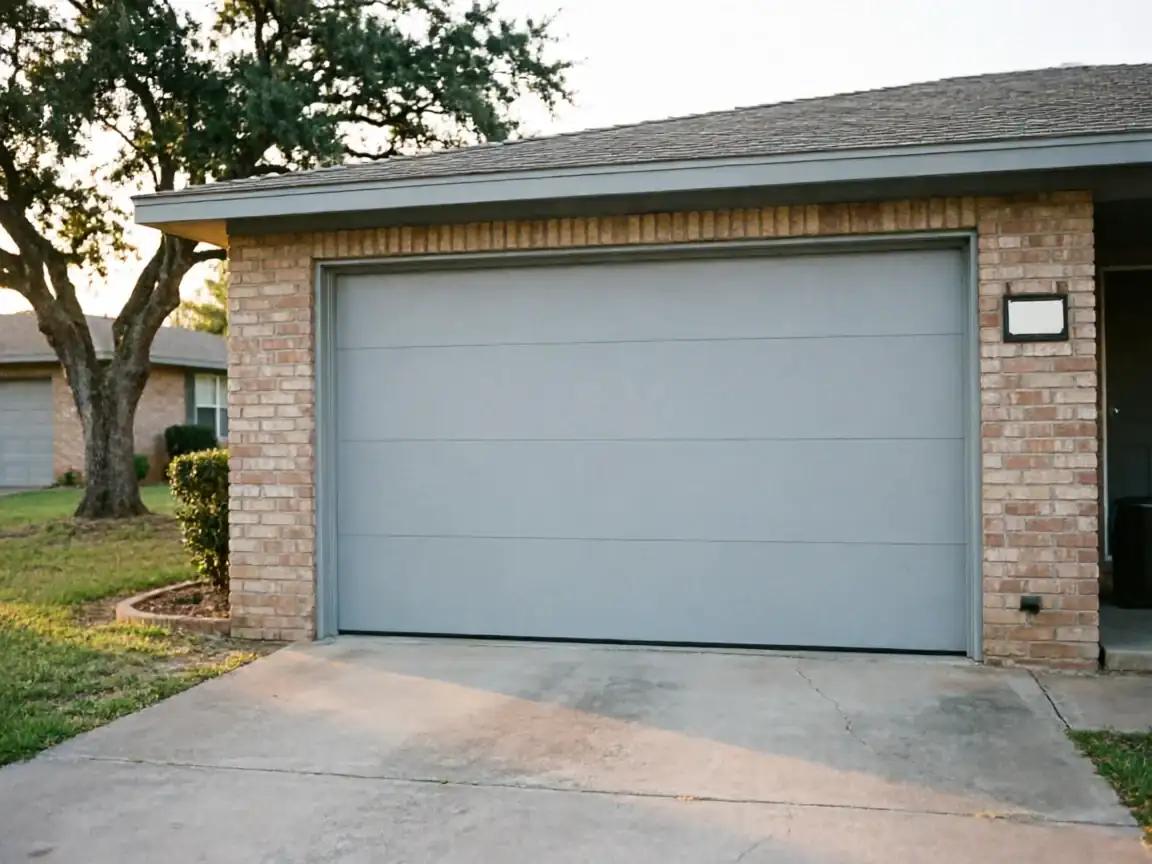
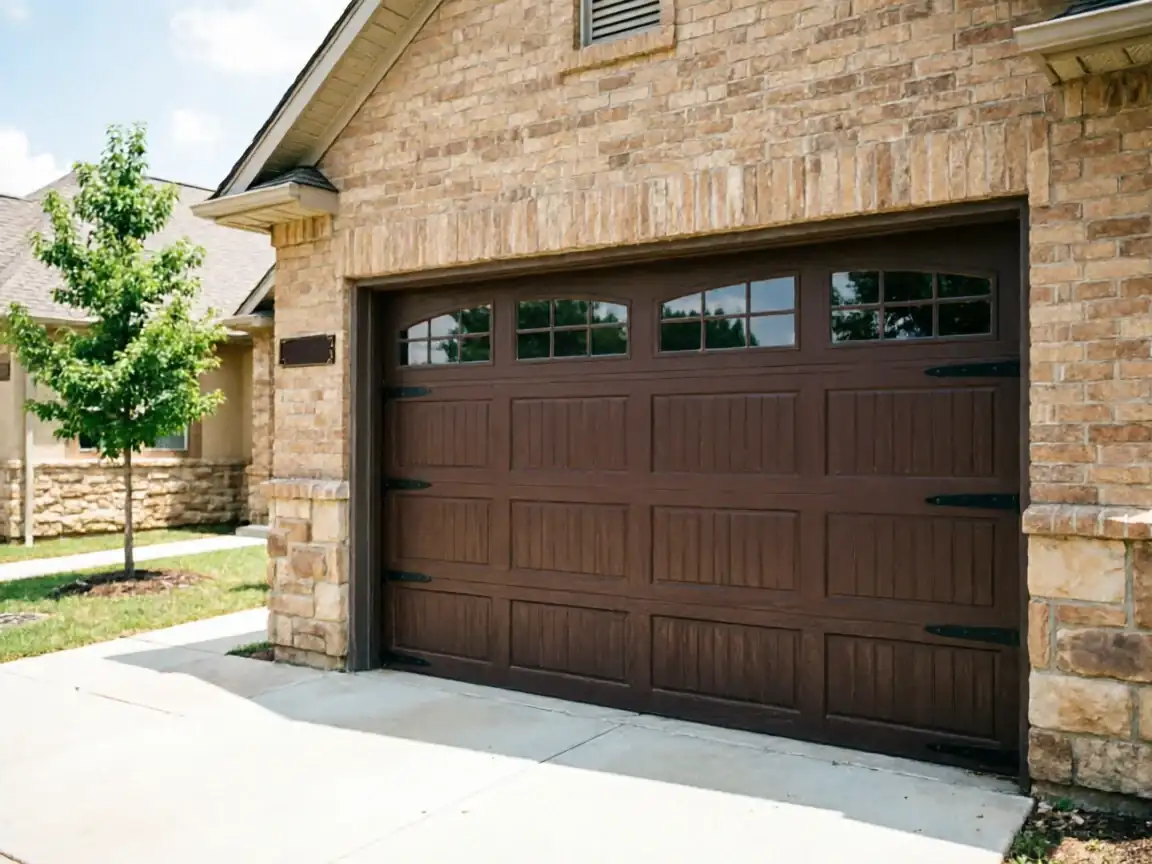
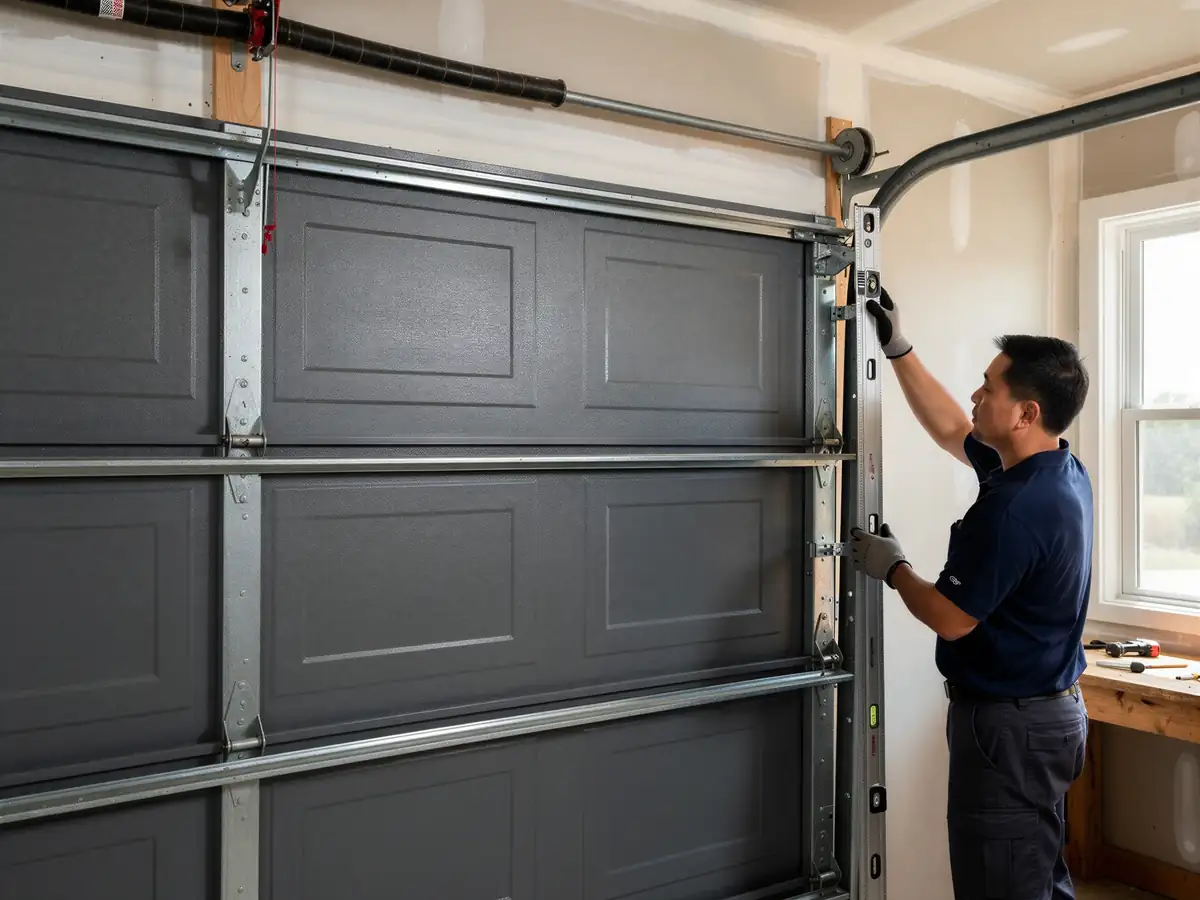
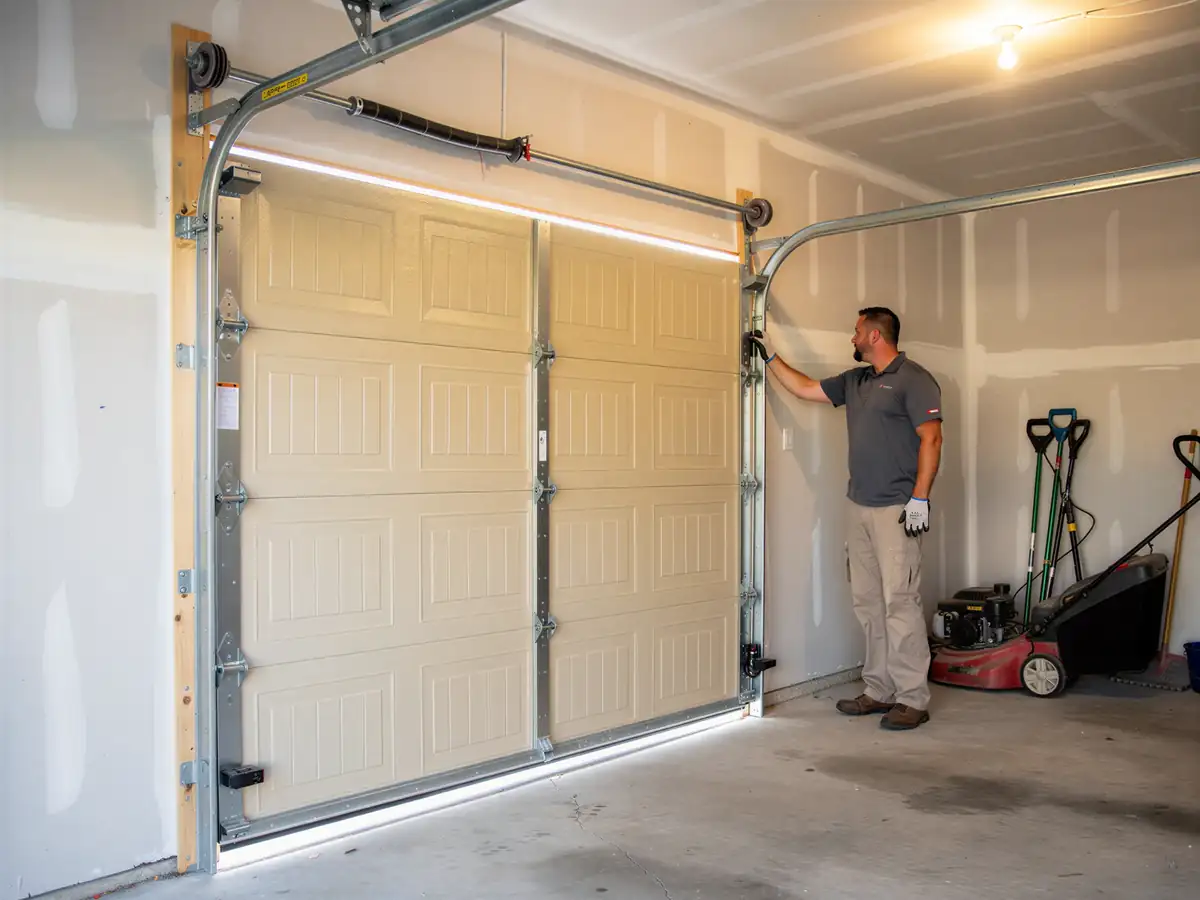
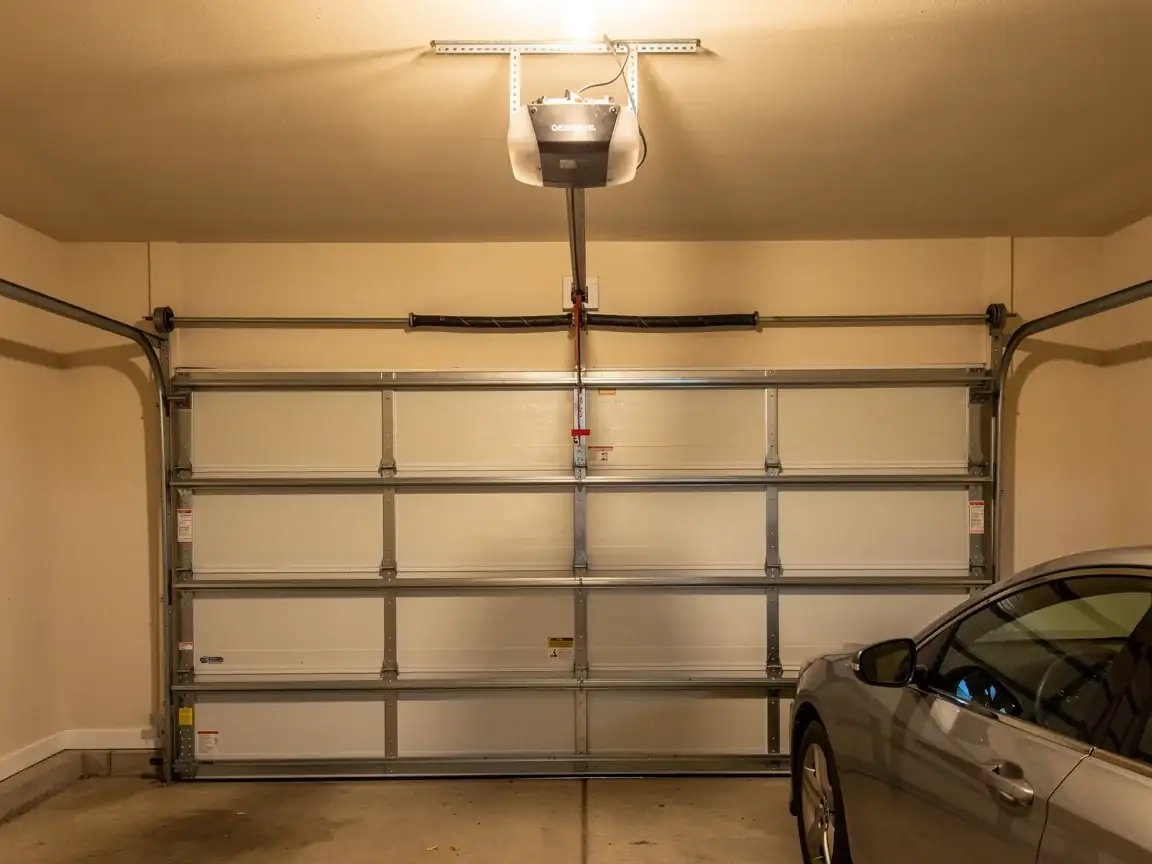
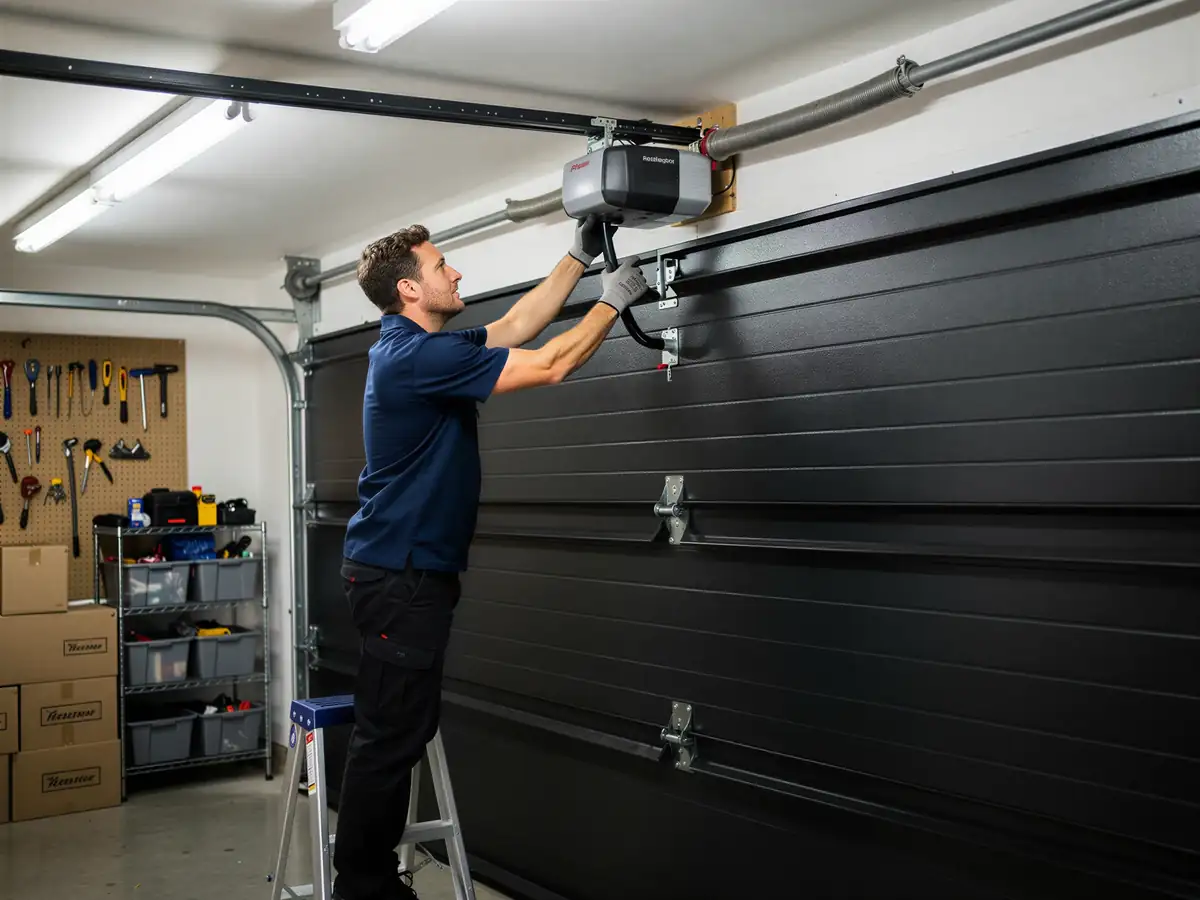
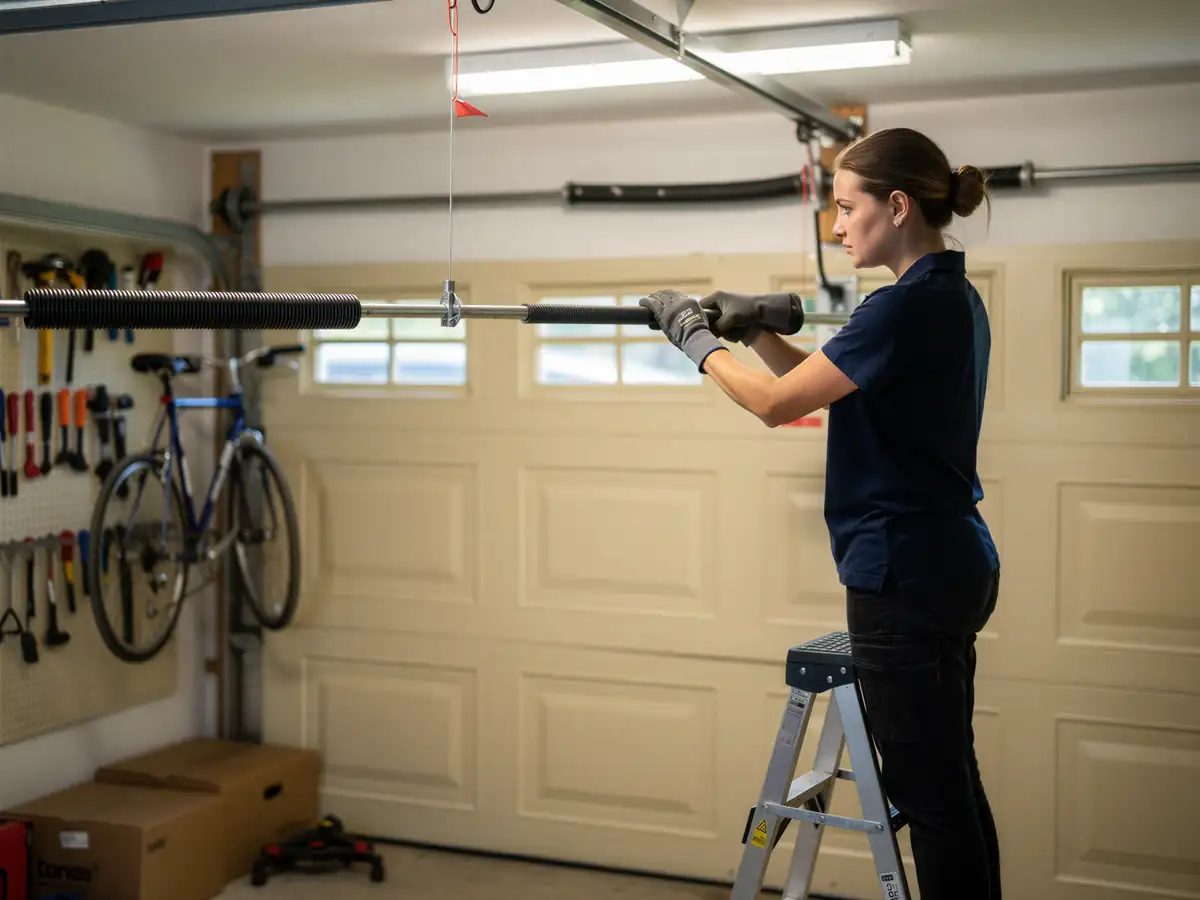
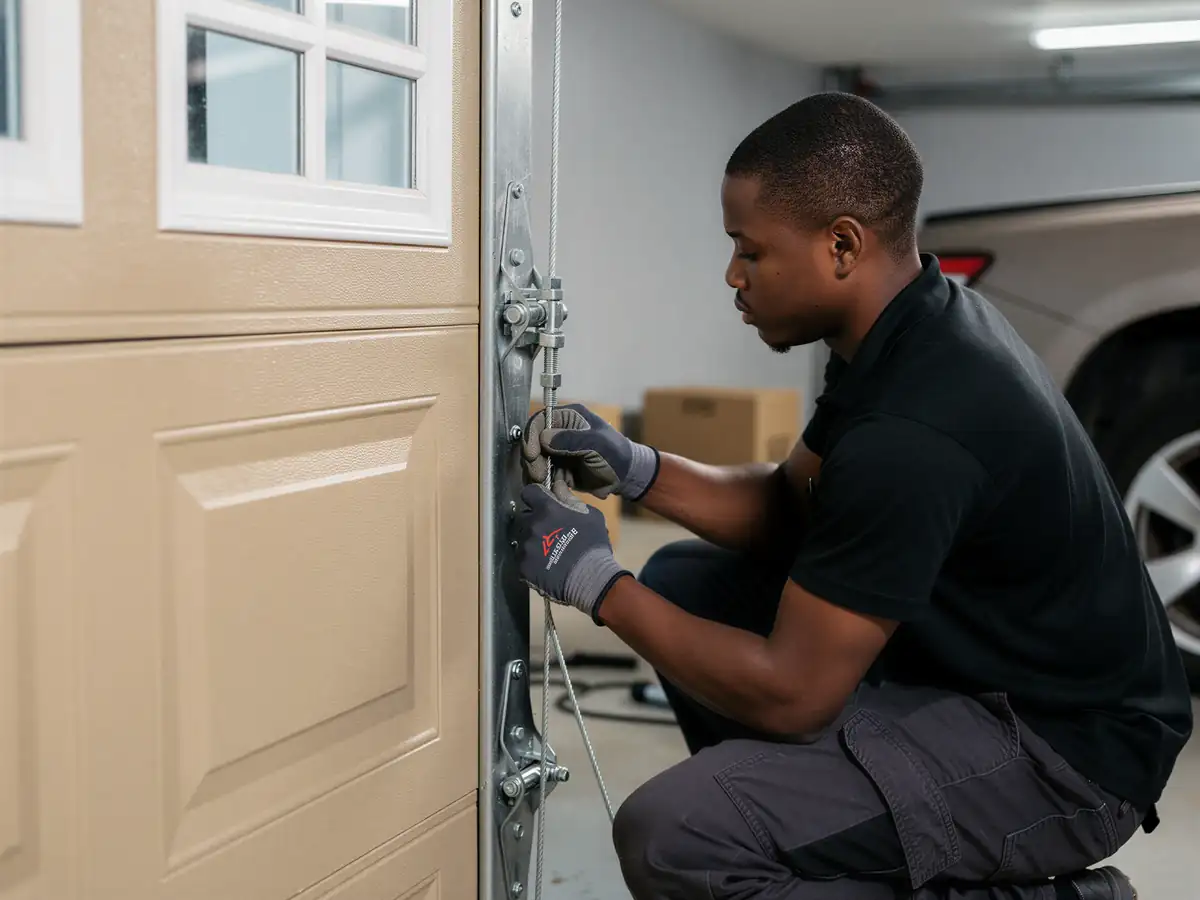
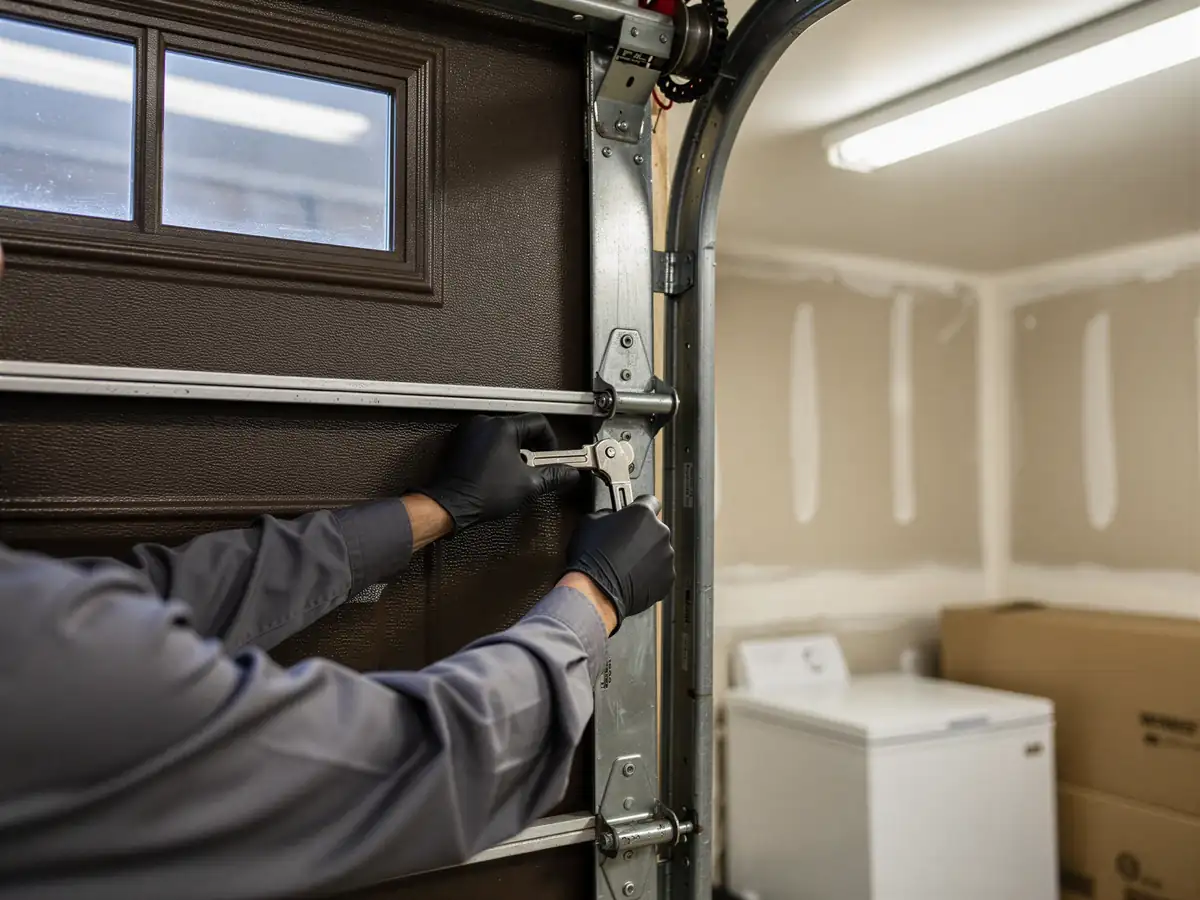
We don't post a flat number here because what a maintenance visit covers depends on what's on the door - a single torsion spring setup on a 1990s build is a different job than a double door with two openers and worn extension springs. What we can tell you is what's included: a full lube and inspection of rollers, hinges, cables, and track alignment, a check on spring tension, and a look at the opener's force settings and safety reverse. If a part is failing outright - a cracked roller, a fraying cable - that's a repair quote, not part of the maintenance visit, and we'll tell you before we touch it. Homes in this area, with a median household income near $78,938 and roughly 6,482 owner-occupied houses across the service footprint, tend to own rather than rent, which means the door is yours to maintain or neglect. Regular maintenance is cheaper than letting a bad bearing turn into a broken spring, but we're not going to quote a number that doesn't match your actual door. Call and we'll walk you through it before anyone drives out.
The Symptom
The door starts slow, or it jerks on the way up, or it's suddenly louder than it used to be. Sometimes it's a roller that's gone from round to flat-sided after years of hairline-crack wear. Sometimes the opener strains and you hear the motor working harder than it should for a door that used to glide. These aren't random - they're wear patterns that show up on a predictable schedule once a door hits a certain age, and across this service area that age is arriving now. With housing built mostly between 1971 and 2002, median around 1988, a lot of original hardware and first-replacement openers are well past the point where lube and adjustment alone fix things. The symptom you're noticing isn't the problem - it's the door telling you the problem's been building for a while.
The DIY Question
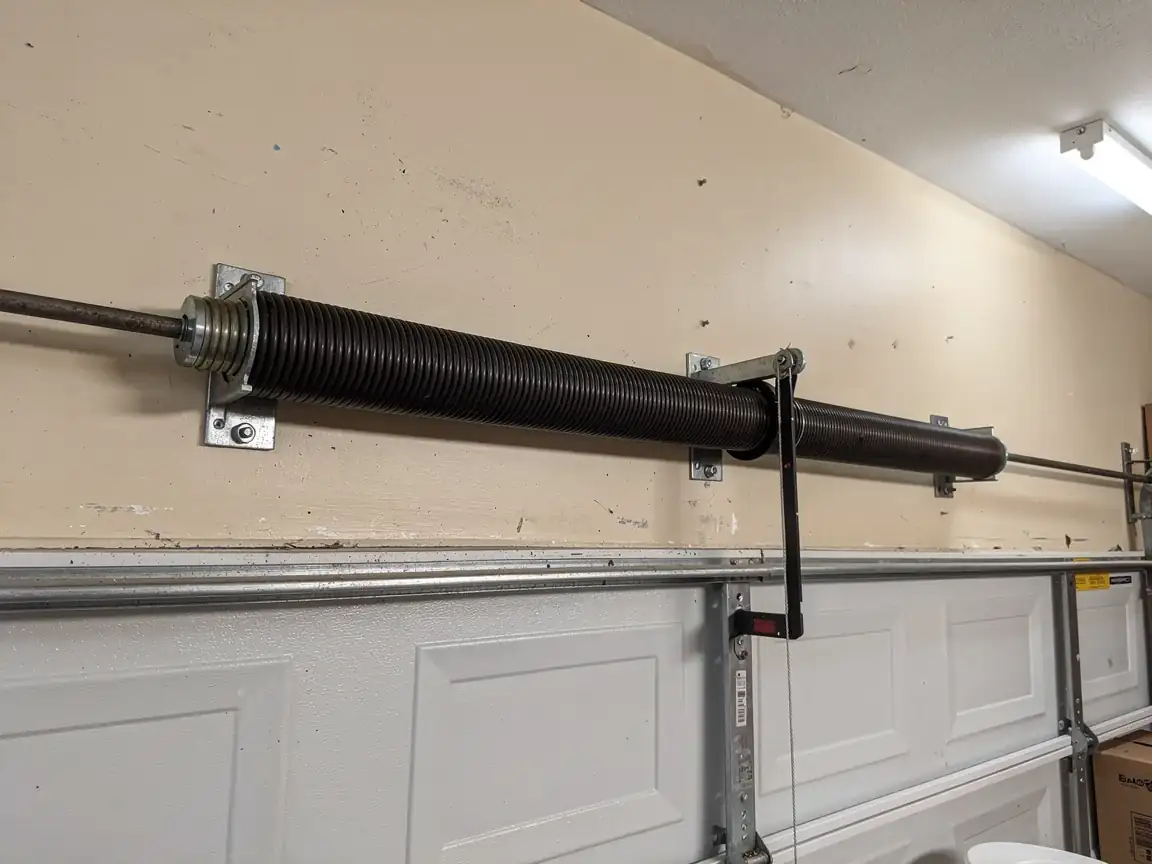
Spraying some WD-40 on a noisy roller isn't going to hurt anything, and checking that the tracks are free of debris is fine to do yourself. What we don't recommend is touching the torsion spring or trying to re-tension cables - that's the part of the job that puts people in the ER, and it's also the part most homeowners skip entirely because it looks simple and isn't. The honest limitation here: we can't inspect a spring over the phone, and a lot of the wear that matters - fatigue inside the coil, a cable starting to fray where it wraps the drum - isn't visible until someone's eyes are on it. If your door is from the 1980s-90s stock that's common in this area, the spring has likely outlived its rated cycle count even if it still looks fine. That's not a DIY call.
Why This Fails Locally
Heat is the variable people underestimate. The climate band here runs moderate on heat exposure, but moderate doesn't mean mild - it means sustained warm stretches that dry out lubricant on hinges and rollers faster than a cooler climate would, and that dried-out hardware is exactly what's installed on the bulk of the area's housing stock from the 1971-2002 build window. A door in a newer subdivision with modern nylon rollers handles that stress differently than a 1980s steel-roller setup that was never upgraded. Across the roughly 14,992 households in the service area, and the ten named communities from Stagecoach to that fall inside it, the pattern repeats: original hardware, decades of heat cycling, and a maintenance gap because the door kept working right up until it didn't. That's the failure mode maintenance is built to catch before it becomes a Saturday morning with a car trapped inside.
How it works
From “it’s stuck” to “it’s fixed”
01
Tell us what’s wrong
Describe the symptom - won’t open, loud bang, opener runs but the door won’t move.
02
On-site diagnosis
A technician tests the door under power and by hand and finds what actually failed.
03
Clear, up-front plan
You get the fix that’s needed and what drives the cost - before any work starts.
04
Repaired & tested
The repair is done, the door is set true and tested, and the work area left clean.
Not sure which repair your door needs in Tomball, TX? Describe what it’s doing - every job starts with a diagnosis.
How often should I get my garage door serviced in Tomball?
For houses built in the common 1971-2002 window here, once a year is the baseline, more often if the door sees heavy daily use. The moderate heat exposure in this area dries out lubricant faster than you'd expect, so hinges and rollers that feel fine in spring can be groaning by late summer.
Can I do garage door maintenance myself?
Basic stuff - clearing track debris, light lube on rollers and hinges - is fine. Spring tension and cable condition need a trained eye, especially on older hardware common in this area's 1980s-90s housing stock, where fatigue isn't visible from outside the coil.
Will maintenance fix a door that's already making noise?
Sometimes. If it's dry hinges or a dirty track, a tune-up solves it. If the noise is a roller that's gone flat-sided or a spring nearing the end of its cycle life, maintenance will catch it on inspection, but the part itself usually needs replacing, not just lubricating.
Ready to get your garage door sorted?
Tell us what it’s doing and where you are in Tomball - we’ll take it from there.