What Local Conditions Do
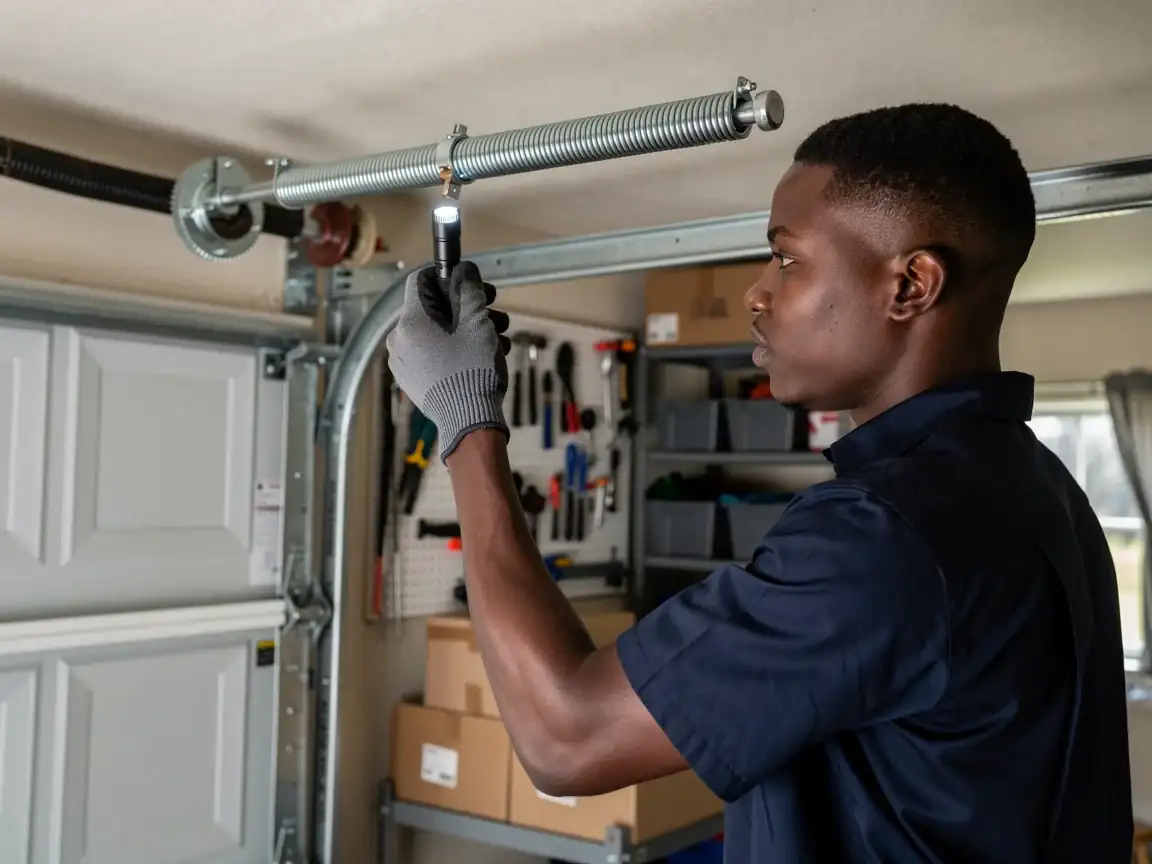
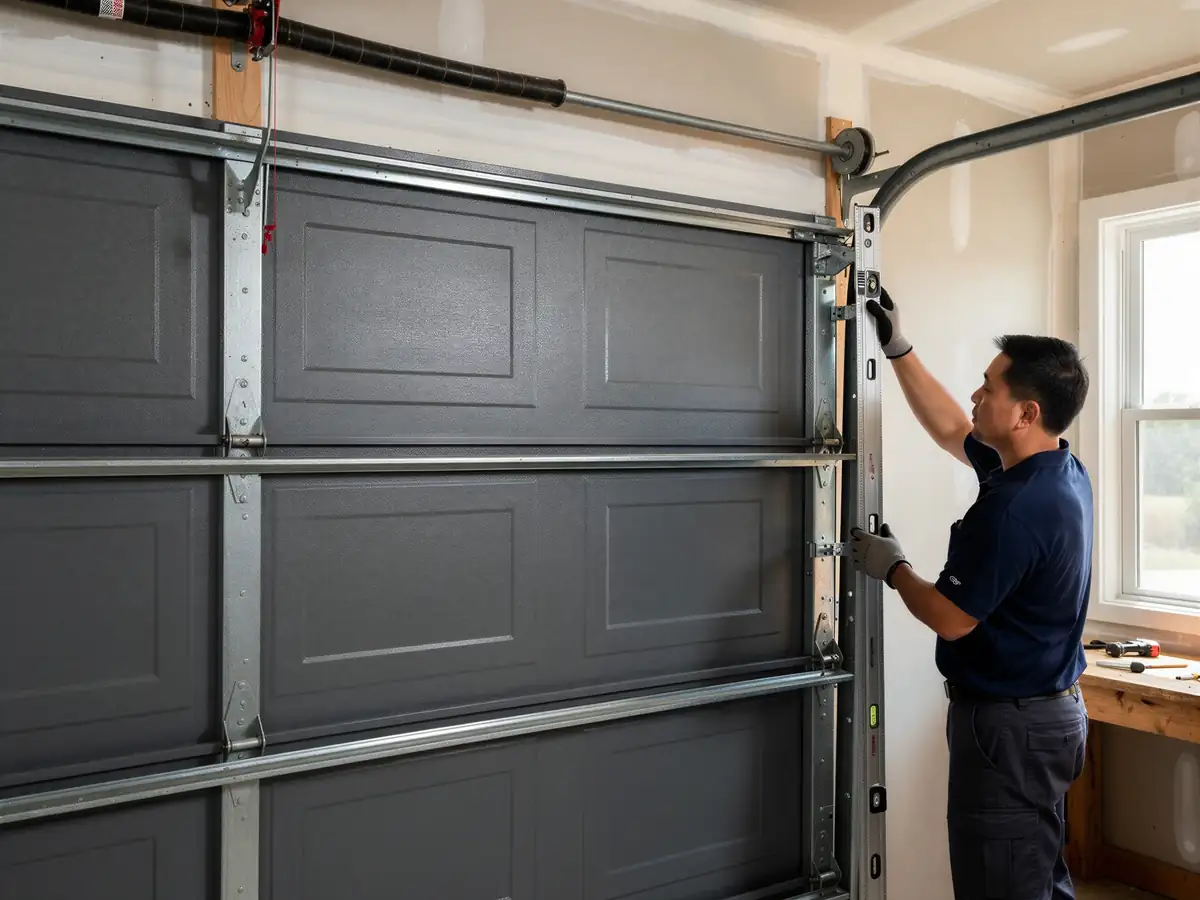
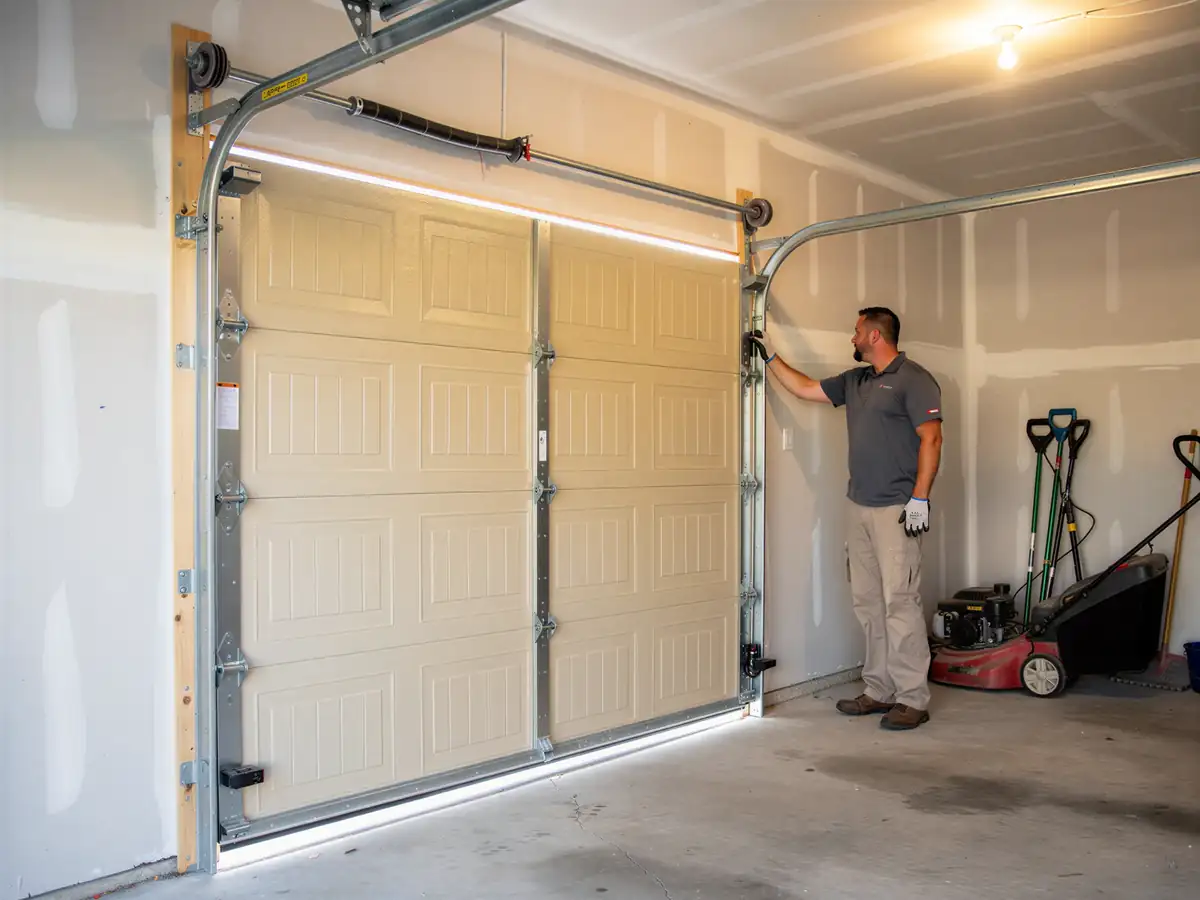
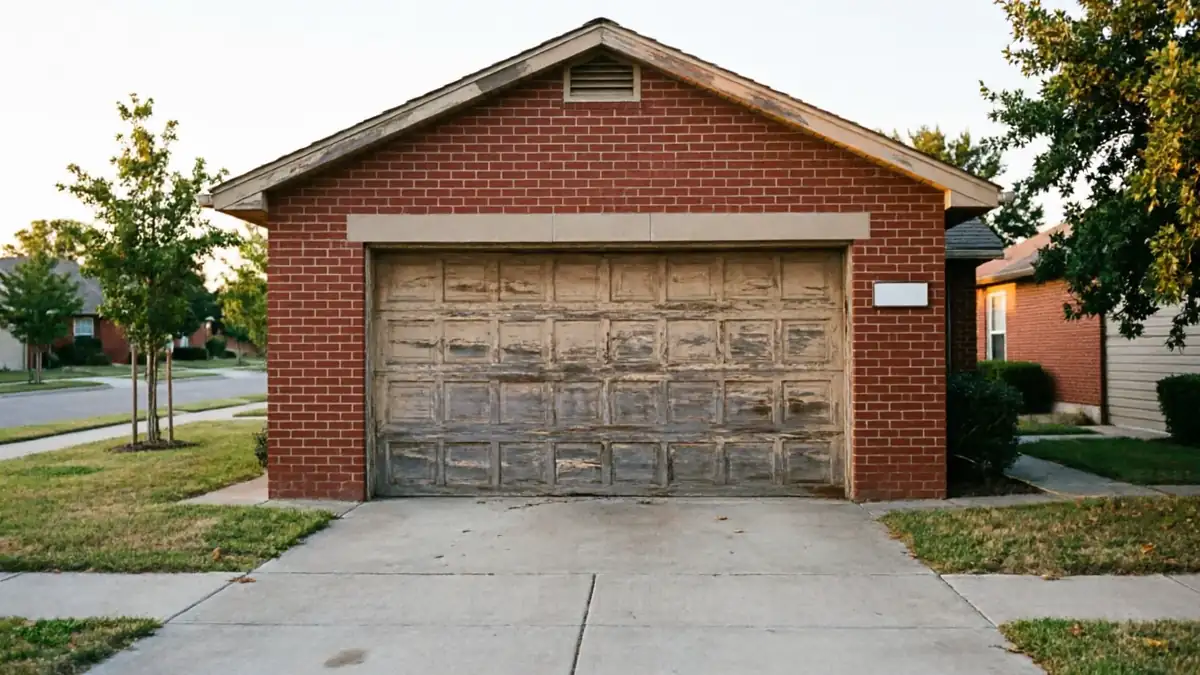
Tomball sits in a moderate heat band, not the extreme swings you'd get further inland or further north. That matters for what actually wears out on a door this old. You don't get the hard freeze-thaw cycling that cracks concrete slabs and snaps brittle springs overnight, but you do get steady heat that dries out lubrication on rollers and hinges faster than owners expect, and it softens weatherstripping and bottom seals over years of sun exposure on south and west-facing garages. On a door built in the late 80s or 90s, that slow heat fatigue is usually further along than the cosmetic wear suggests. A door that still looks fine from the driveway can have a torsion spring that's lost a meaningful percentage of its tension, just from decades of thermal cycling rather than any one dramatic event. This is also why opener sensors and photo-eyes on original installs tend to go first in direct afternoon sun. None of this is dramatic weather damage. It's cumulative, and it's exactly why a door that seems to be working can still be one spring away from a cable snapping under load.
Where People Go Wrong
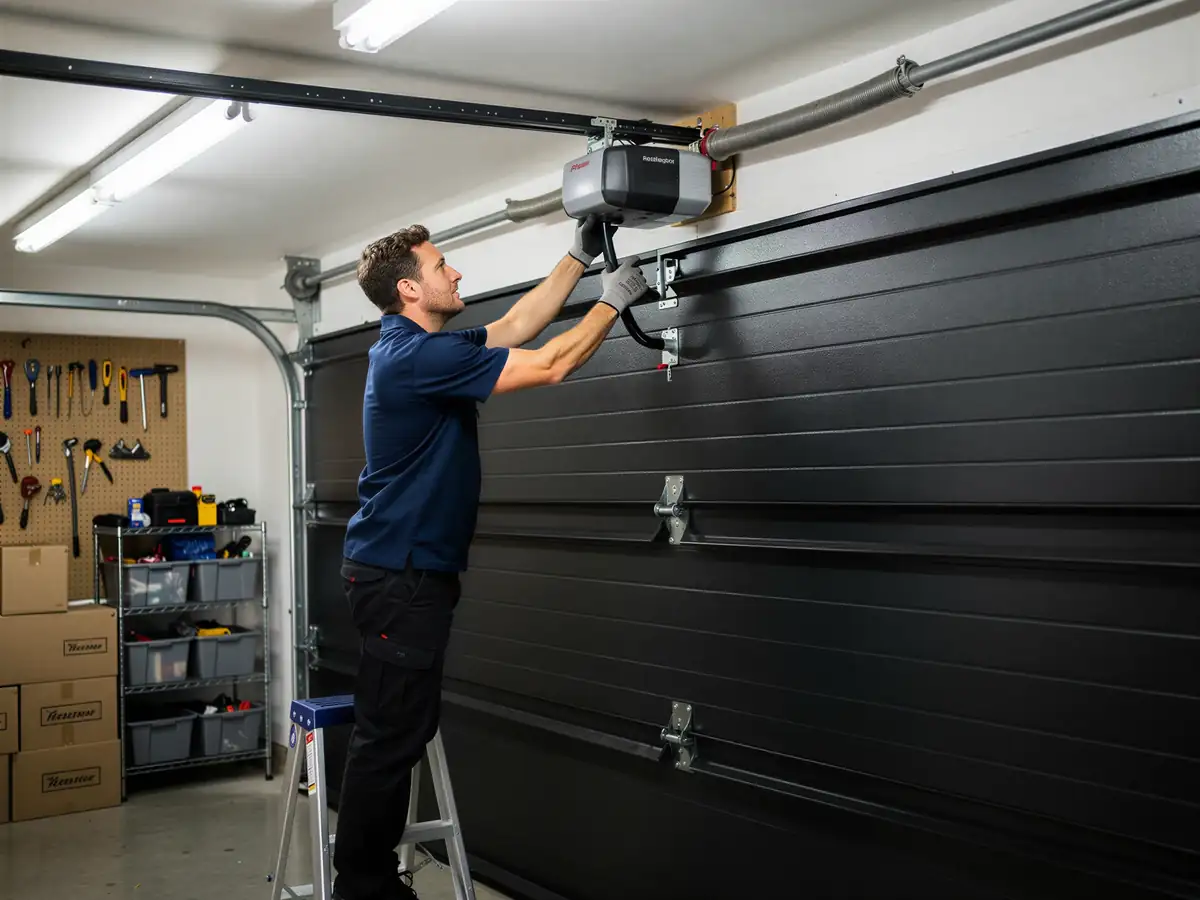
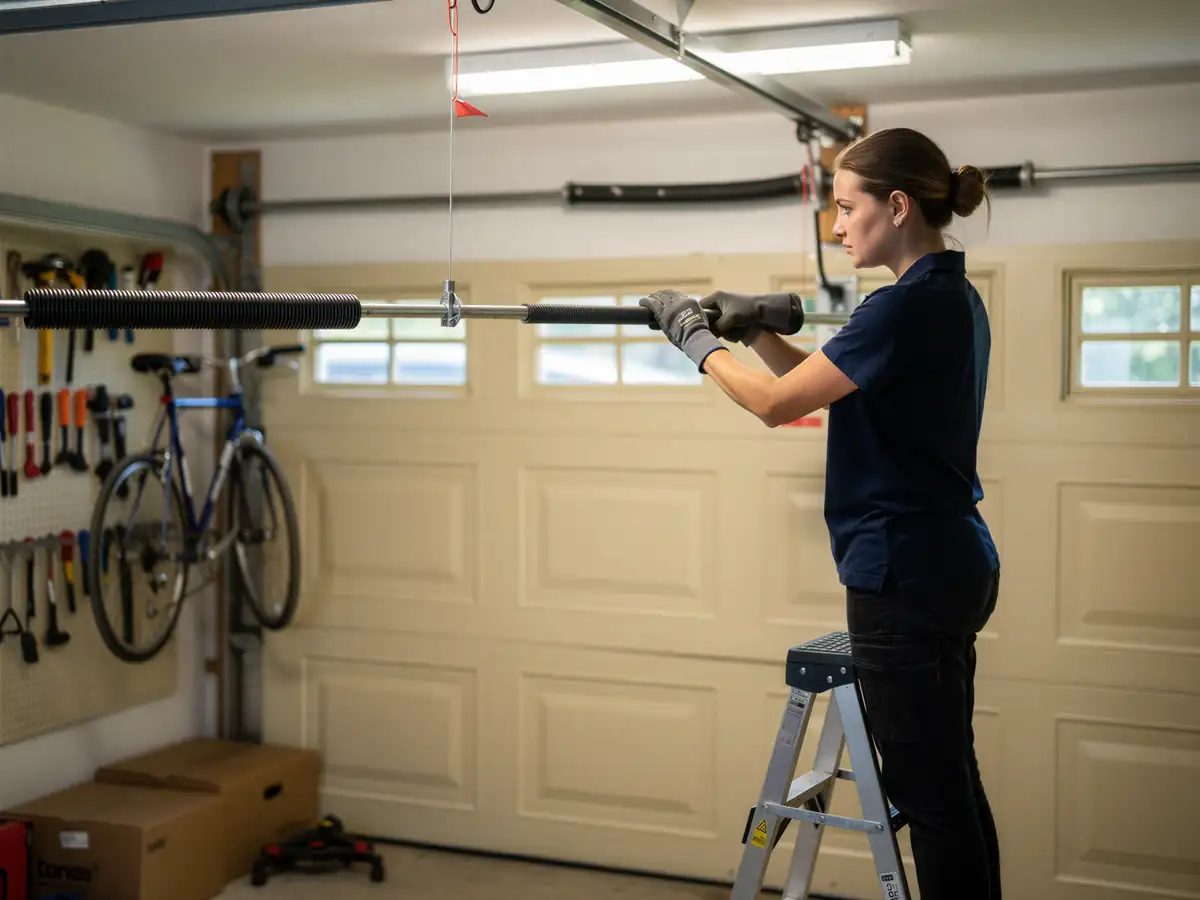
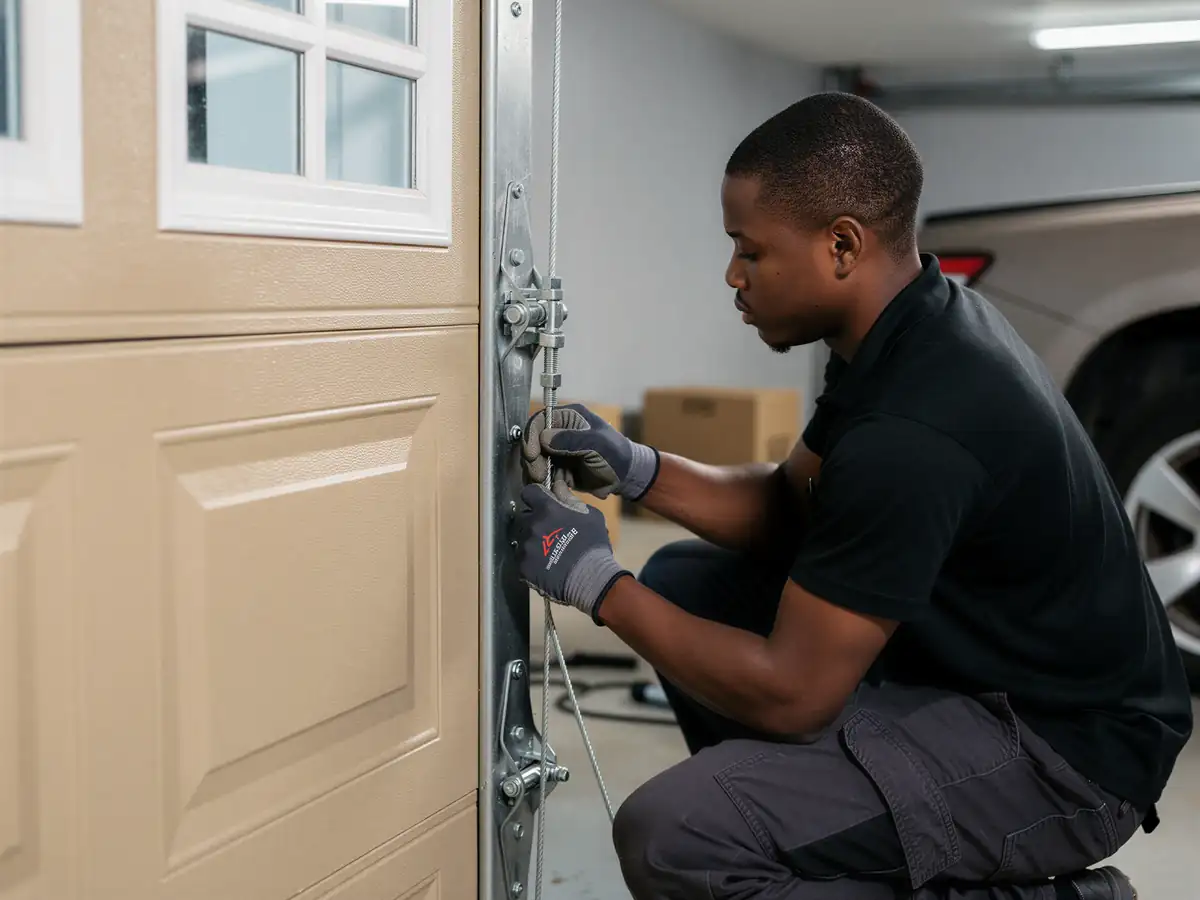
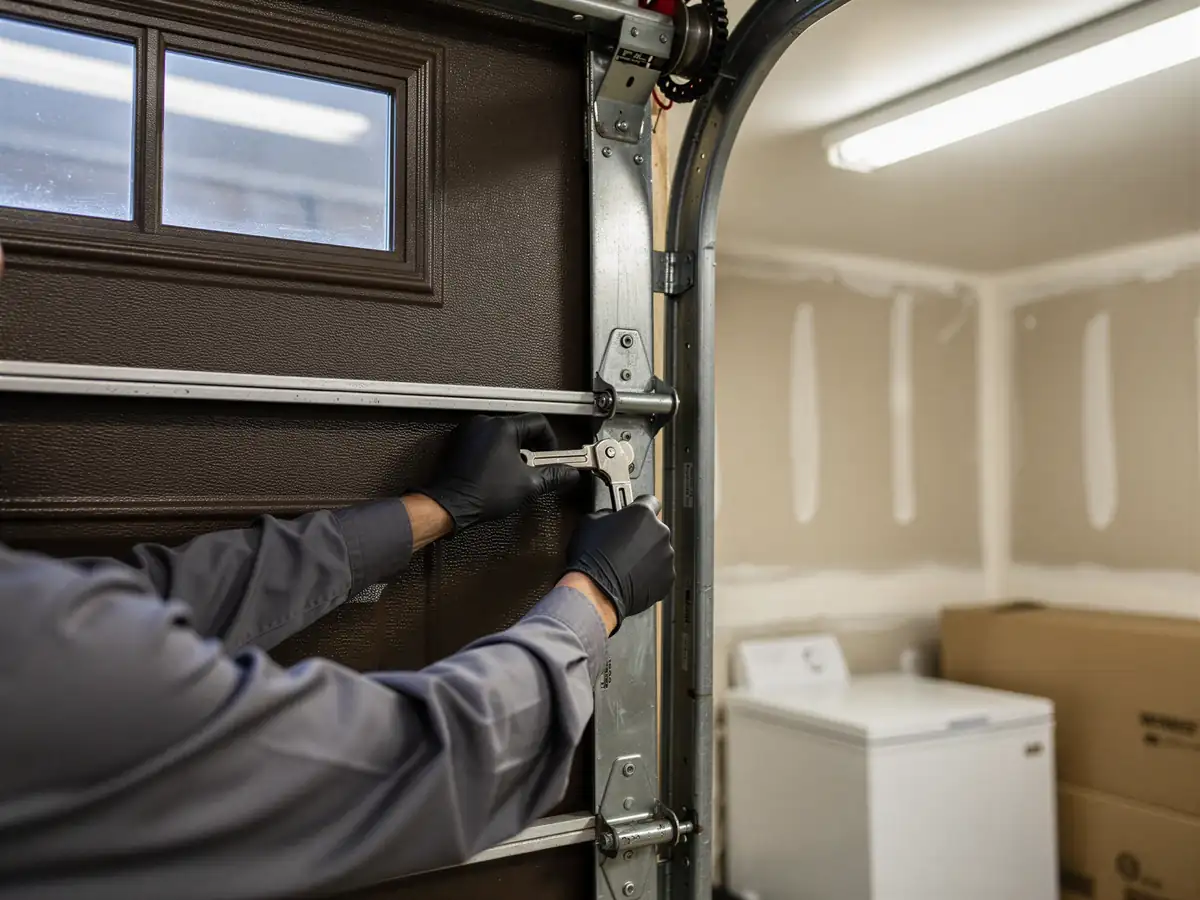
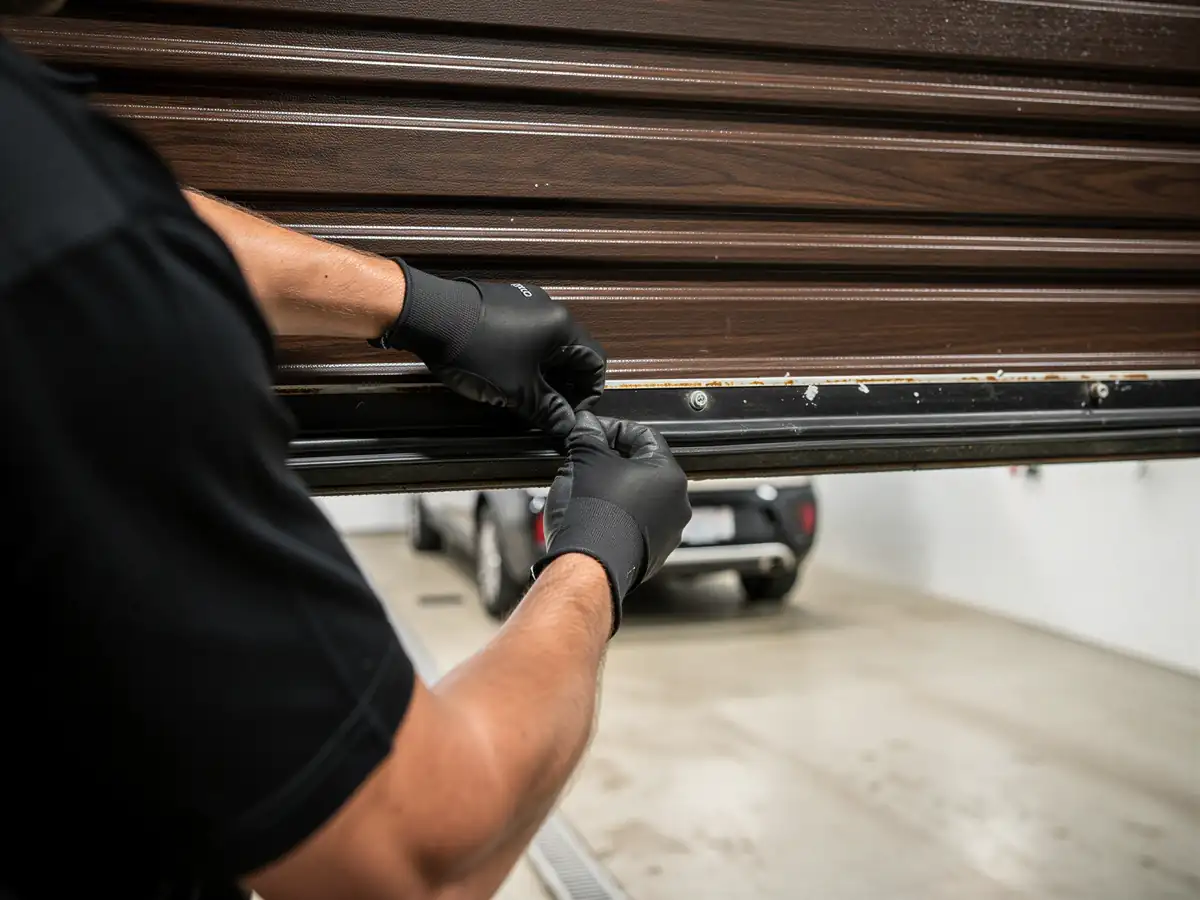
The most common mistake we see on a 1980s-vintage door: someone replaces the opener because the door is slow or noisy, and the actual problem is a spring that's lost tension and is making the motor do work it was never built to do. New opener, same worn-out springs, same call back in six months. The reverse mistake also happens - replacing springs on a door whose track is bent or whose panels are rusted through at the bottom, which just moves the failure point somewhere else. With median household income in this area around $78,938 and roughly 6,482 owner-occupied houses in the service area, most homeowners here are weighing a real repair bill against a real replacement bill, not treating it as disposable. That math only works if you know which part is actually failing. One honest limit: if the door is original steel from the late 80s and the bottom panel has rusted through from years of lawn sprinklers hitting it, we're not going to spend your money patching that panel - it's a replace, not a repair, and we'll say so before we touch a wrench.