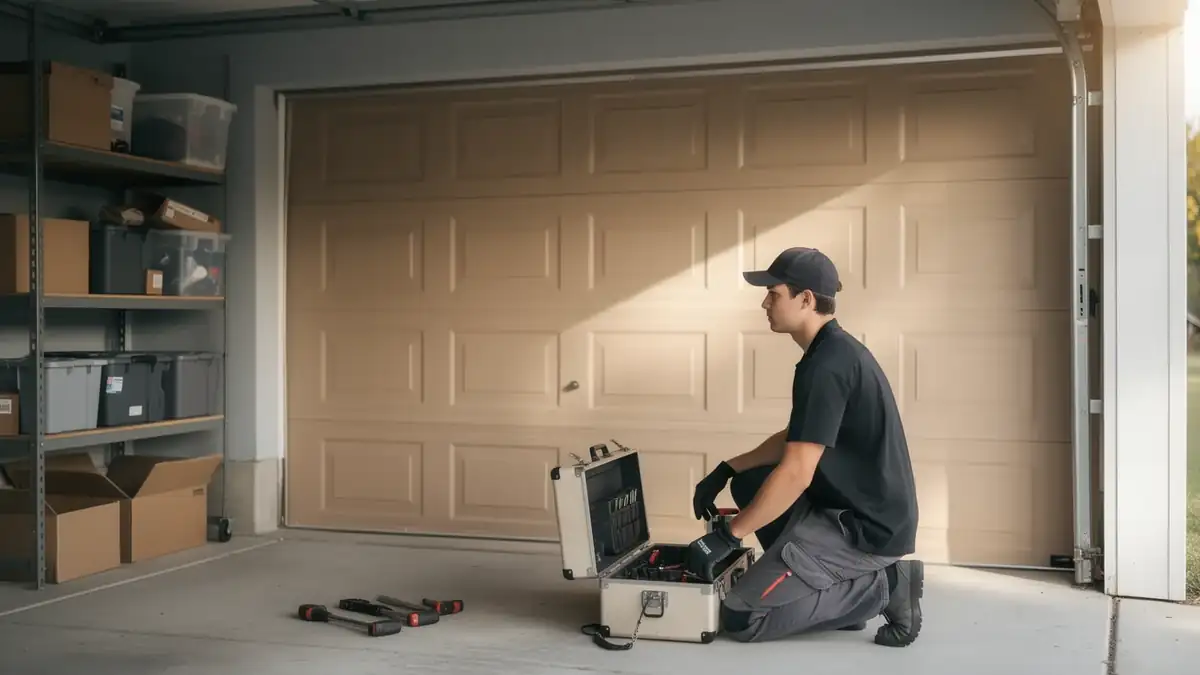
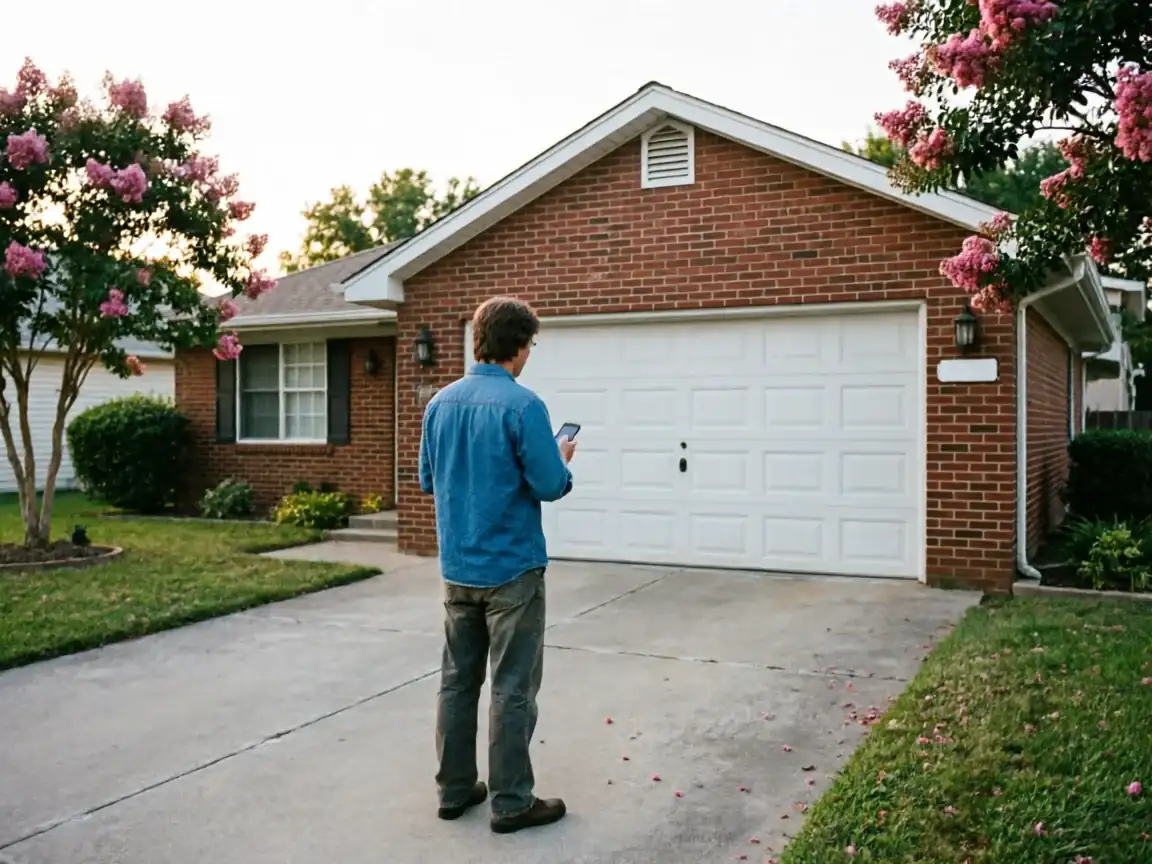
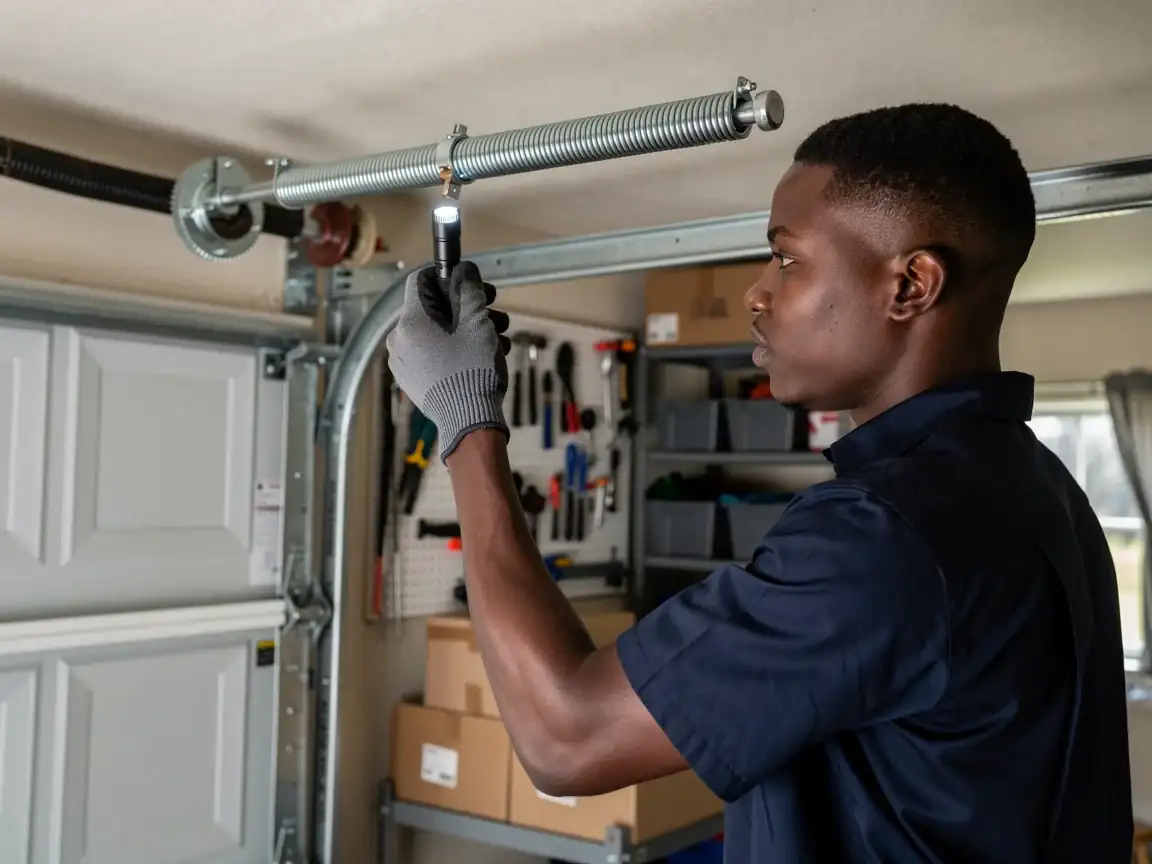
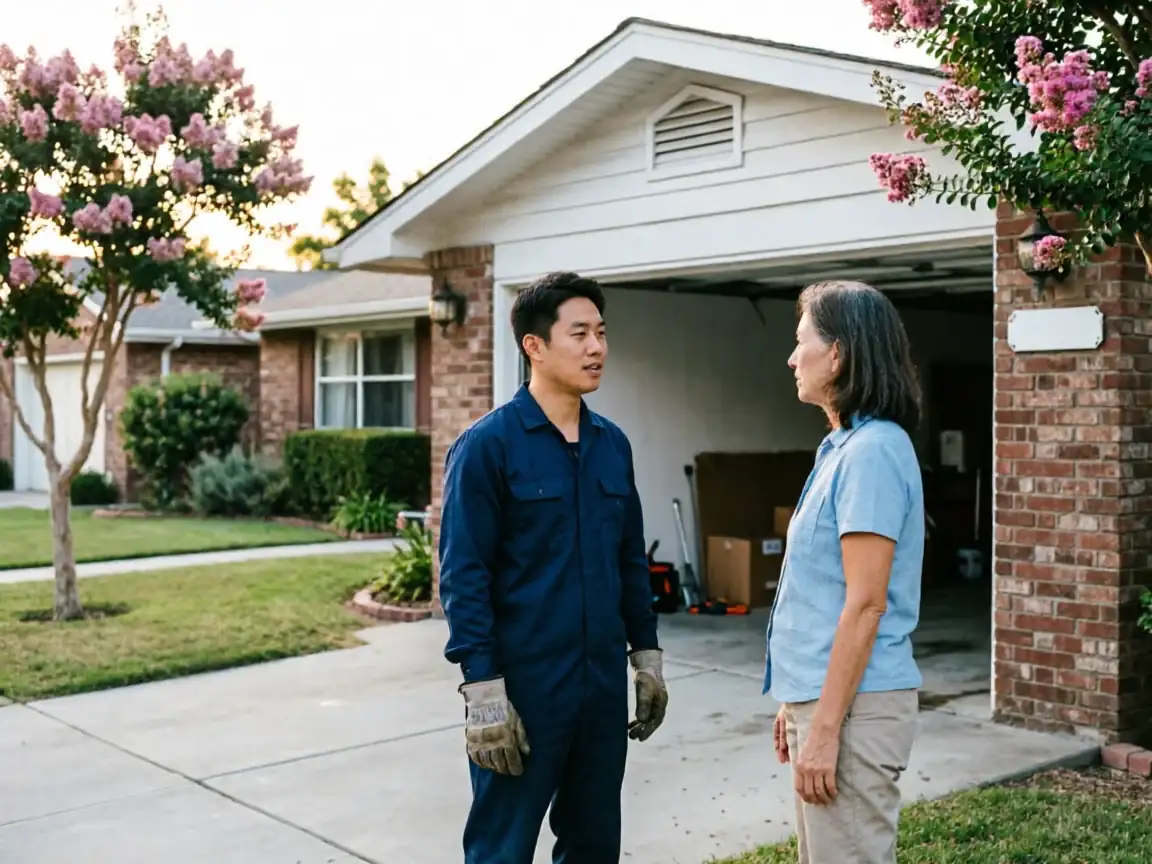
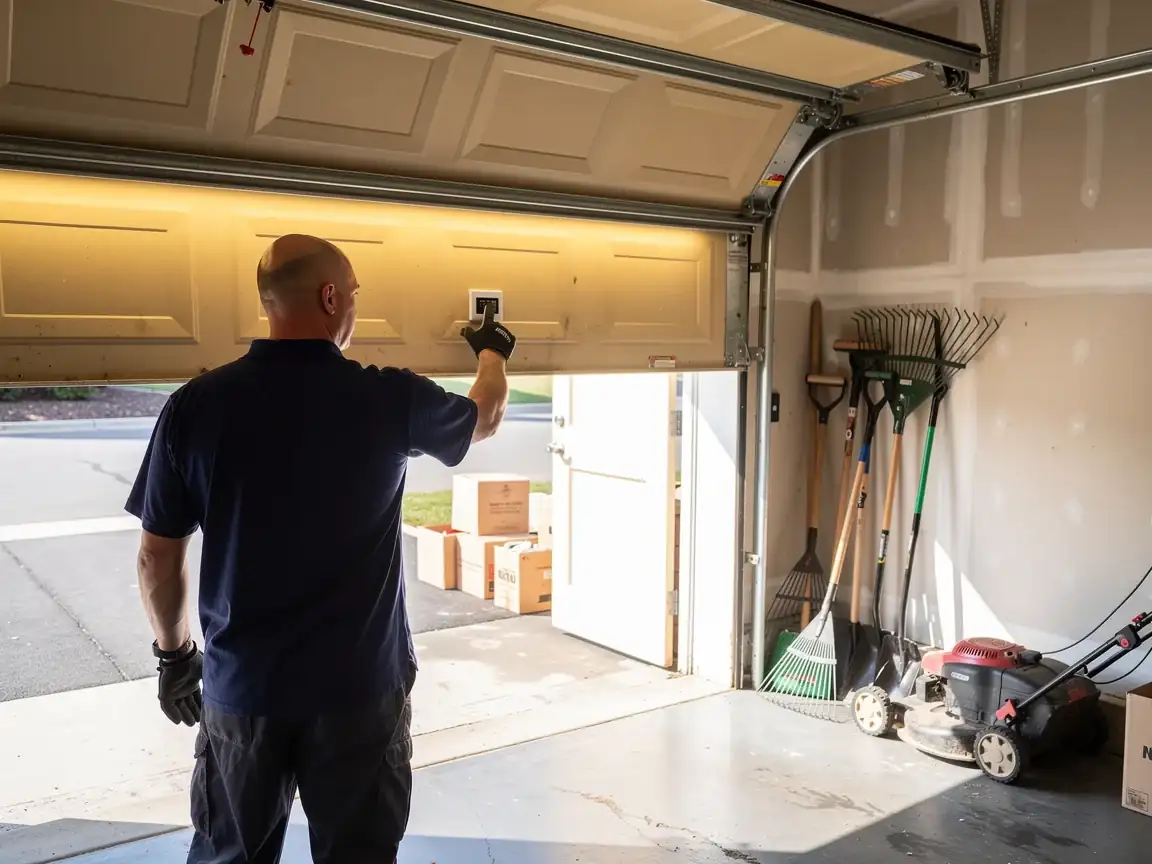
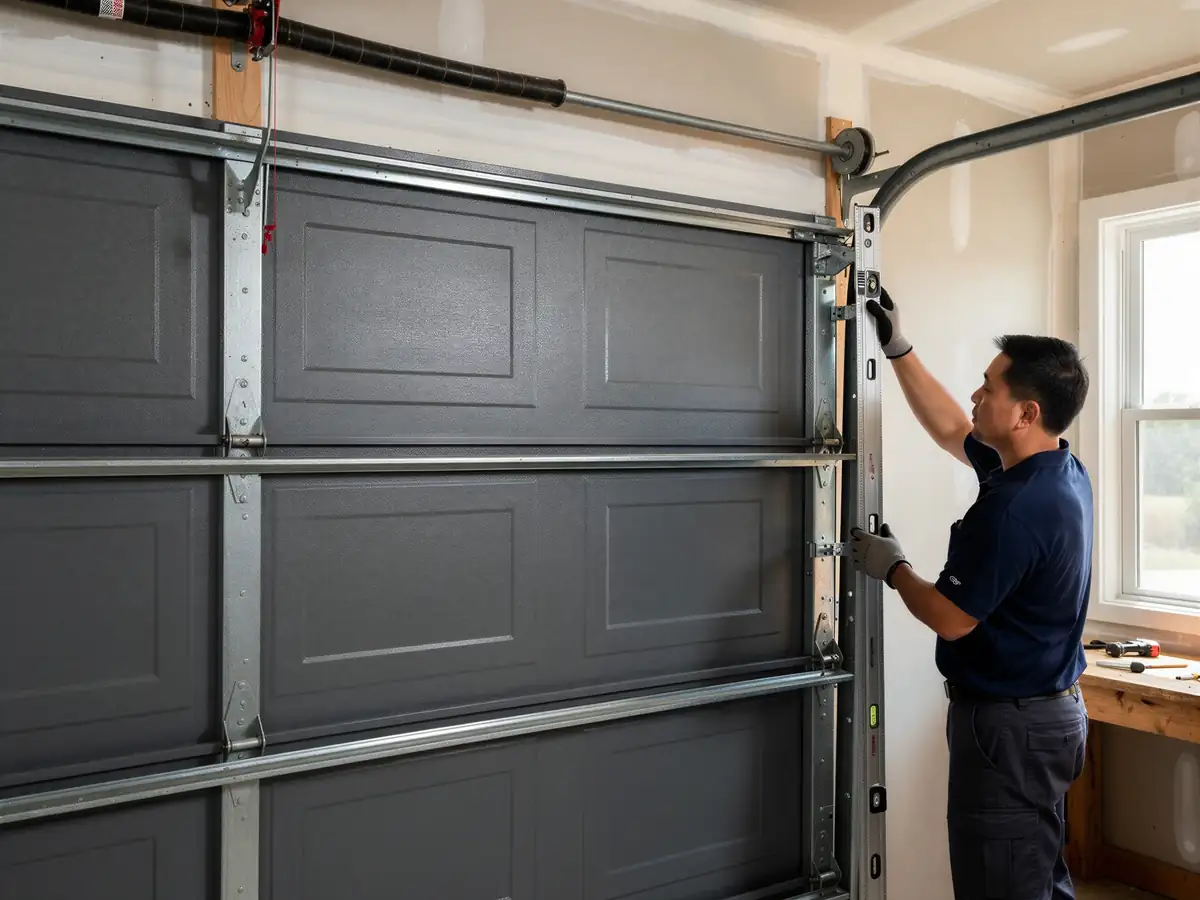
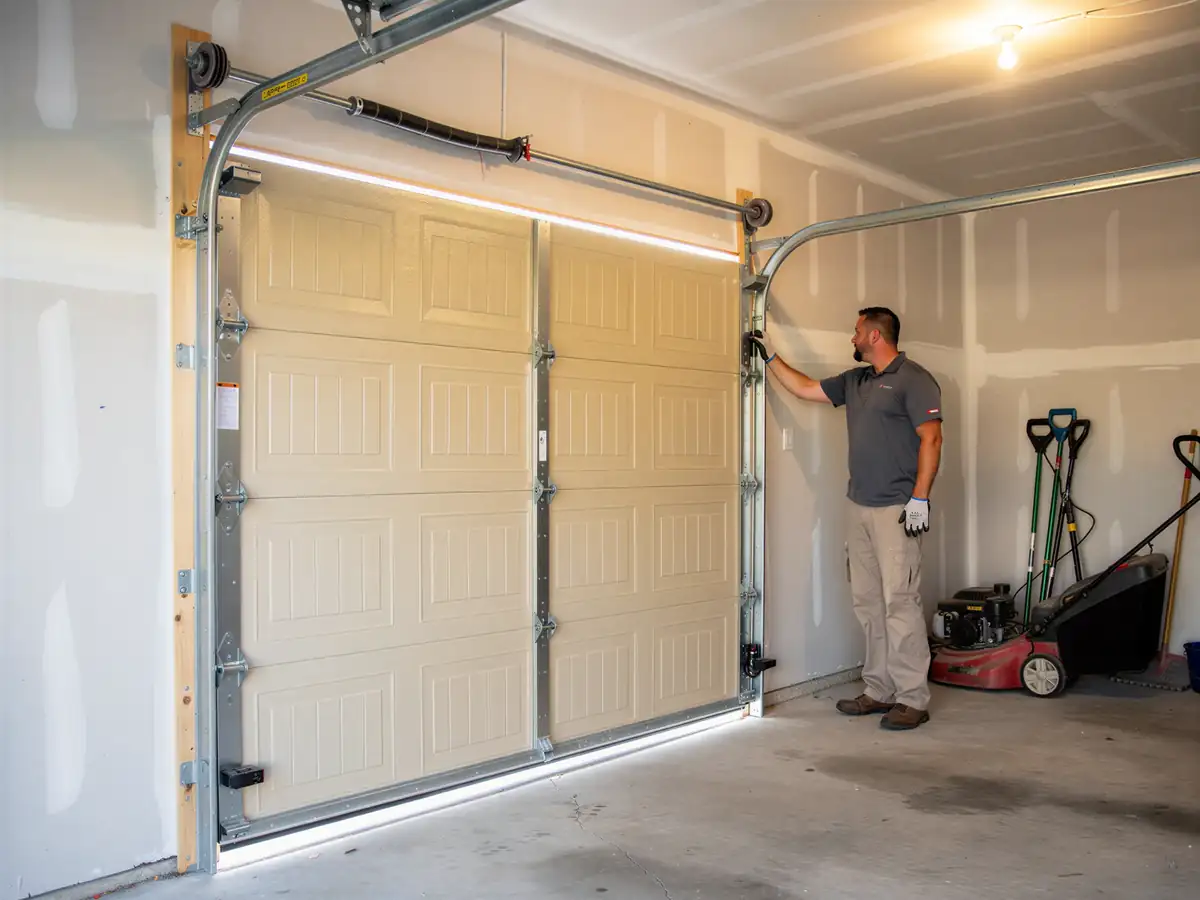
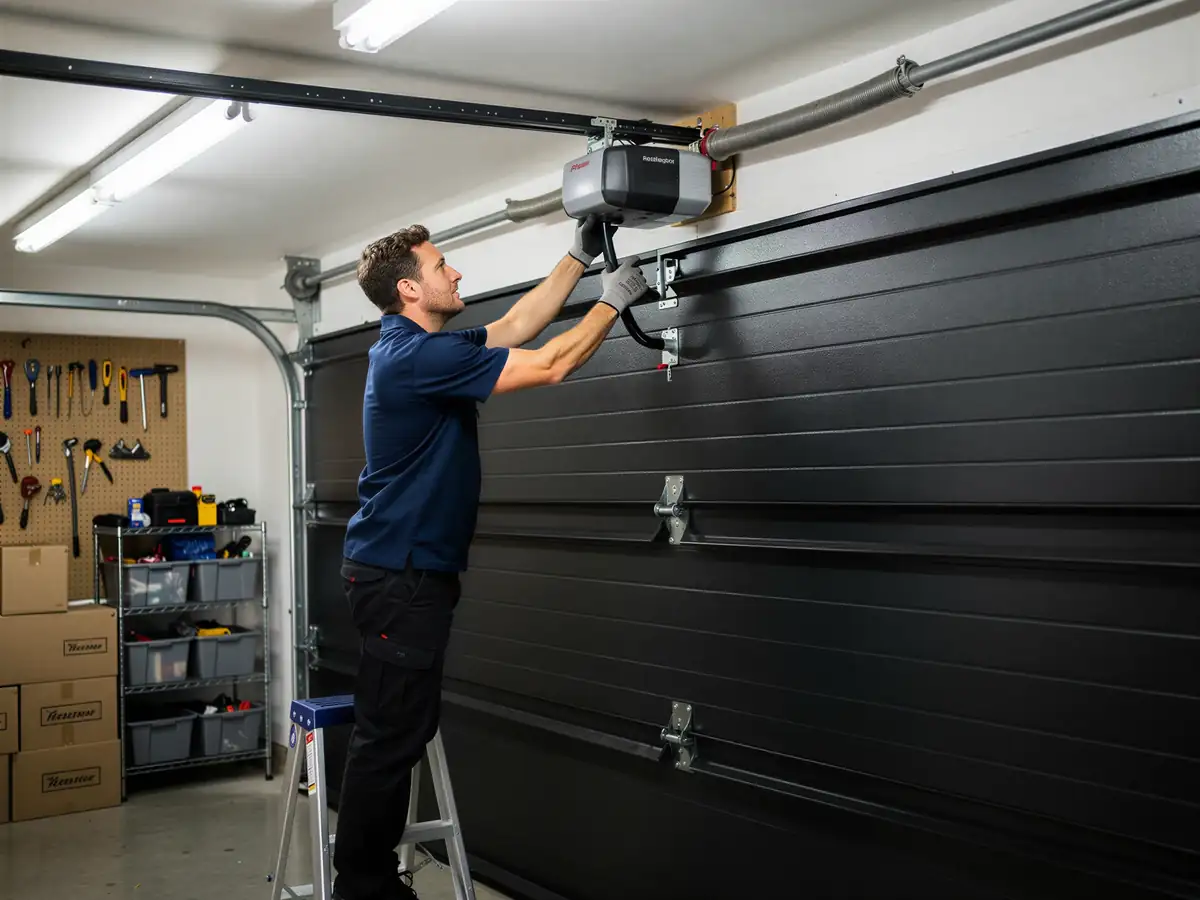
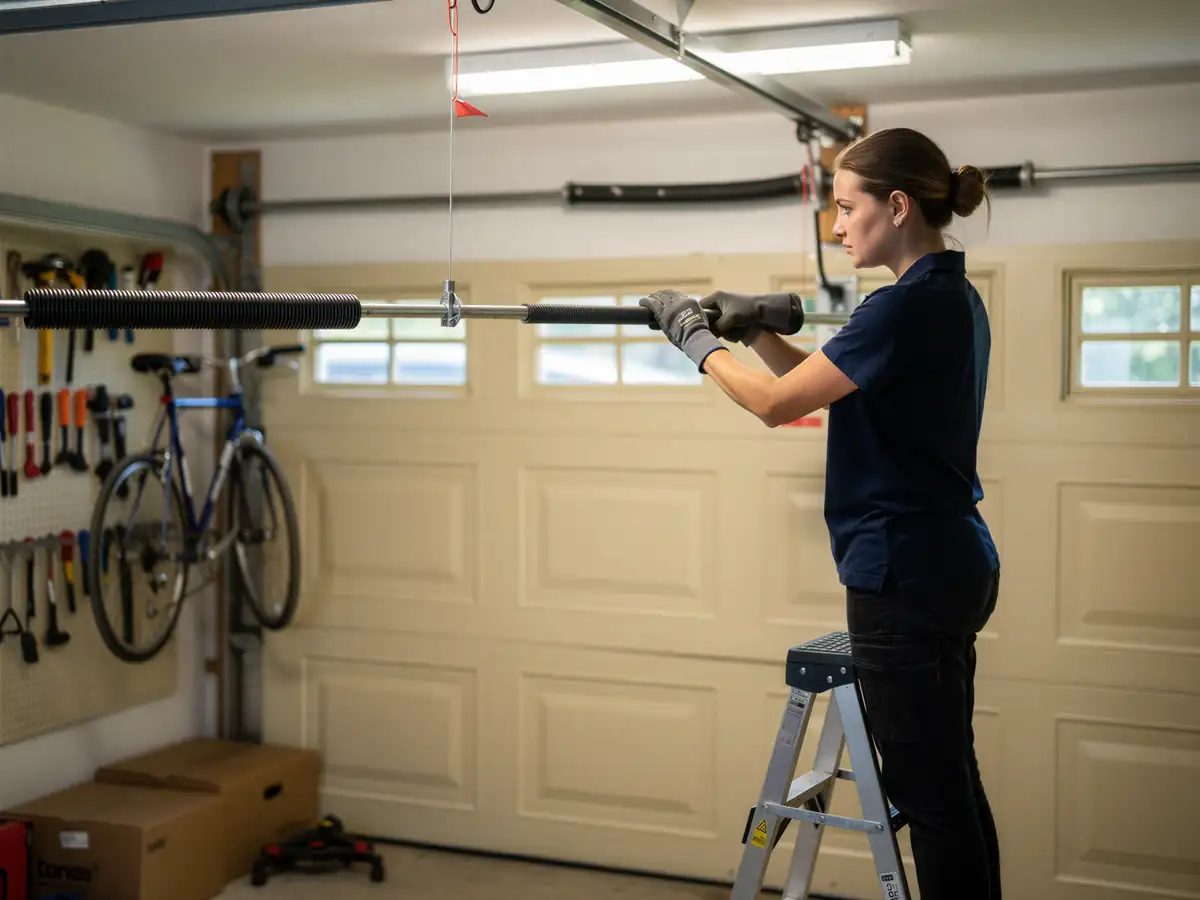
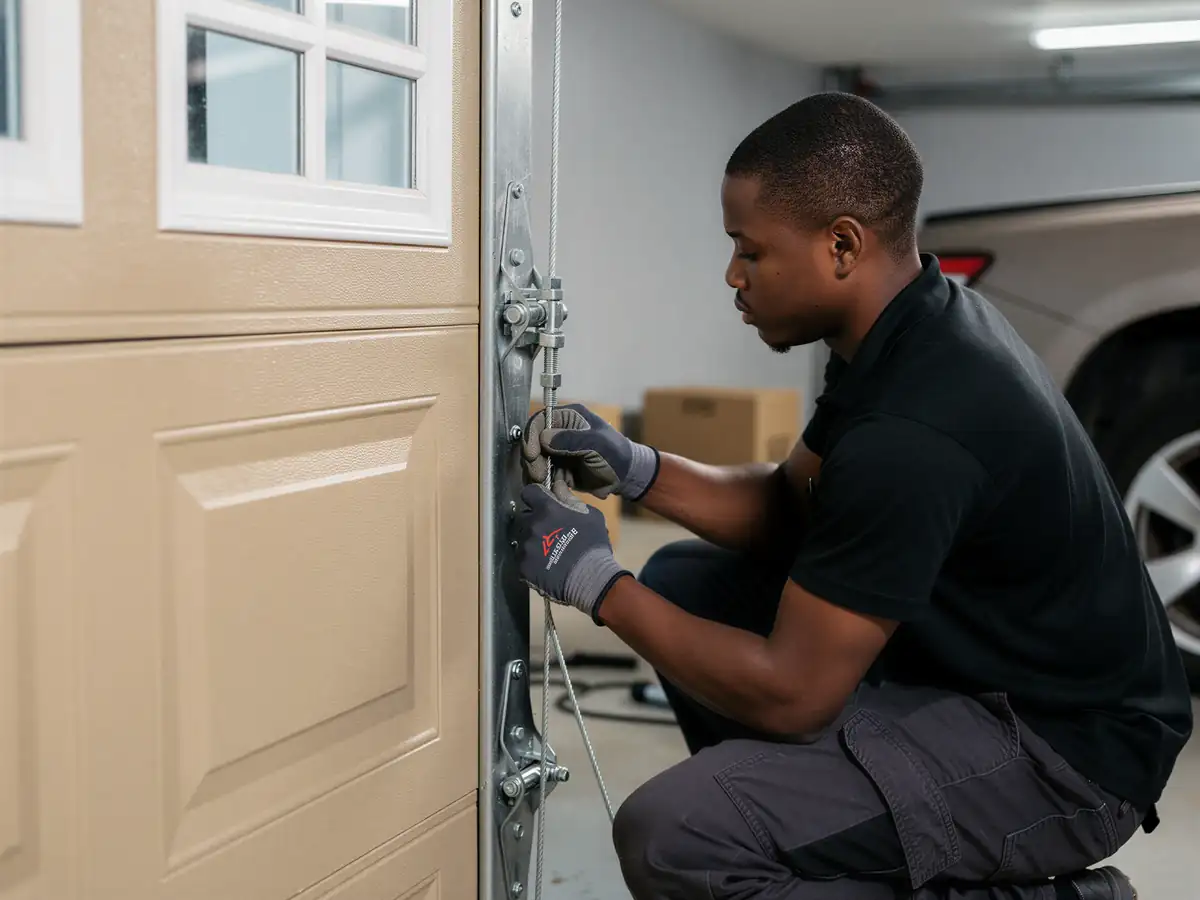
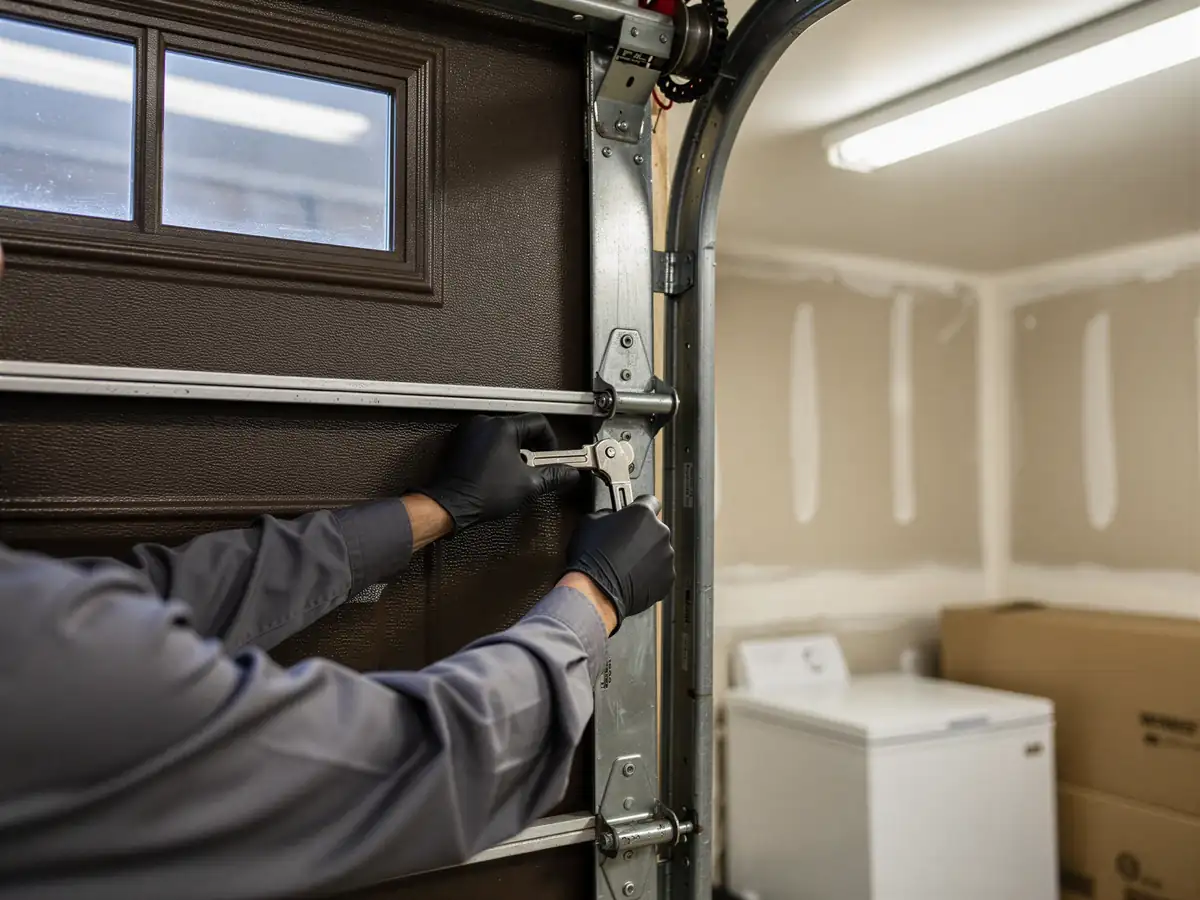
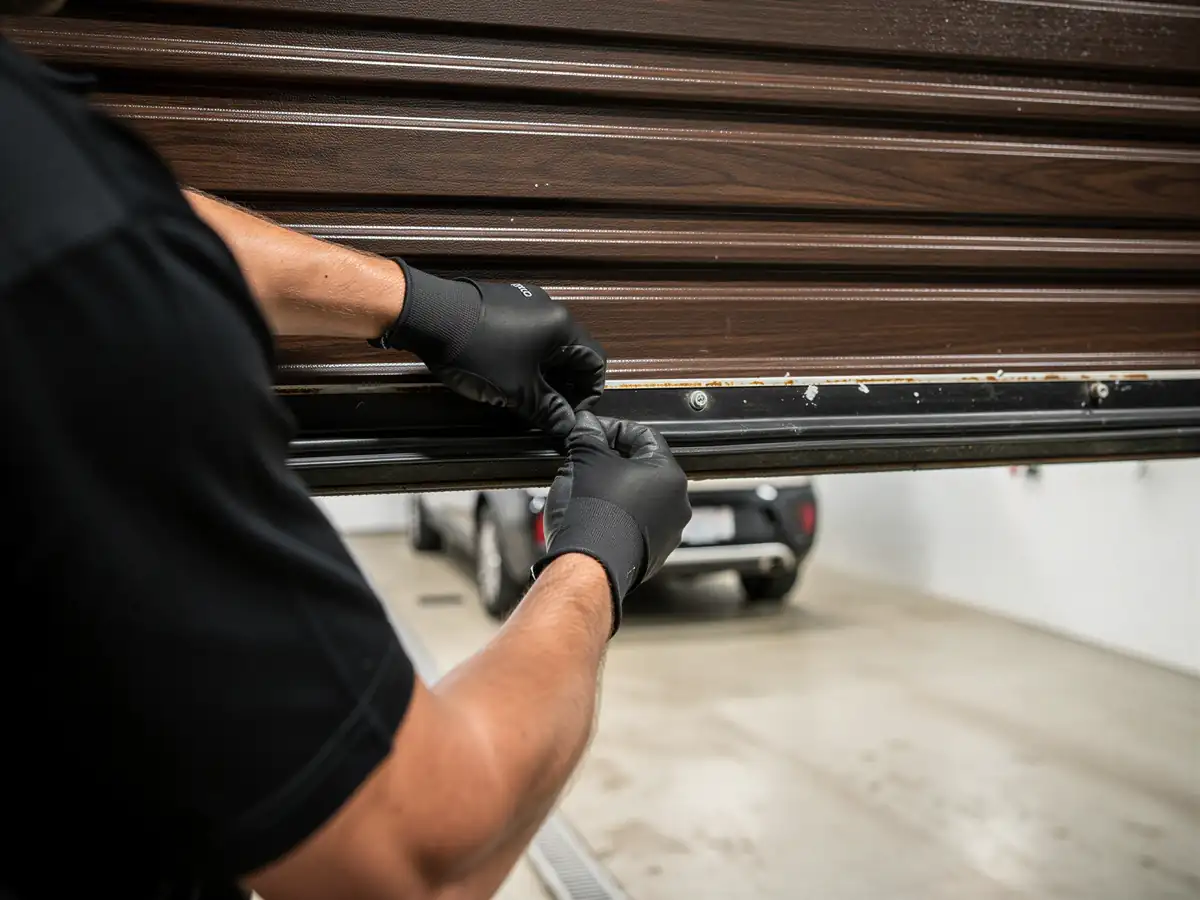
Most of the housing stock around Tomball went up between 1971 and 2002, with the median build year landing around 1988. That matters more than people think when a tech shows up for a service call. A door installed in 1988 is pushing 35+ years on its original hardware, and a lot of these homes across the ten named subdivisions in this service area never had a spring or cable swapped once. So a service call here isn't just "check the door." It starts with figuring out which era of hardware is on the wall: extension springs from the 80s builds, or torsion setups from the later-90s and early-2000s construction. Those two systems get serviced completely differently, and guessing wrong wastes the visit. We open the panel housing, check the winding cones, look at cable fray near the drum, and check whether the opener predates modern safety reversal standards. On a house built in 1988, odds are decent the opener itself is original or a first replacement, which changes what we quote before we even touch the springs.
What Local Conditions Do
Tomball sits in a moderate-heat climate band, which doesn't mean dramatic swings, but it does mean steady thermal cycling on steel and lubricant year-round. That's slower wear than a true extreme-heat zone, but it adds up over 30-plus years of an 1988-vintage door. Heat softens old grease on rollers and track, so a service call includes checking roller wear and whether the track lubricant has gummed or dried out - a common finding on doors that haven't been touched since installation. We also check weatherstripping at the base, since repeated heat cycling cracks vinyl seals faster than cold does. None of this is dramatic damage. It's slow, cumulative wear that shows up as noise, slight misalignment, or a door that's started catching partway up. A service call in this climate band is mostly about catching that slow creep before a cable or spring actually lets go.
Where People Go Wrong
The most common mistake we see on these calls is someone replacing just the part that failed - usually a cable or a roller - without checking the rest of a system that's the same age. If your door was installed when the house was built sometime in the 1971-2002 window, every component on it is roughly the same age. Fixing one part and leaving a same-vintage spring untouched just means the next failure is weeks away, not years. The other mistake is assuming a noisy door needs a new opener when it's actually worn rollers or an unbalanced spring making the opener work harder than it should. We check spring balance by hand before we ever recommend opener work. One honest limit here: if your door and opener are both original to a 1980s build, we'll tell you straight when patching isn't worth it versus replacing the unit - parts for some of that older hardware just aren't stocked anymore, and we're not going to pretend otherwise to sell a repair.
Season by Season
In a moderate-heat band like this one, the service rhythm isn't about freeze-thaw damage - it's about tracking slow heat-driven wear across the year. Spring and fall are when we see the most lubrication and balance calls, because temperature swings between seasons reveal play in hardware that was fine when everything was one consistent temperature. Summer brings more cable and spring tension checks, since metal expands and a system that's slightly out of balance tends to show it under sustained heat. We don't see the ice-related failures that colder climates deal with, but we do see consistent, gradual fatigue in doors from the 1971-2002 construction wave that are now decades past their install date. A service call timed around a season change catches more of that early than one called in only after something breaks.
How it works
From “it’s stuck” to “it’s fixed”
01
Tell us what’s wrong
Describe the symptom - won’t open, loud bang, opener runs but the door won’t move.
02
On-site diagnosis
A technician tests the door under power and by hand and finds what actually failed.
03
Clear, up-front plan
You get the fix that’s needed and what drives the cost - before any work starts.
04
Repaired & tested
The repair is done, the door is set true and tested, and the work area left clean.
Not sure which repair your door needs in Tomball, TX? Describe what it’s doing - every job starts with a diagnosis.
How old is a typical garage door in the Tomball area?
Most homes in this service area were built between 1971 and 2002, with the median landing around 1988. That means a lot of original doors and openers are now 25 to 50 years old, which is well past the design life of springs and cables even if they've never visibly failed.
Does Tomball's climate affect how often a door needs service?
Tomball sits in a moderate-heat climate band. It's not extreme, but steady heat cycling dries out lubricant and cracks seals faster than you'd expect, especially on doors installed decades ago. We check rollers, track lube, and weatherstripping on every call for that reason.
What towns around Tomball do you service?
We cover the surrounding area including Stagecoach, Pinehurst, Magnolia, and Shenandoah, among other nearby communities.
Is it ever not worth repairing an old door?
Sometimes. If a door and opener are both original to an 1980s or early-90s build and multiple systems are failing at once, replacement usually costs less over time than chasing parts for hardware that's not widely stocked anymore. We'll tell you when that's the case instead of patching it repeatedly.
Ready to get your garage door sorted?
Tell us what it’s doing and where you are in Tomball - we’ll take it from there.