How We Get to You
Magnolia sits about 11 miles out from our Tomball base
Which puts it on the farther edge of the territory we run trucks through. We don't keep a crew stationed in Magnolia itself - every job here is a drive from Tomball, same as the rest of the towns we cover. That means we schedule Magnolia calls in blocks where it makes sense, rather than promising a same-hour arrival we can't back up. If you need a door looked at today, say so when you call and we'll tell you honestly where you fall in the day's route rather than guessing.
- 11 miles
The drive doesn't change what we bring or how we work once we're there
It just means Magnolia jobs get planned rather than walked into cold. Worth knowing up front if you're comparing us to an outfit that's actually based closer.
How That Shows Up in the Door
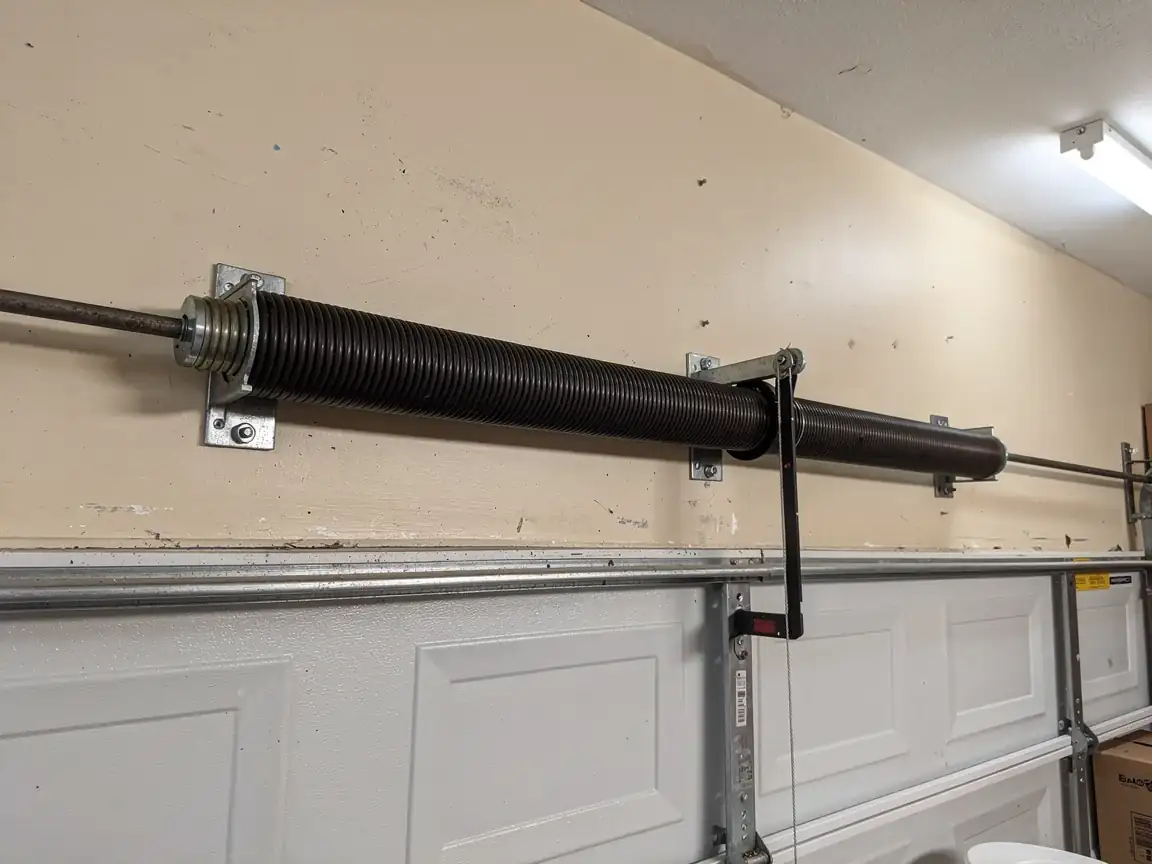
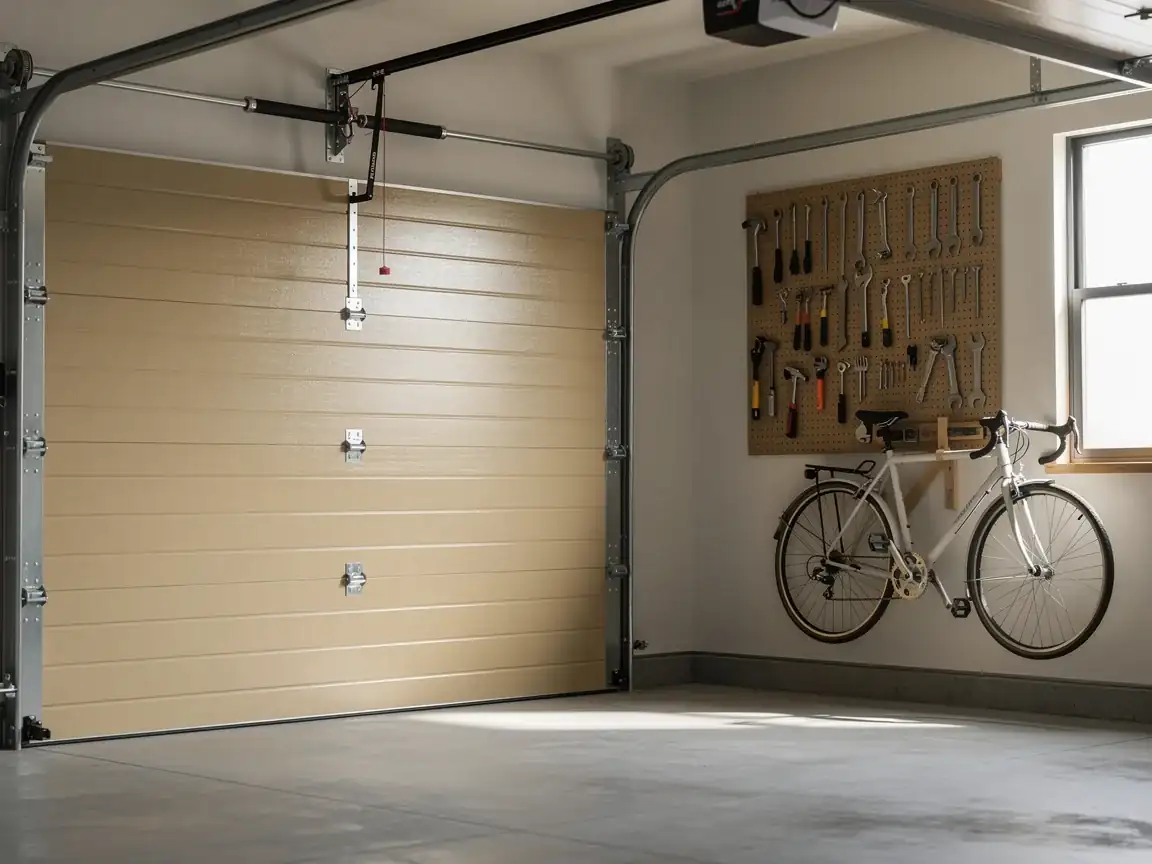
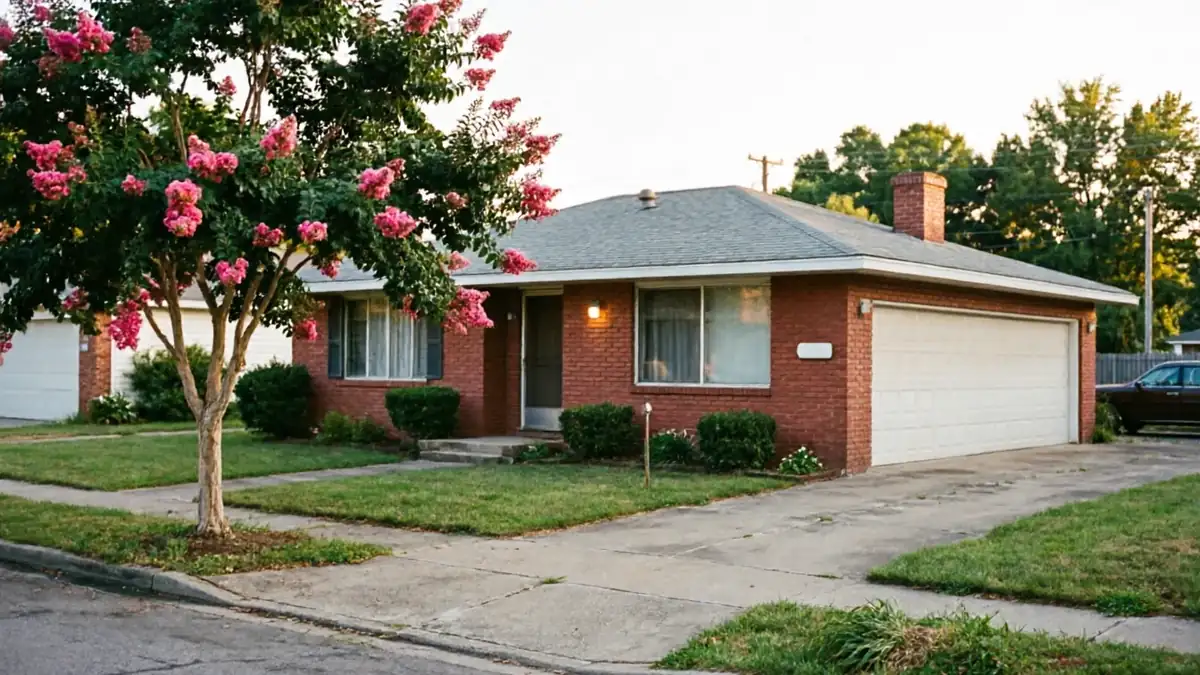
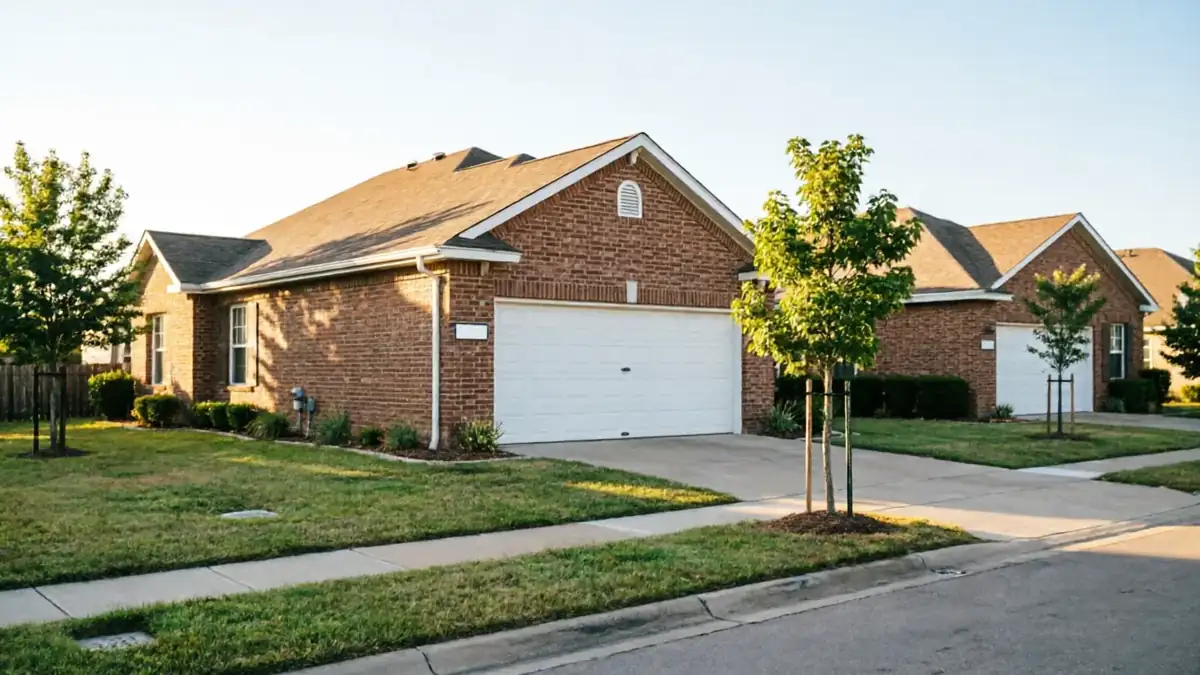
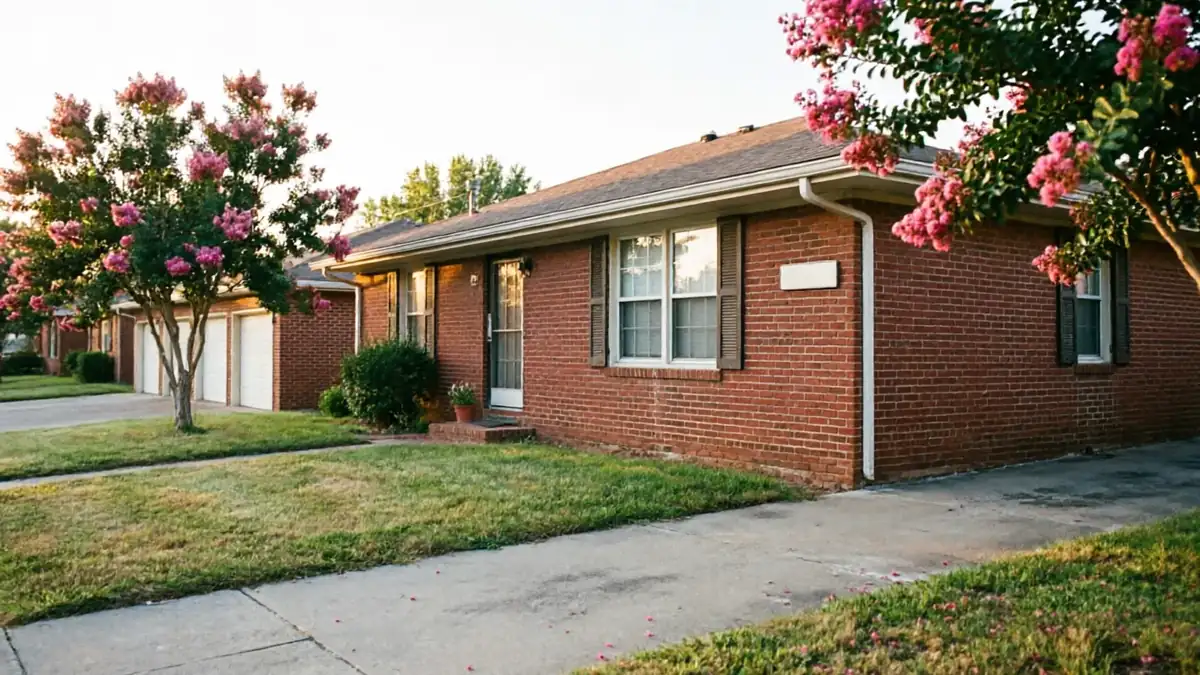
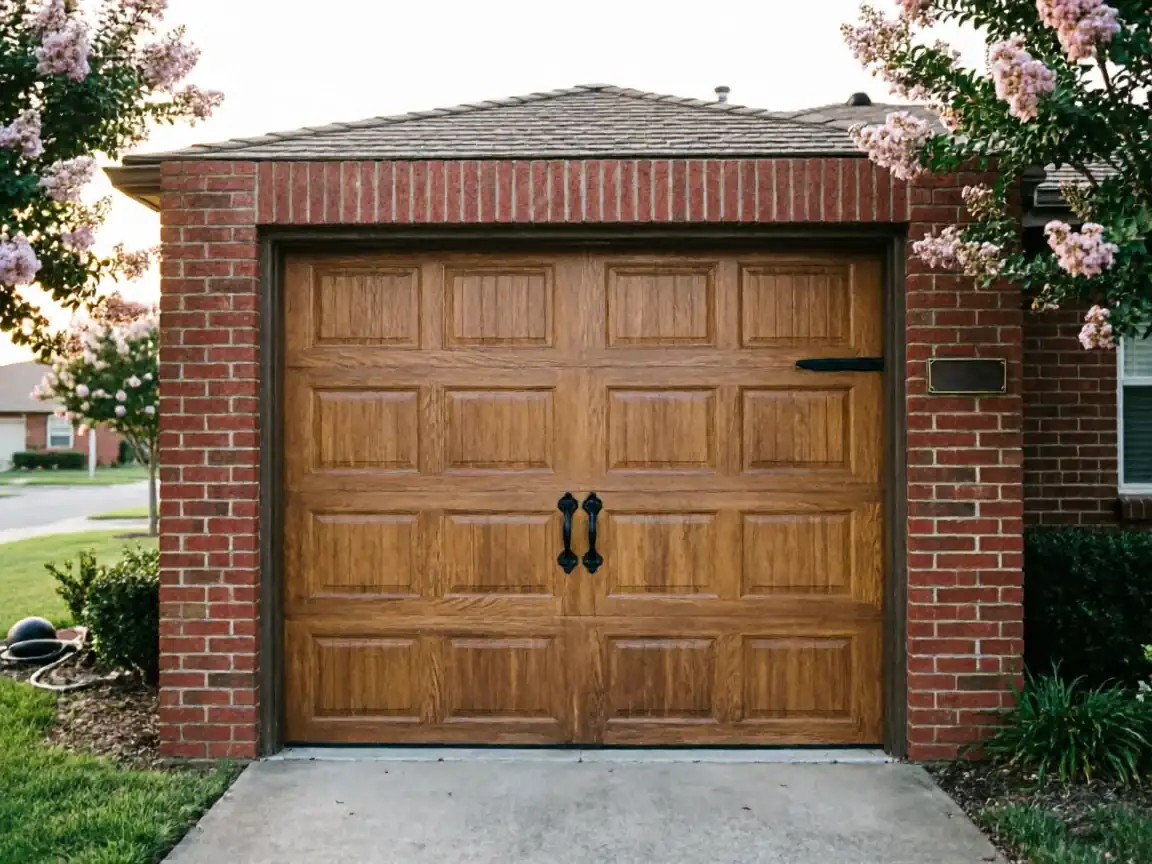
The median home in our broader coverage area was built around 1988, but Magnolia runs newer - the typical house here went up closer to 2002. That's a real gap, and it matters for what breaks and how. A 2002-era door is almost always on a factory-set extension or torsion system with a chain or belt-drive opener already wired for a modern photo-eye safety sensor, not the bare pressure-reversal setups common on older stock elsewhere in our territory.
What we actually see fail on these newer Magnolia doors: worn nylon rollers, opener drive gears stripped from age rather than abuse, and circuit boards on original openers finally giving out after two decades of Houston-area heat cycles. We see far fewer of the mismatched-hardware repairs - springs sized wrong for the door, brackets from three different eras - that show up constantly on the pre-1980s doors elsewhere in the coverage area. Magnolia's housing is young enough that most of what's on the door is still the original build, just tired.
The Houses Here
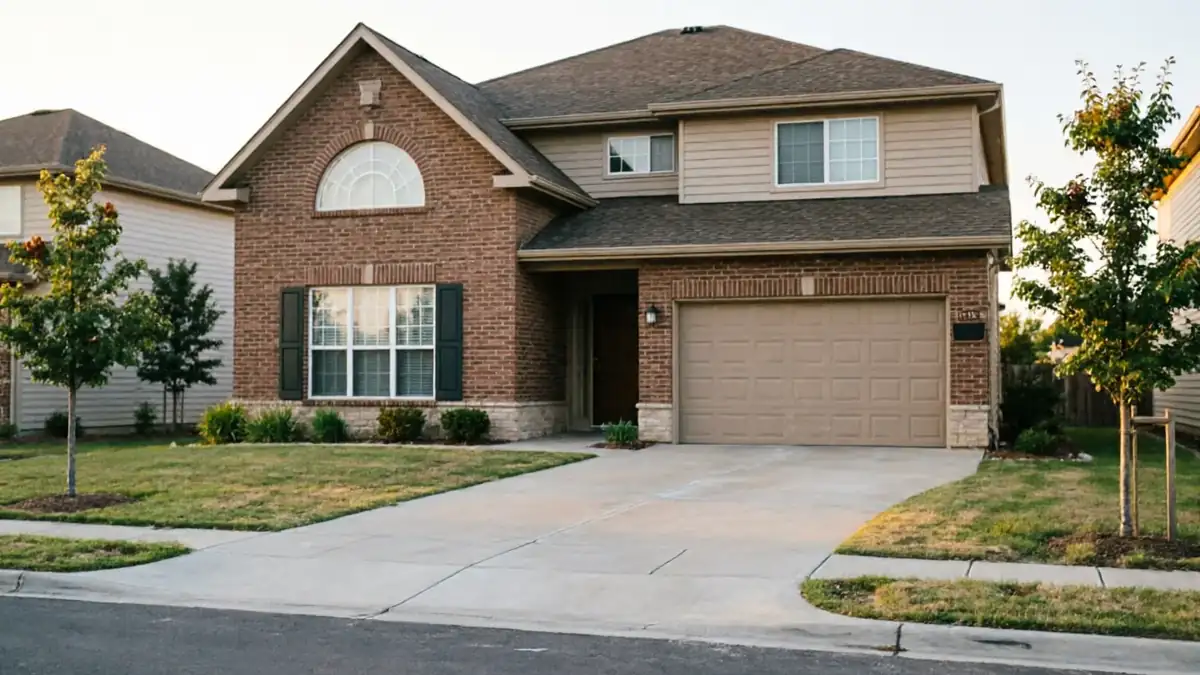
Magnolia has roughly 1,313 households, smaller than the service area's broader footprint of nearly 15,000. Median household income here runs about $70,516, somewhat below the wider area's $78,938 figure. That gap doesn't change what a spring or opener costs, but it's part of why we don't push full door replacements on a house where the opener board dying is a $200-$300 fix, not a reason to swap the whole unit.
Our climate band here is moderate heat, same as the rest of the territory - nothing extreme enough to force exotic hardware choices, but enough that steel components see real thermal cycling year-round, which is part of what ages rollers and lubrication on any door regardless of build year.
The Split Between Old and New
Across the full coverage area the housing stock runs from 1971 to 2002
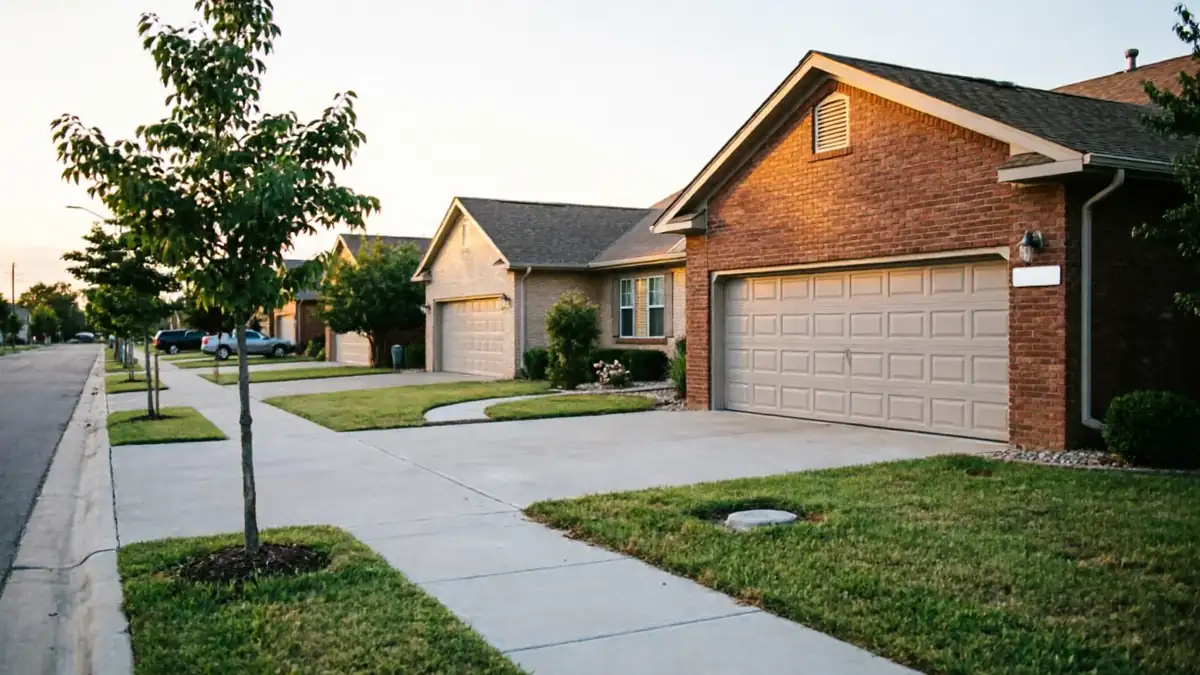
With a lot of 1980s and 90s construction mixed in. Magnolia sits at the newer end of that range - its median build year matches the upper bound of the whole area rather than the middle. That puts Magnolia in a different repair category than towns built out mostly in the 70s and 80s: less parts-sourcing trouble, since 2000s-era opener models and standard torsion spring sizes are still widely stocked, versus the obsolete reversal units and odd spring windings we sometimes hunt down elsewhere.
One honest limit: if a Magnolia door was custom-sized or came with a specialty insulated panel from a builder package around 2002
Matching that exact panel can still mean a parts wait, since not every manufacturer kept that line running. In that case we'll tell you replacement is often faster and cheaper than chasing a discontinued panel.