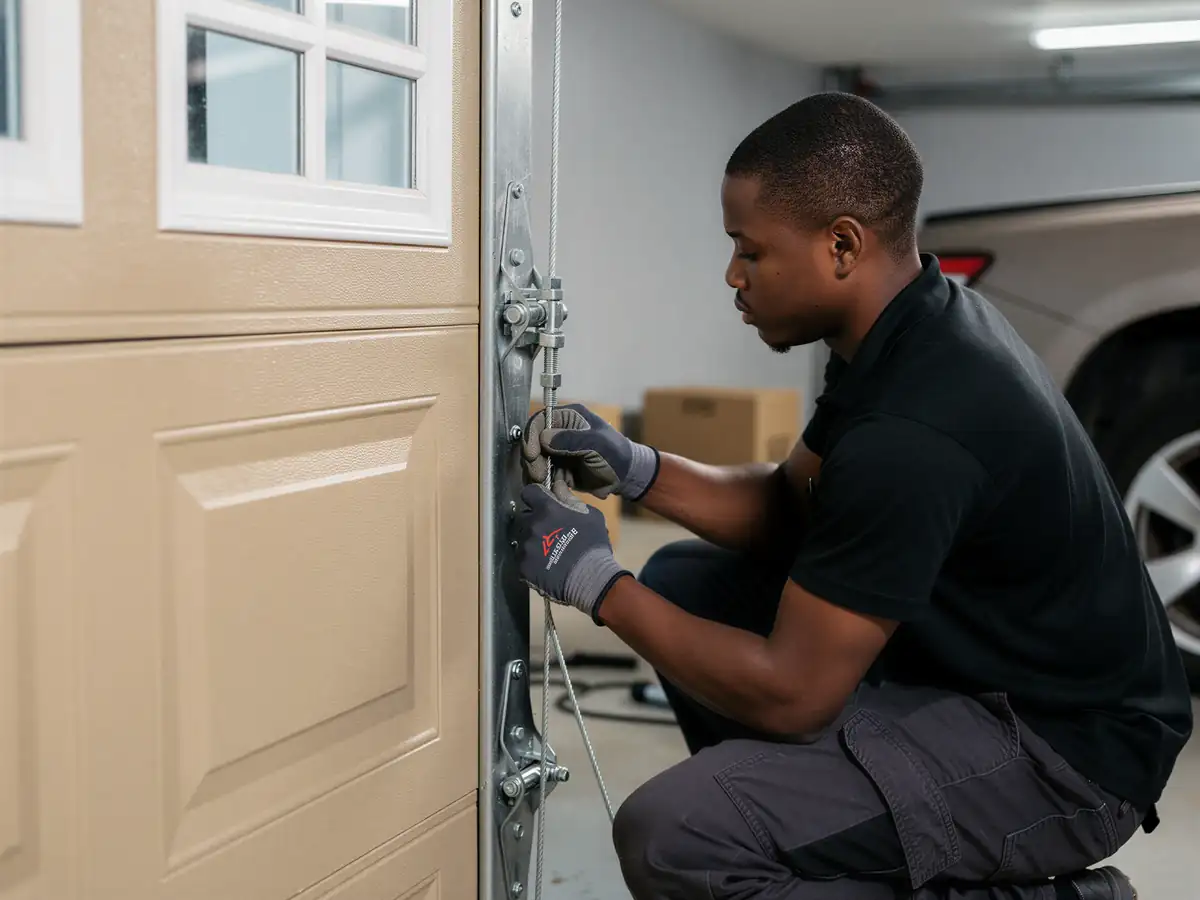
Where This Job Goes Sideways
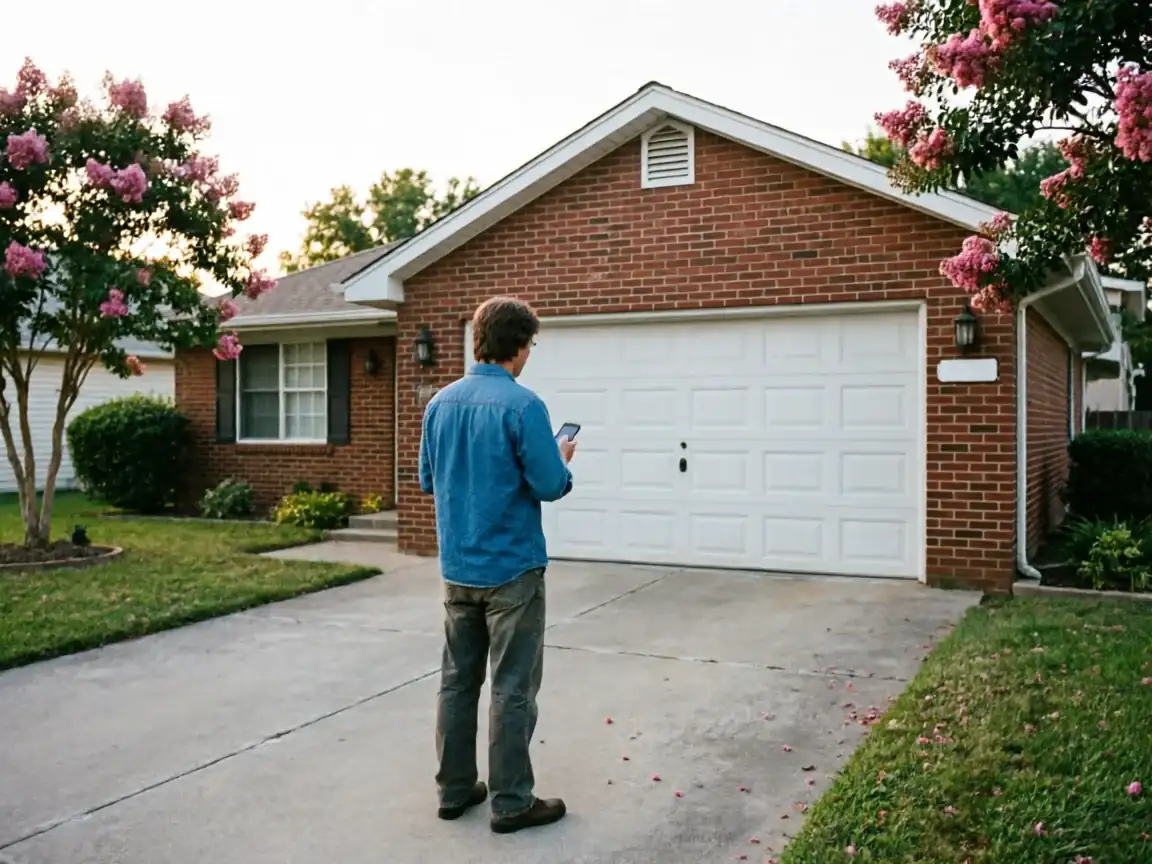
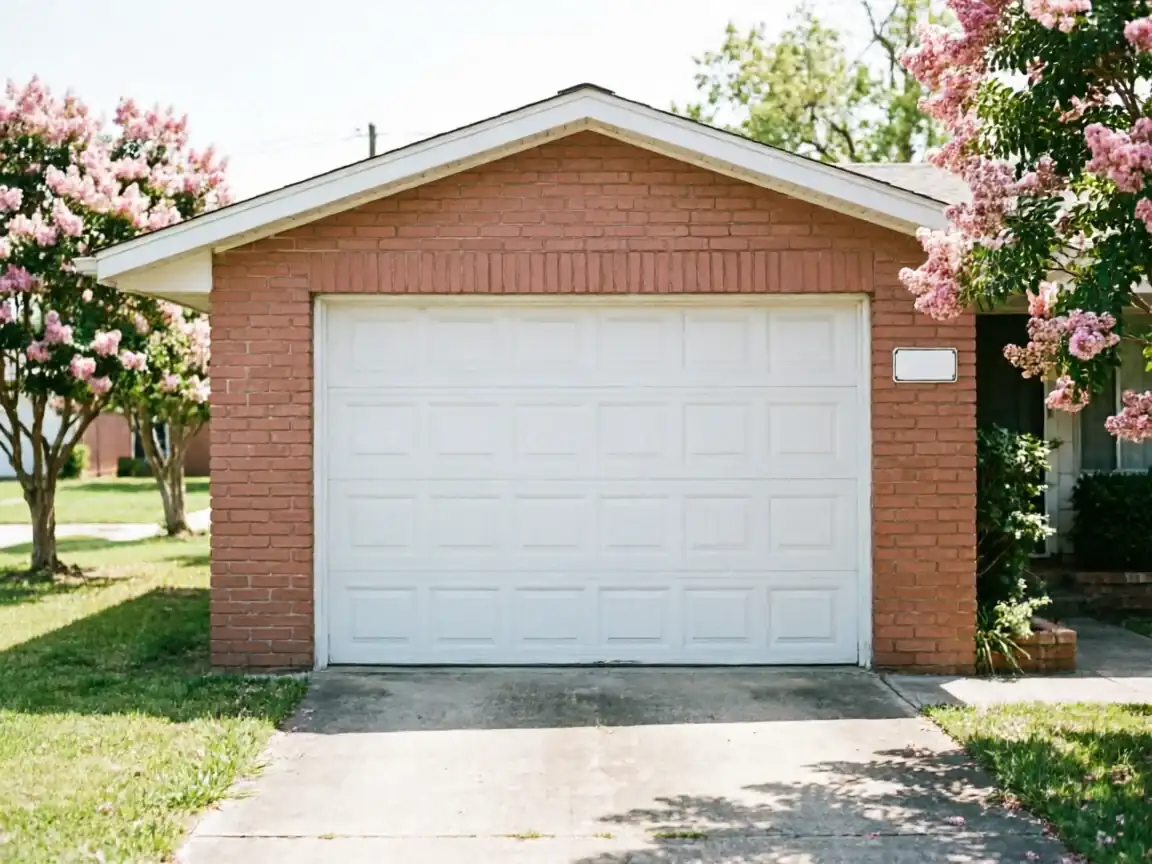
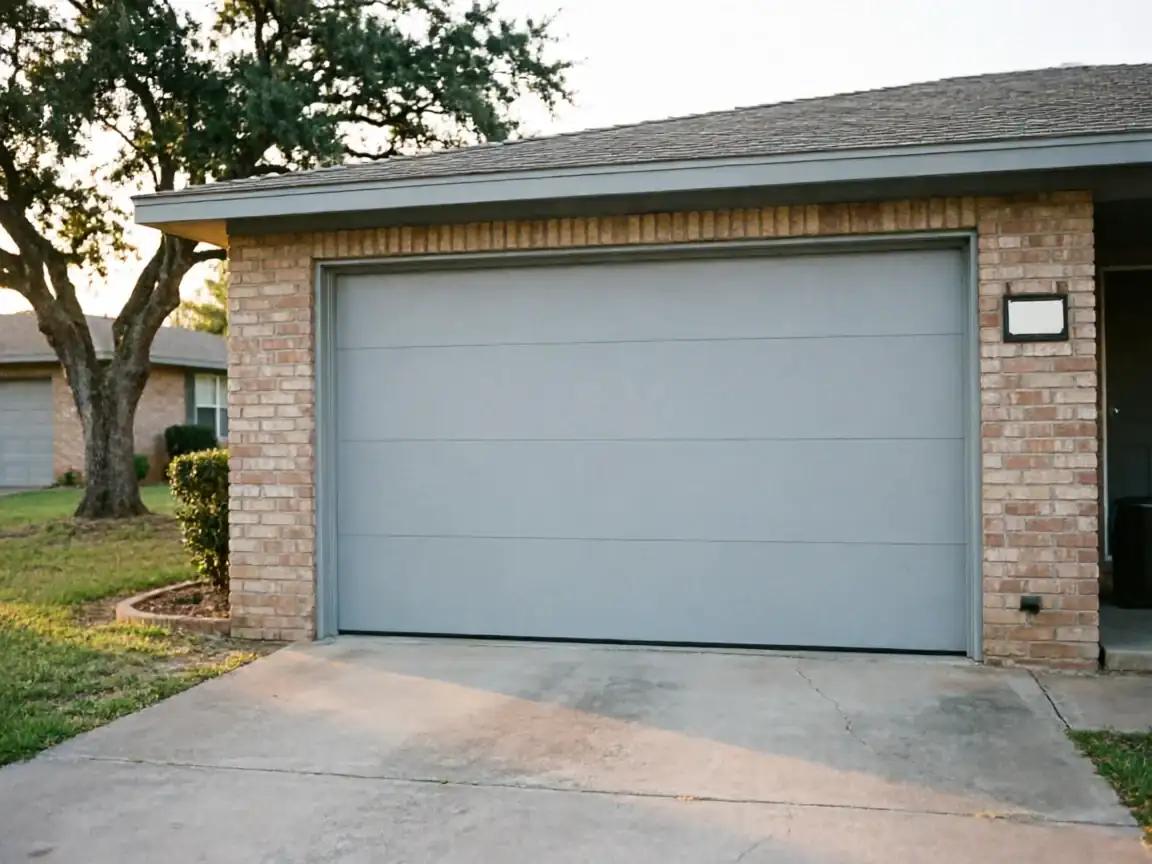
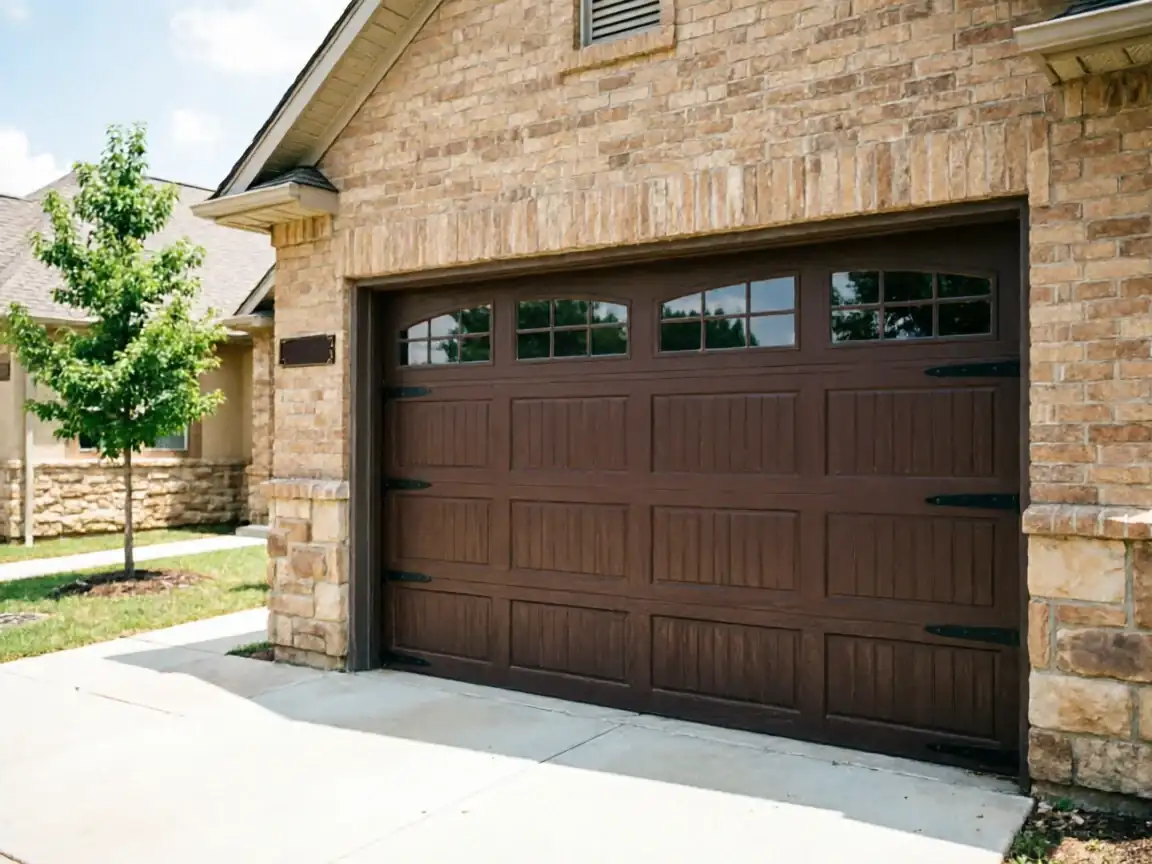
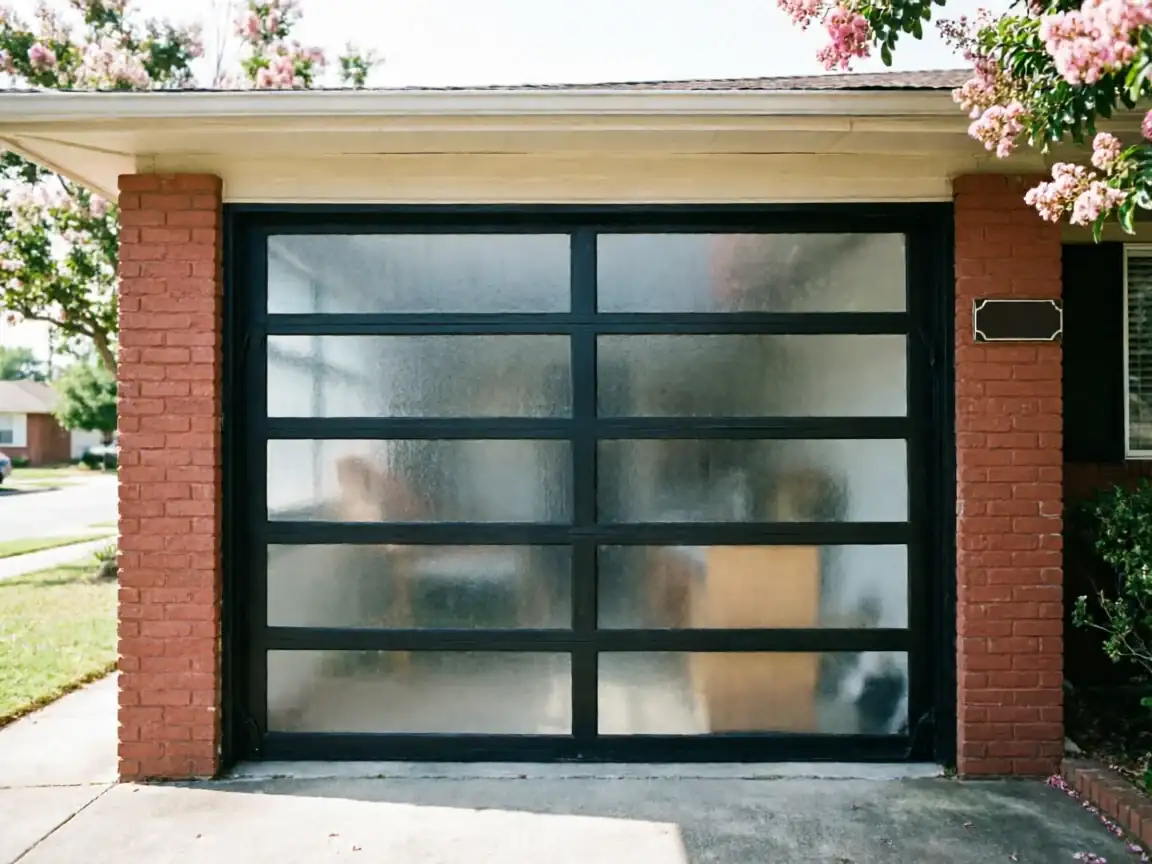
Most houses in Oak Ridge North went up around 1977
Which puts a lot of original or first-replacement hardware on these doors. Cable setups from that era usually ran galvanized aircraft cable on steel drums, sized for the lighter doors that were standard at the time. Decades of sun and humidity work on that wire even when nobody touches the door, so the strands fray from the inside out and you don't see it until one lets go.
The sideways part is this
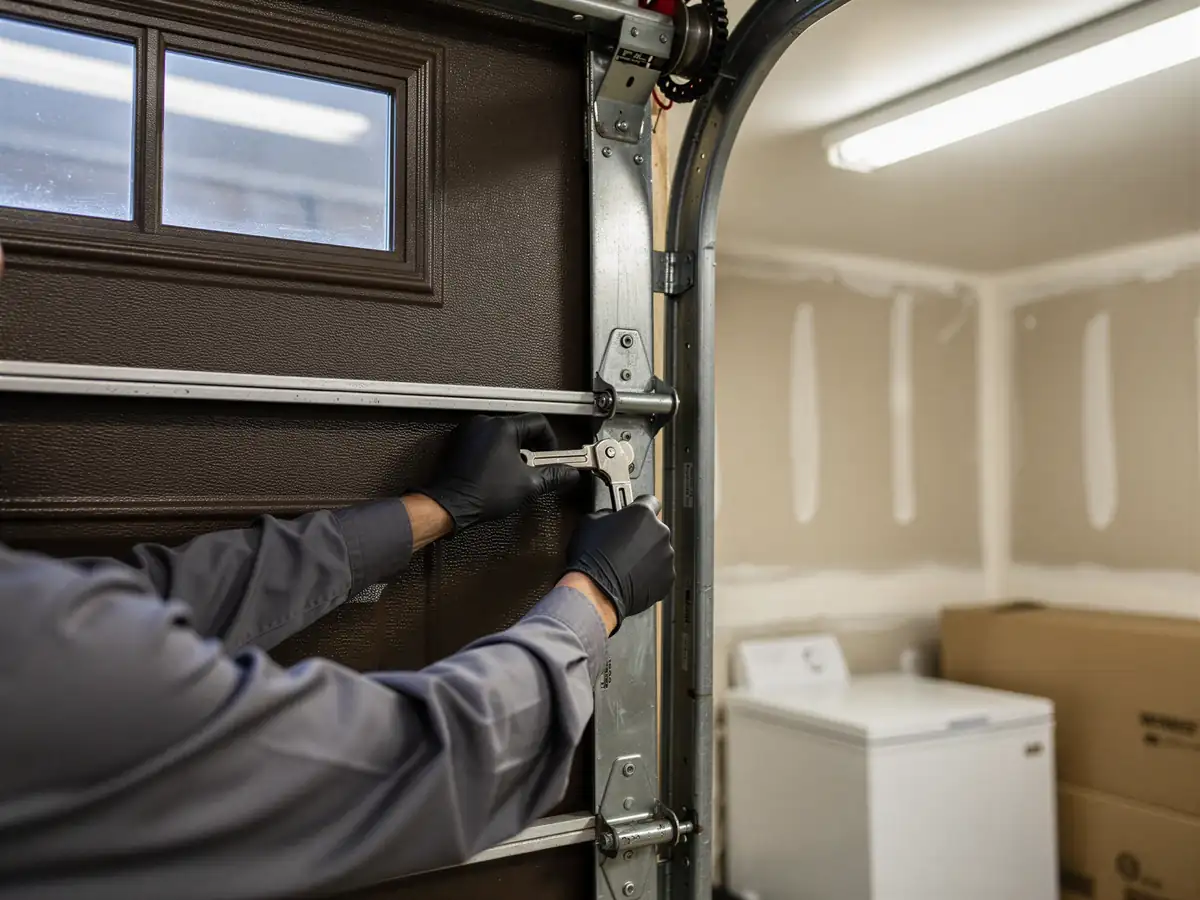
On a lot of these older doors, the bottom brackets were never meant to be unbolted by anyone without the right clamps. We've seen homeowners try to swap a cable themselves, pull the wrong bolt, and have the whole spring system let go while their hand is still on it. That's not a scare tactic, it's just how the brackets on doors from this build era are set up. If a cable has already snapped, the door is not safe to touch until someone with the right tools gets a vise grip or clamp on the track.
We're coming from Tomball, about 11 miles out
So we're not doing a drive-by glance - we bring the clamps and the matched cable on the first trip.
- 11 miles
How Long It Takes
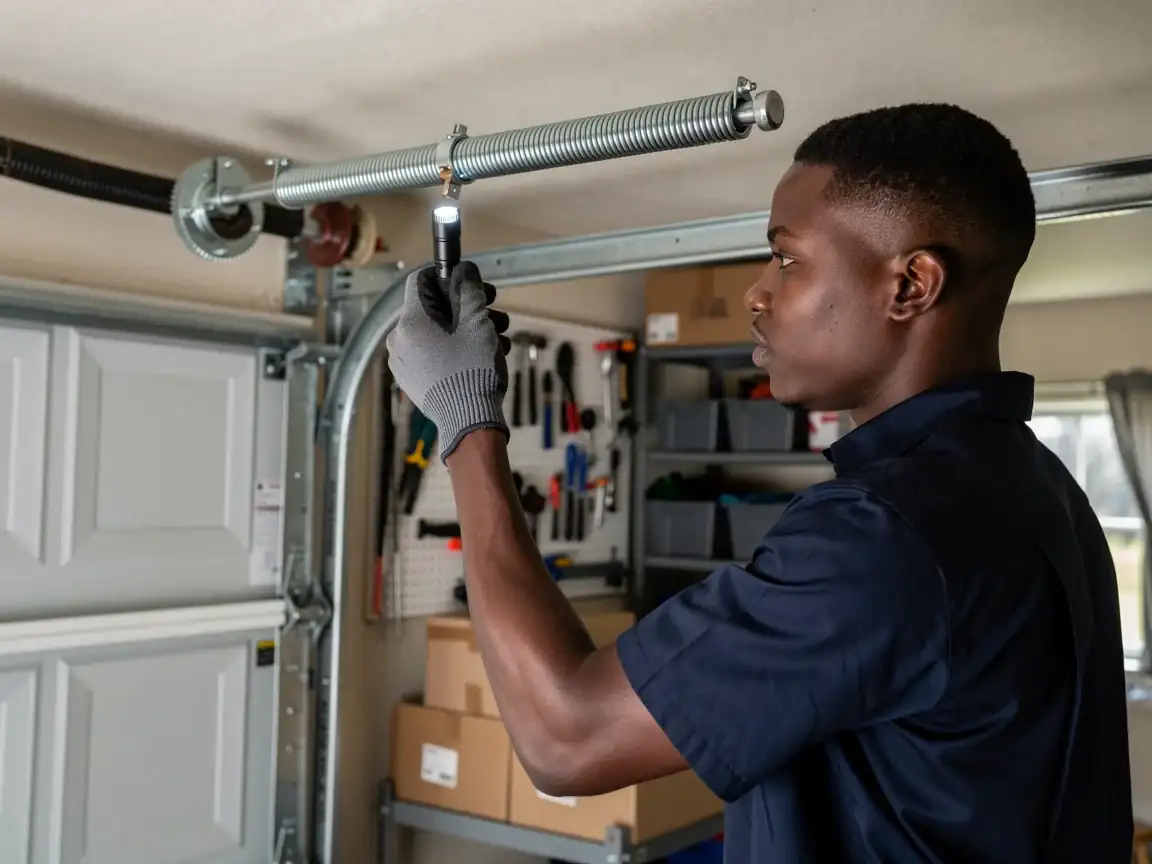
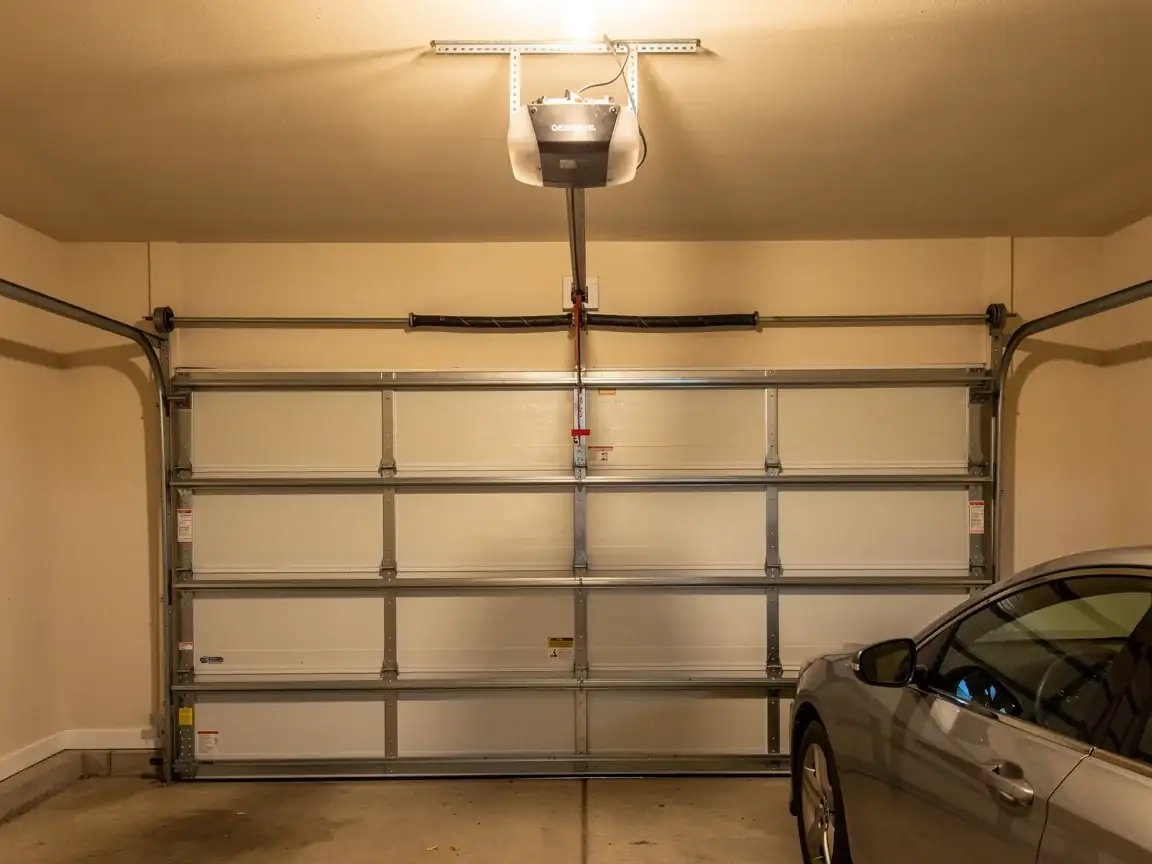
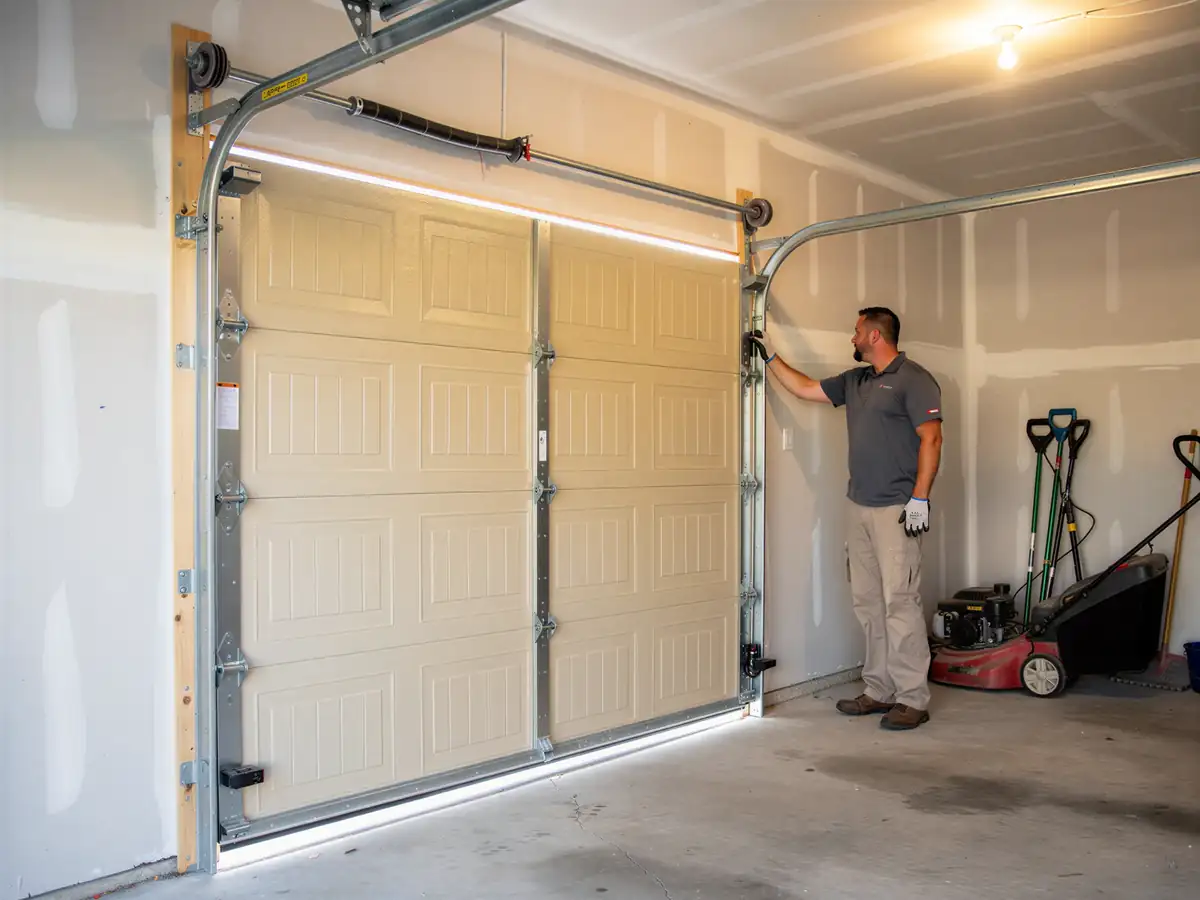
A single snapped cable on a torsion setup, the kind common on these 1977-era doors, is usually a same-visit fix once we're on site - clamp the door, unwind the spring tension safely, pull the old cable off the drum, and run new cable sized to match the drum groove. What slows it down is when the cable snapped because the drum itself cracked, which happens more often on doors that have never had the cable replaced in close to fifty years of service.
We won't promise a number of minutes before we've looked at the drum and the bottom bracket, because on a door this old those parts can surprise you. What we can say is that we carry the stock to handle the straightforward case on the truck, so most jobs don't turn into a second trip.
What Is on the Truck
For a neighborhood built mostly in the late 1970s, the cable sizing and drum pitch tend to run a specific range, so we stock replacement aircraft cable in the gauges that match torsion drums from that era, not just the sizes common on newer doors. We also carry extension-spring cable kits, since some of these original doors were never converted to torsion hardware and still run the older extension setup with safety cables.
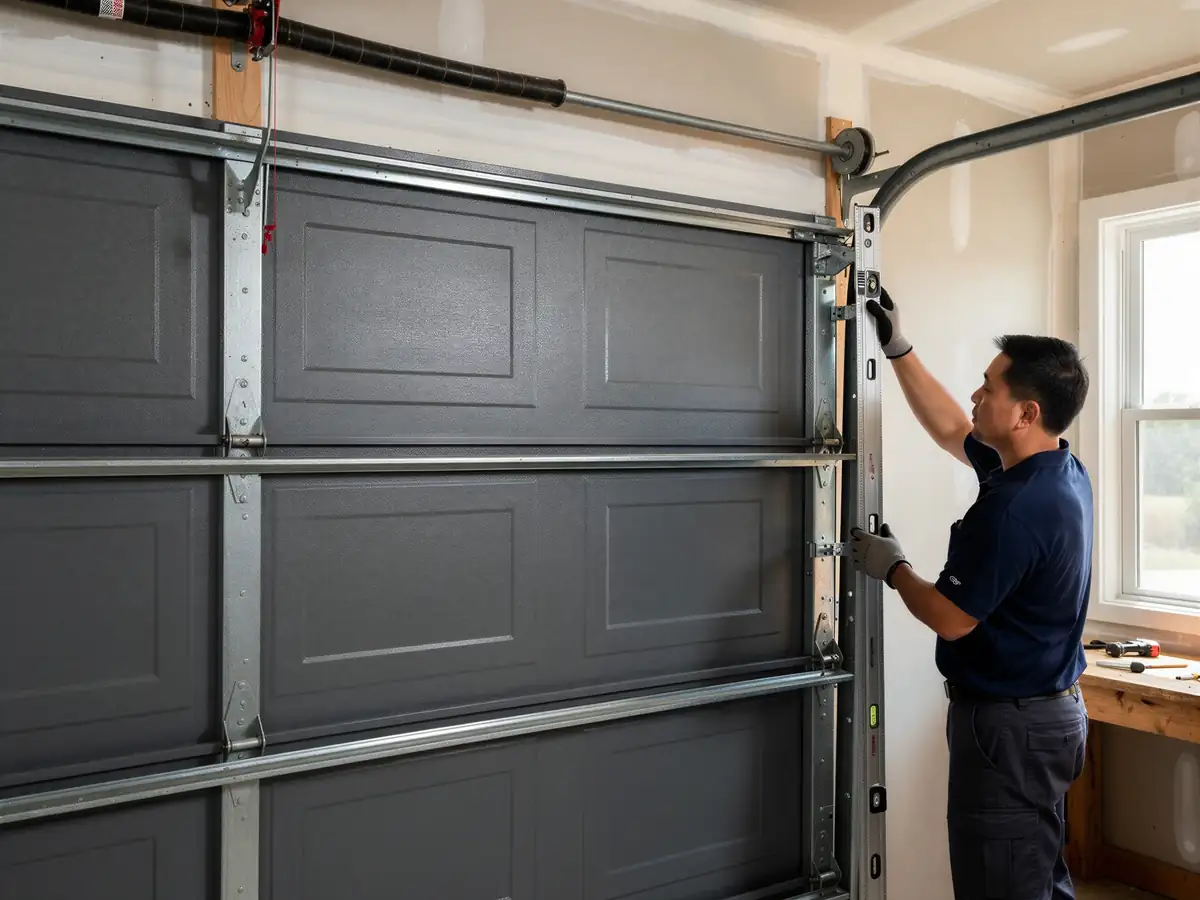
Along with cable, the truck carries vise grips and C-clamps sized for steel track, cable drums in a few common bore sizes, and the sockets and winding bars needed to get spring tension off the door safely before anyone touches the cable. What we don't carry is custom-width track or odd drum sizes for doors that were heavily modified over the years - if a door's been retrofitted outside the standard, that can mean a special-order part and a second trip.
The Symptom
The giveaway on a going-bad cable is usually a door that sits crooked in the opening
One side higher than the other - or a loud bang followed by the door refusing to move at all. On the older torsion setups common here, you'll sometimes see the cable has slipped off the drum groove entirely, which looks like the door is just stuck but is actually one side with zero support.
If you catch it early, you might notice frayed strands poking out near the bottom bracket before anything snaps
Or a slight shimmy in the door as it travels. That's the moment to stop using the opener and call, not after the bang.
What You Pay
We don't have a flat number to quote here without seeing the door, since what you pay depends on whether it's a straightforward torsion cable swap or a drum replacement on a door that's forty-plus years old. What we can tell you is that Oak Ridge North households have a median income well above the wider Tomball service area, and in our experience that doesn't change the mechanical problem - a frayed cable is a frayed cable regardless of the street it's on, and we price the repair the same way across the area we cover.