Booking a Visit
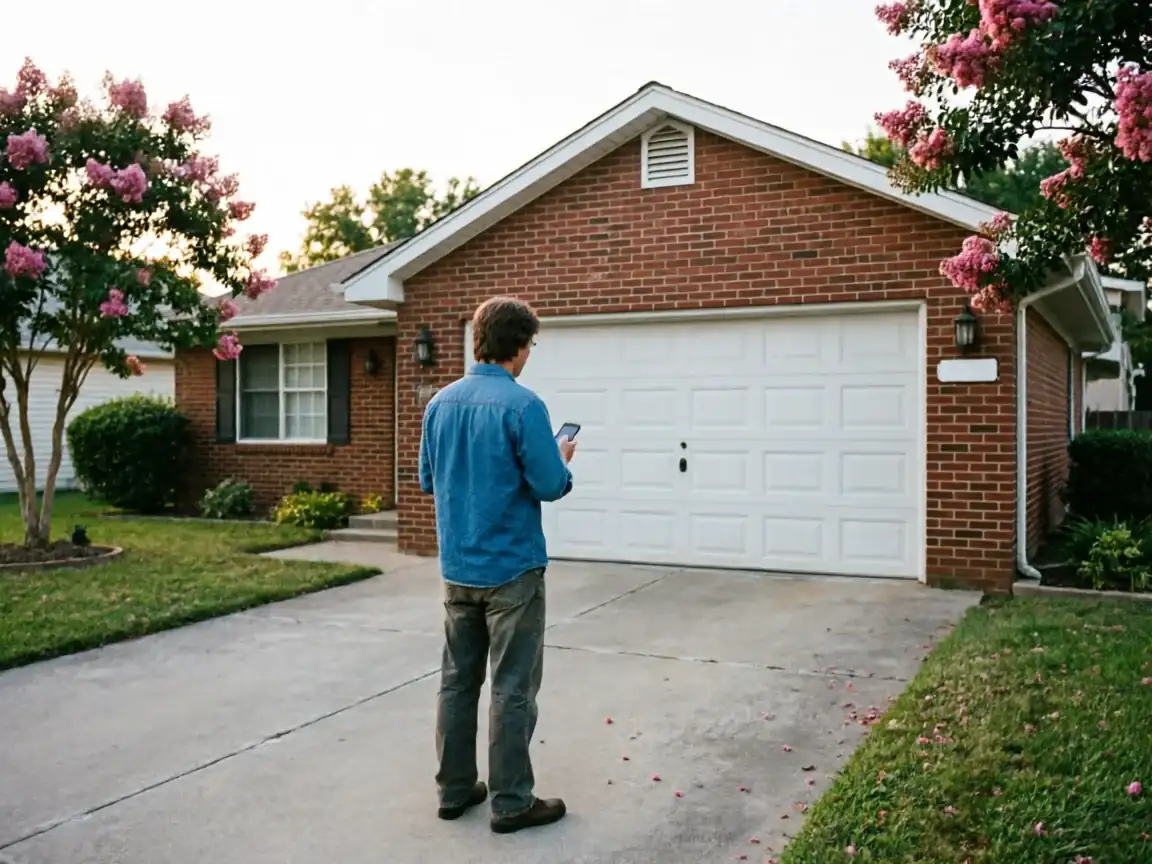
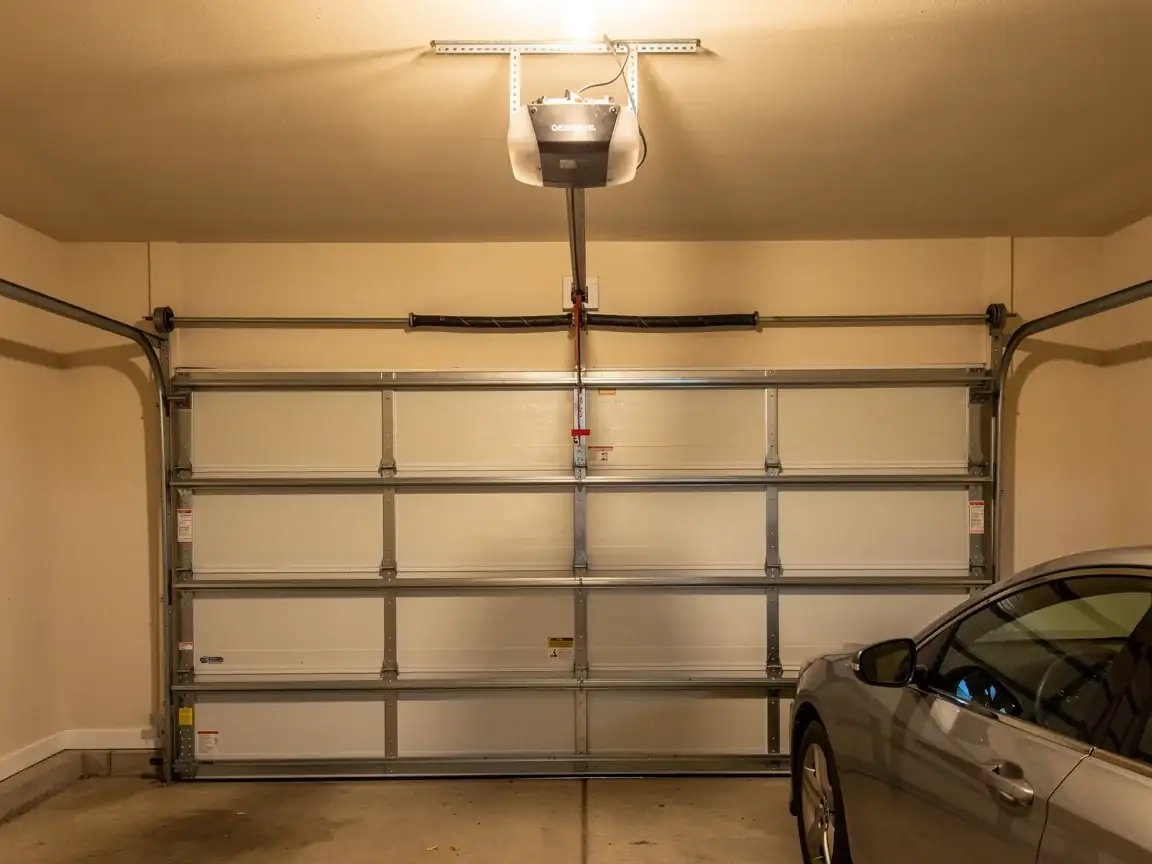
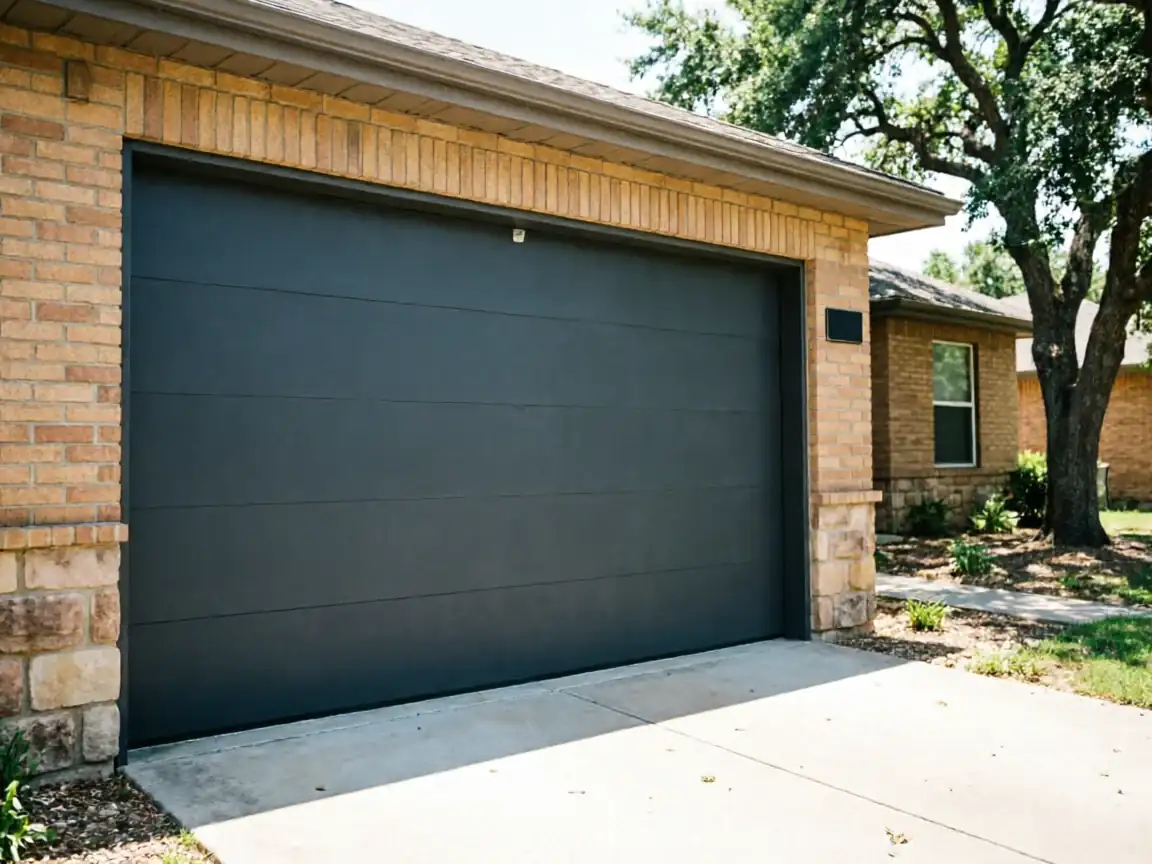
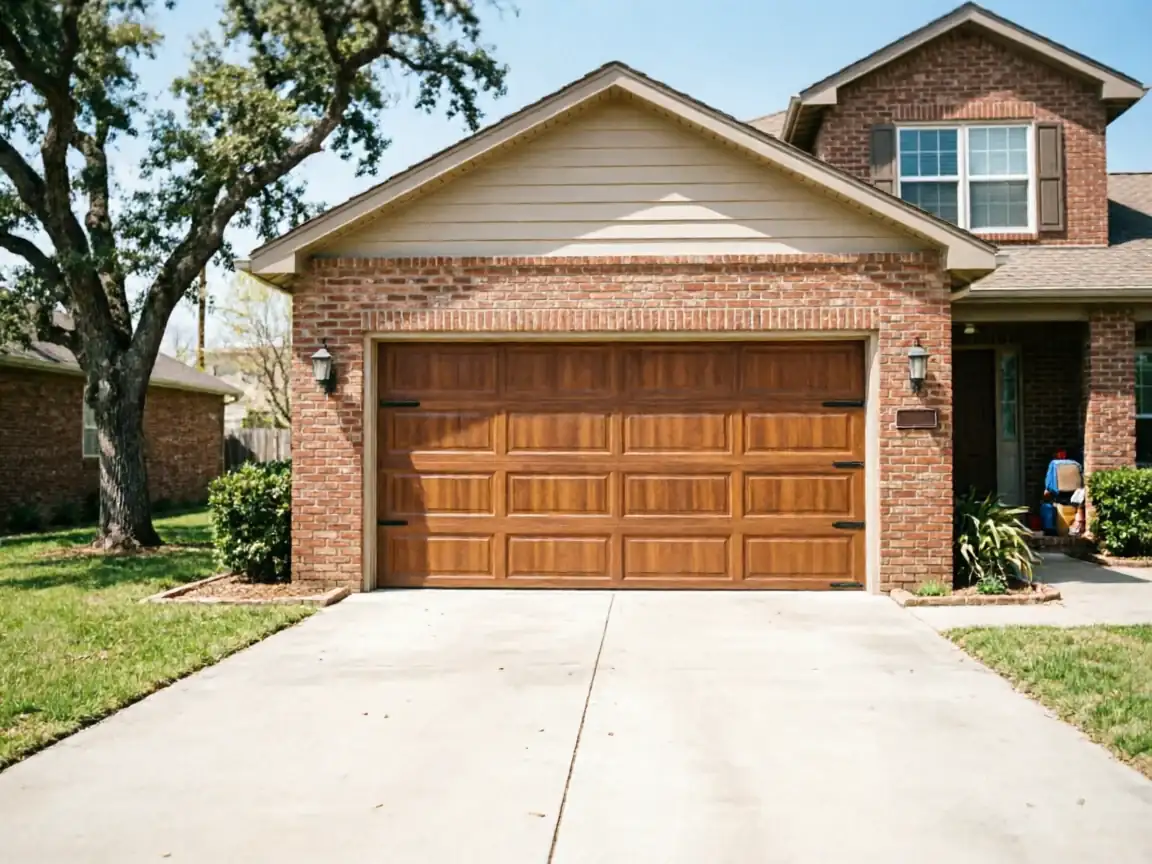
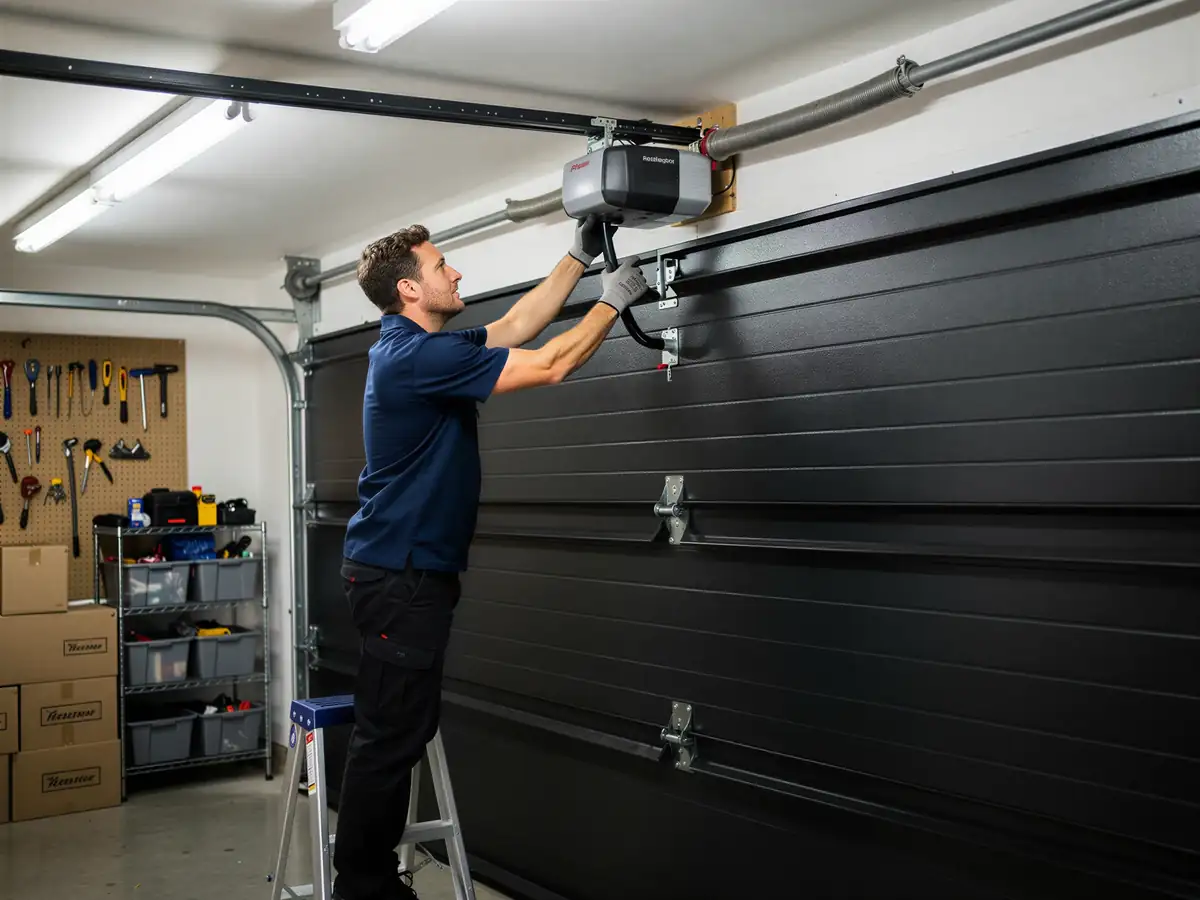
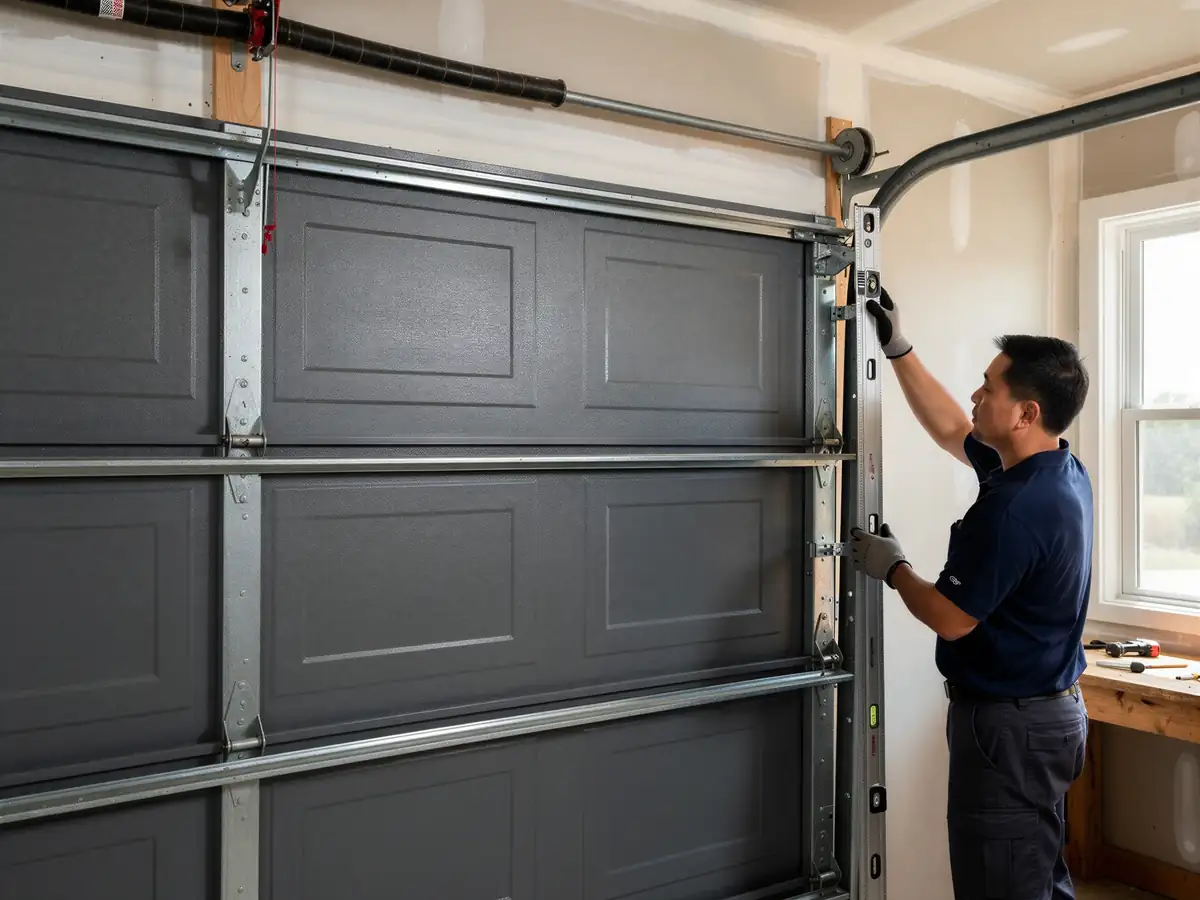
When you call, tell us what the door is doing - won't open, opens partway and stops, makes a bang when it comes down - and whether the house is newer construction. Magnolia's housing stock centers around 2002, noticeably newer than the 1980s-and-90s median across the wider service area, so a lot of what we find here is factory-installed steel sectional doors with extension or torsion hardware from the early 2000s rather than the older one-piece or wood-panel setups elsewhere. That age difference changes what we bring on the truck and how we quote the job over the phone, so mentioning it up front saves a callback.
The DIY Question
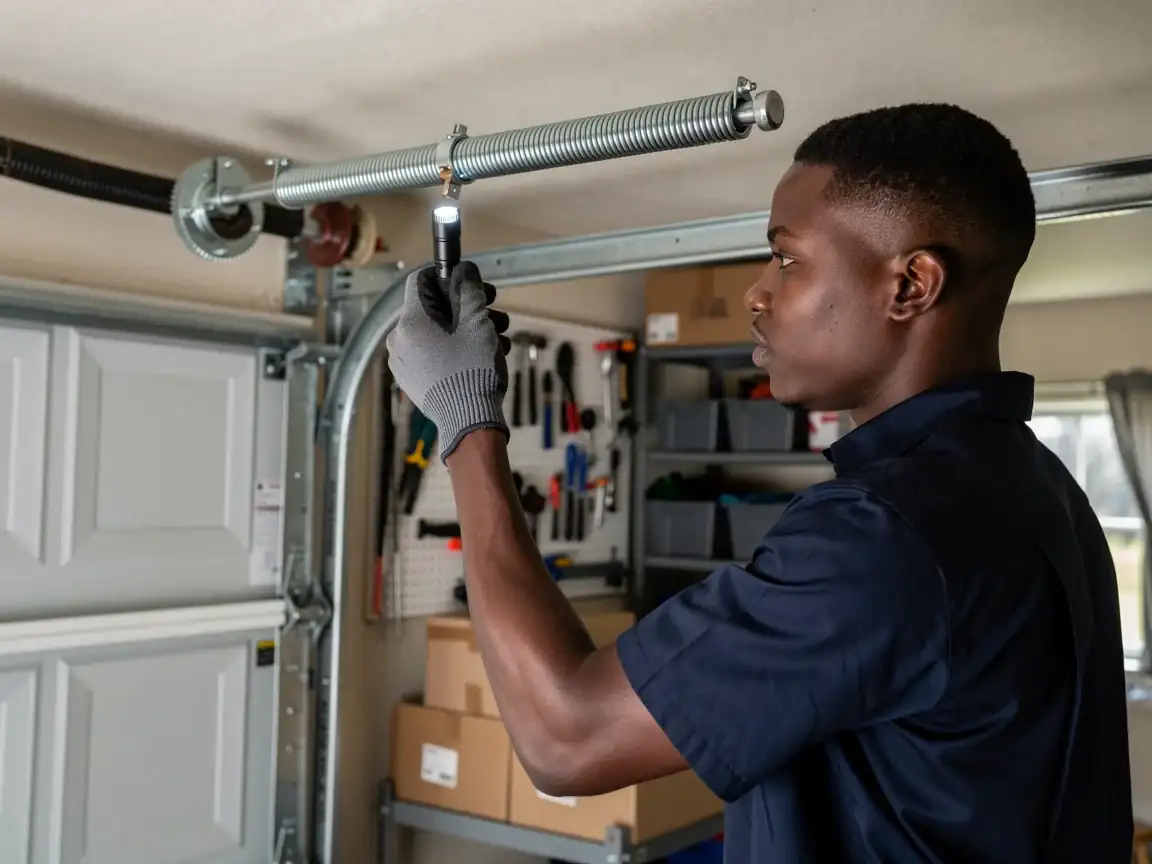
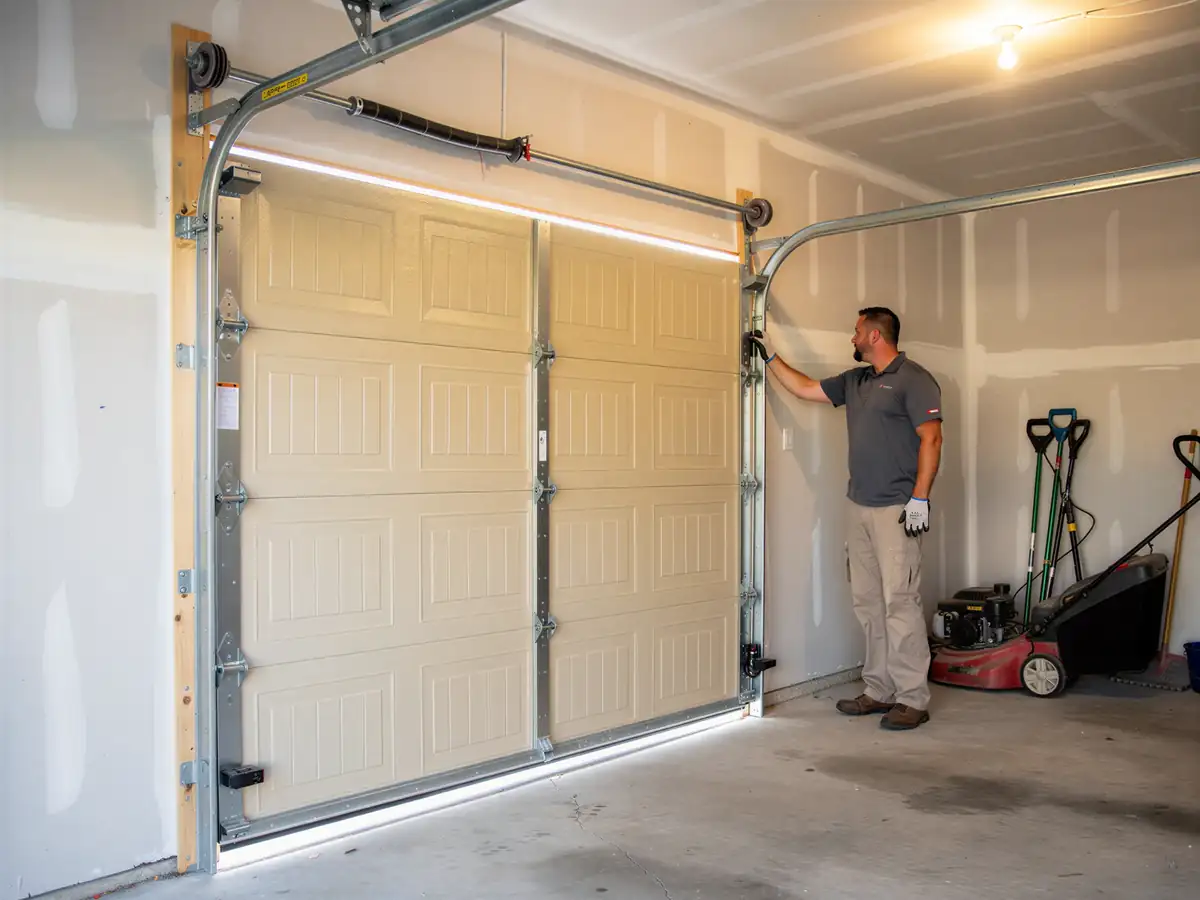
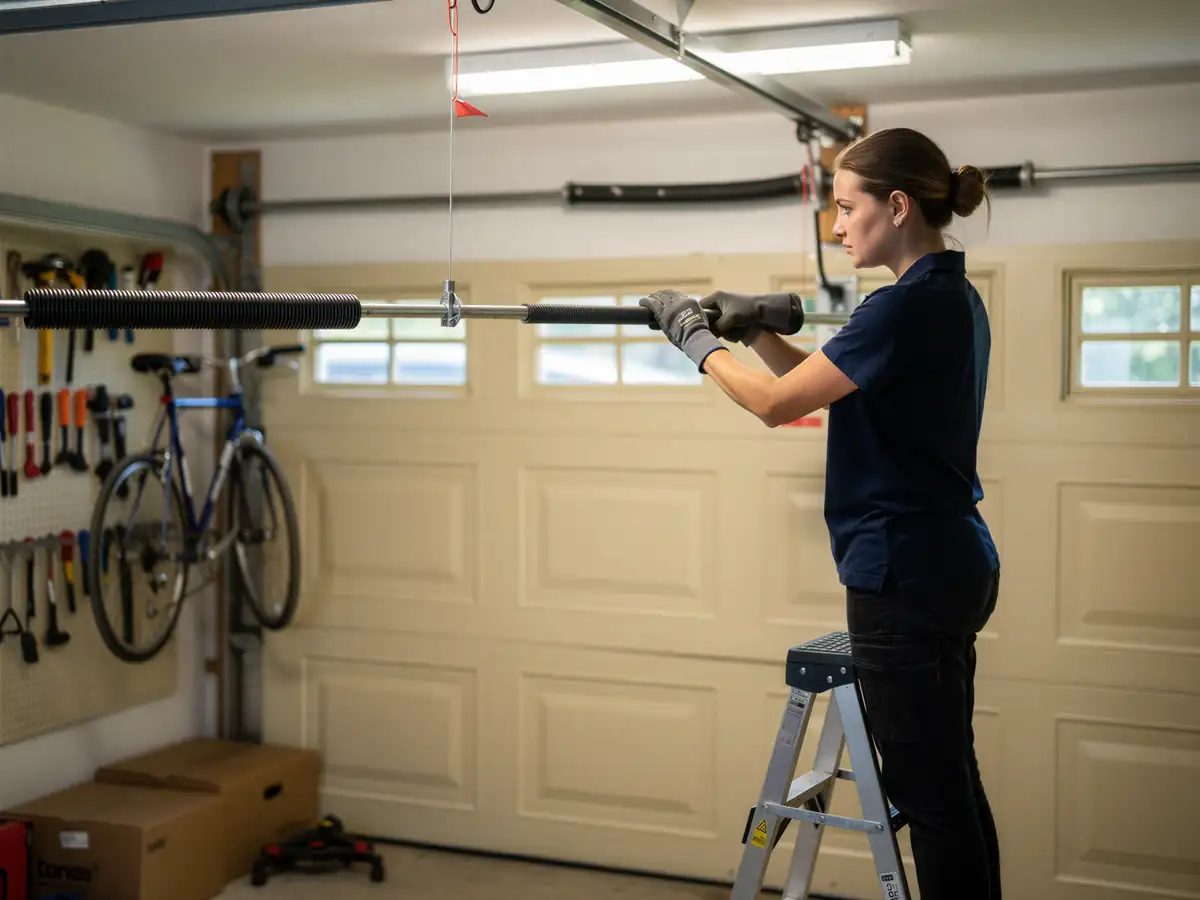
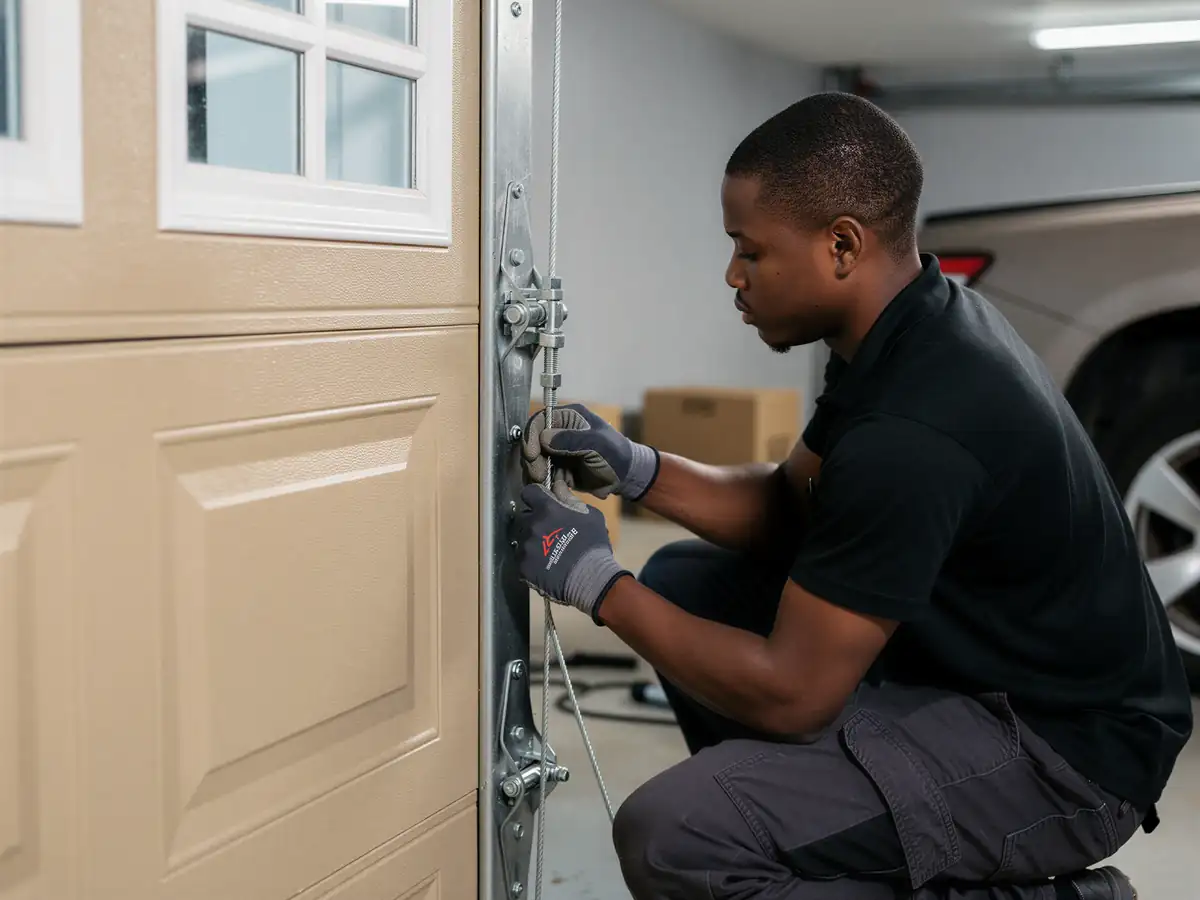
A door that's only 20-some years old usually still has serviceable tracks and hinges, so if you're the type to grease rollers and tighten the hinge screws yourself, that's fine and worth doing twice a year. What you shouldn't touch is the torsion spring or anything under tension - that doesn't change by house age or town. Where Magnolia's newer stock actually helps the DIY case is parts: openers and tracks from 2002-era construction are still common sizes, not discontinued lines, so a homeowner who wants to replace a worn roller or a bent section themselves usually isn't fighting to find the part. Replacing a spring yourself still isn't the move.
What You Pay
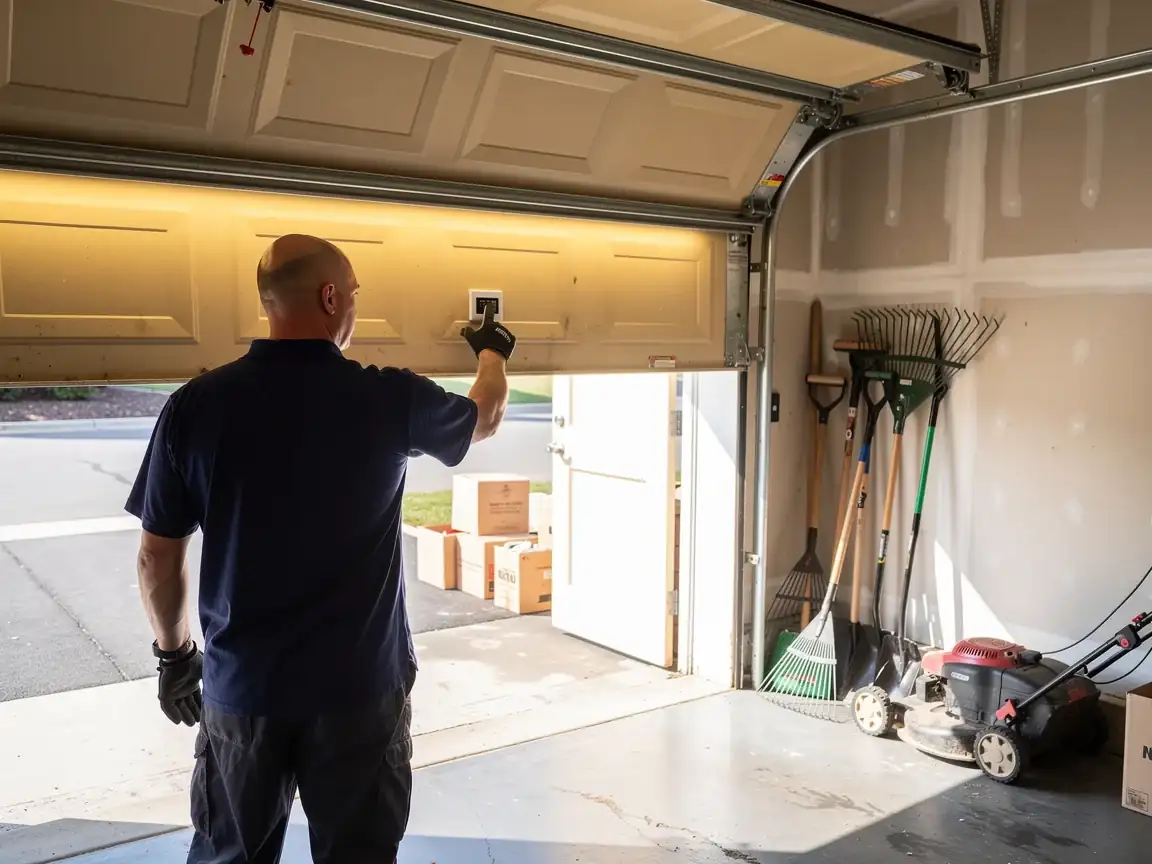
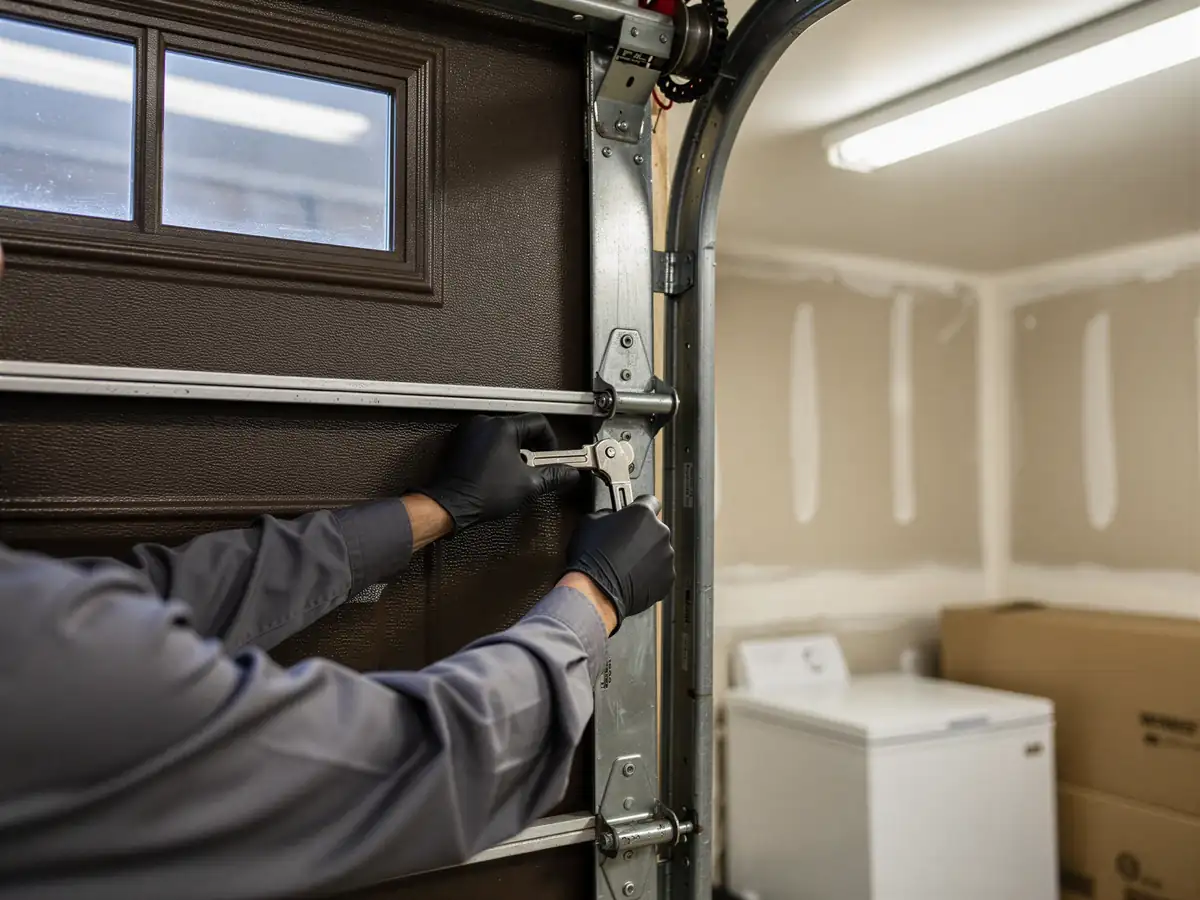
We don't publish a Magnolia-specific price list because the job dictates the cost - an opener swap runs different money than a spring replacement, and we won't quote either sight unseen. What we can tell you is that because Magnolia's doors tend to be newer than the service-area average, repairs here skew toward opener and electronic parts rather than the structural wood or hardware fixes you'd see on an older 1980s door, and that shifts where your money goes. One honest limit: if the opener is a proprietary builder model with no parts support left, replacement is usually cheaper than chasing parts, and we'll say so instead of running up a bill trying to save it.