How Long It Takes
Magnolia's housing stock skews newer than a lot of what we see elsewhere in the service area
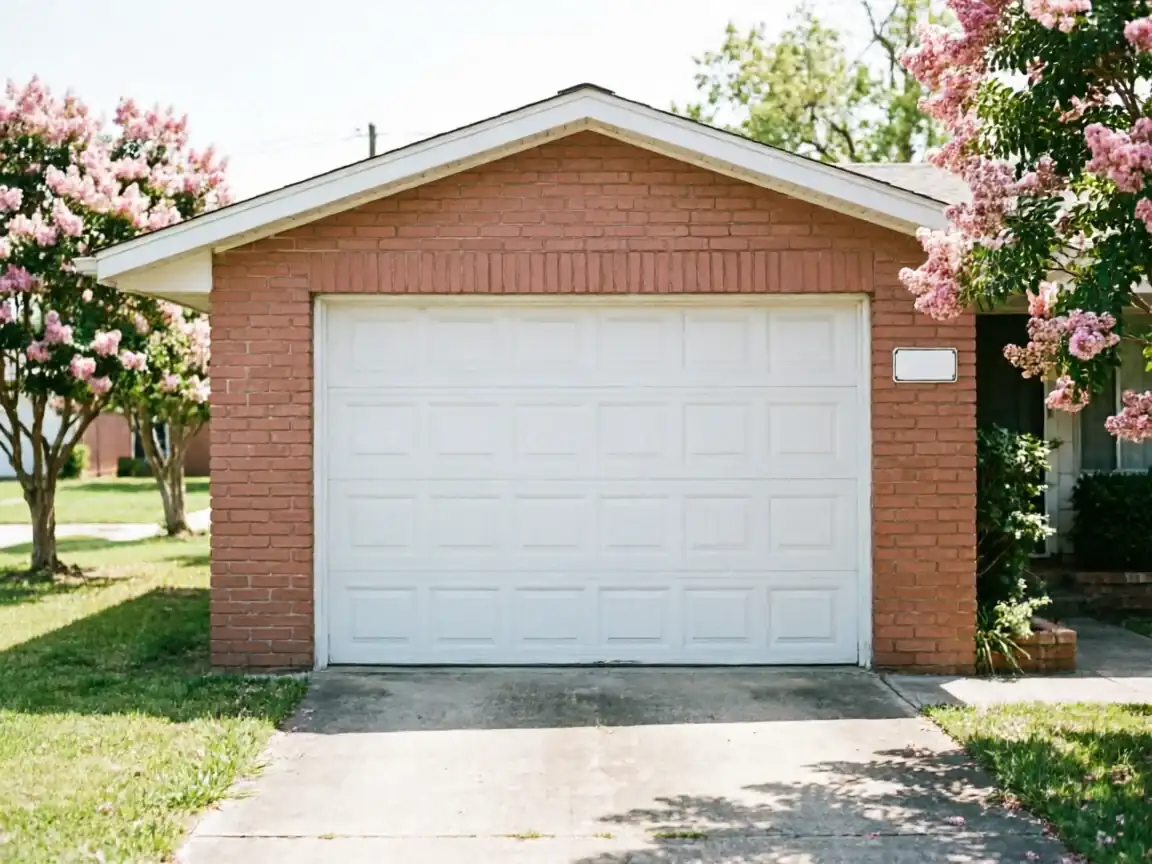
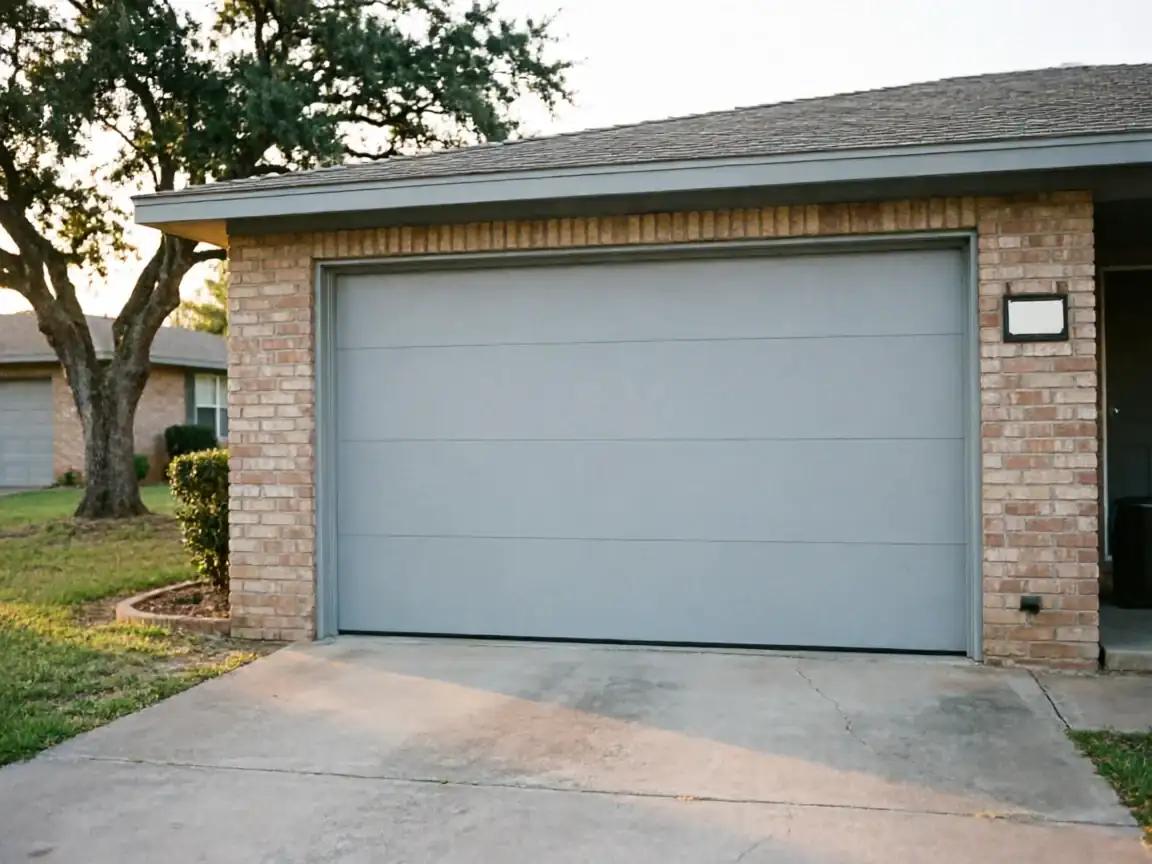
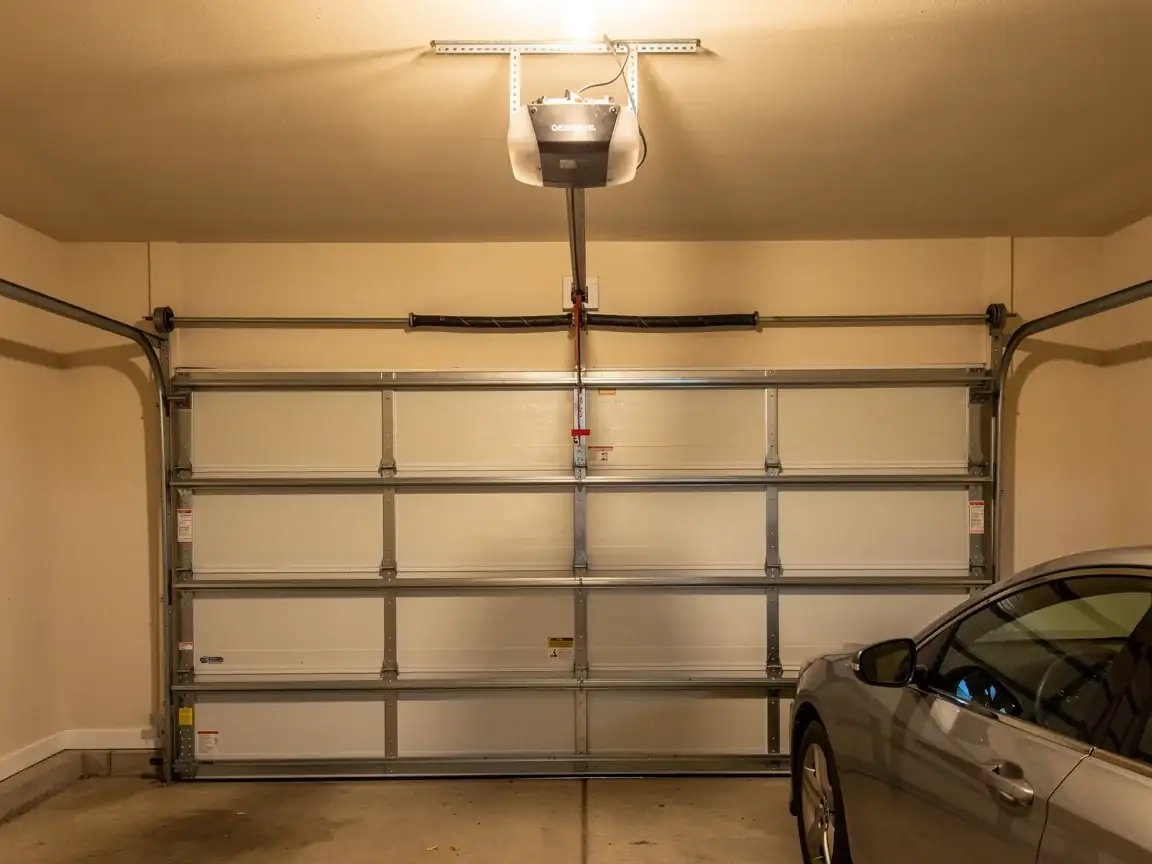
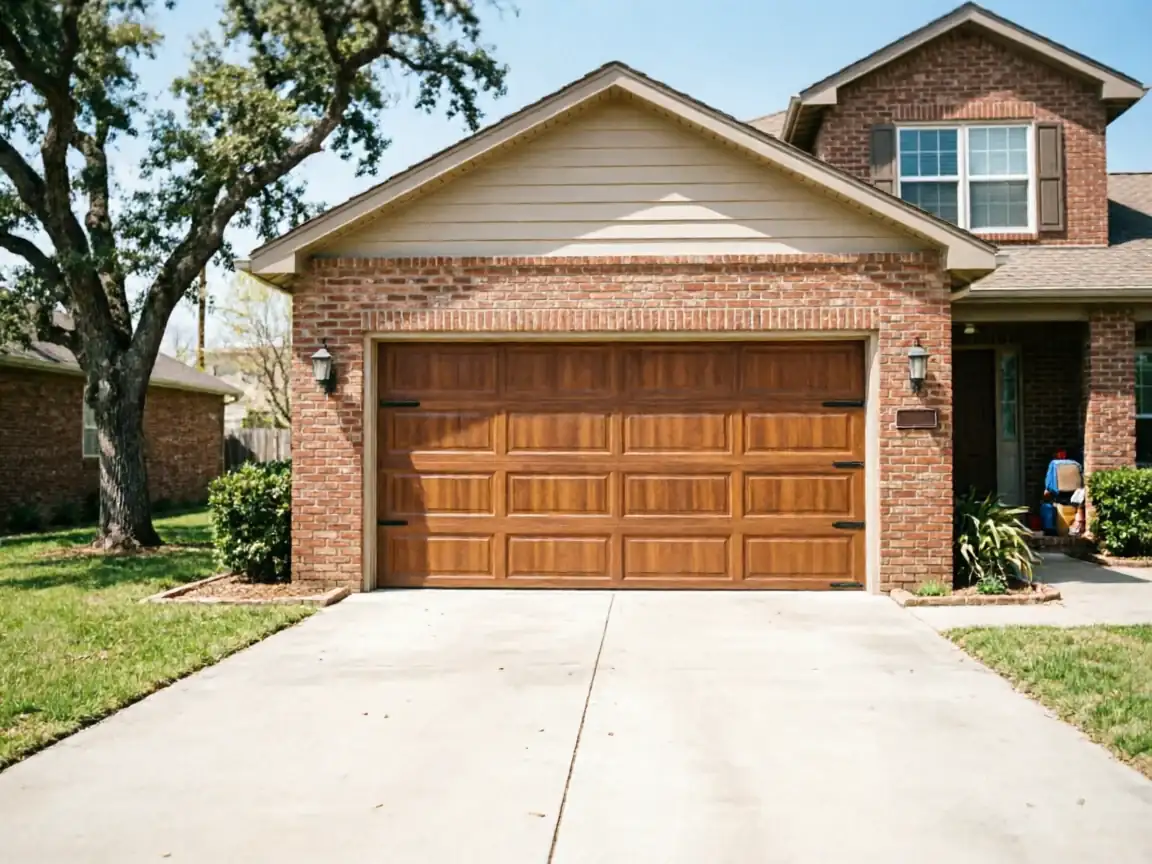
The median build year here lands around 2002, which puts most of these doors at 20-plus years old on their original torsion springs, rollers, and cable. That's not old in the way a 1970s door is old, but it's exactly the age where steel fatigues and nobody's looked at the hardware since the builder installed it.
A standard maintenance visit on a double door
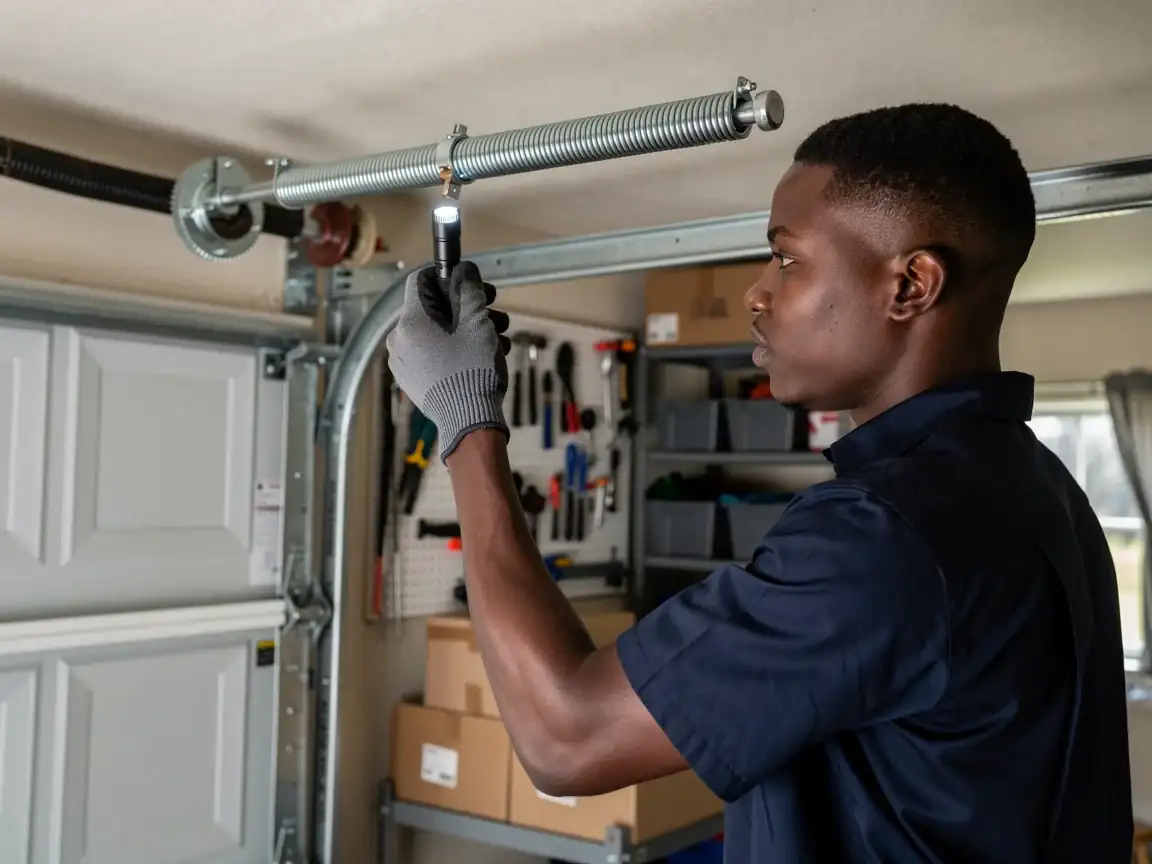
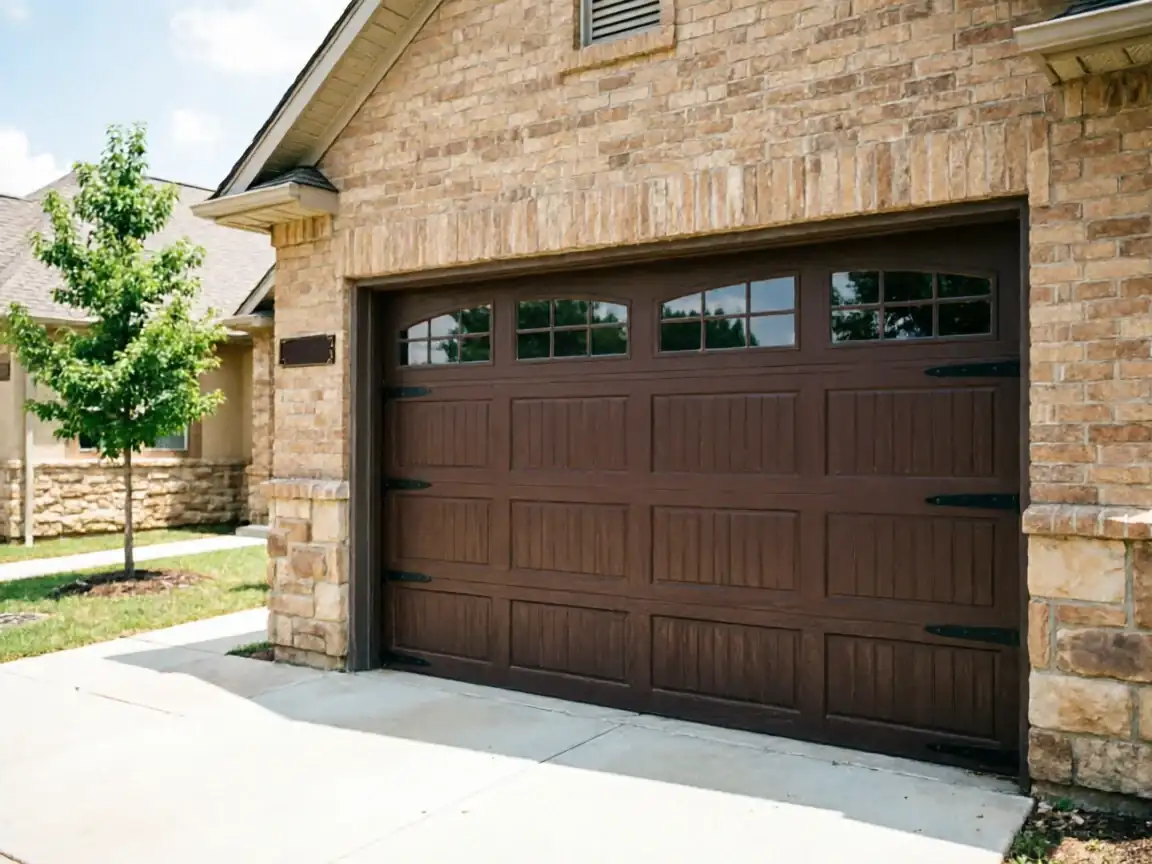
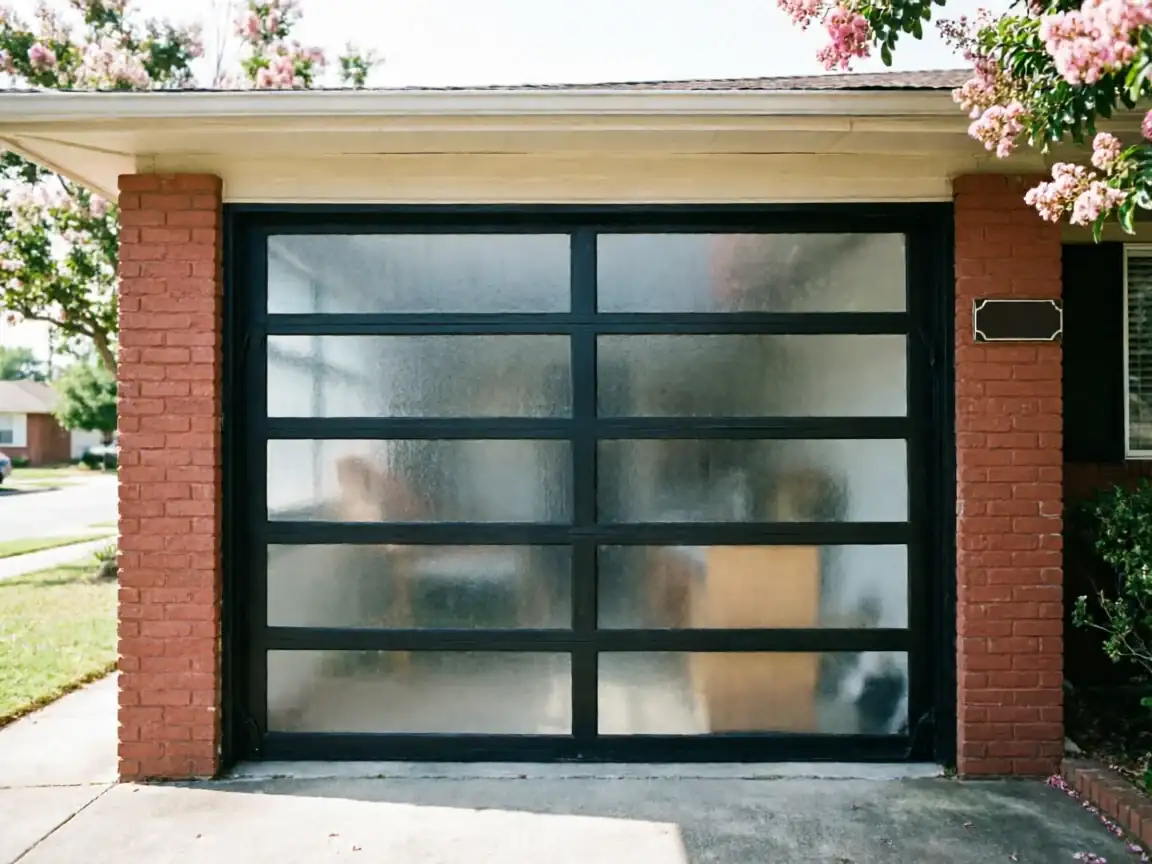
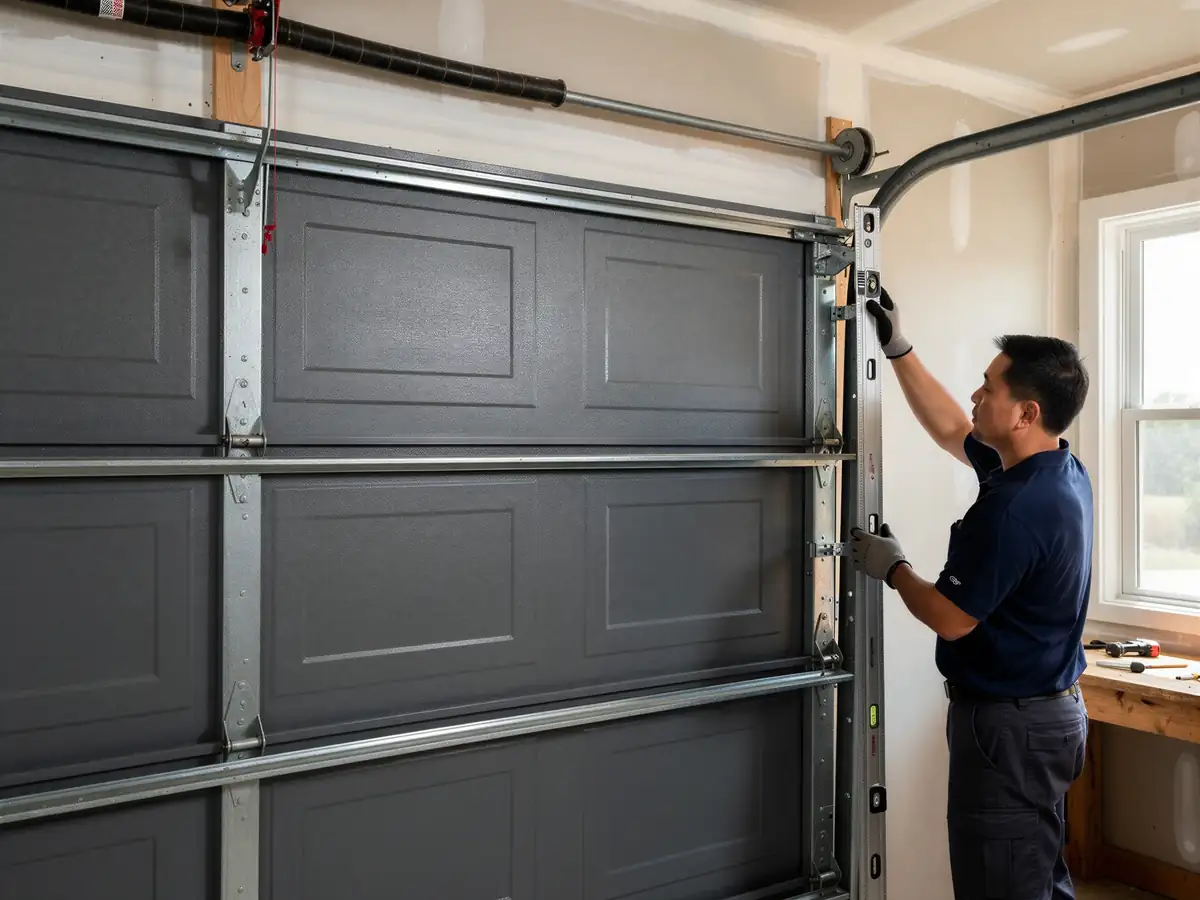
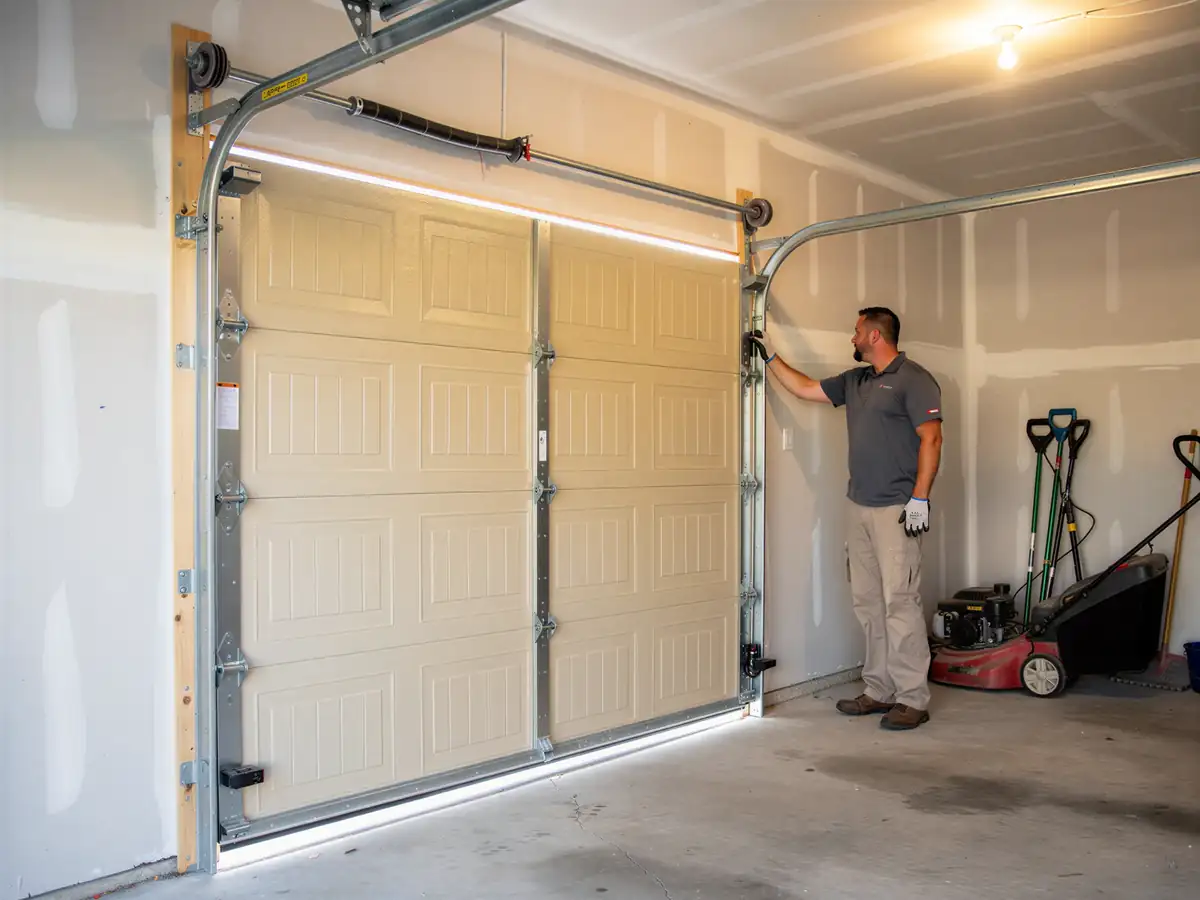
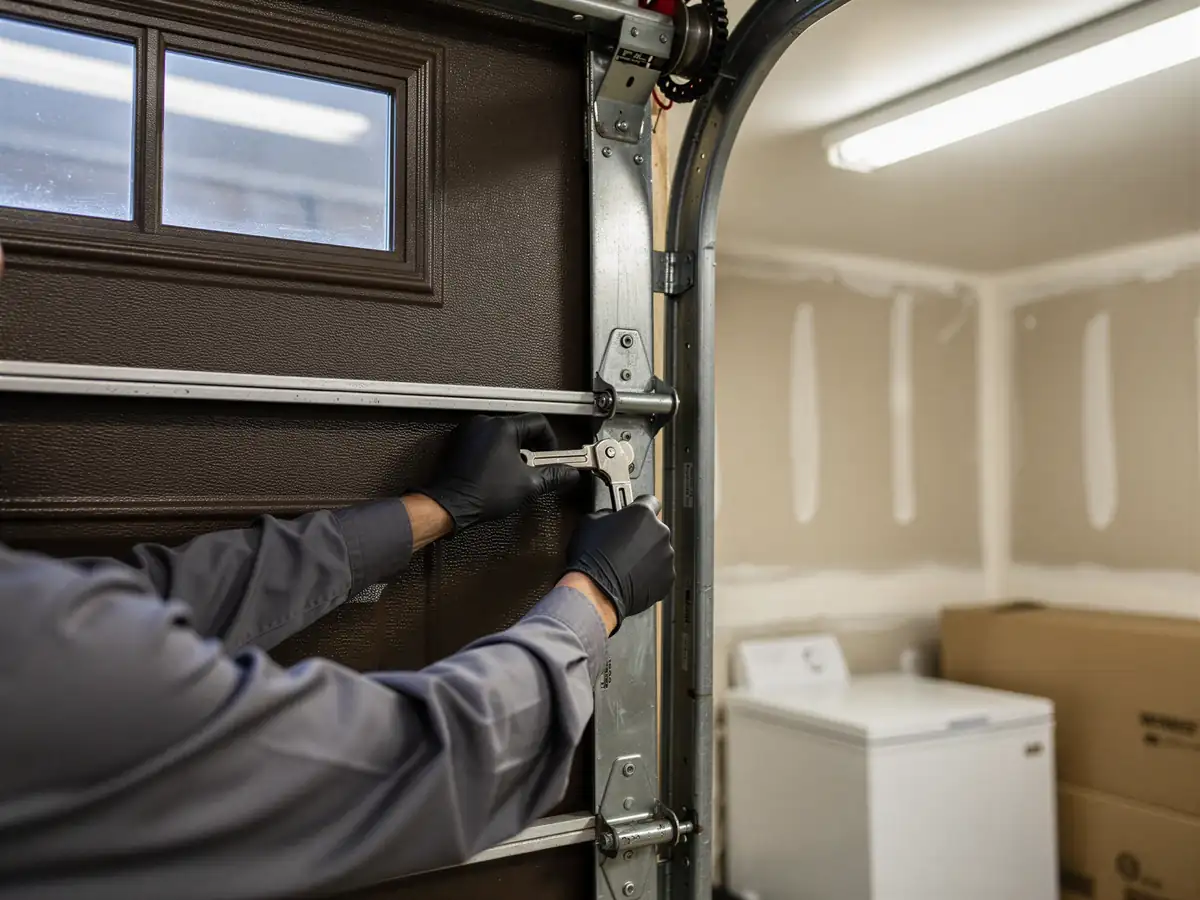
Spring tension check, roller and hinge inspection, track alignment, cable wear, opener force and limit settings, lubrication - runs about 45 minutes to an hour if nothing's seized. Add a second door on the property and you're looking at closer to 90 minutes total, since we're already on site with the ladder out and the truck parked.
- 45 minutes
- 90 minutes
What slows a visit down isn't the door, it's what's behind the door
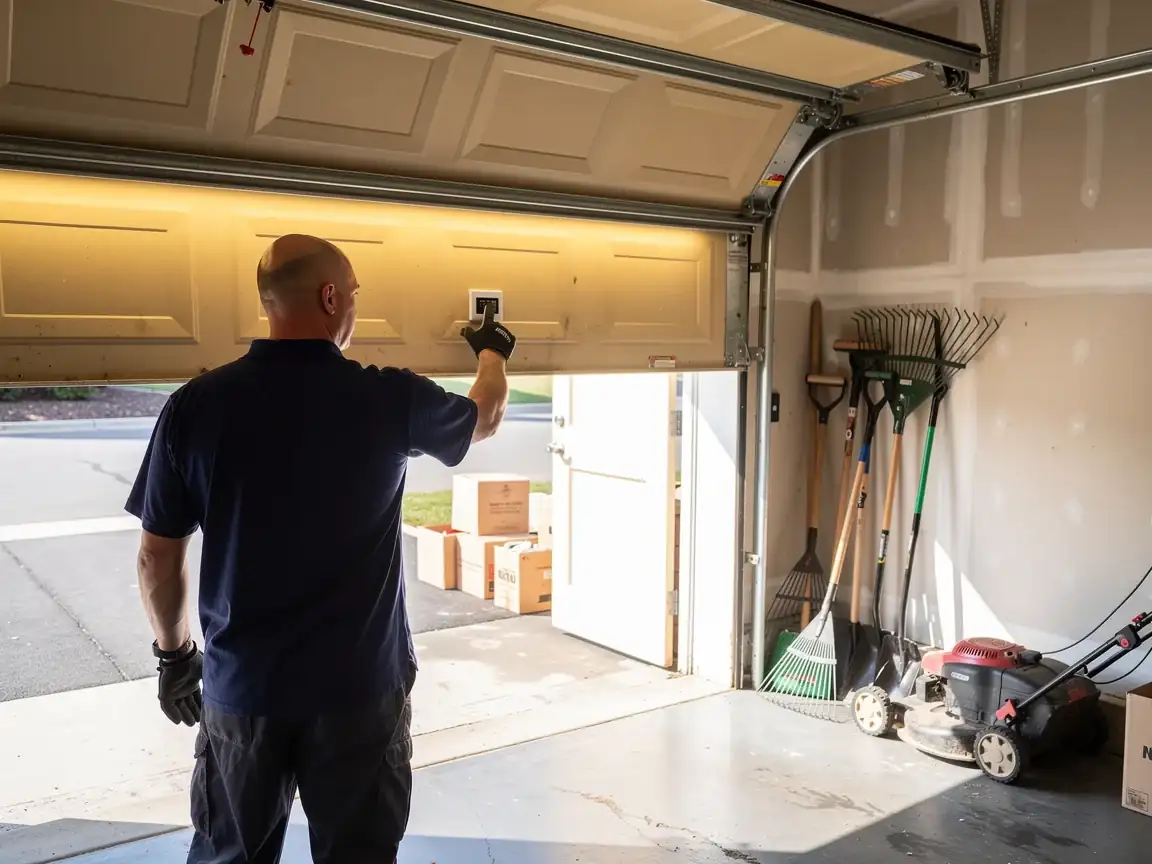
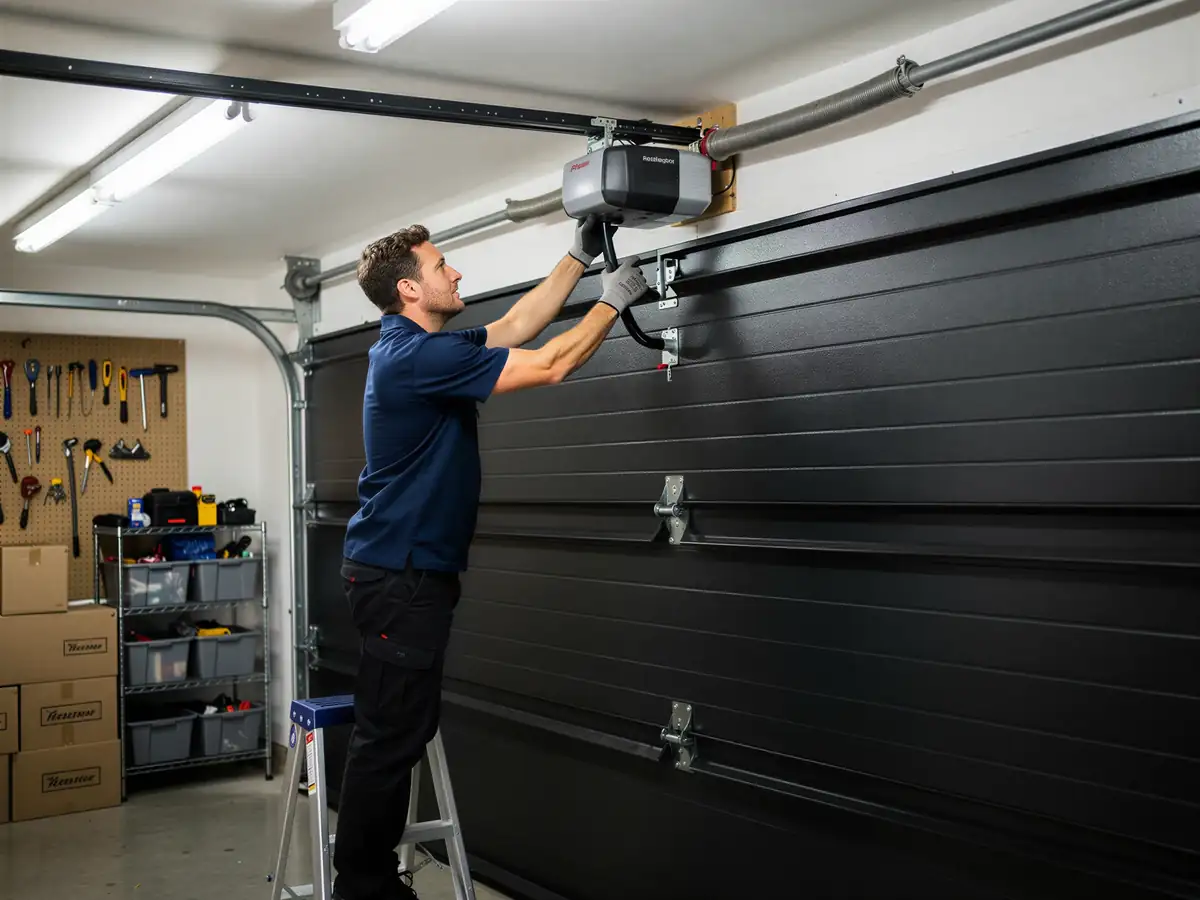
If the opener is original too, we're often resetting limits that have drifted over two decades rather than replacing anything. We won't pad the visit out - if the door's in good shape, we tell you that and we're done.
Booking a Visit
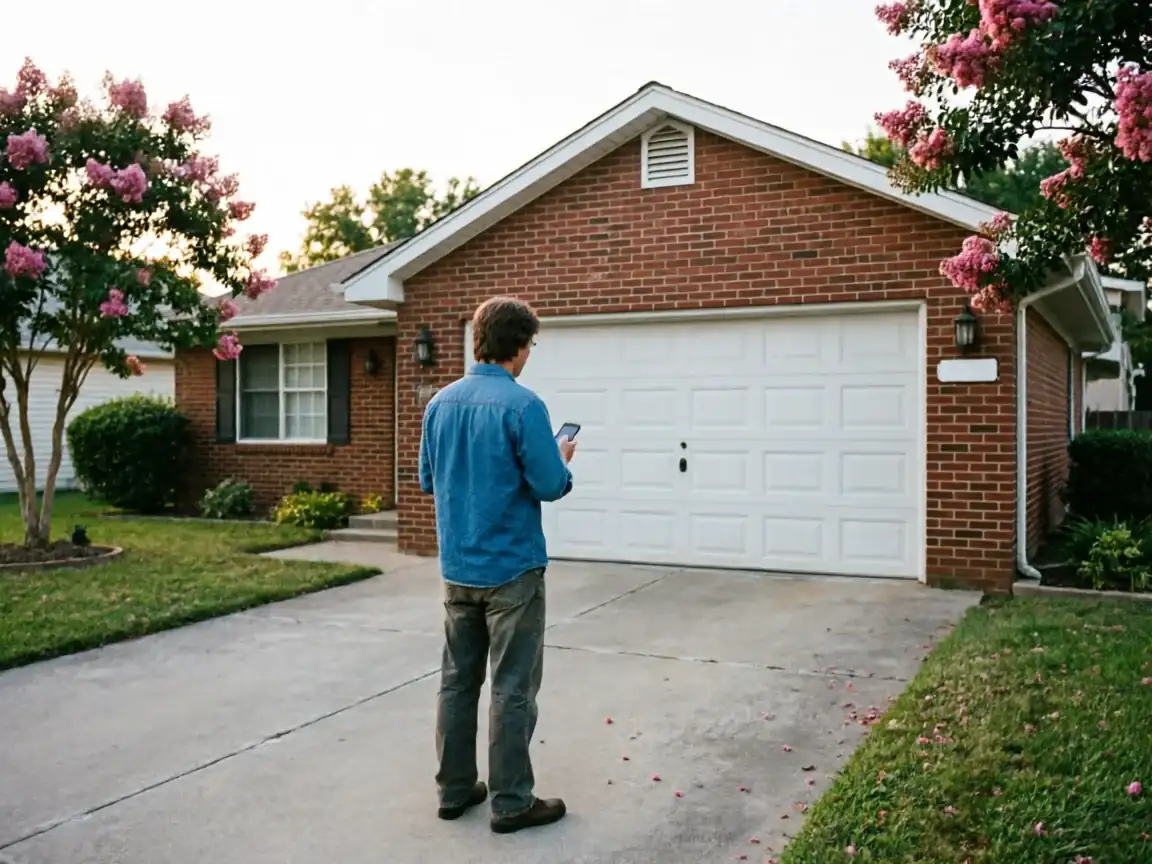
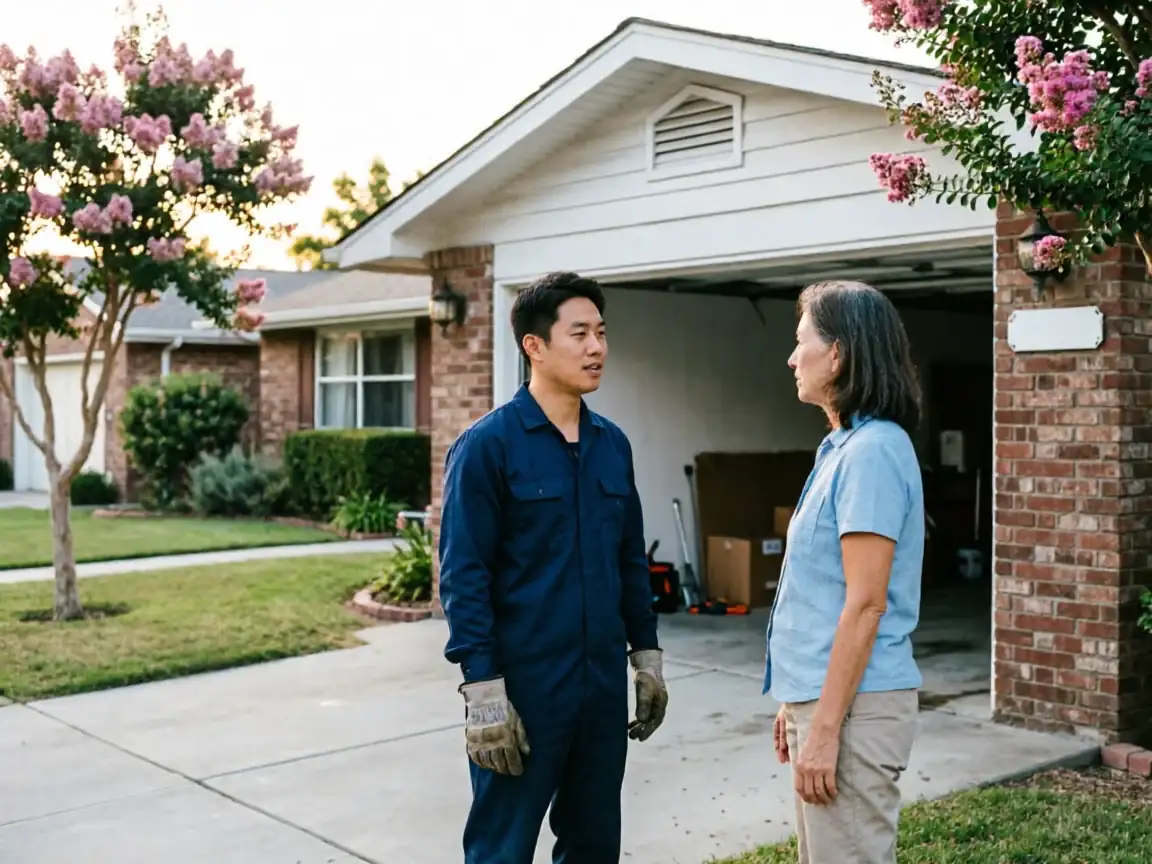
We come out to Magnolia from Tomball, about 11 miles up the road, so we don't run same-day drop-ins the way we might for a street closer to the shop. Booking a maintenance appointment means picking a day that works, not a two-hour window you have to sit around for.
Magnolia's household count is smaller than some of the other areas we cover - around 1,313 households - so we're not running a dense daily route through here the way we might through a bigger suburb. That means it's worth grouping anything you want looked at (opener, second door, a noisy track) into one visit instead of calling us back out for each thing separately.
If you're on a street with a neighbor who's also had us out, mention it - we sometimes can shift a time slot by an hour if it means two visits on the same day instead of two separate trips from Tomball.
The DIY Question
Lubricating hinges and rollers with a garage-door-specific lubricant (not WD-40, which attracts grit) is something you can do yourself every few months, and it's worth doing between our visits. Checking that the door reverses properly when it hits an obstruction - a 2x4 laid flat on the floor under it - is also safe and worth a minute of your time.
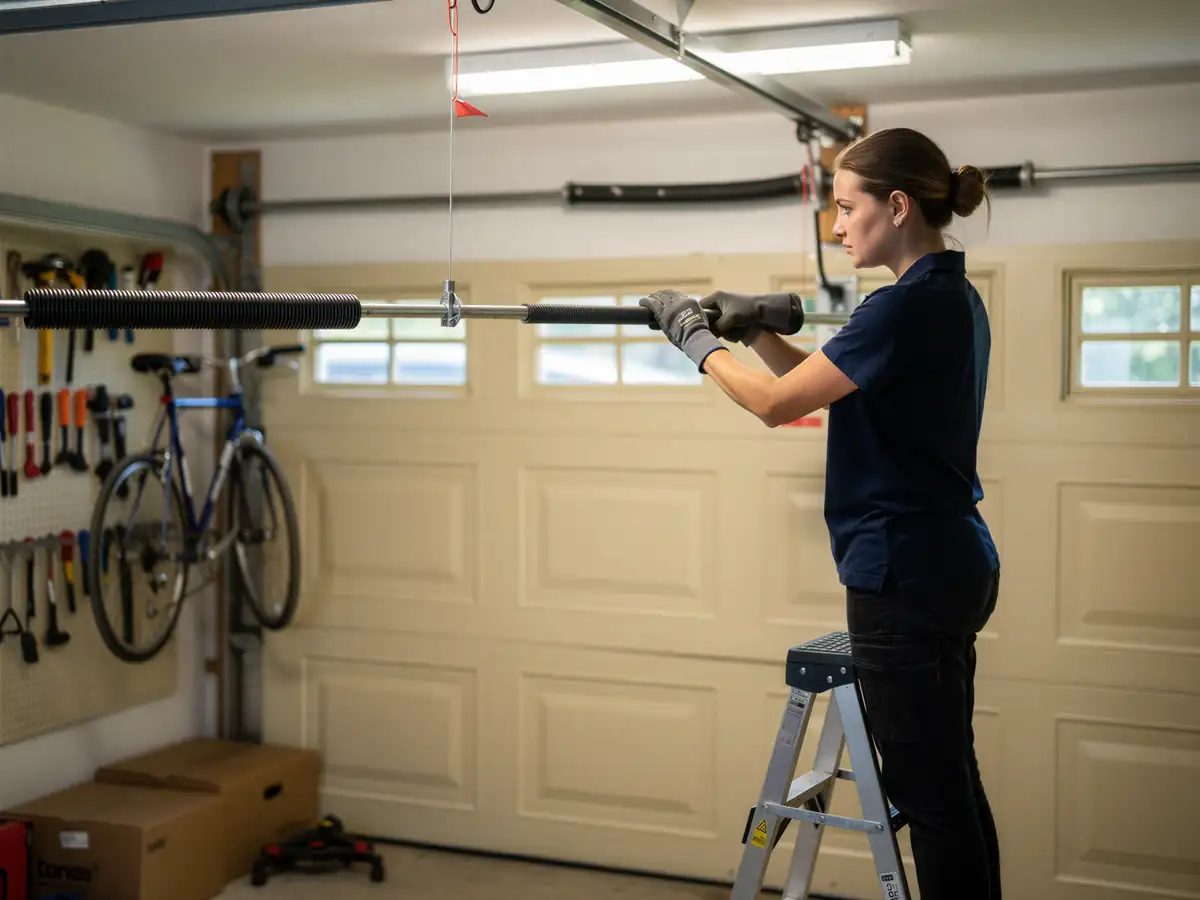
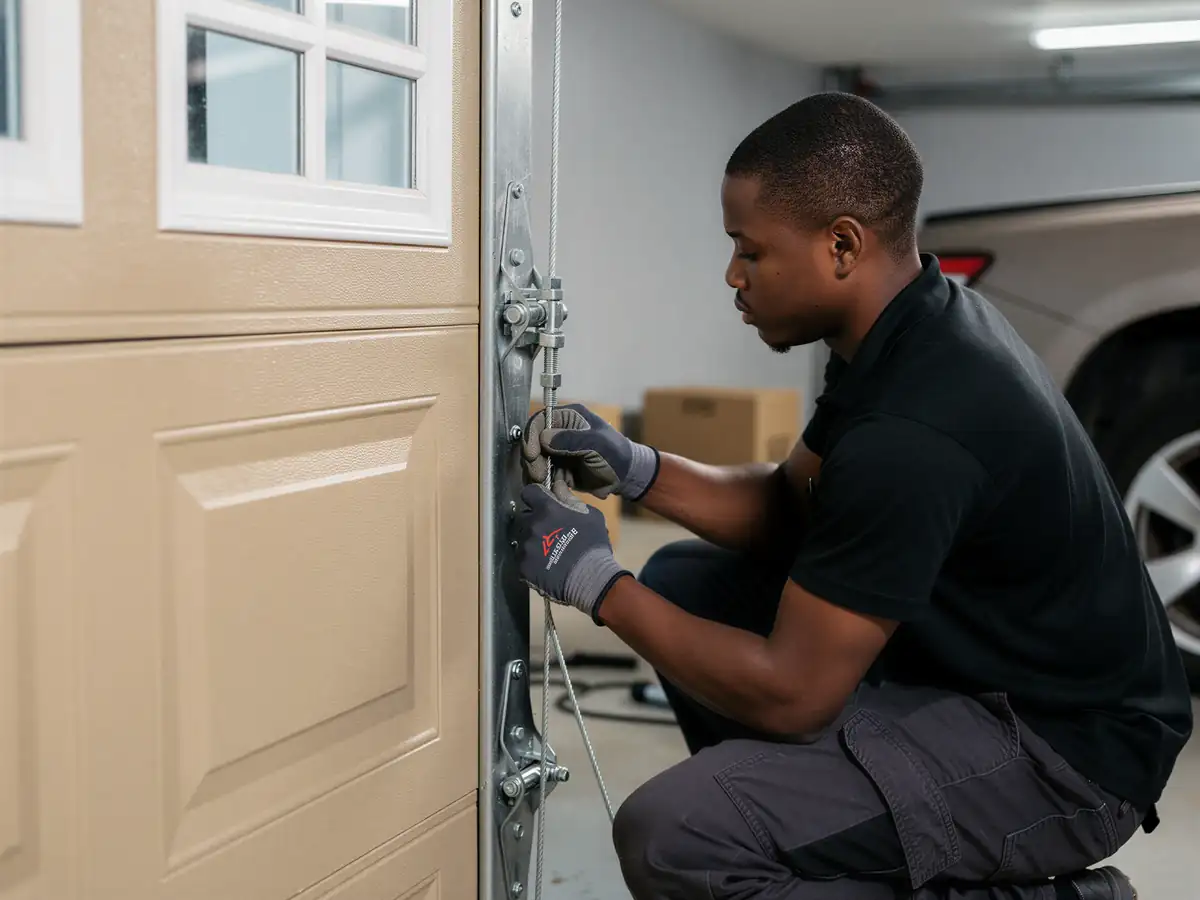
What you shouldn't touch is the torsion spring. On a door built around 2002, that spring has had two decades of cycles and it's wound under enough tension to cause a serious injury if it lets go while you're adjusting it. Same goes for the cables if you see any fraying - leave them.
Honest limitation: if your opener is the original unit from construction and it's starting to grind or hesitate, we can often get another year or two out of it with adjustment, but parts for some builder-grade openers from that era aren't stocked anymore. At some point replacement is cheaper than chasing a part that has to be special-ordered.
The Symptom
The complaint we hear most from Magnolia is a door that's started making a grinding or rattling sound partway through the cycle
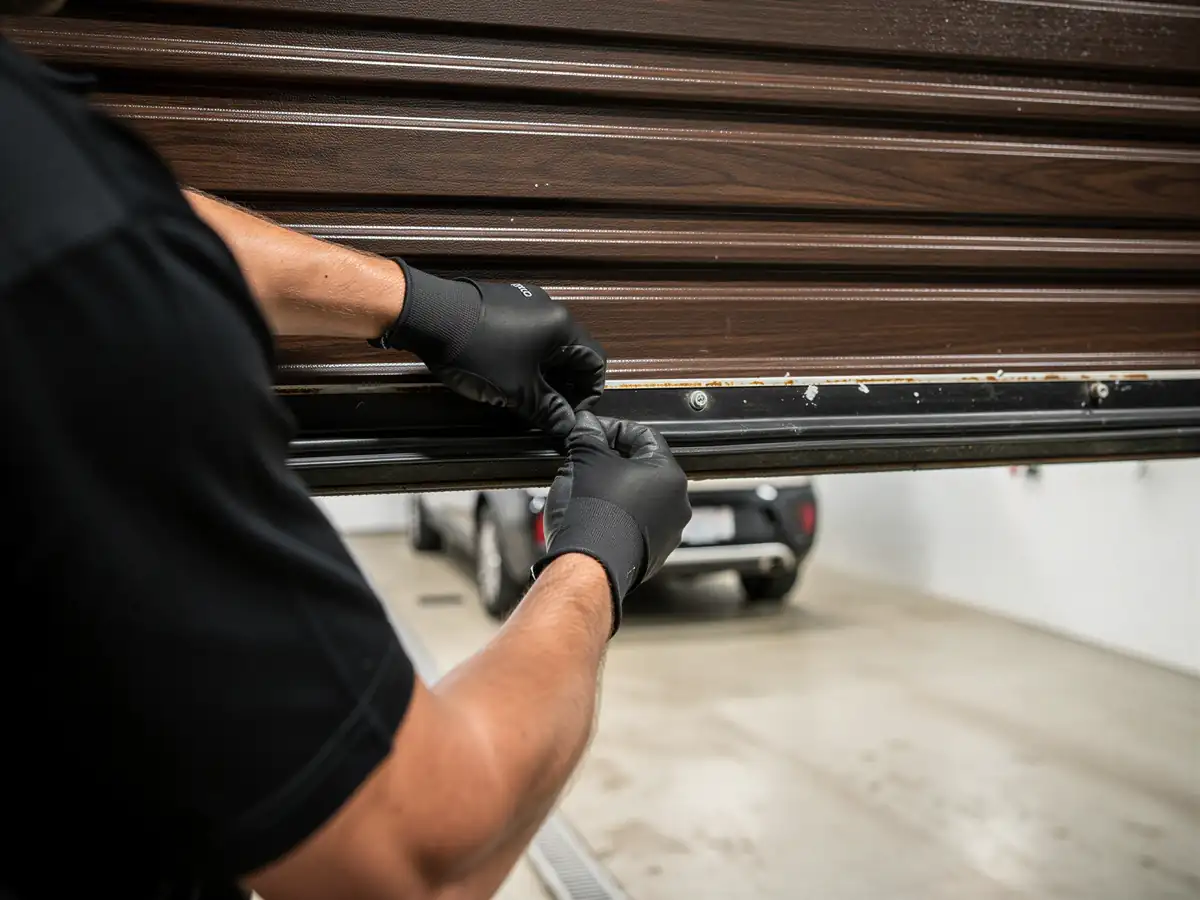
Usually right as it's closing. On a house from this build era, that's almost always worn rollers - the original builder-grade rollers are nylon with a basic bearing, and after 20 years and a few thousand cycles in Texas heat, the bearing dries out and the roller starts to bind in the track.
- 20 years
It's rarely the spring at this age
Since torsion springs on a well-balanced door tend to last longer than the rollers do. We check both anyway, because a spring that's lost a little tension puts extra strain on the opener, which shows up later as a different complaint - a door that reverses on its own or seems to hesitate before it lifts.
If the noise only happens in the morning and quiets down once it warms up
That's consistent with lubricant that's dried out, not a worn part - a 10-minute fix during a maintenance visit rather than a parts replacement.
What You Pay
We don't post a flat number here because what a visit costs depends on whether it's a standard check or whether we find a roller or cable that needs replacing on top of the inspection. What we can tell you is that Magnolia's median household income runs a bit under the wider area average - around $70,516 versus the broader service area's $78,938 - and we price maintenance the same way regardless of which suburb we're driving to from Tomball; the cost is in the labor and parts, not the ZIP code.
The honest trade-off: a maintenance visit now on a 20-year-old door is cheaper than waiting for a roller to fail mid-cycle and bind the door shut, which usually turns into an after-hours call instead of a scheduled one. We'll always tell you straight if a part's worn enough to flag now versus something that can wait until the next visit.