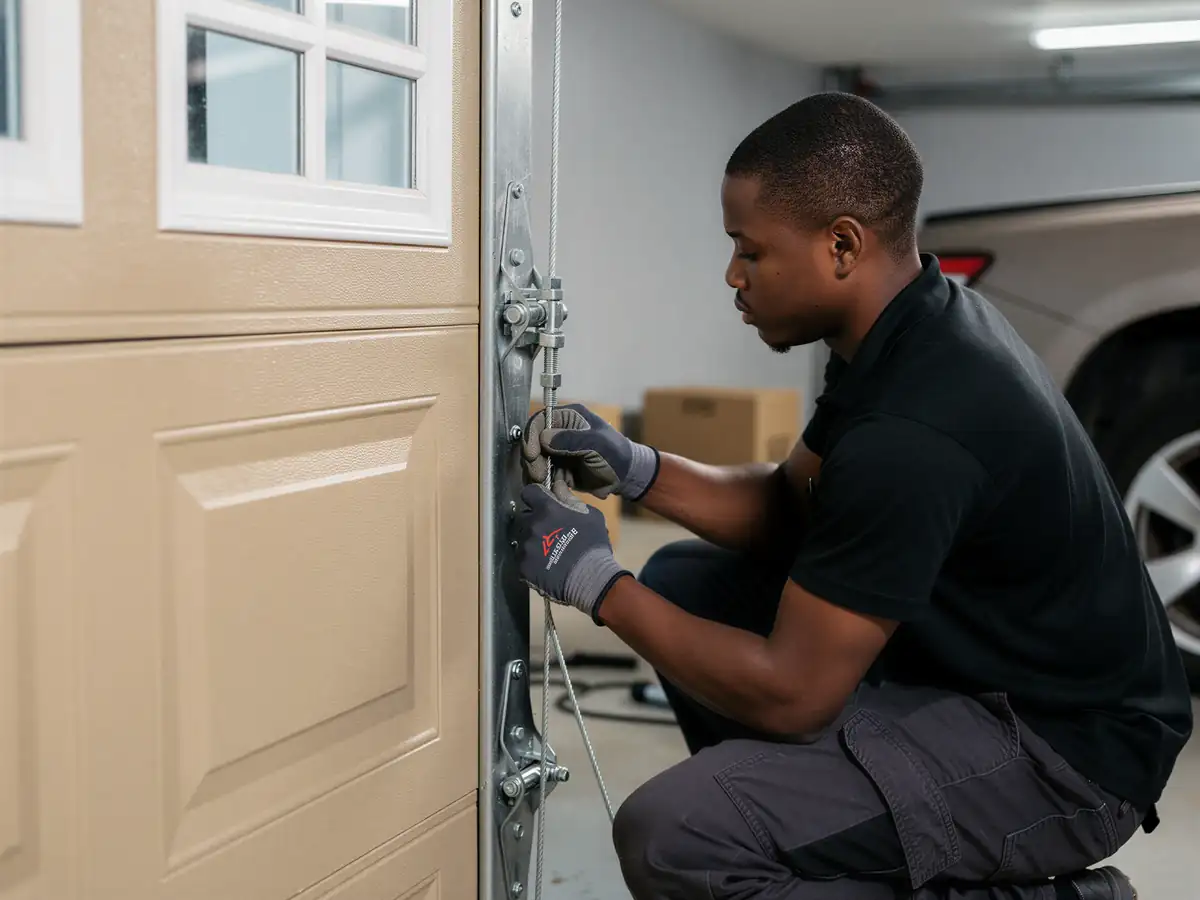
The Symptom
A snapped cable usually shows up the same way everywhere
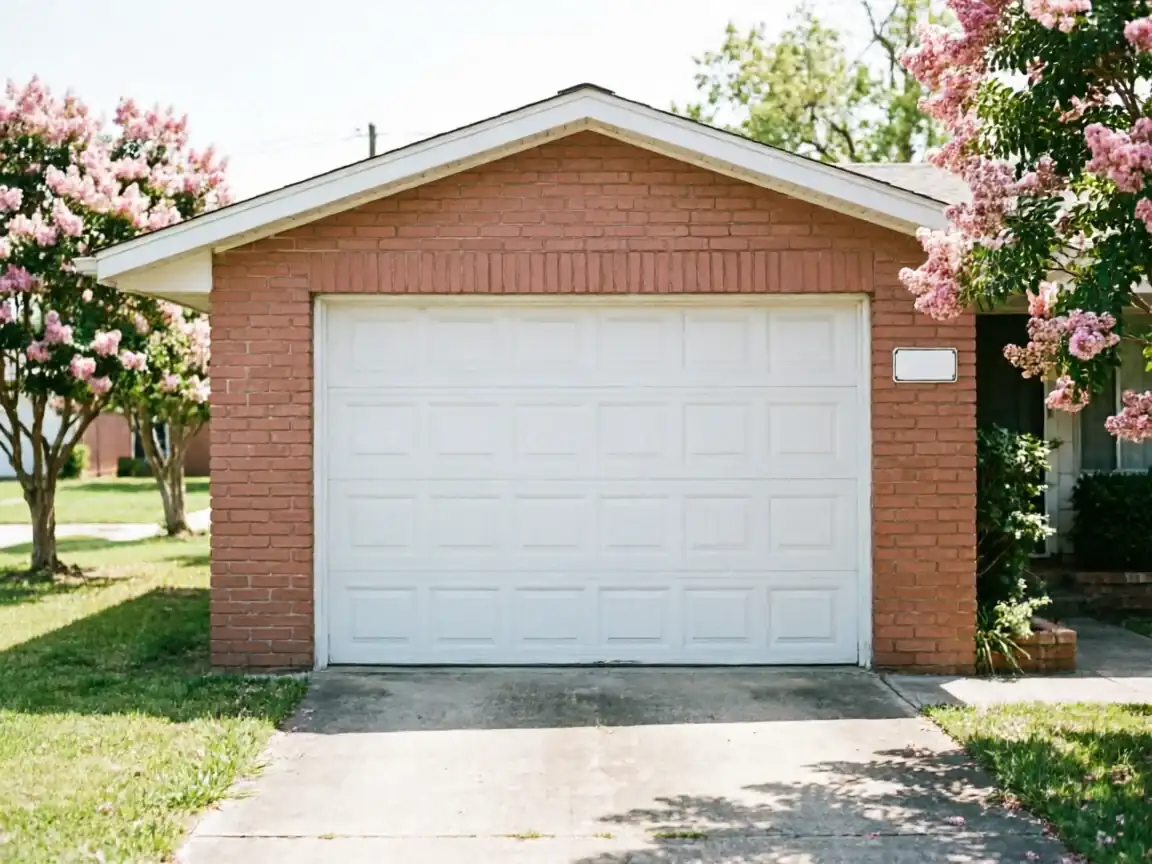
The door hangs crooked in the opening, one corner lower than the other, or it won't move at all when the opener tries. But what's behind that symptom in Aldine isn't the same as what's behind it closer to Tomball. The median home here was built around 1971, well ahead of the broader service area's 1988 median build year. That fourteen-plus year gap matters because cable gauge, drum size, and the way the cable anchors to the bottom bracket all shifted as manufacturers changed designs through the 1970s and 80s. On a door from this era, a frayed cable often means the drum itself is worn to match it, not just the cable. We check both before calling it a one-part fix.
If you're hearing a loud bang and then slack in the door
That's a cable letting go under tension, usually on one side of a torsion system. Don't try to lift the door by hand or force the opener past it. A door held by one working cable can drop without warning, and that's a heavy, fast-moving weight in a space where people and cars sit underneath it.
Booking a Visit
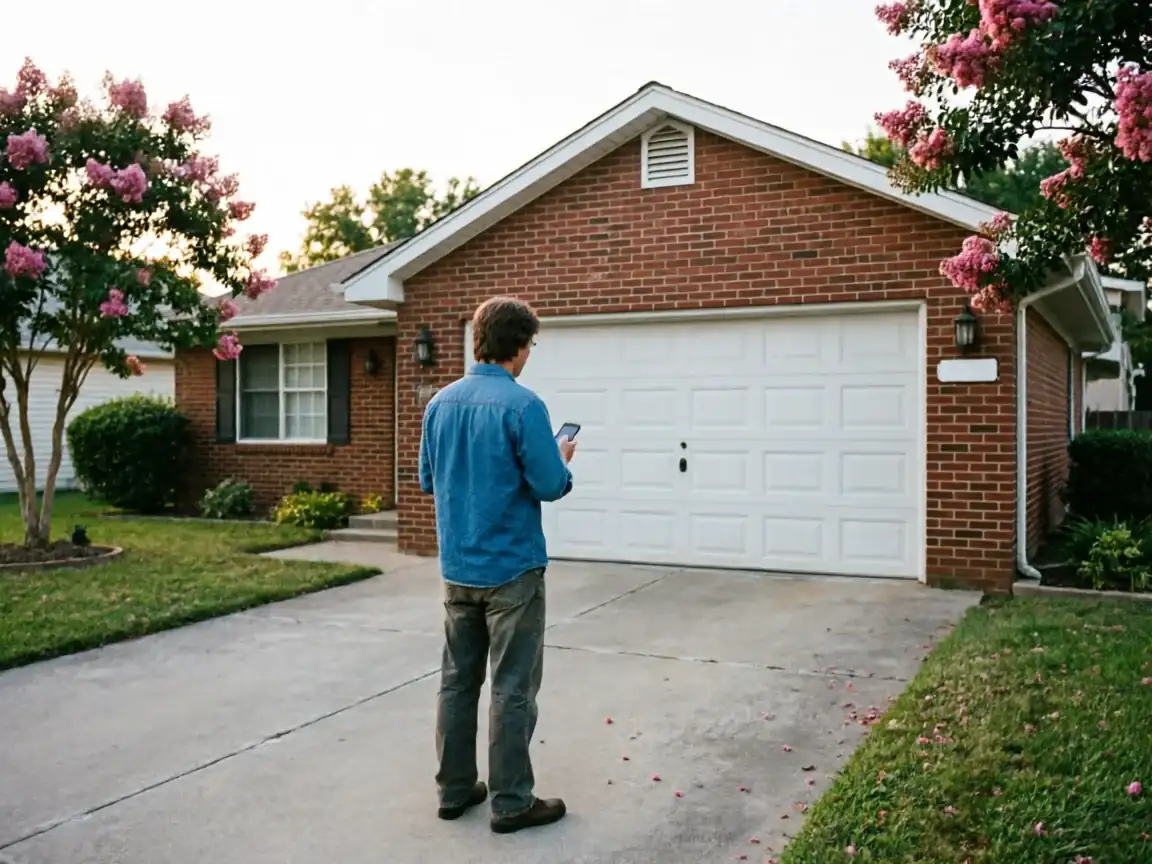
We cover Aldine out of Tomball, about 19 miles northwest. There's no local branch or crew stationed in Aldine itself, so when you call, we're scheduling the trip out rather than dispatching from around the corner. Tell us the door's age if you know it, whether it's a single or double, and whether the cable broke on one side or both. That saves time once we're on site, because a 1971-built house with original hardware is a different job than a door that's already been replaced once. We'll ask what you're seeing and hearing before anything else, since cable failure and spring failure can look identical to someone standing in the driveway.
How Long It Takes
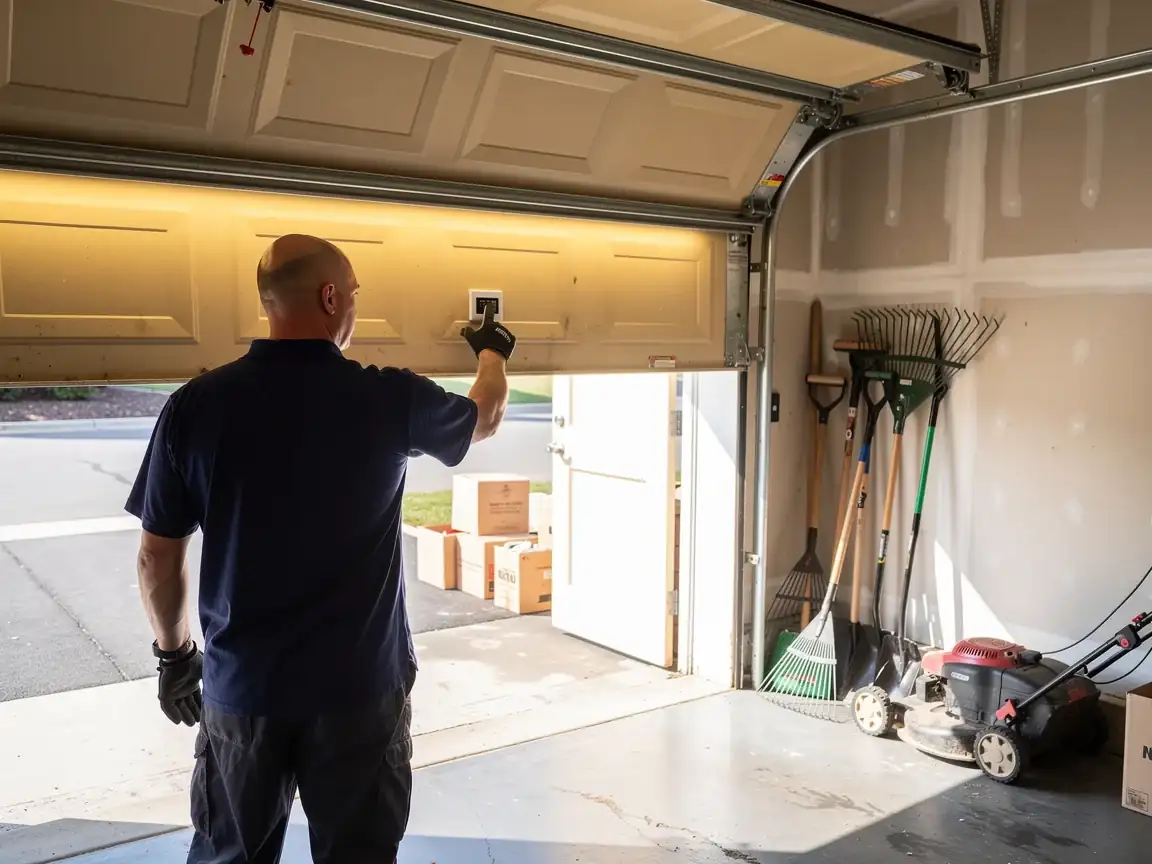
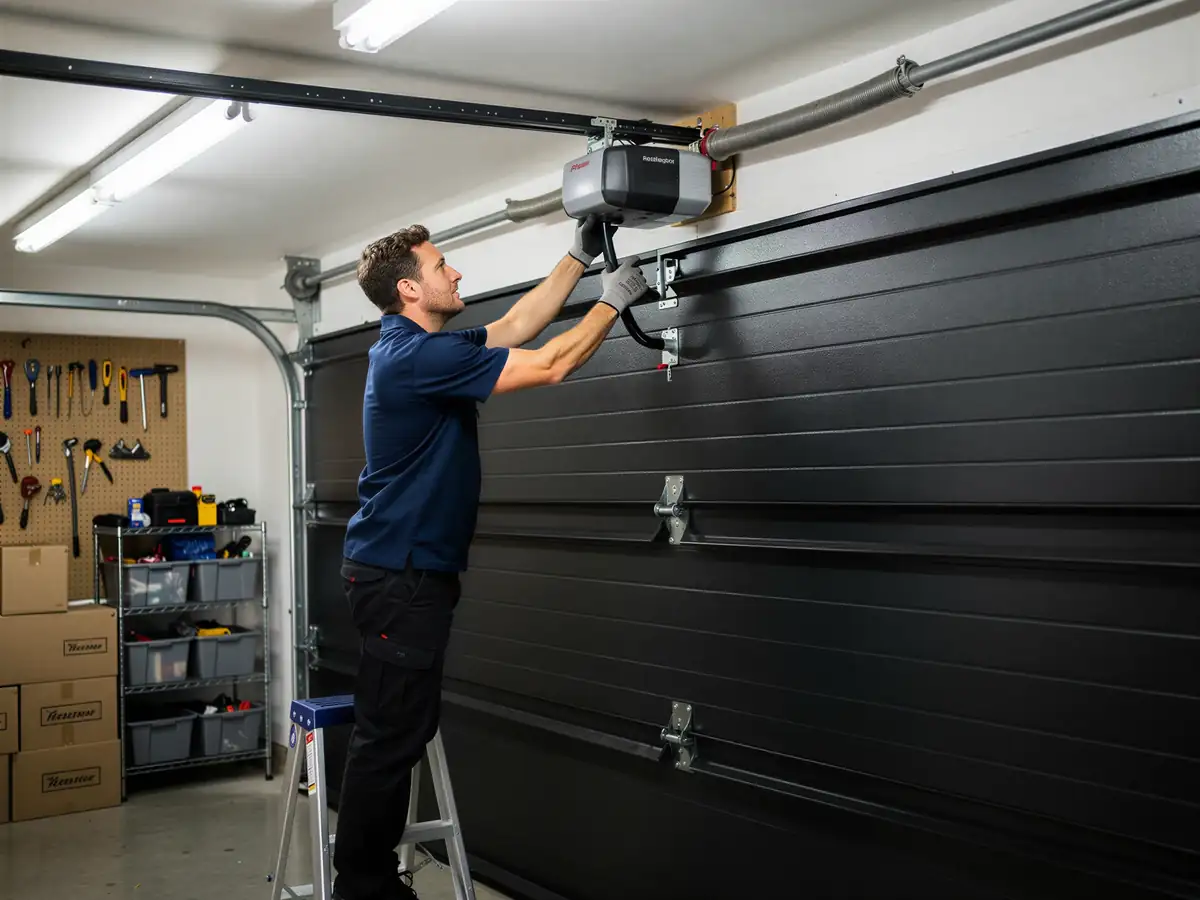
Cable repair itself is usually a same-visit job once the truck is parked and the door's inspected. The time that adds up is the drive: at 19 miles from Tomball, getting a tech to an Aldine address takes longer than it would for a closer suburb, so plan on scheduling ahead rather than expecting a same-hour arrival. Once work starts, replacing one or both cables on a standard residential door, including matching drum wear and resetting spring tension, typically runs under two hours for a tech who's done the specific hardware before. Older hardware from the early 1970s sometimes takes longer simply because the parts aren't a direct swap for what's stocked for newer doors.
What Is on the Truck
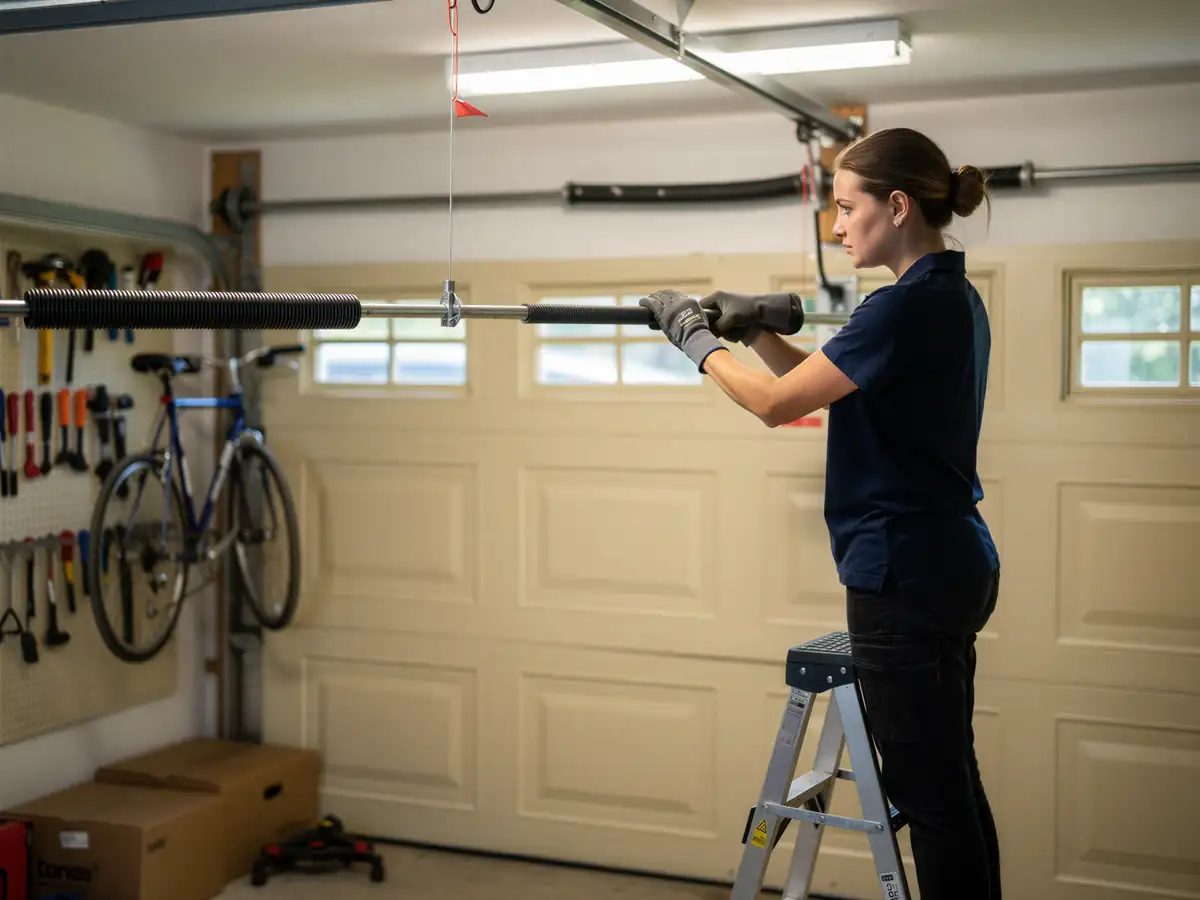
For cable work we carry lift cables in the common residential gauges, replacement drums sized for both older and current torsion systems, and winding bars and vise grips for safely releasing spring tension before touching anything load-bearing. On a 4,196-household area like Aldine, with housing skewed toward the early side of the service area's 1971-2002 build range, we bring extra drum sizes rather than assuming one size covers the call, since older drums don't always match what's on the shelf for newer doors. What we don't carry are custom or discontinued parts for doors with hardware that's been out of production for decades - if we hit that, we'll tell you straight rather than force a mismatched part onto your door.
What the Fix Involves
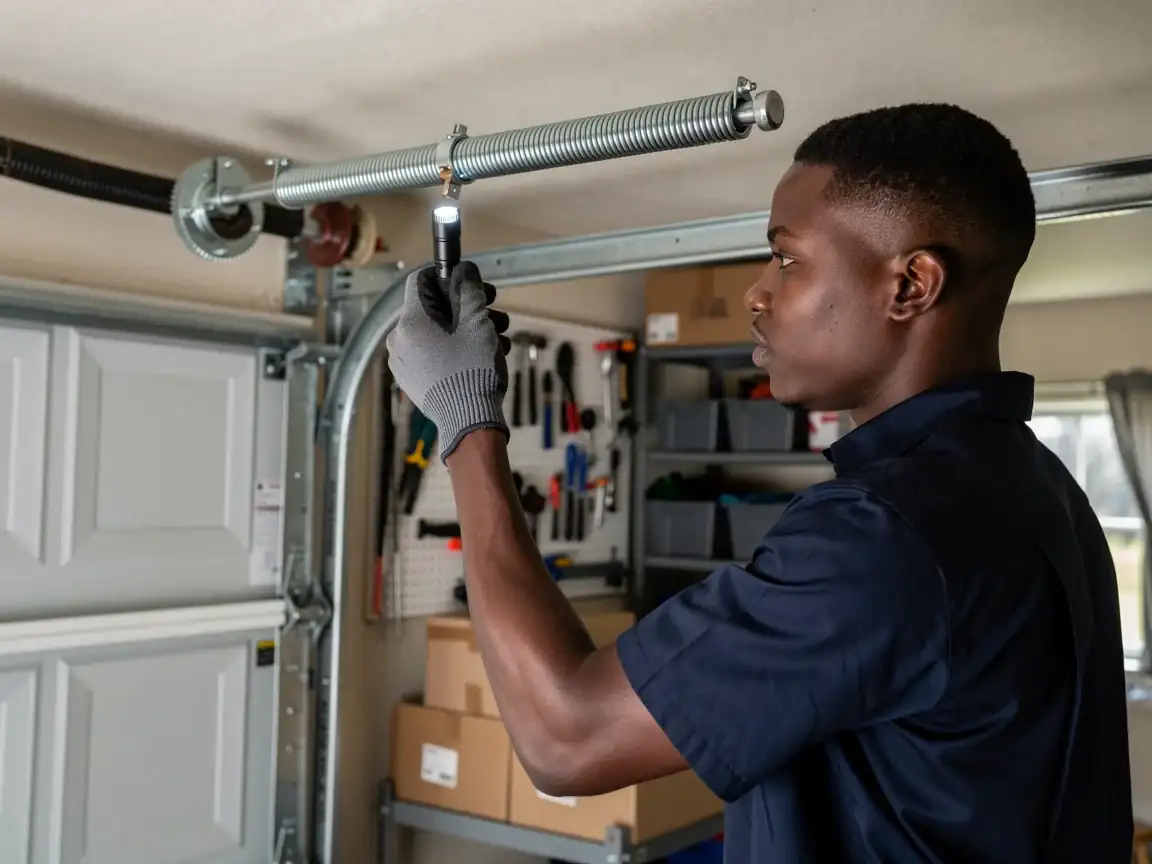
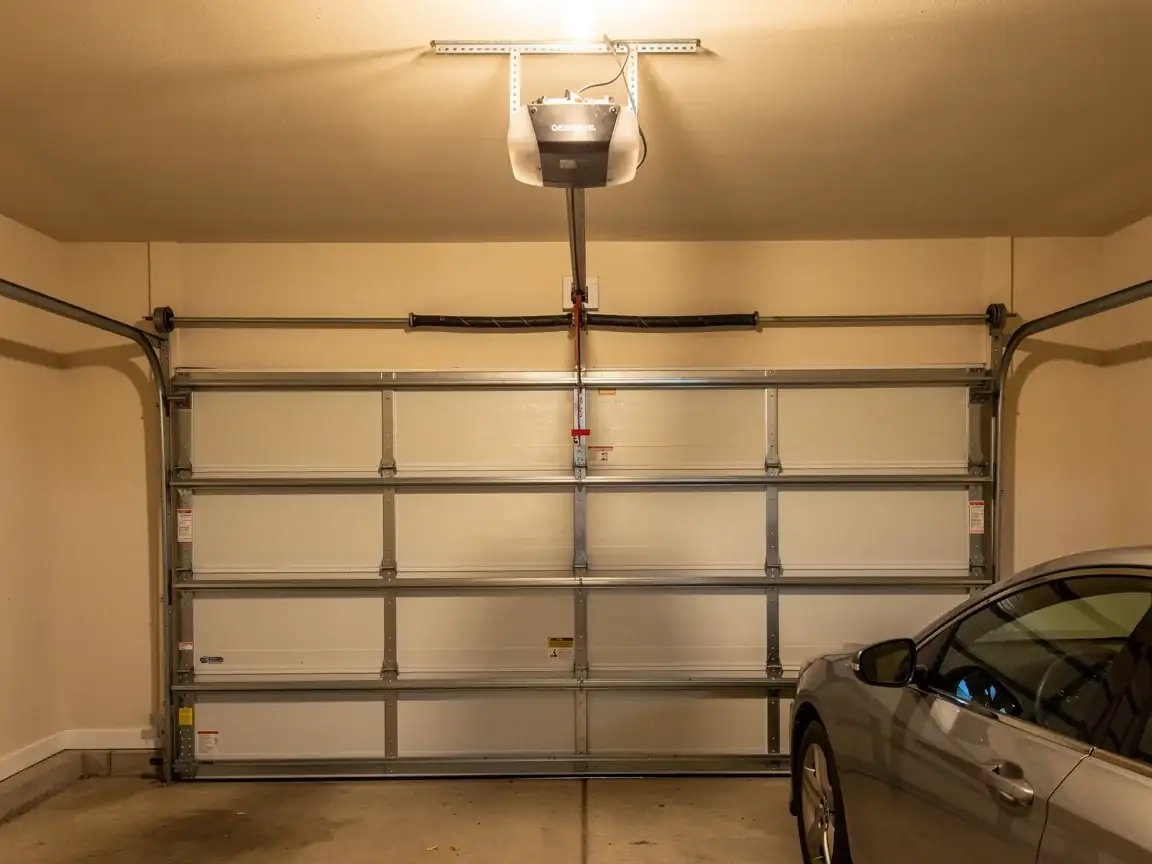
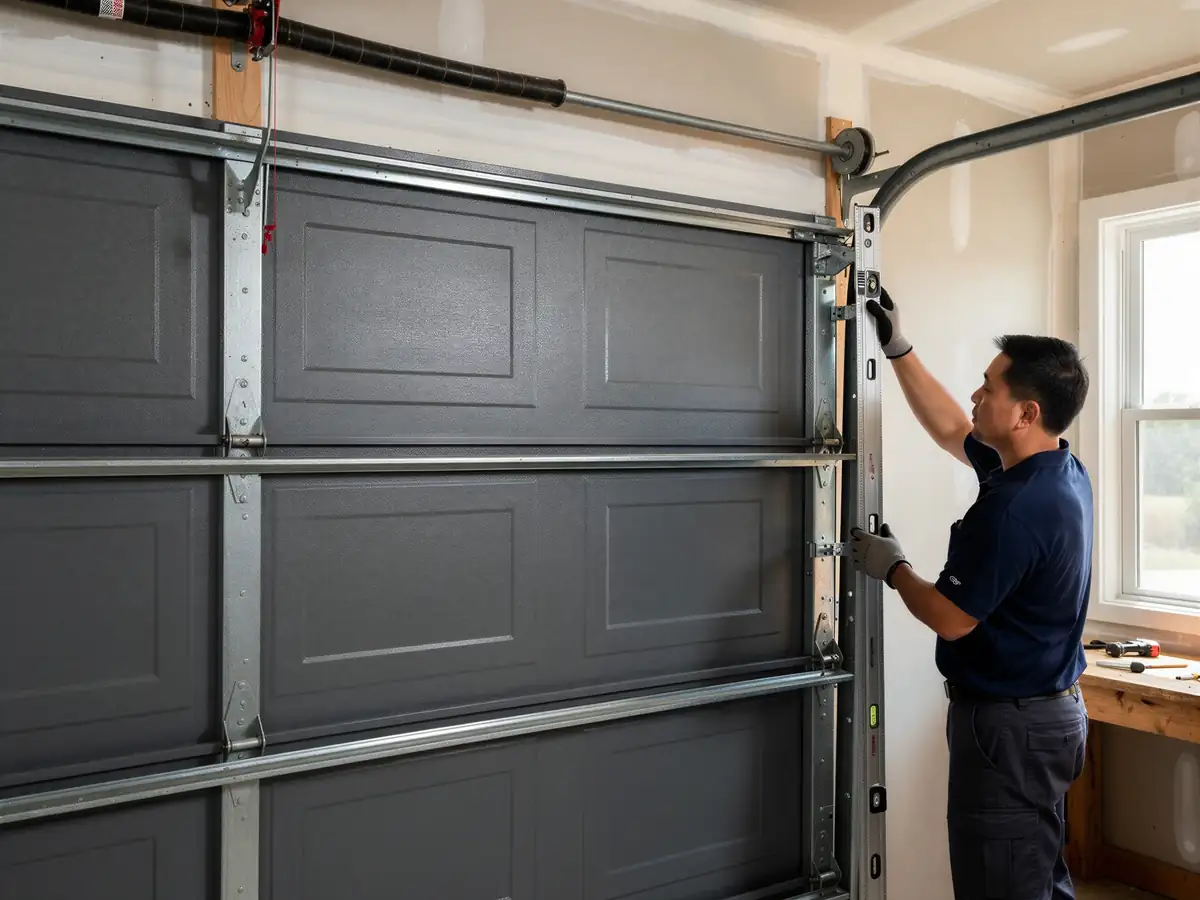
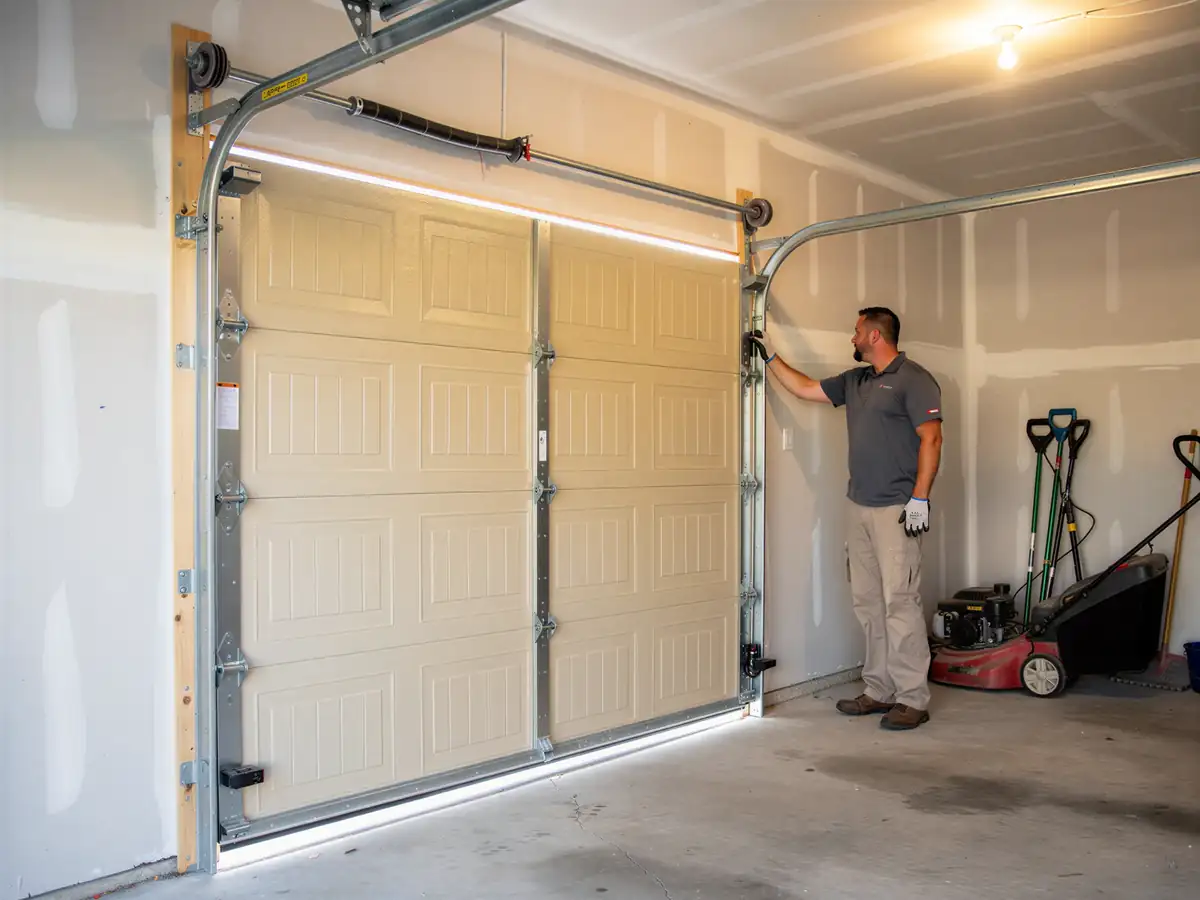
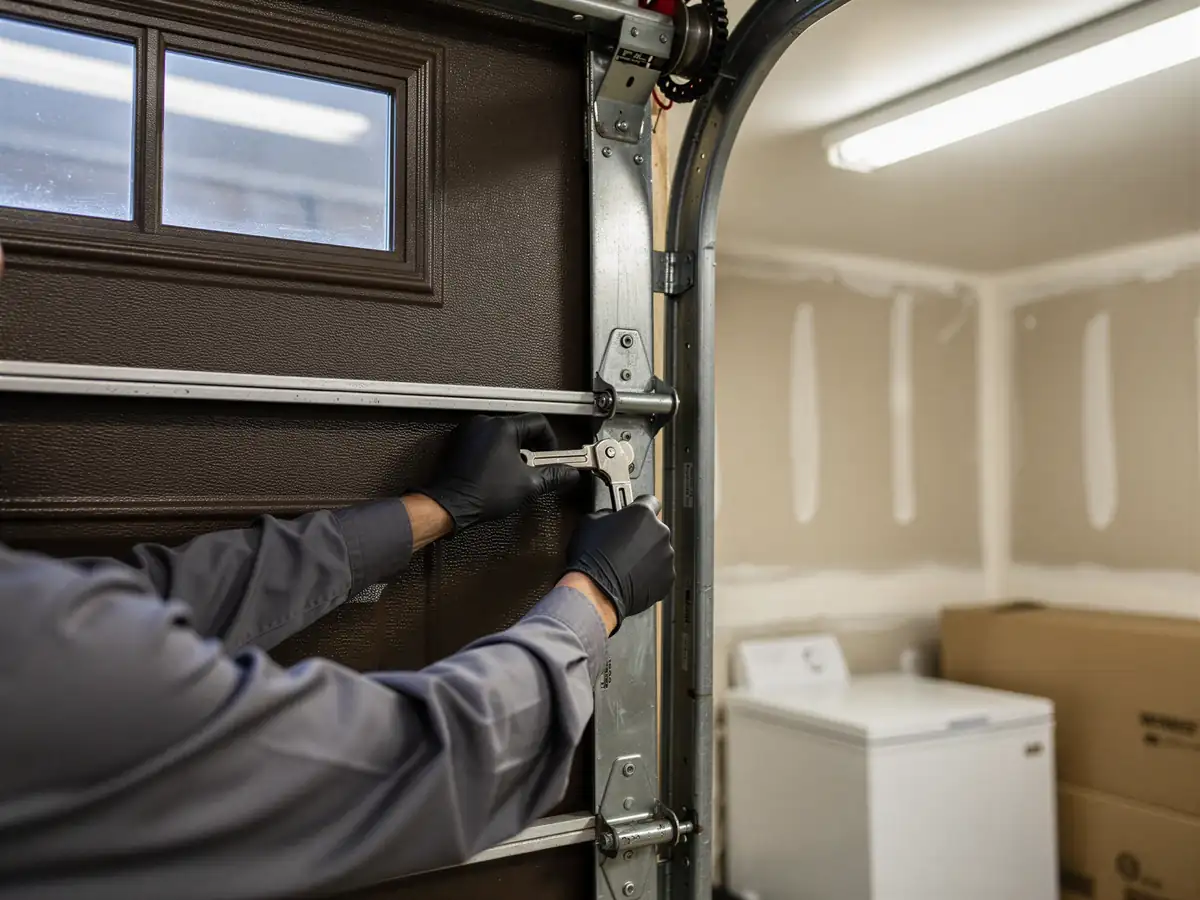
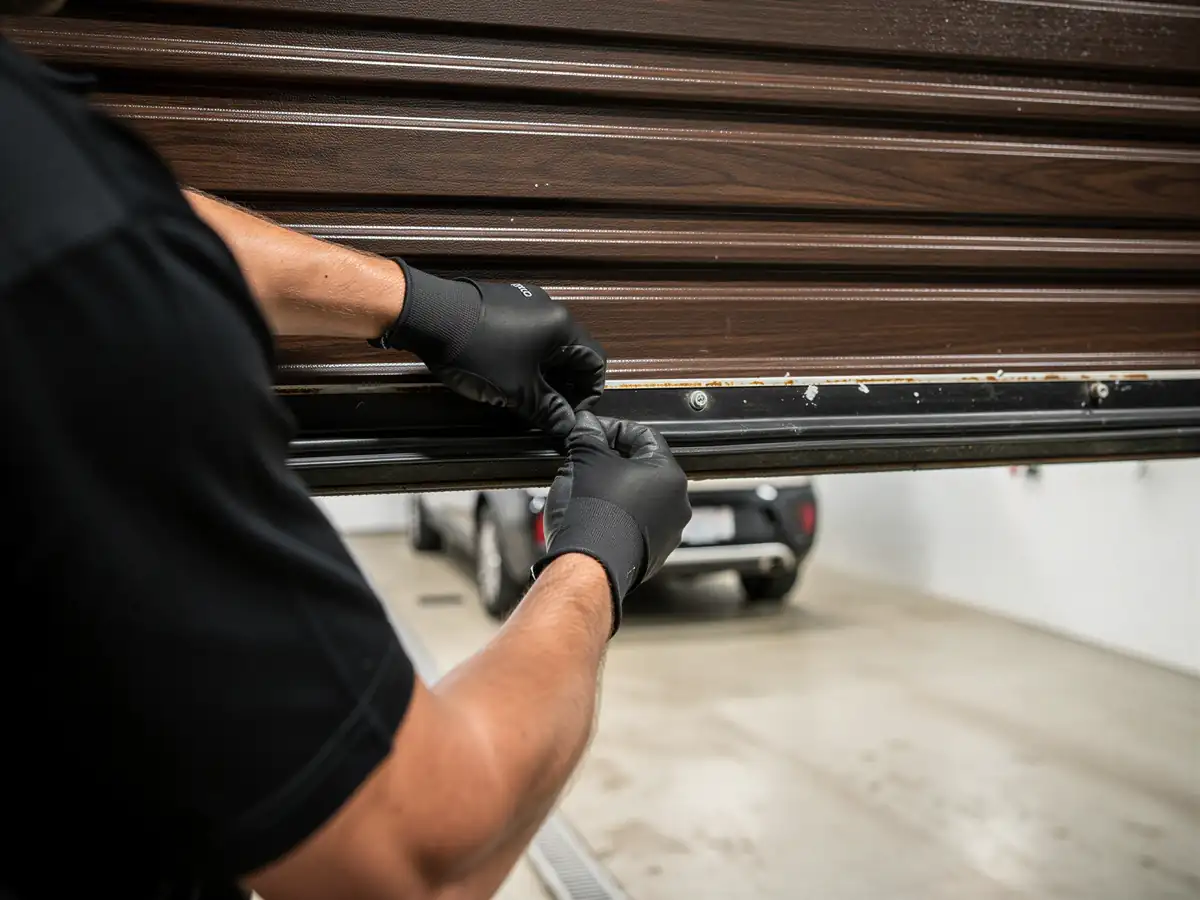
The tech releases spring tension first, always, because a cable job done with the spring still loaded is how people get hurt. Then the old cable comes off the drum and bottom bracket, the drum and track get inspected for wear or rust (more common on older hardware), and the new cable goes on matched to the existing drum size. Tension gets reset and balanced so the door doesn't drift up or slam down on its own. On a double door, we check both sides even if only one cable broke, because uneven wear is common and a second failure within weeks is the usual result of fixing only the side that already snapped. We test the door through a full open-close cycle before calling the job done.