Booking a Visit
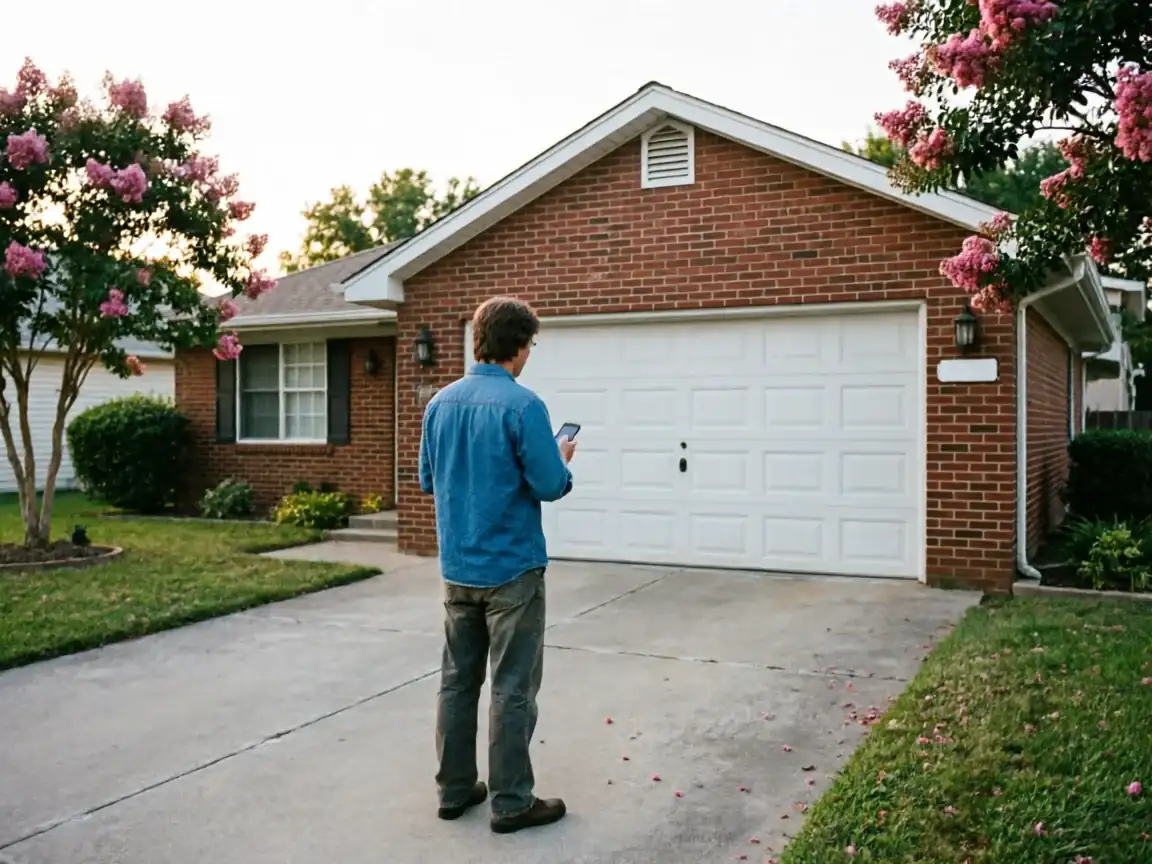
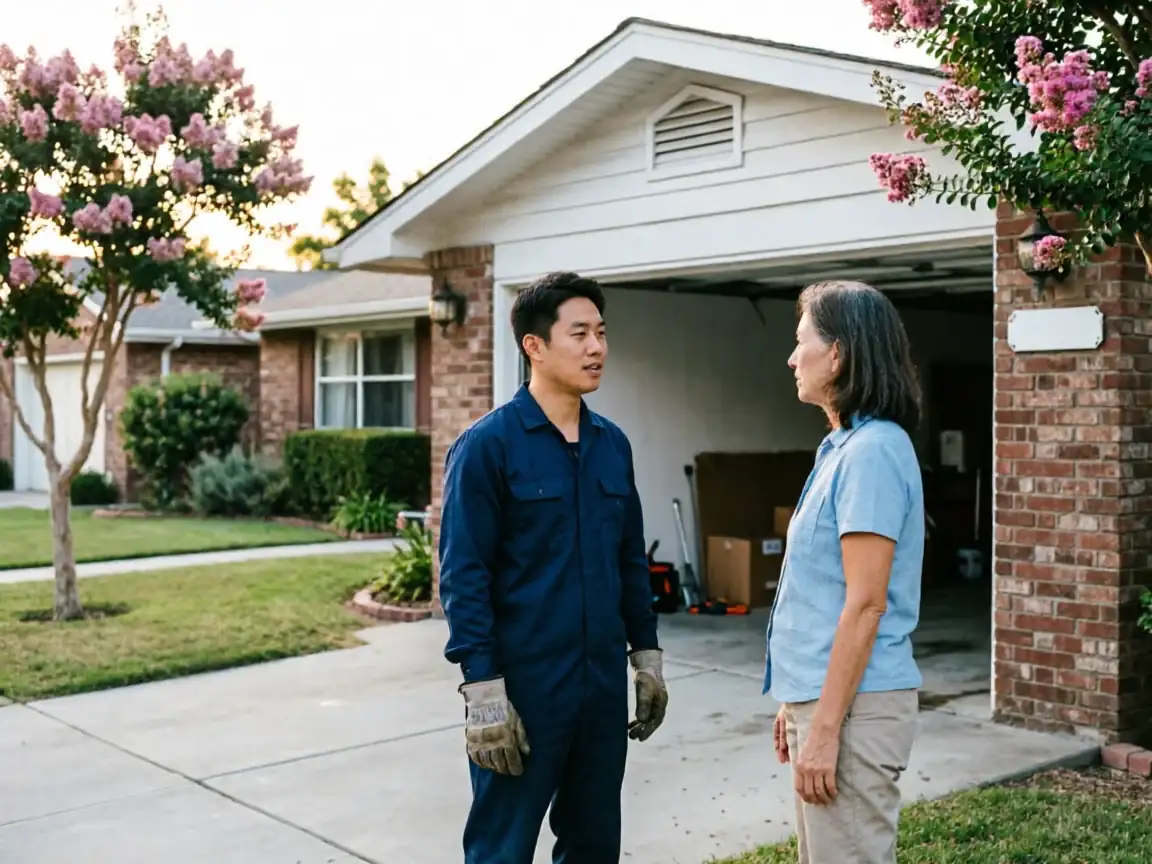
Because the drive runs 19 miles each way, we schedule Aldine calls in a block rather than treating them as a quick add-on between closer jobs. When you call, tell us your door's age if you know it - if the house dates close to 1971, that changes what we bring. We don't keep a branch or a crew stationed in Aldine; every job here is dispatched from Tomball, so booking a specific window matters more than it would for a town five minutes from the shop. We're upfront that we can't promise a same-day fix on short notice at this distance, though we'll always tell you honestly where you land in the schedule rather than guess.
How Long It Takes
Most spring or opener repairs run an hour to two once the truck is on site, same as anywhere else - the difference in Aldine is what happens before the tech touches the door. Add roughly 40 minutes of drive time each way to and from Tomball, which we build into the appointment window we give you rather than hiding it. If the job turns out to need a part we don't carry stocked for older torsion hardware common in houses built around 1971, that can mean a second trip. We'd rather tell you that upfront than have you wait by a door that's still broken.
What Is on the Truck
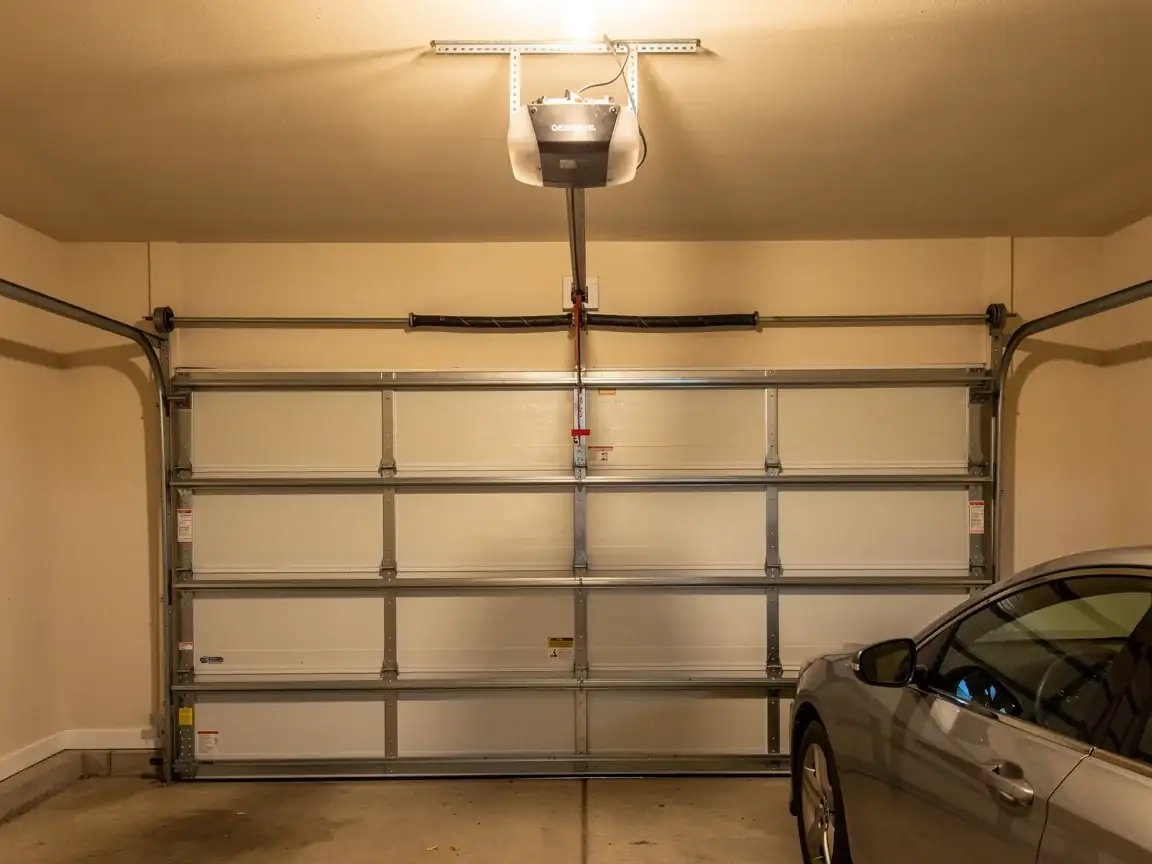
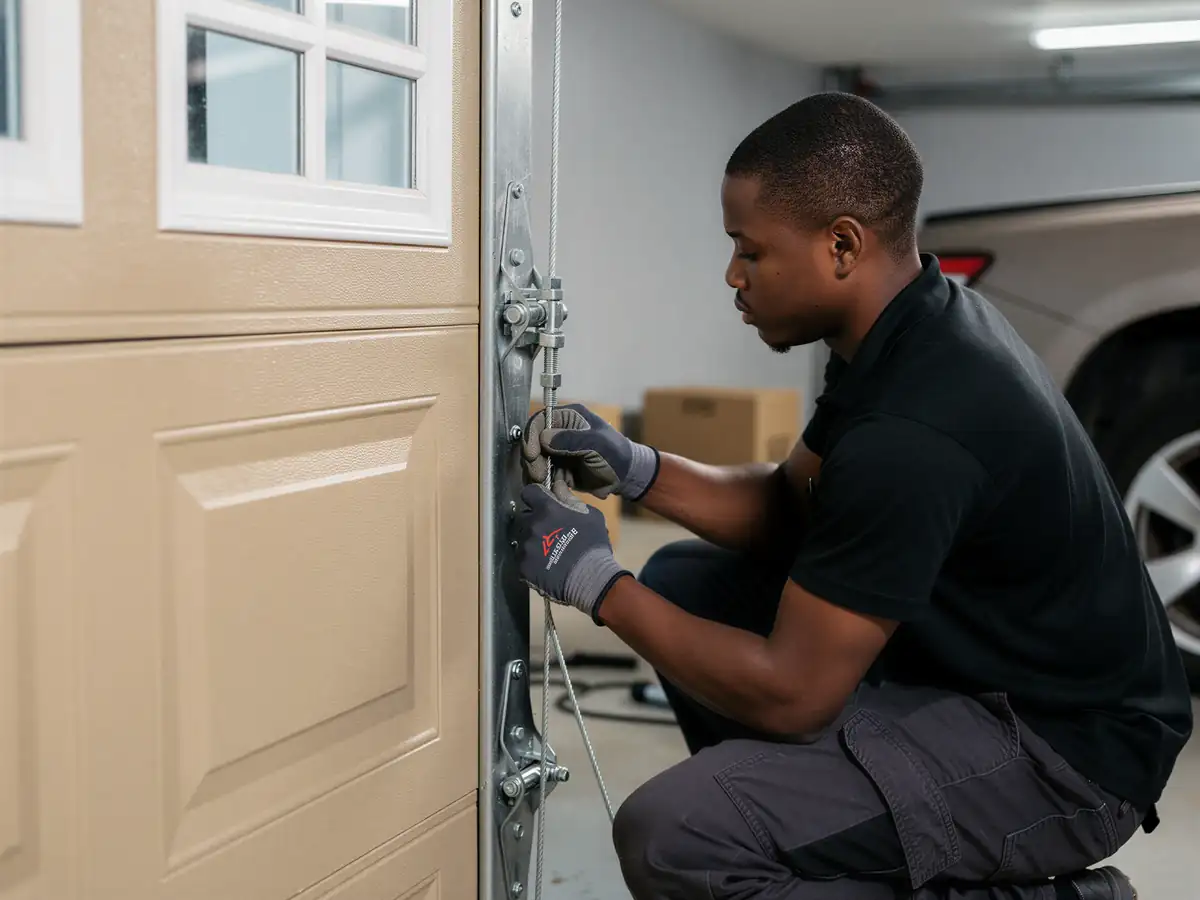
For a town with 1971-era housing, we load torsion springs sized for older heavier doors, replacement rollers and hinges rated for higher cycle counts, and a stock of universal opener logic boards since original units from that period are long out of production. We also bring extension cables and drums sized for the narrower track common on older single-door setups, since Aldine's housing mix leans toward smaller original garages rather than the wider double-door bays common in newer builds elsewhere in our coverage. One honest limit: if your door needs a specialty panel to match an original design no longer manufactured, we may not have it on the truck, and matching an exact discontinued panel can mean a special order rather than a same-visit fix.
What the Fix Involves
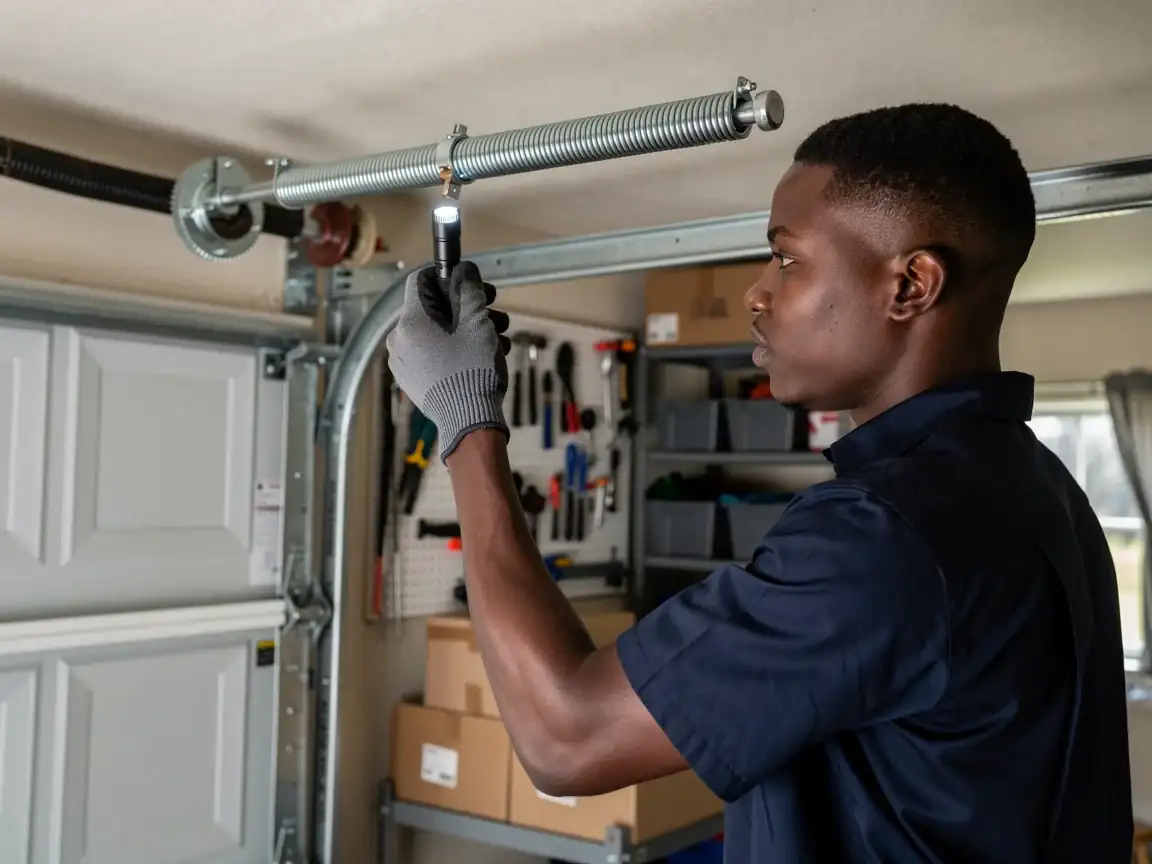
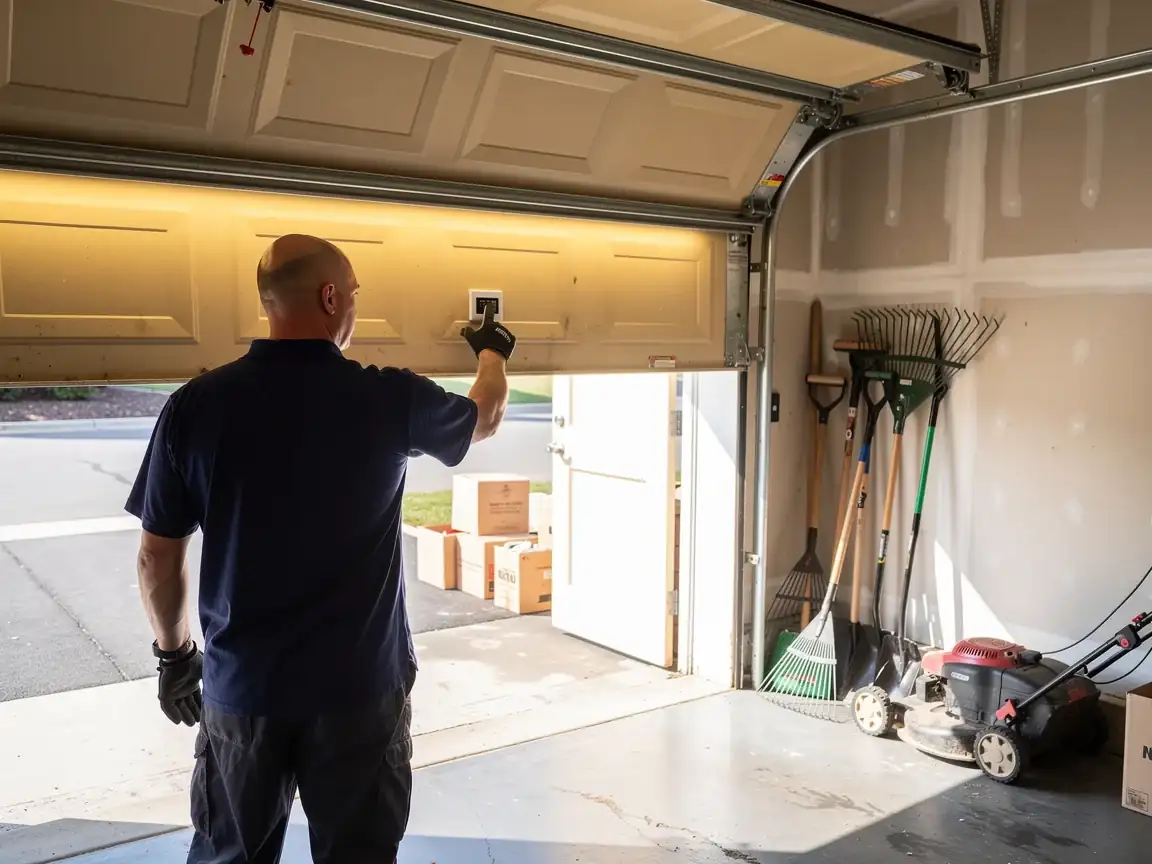
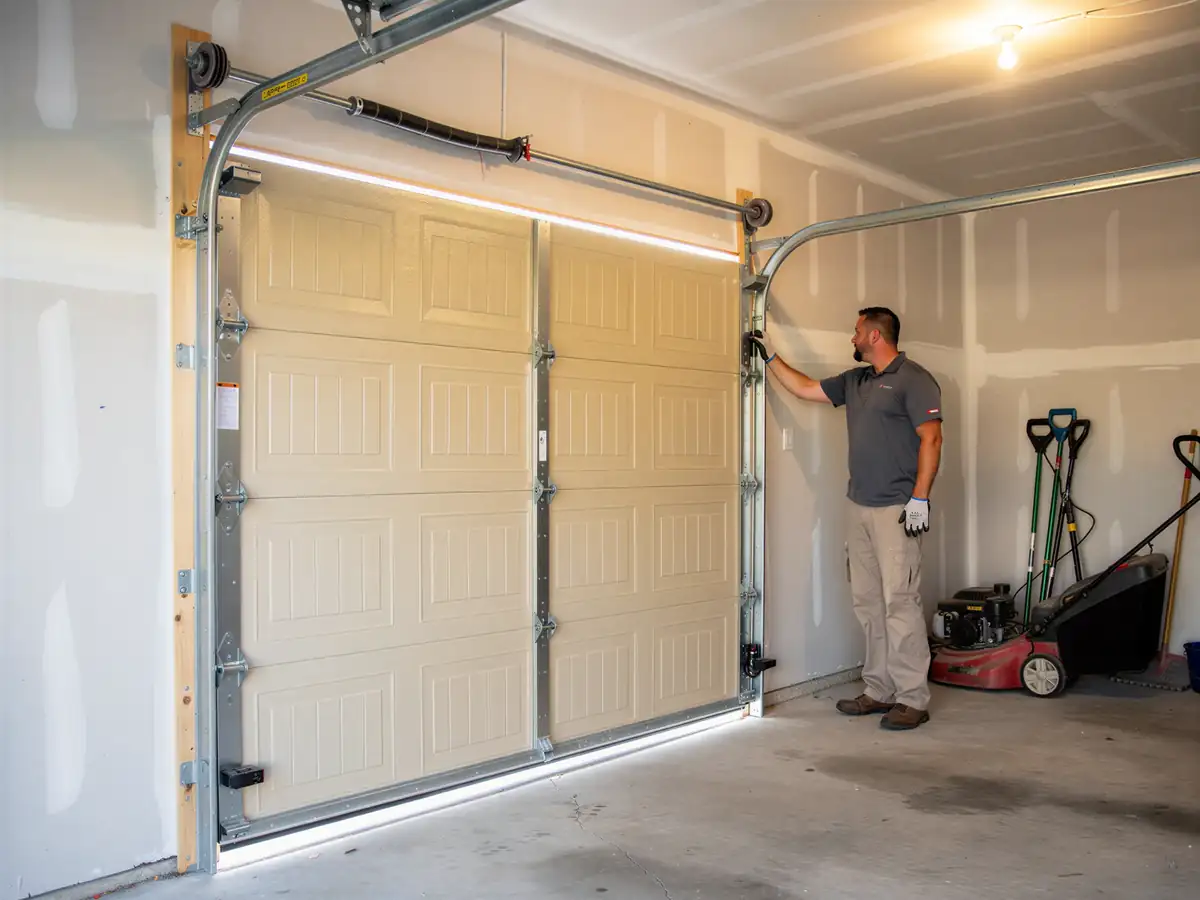
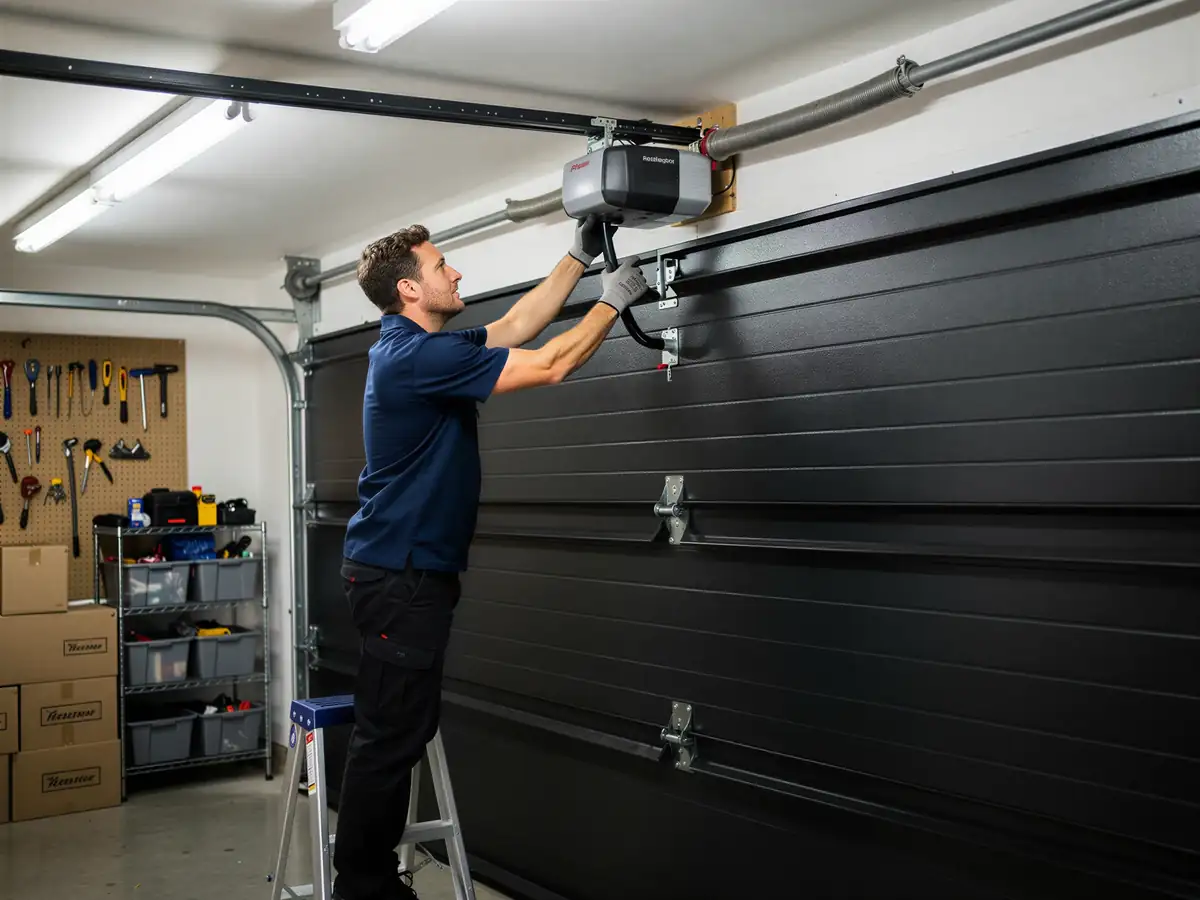
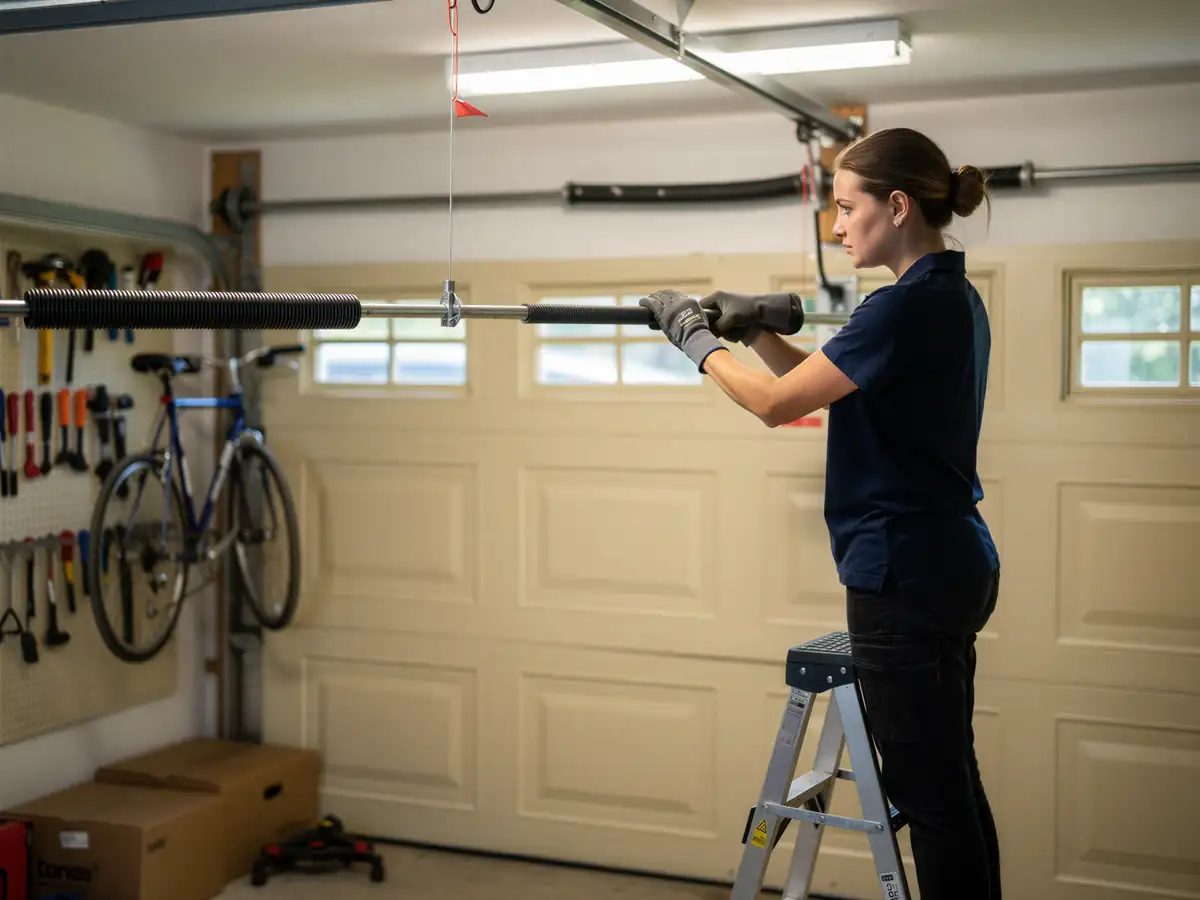
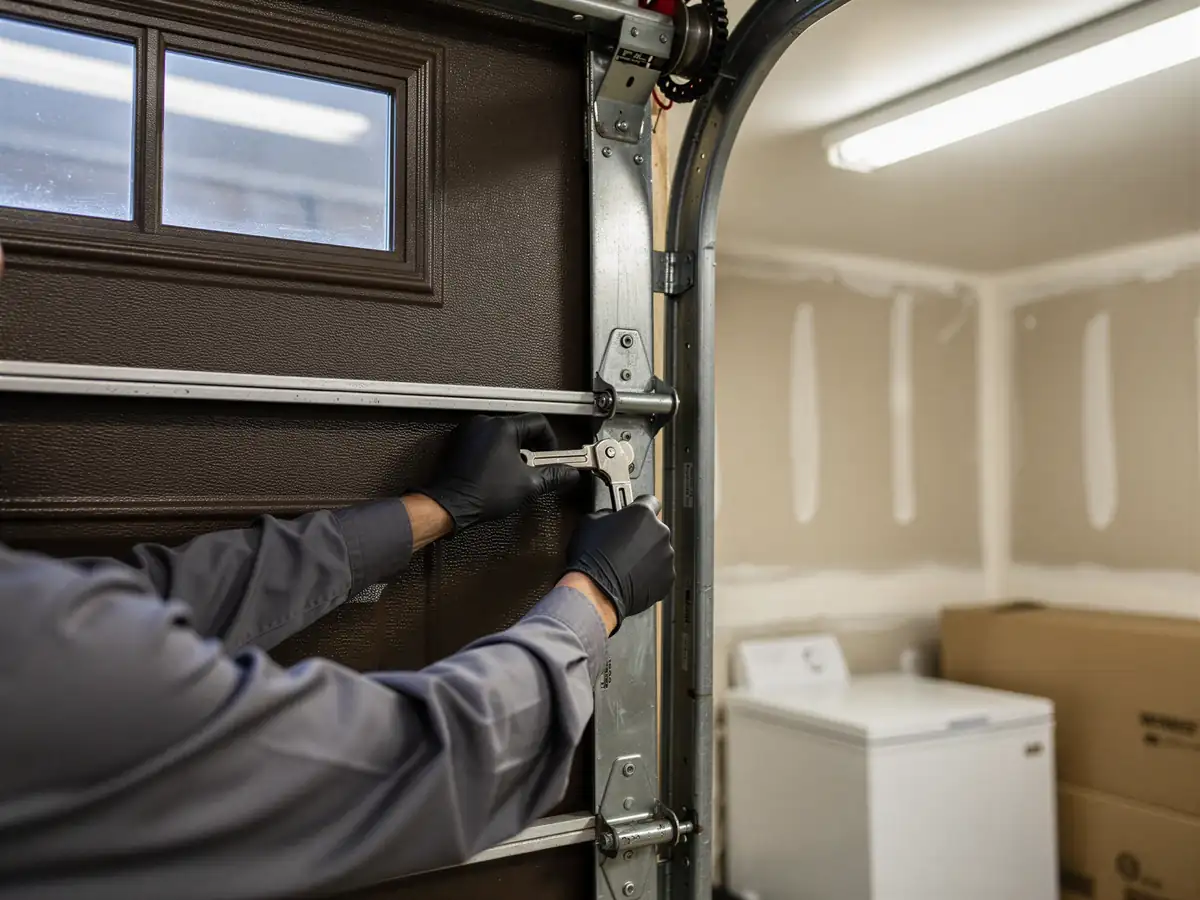
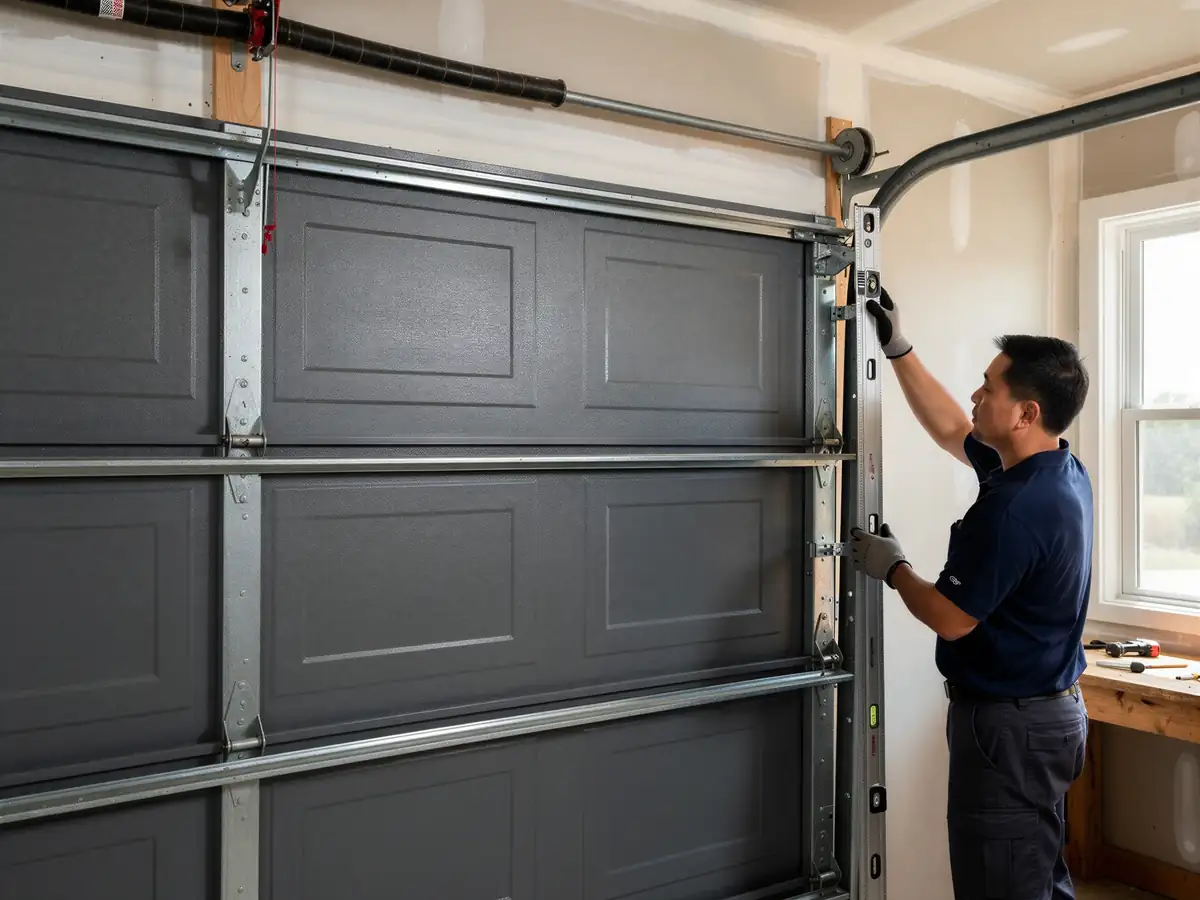
On an older torsion spring, the fix starts with unwinding the broken spring safely, measuring the drum and shaft for the correct replacement size, and checking the bearing plates for wear before anything goes back together - skipping that step on a house built near 1971 is how you end up back out here in six months. If the opener is the problem, we test the logic board and the sensors before replacing anything, since a $20 sensor swap beats a new opener more often than people expect. For doors showing general wear tied to age rather than one clear failure, we'll walk you through what's worth fixing now versus what's worth replacing - a 1971-era door with a tired spring is usually a repair, but a frame that's racked from decades of settling sometimes isn't worth chasing.