What the Fix Involves
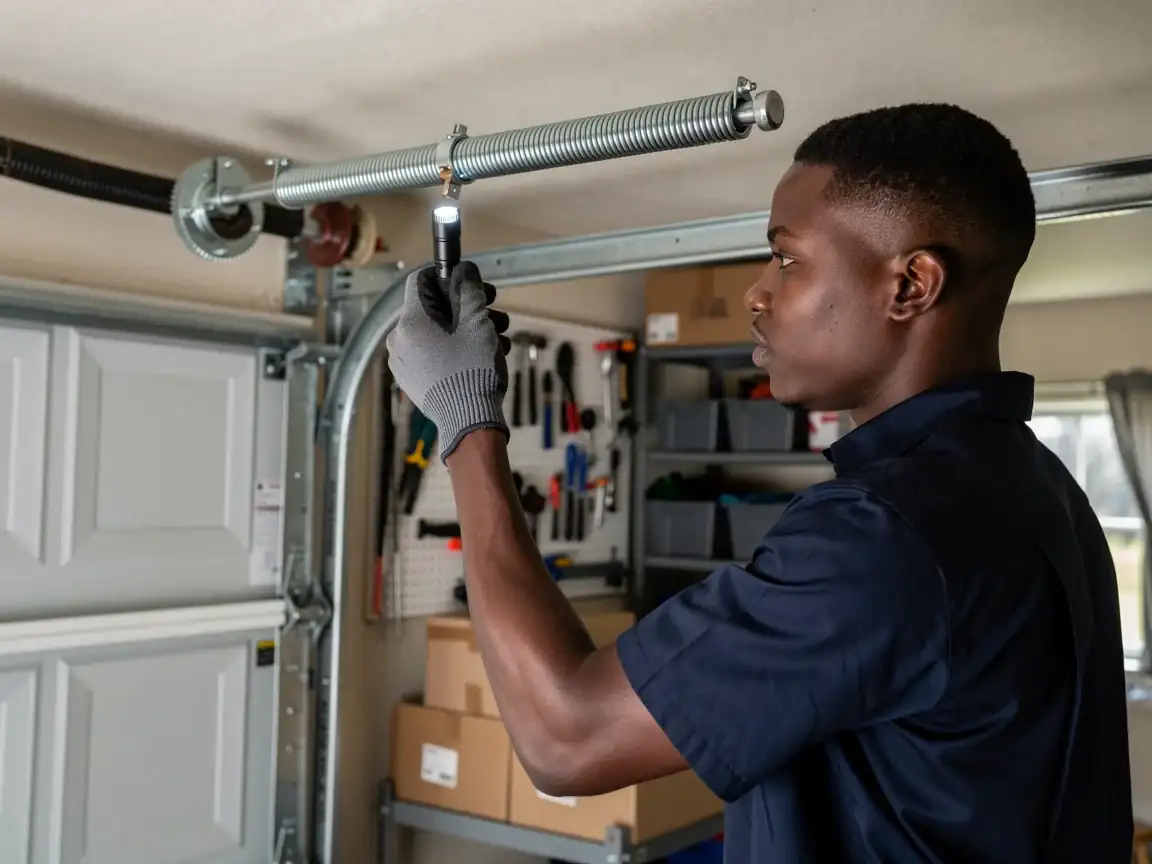
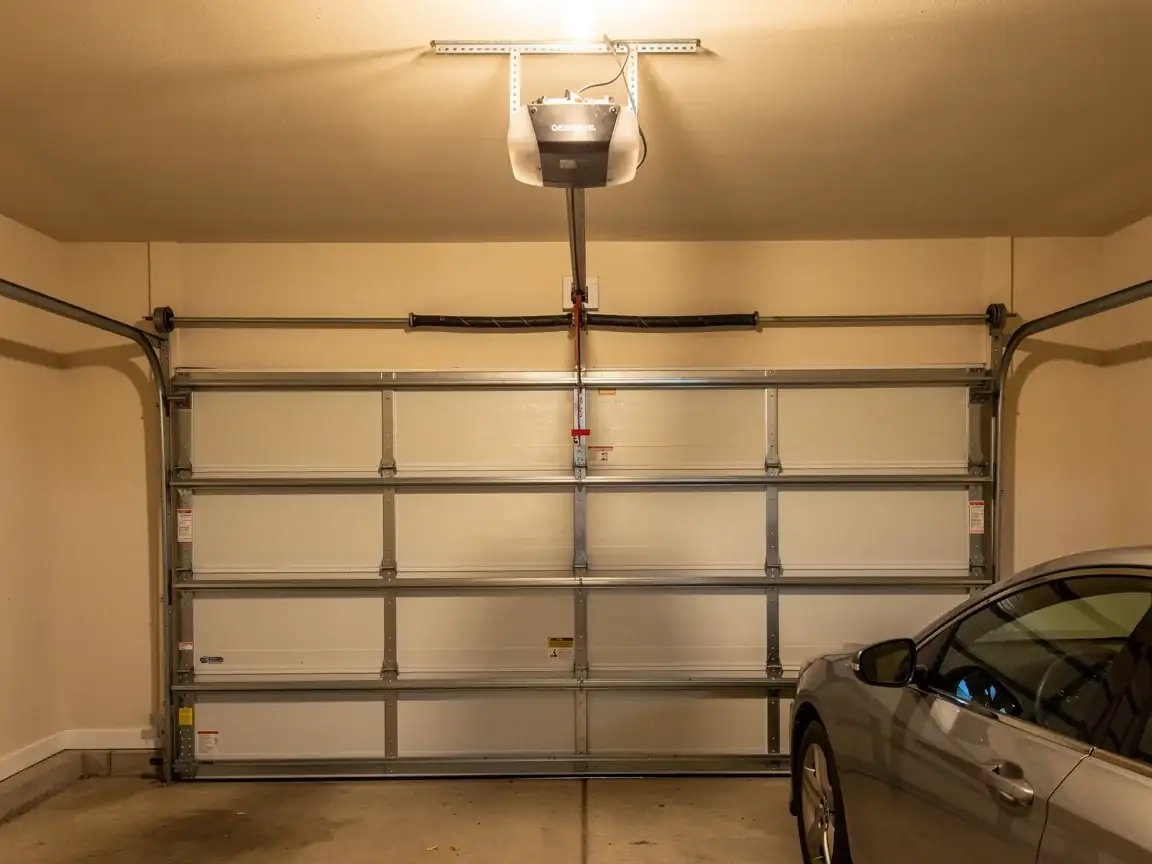
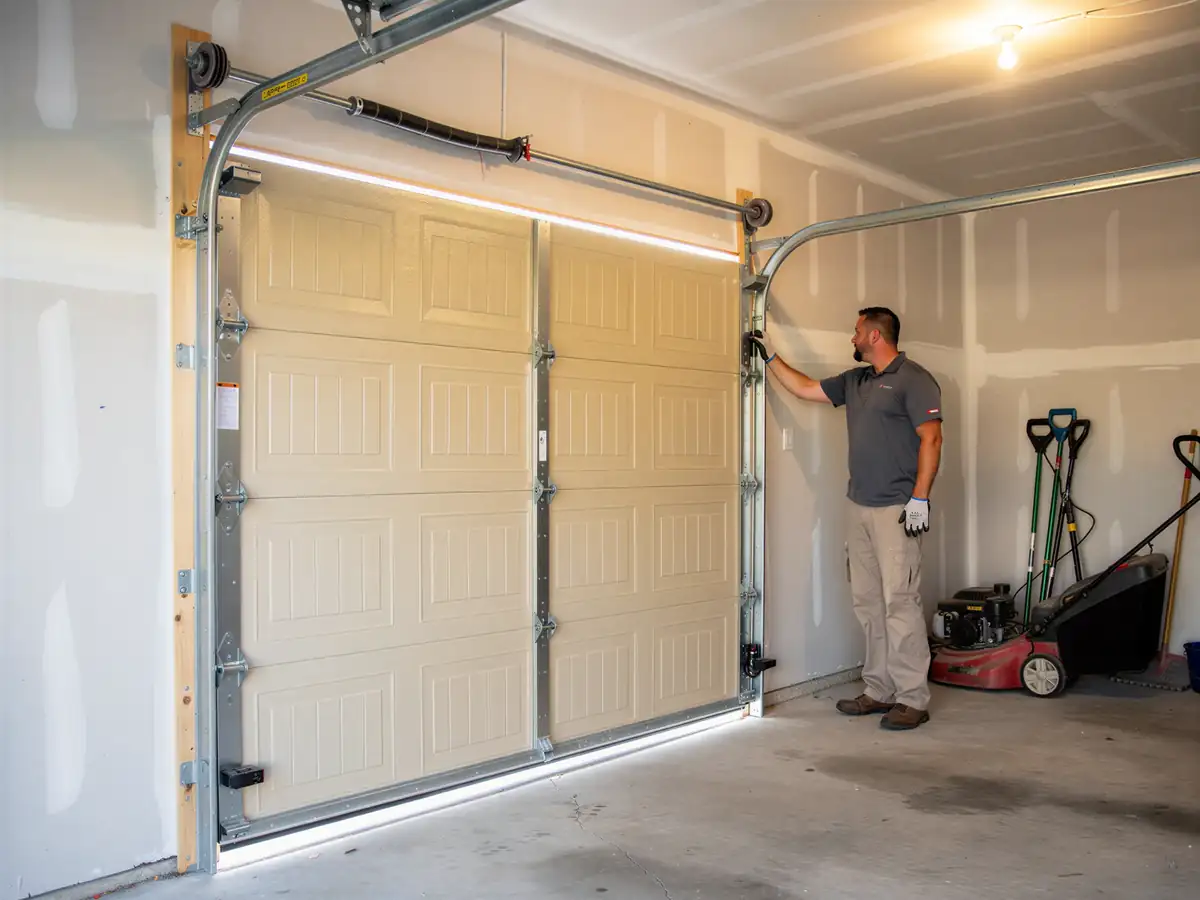
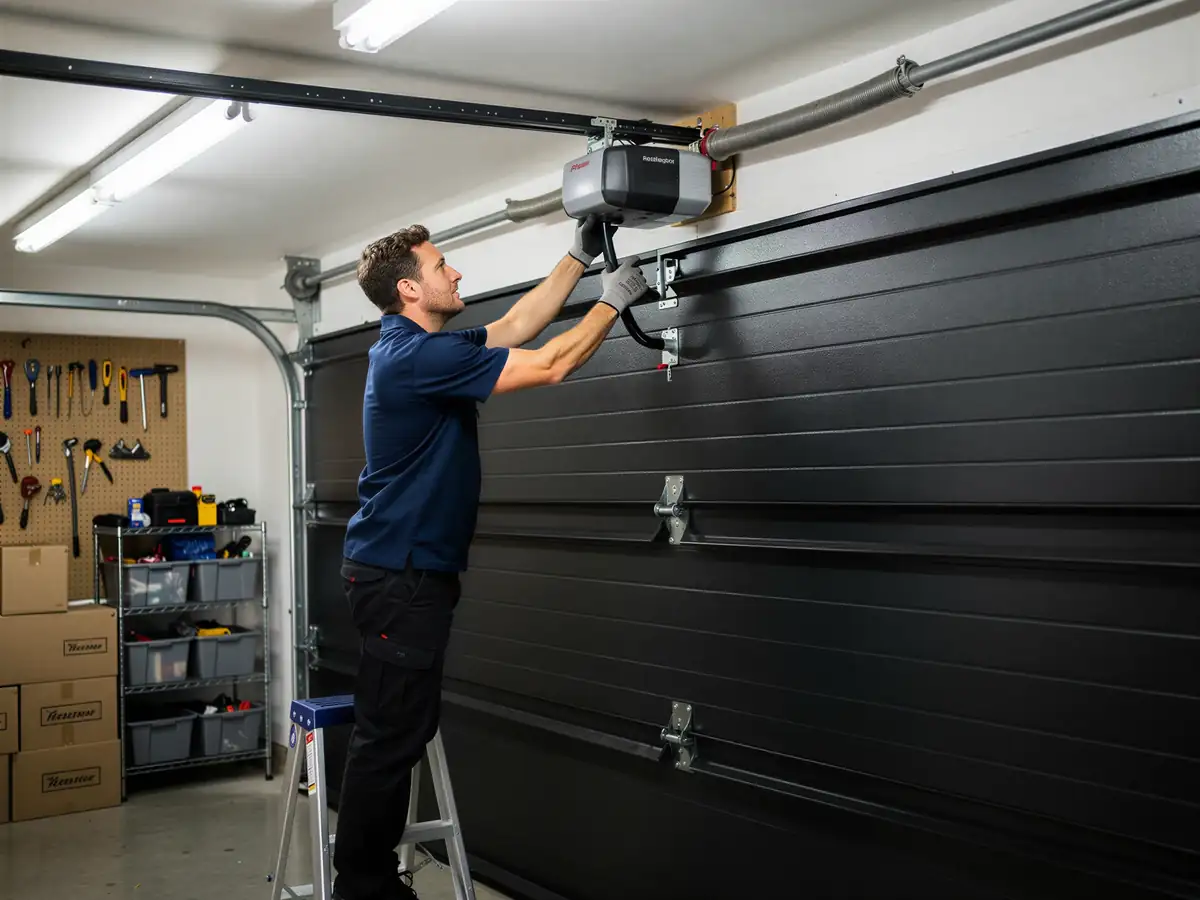
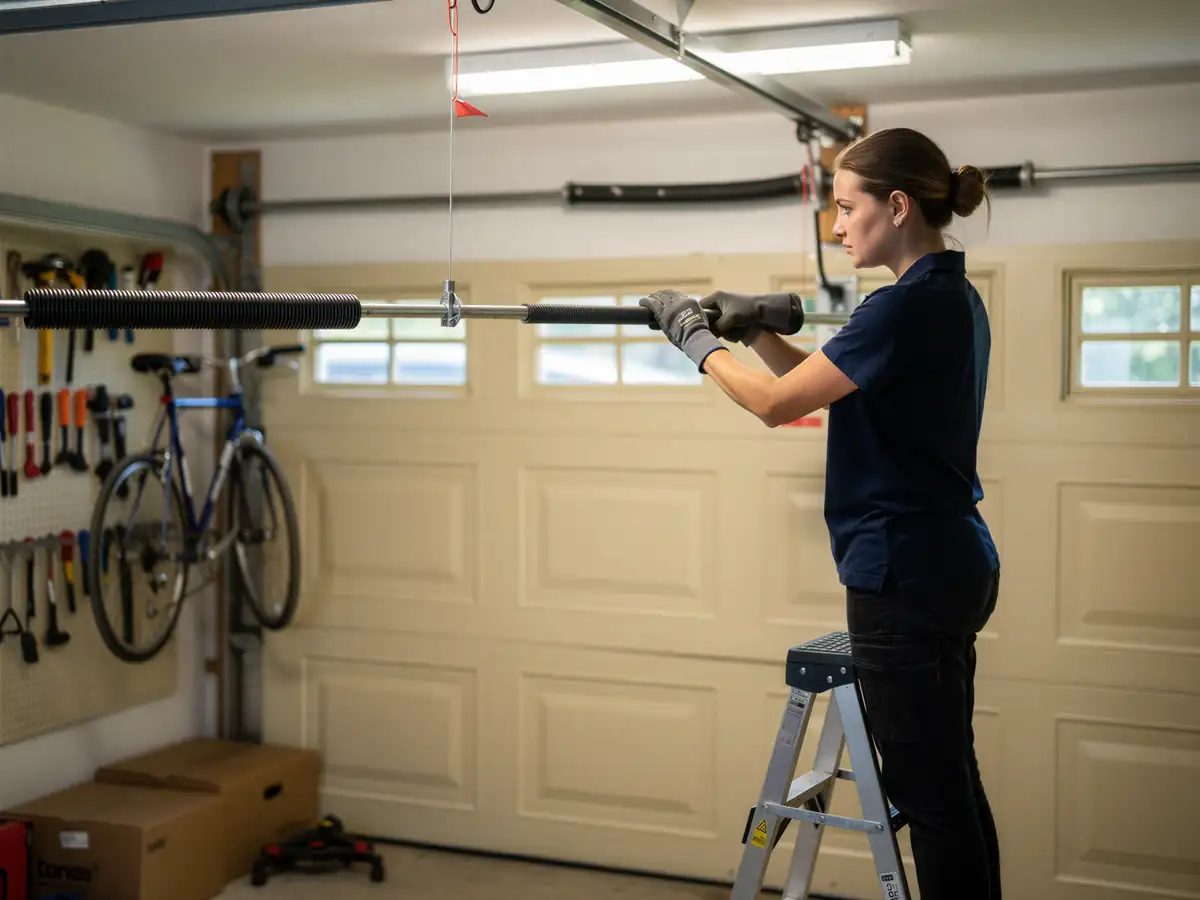
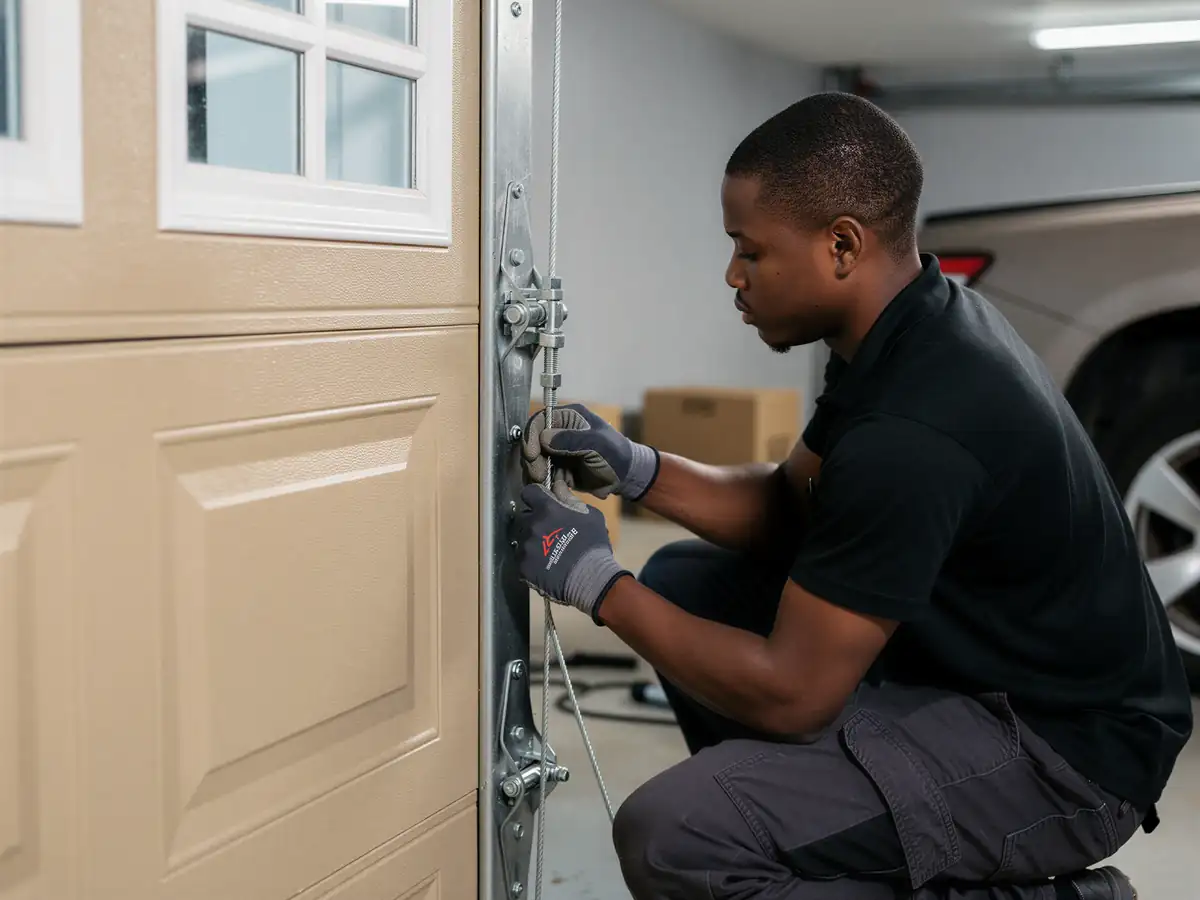
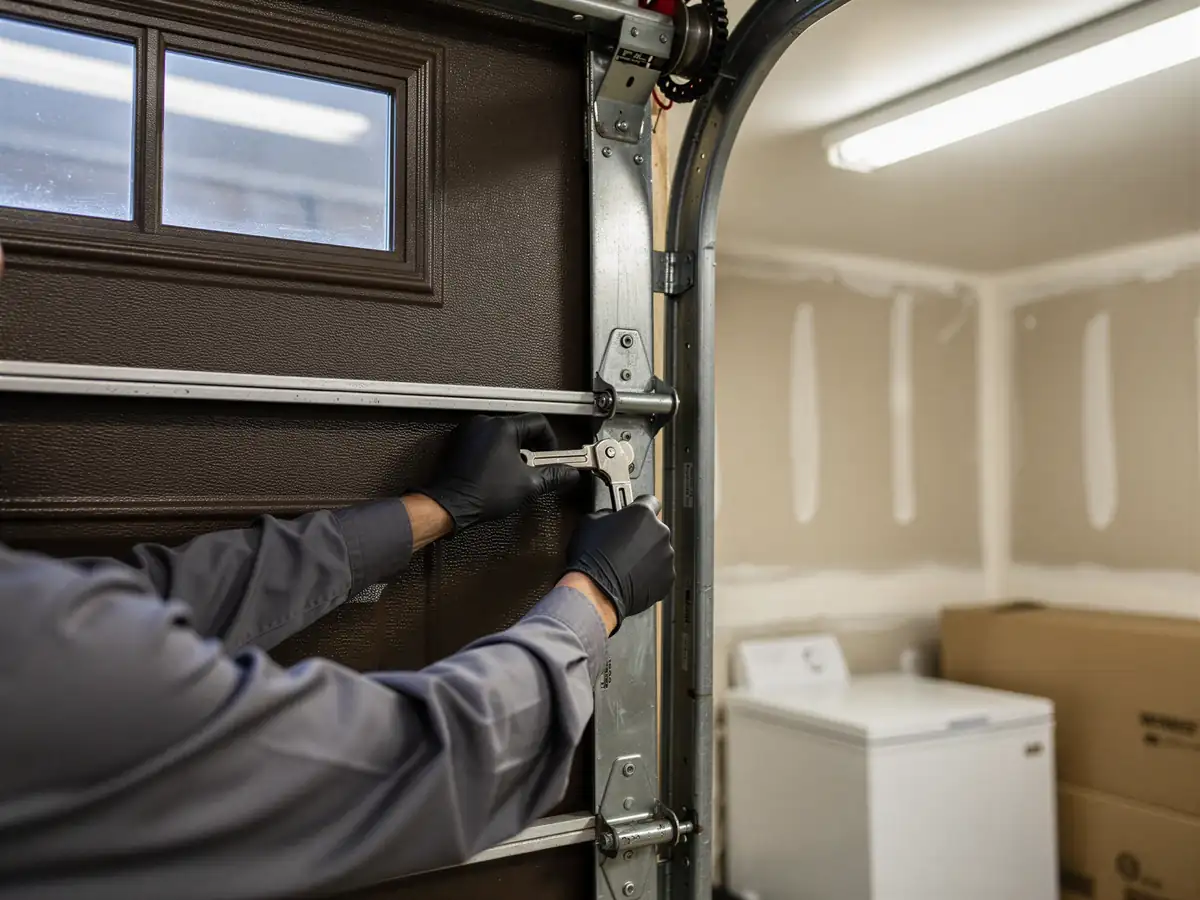
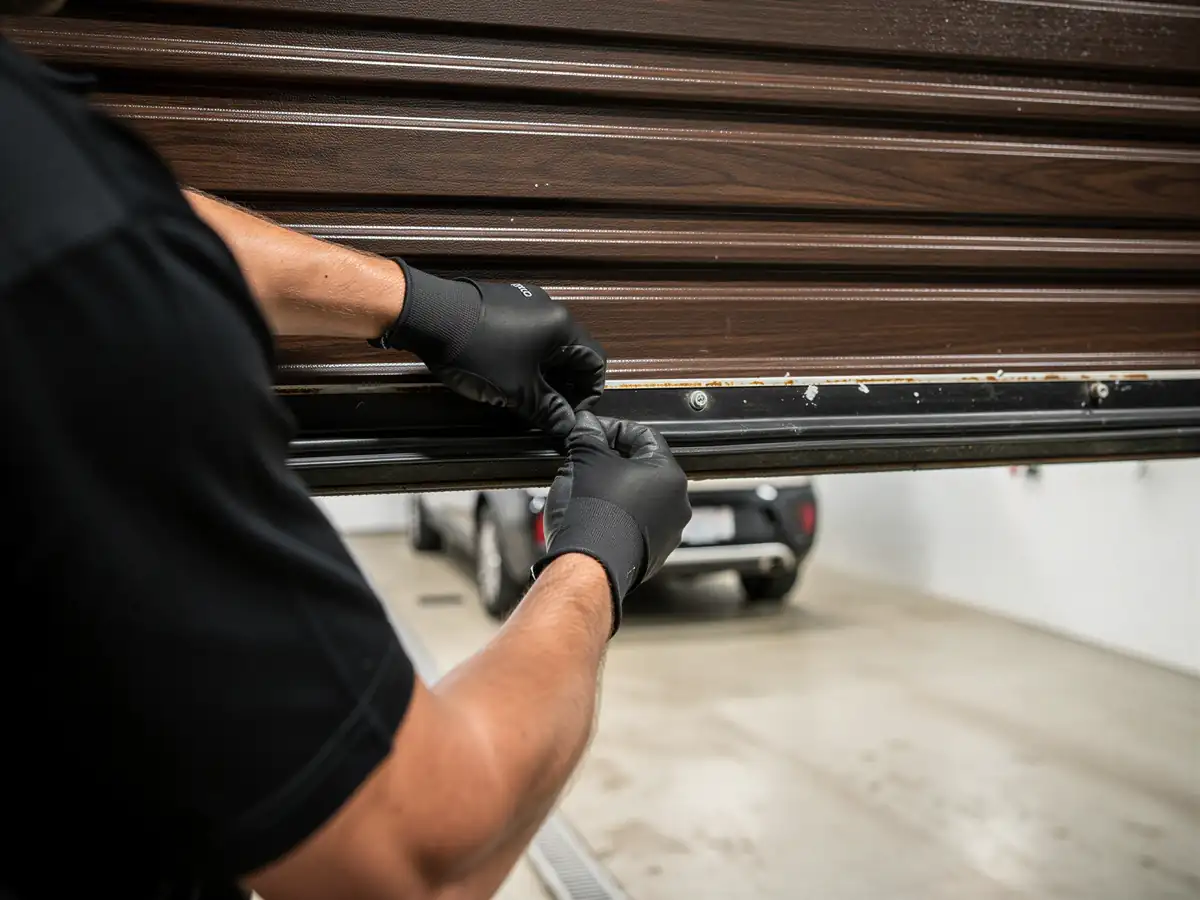
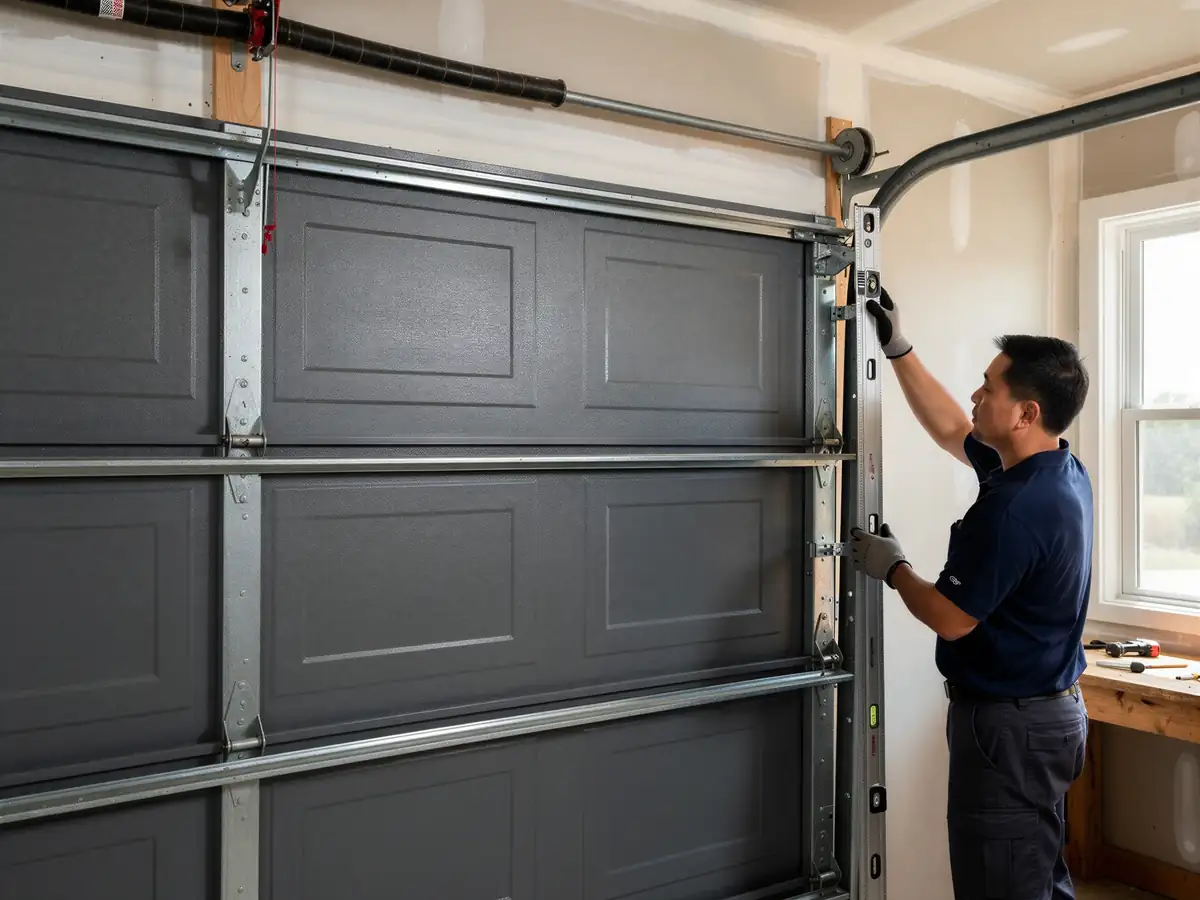
On a door built around 1990, the question we ask first isn't what's broken, it's what's still original. A lot of these houses have never had the torsion spring replaced - one spring, rated for a certain number of cycles, quietly wearing down for over three decades. When it finally lets go, the door either won't lift or slams down fast, and that's usually the call we get. The fix is a spring swap matched to the door's weight and the opening size, plus a check of the cable drums and end bearings, since those wear on the same clock as the spring. If the opener is original too, we're often looking at a chain-drive unit with a worn gear or a dead logic board, not a quick belt adjustment. We replace what's failed, not what's merely old, so if the track and rollers are still running true we leave them alone. The honest limitation here: some original parts from this era, especially certain opener gear kits, are slow to source, and if a part isn't common stock we'll tell you the real wait instead of guessing.
What Is on the Truck
Because Pinehurst sits inside the same 1971-2002 housing band as the rest of the area we cover, we stock springs and cable sized for the doors that actually show up here - not a generic assortment. That means torsion springs in the wind and length that match a late-80s to mid-90s double door, standard-lift cable, and the roller and bearing sizes that fit side-mounted torsion hardware rather than newer extension-spring setups. We also carry common opener parts for chain-drive units, since that drivetrain shows up often in houses built before garage doors became a standard builder upgrade item. What we don't carry is every obsolete logic board or gear kit a 1990 opener might need - if your unit takes a part that's gone out of production, we'll confirm it before we order rather than charge you for a guess. Climate-wise, this area runs a moderate heat band, so we're not stocking cold-weather seal kits that make sense further north; the wear we see here is mechanical fatigue from cycles and heat, not winter contraction.
Booking a Visit
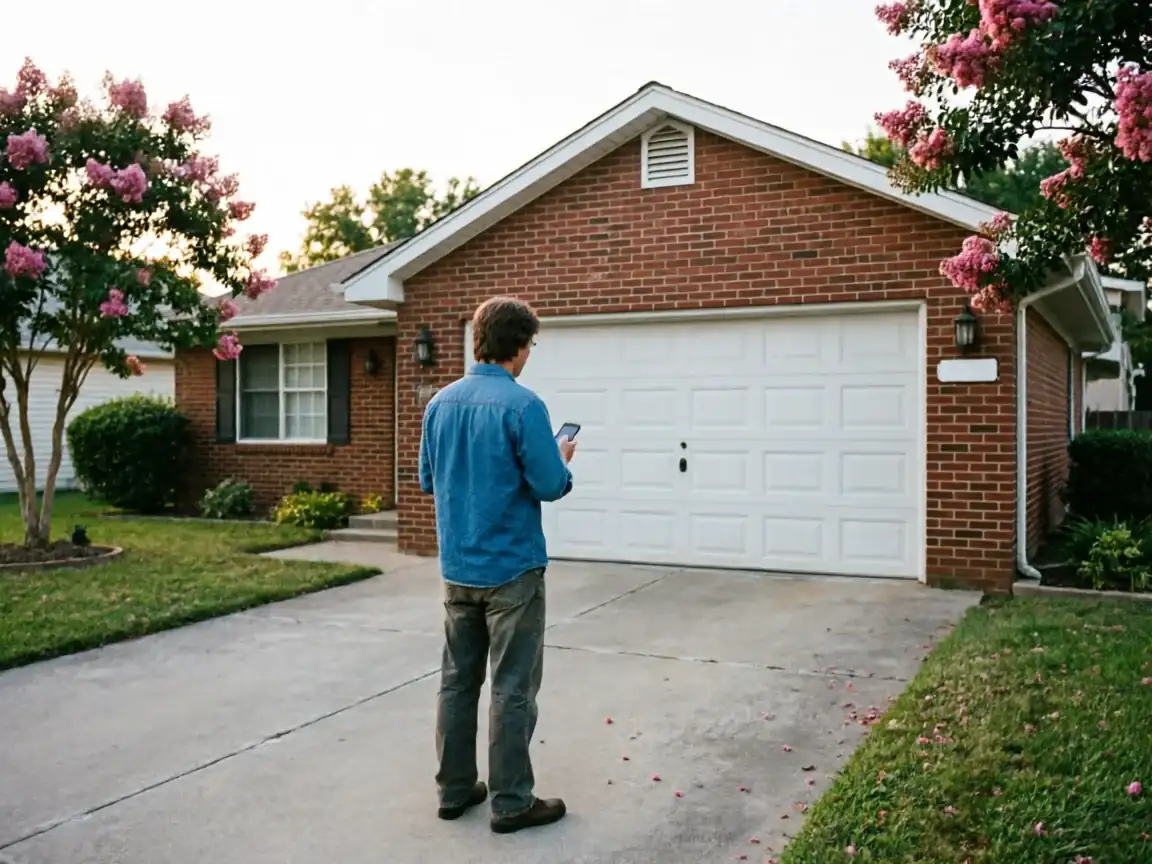
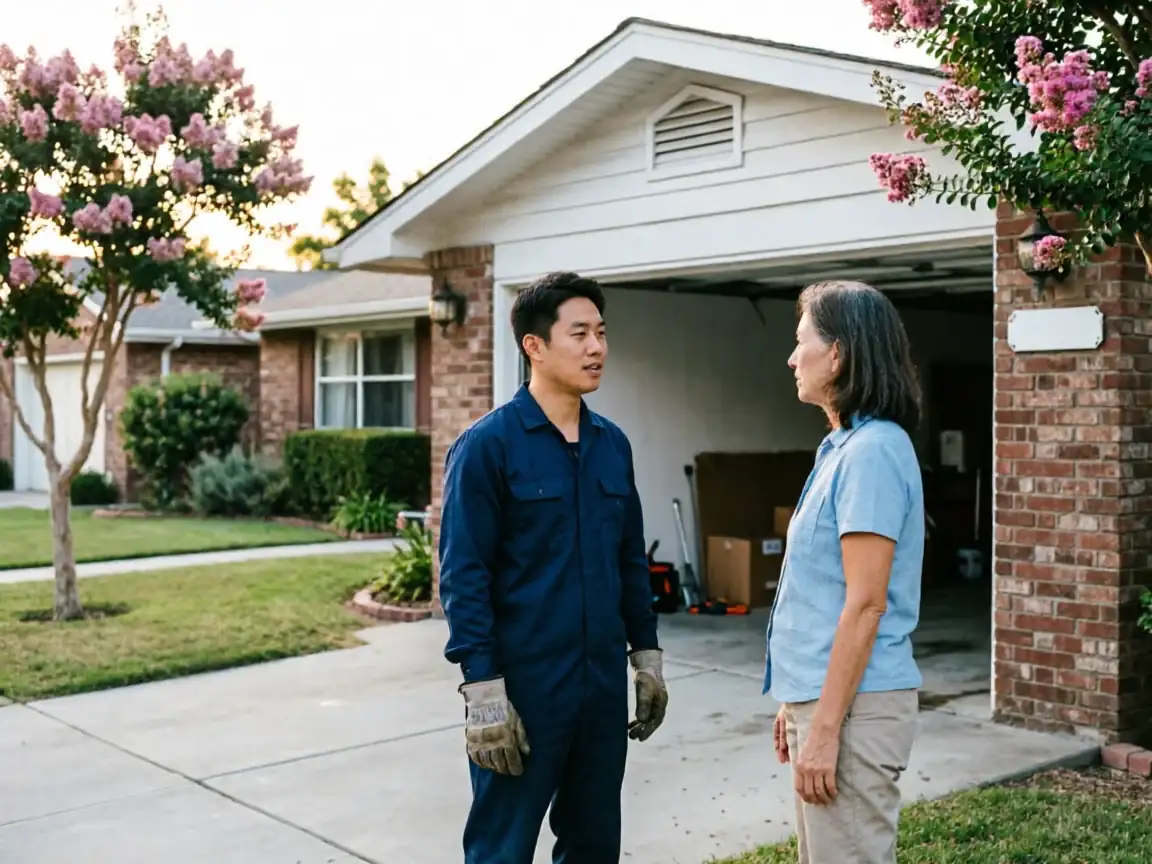
We cover Pinehurst from Tomball, roughly 8 miles out, along with the other communities in the same stretch - Stagecoach, Magnolia, Oak Ridge North, and the rest. There's no separate Pinehurst crew or local yard; one truck, one route, scheduled around where the day's calls land. When you call, tell us roughly when the house was built if you know it - for a lot of Pinehurst that's going to land near 1990 - because it tells us what spring and drum size to load before we're on the road, not after we've opened the door and found out. That one detail usually shaves real time off the visit. We quote the job once we've seen the door and the opener, not before, since a spring job and a full opener swap aren't priced the same and we're not going to pretend otherwise over the phone.
The Symptom
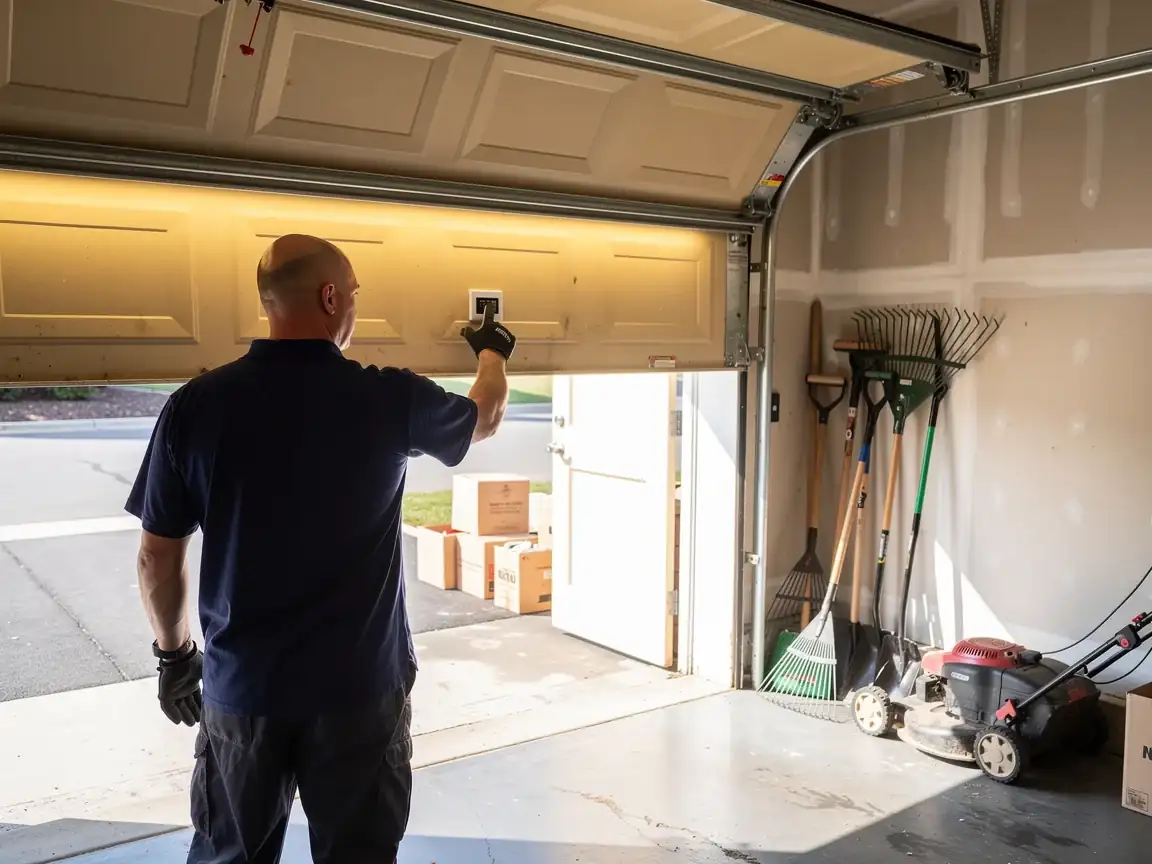
The call we get most from this part of the service area is the same door that's worked fine for years suddenly refusing to open, or opening on one side and sticking on the other. On a door built close to 1990, that's almost always the torsion spring finally giving out after three-plus decades of cycles, sometimes with a cable that's frayed alongside it from the same uneven load. A door that reverses right after hitting the floor, or that an opener groans against without lifting, points the same direction. Less common but still original-hardware-related: a chain-drive opener that's started skipping, which on a unit this age is usually a worn sprocket rather than anything electrical. None of these are urgent in the sense of flooding a house, but a spring under uneven tension can snap the second cable too, so it's not a symptom worth letting ride for months once it starts.