What the Fix Involves
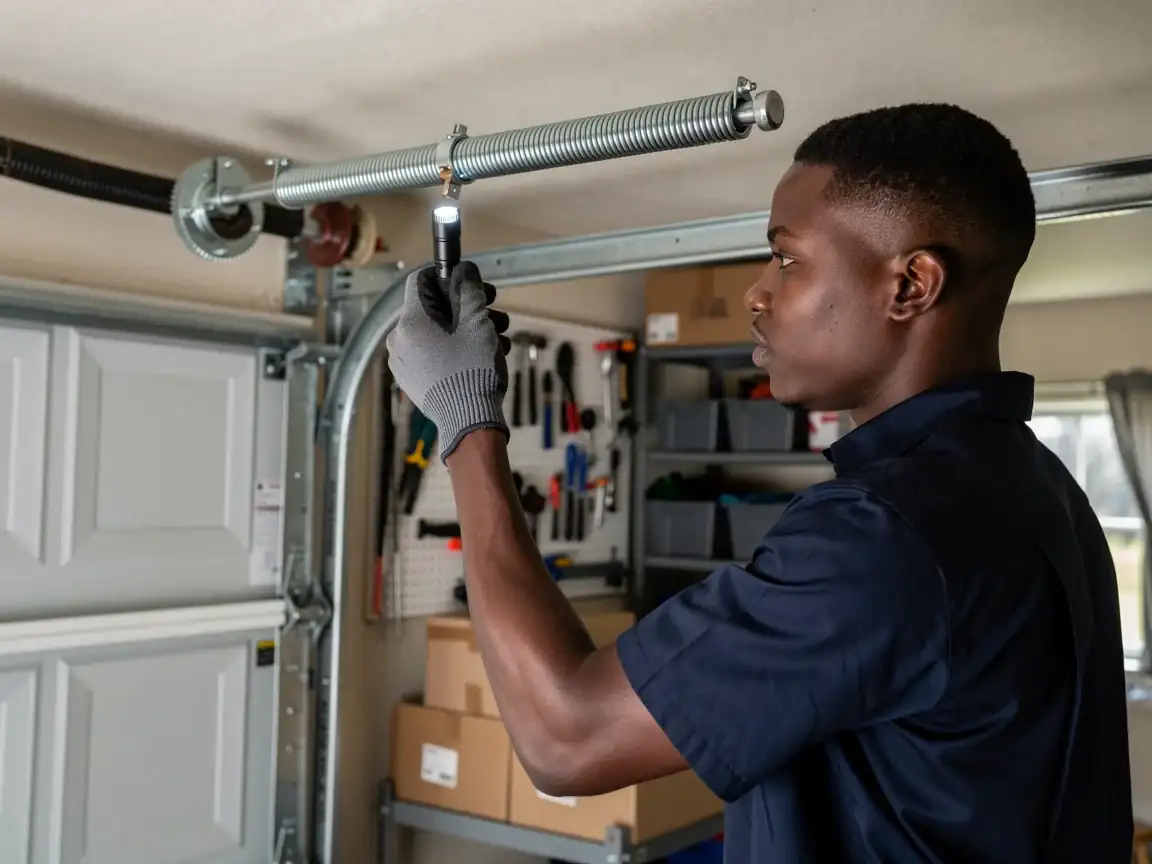
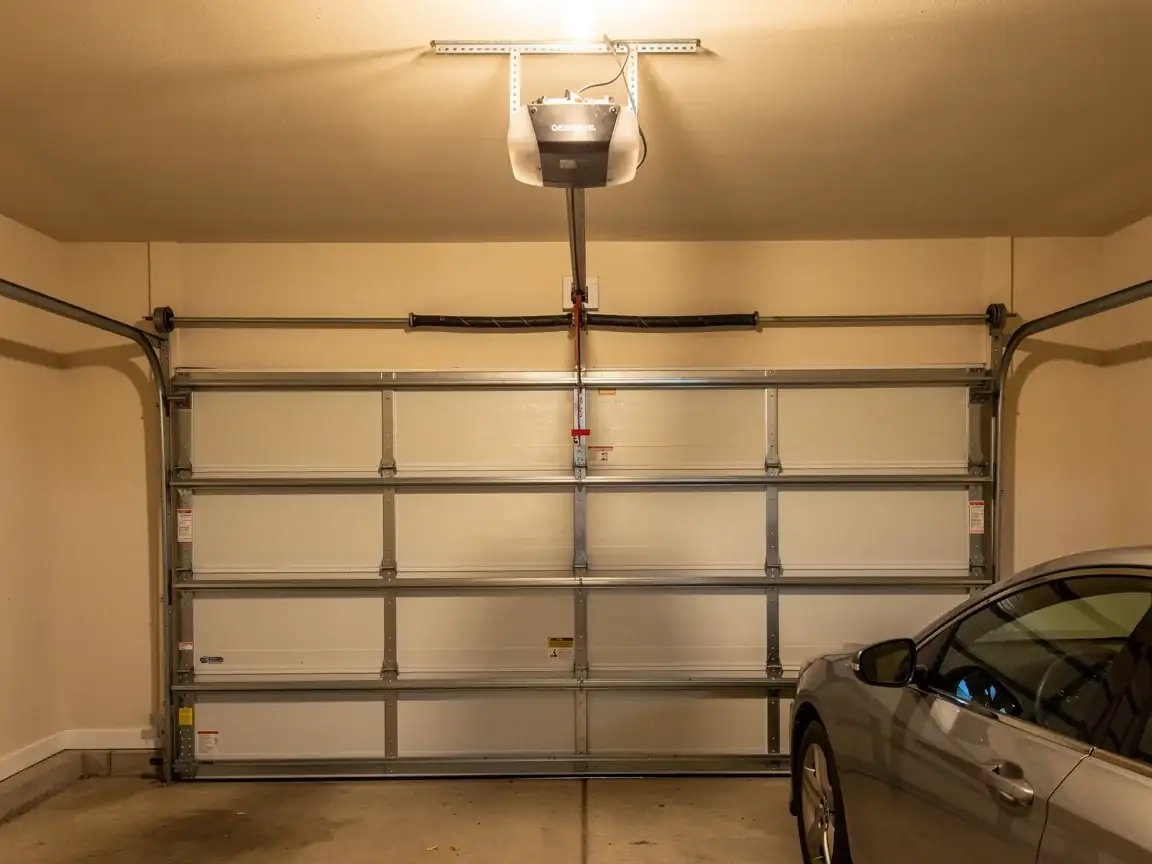
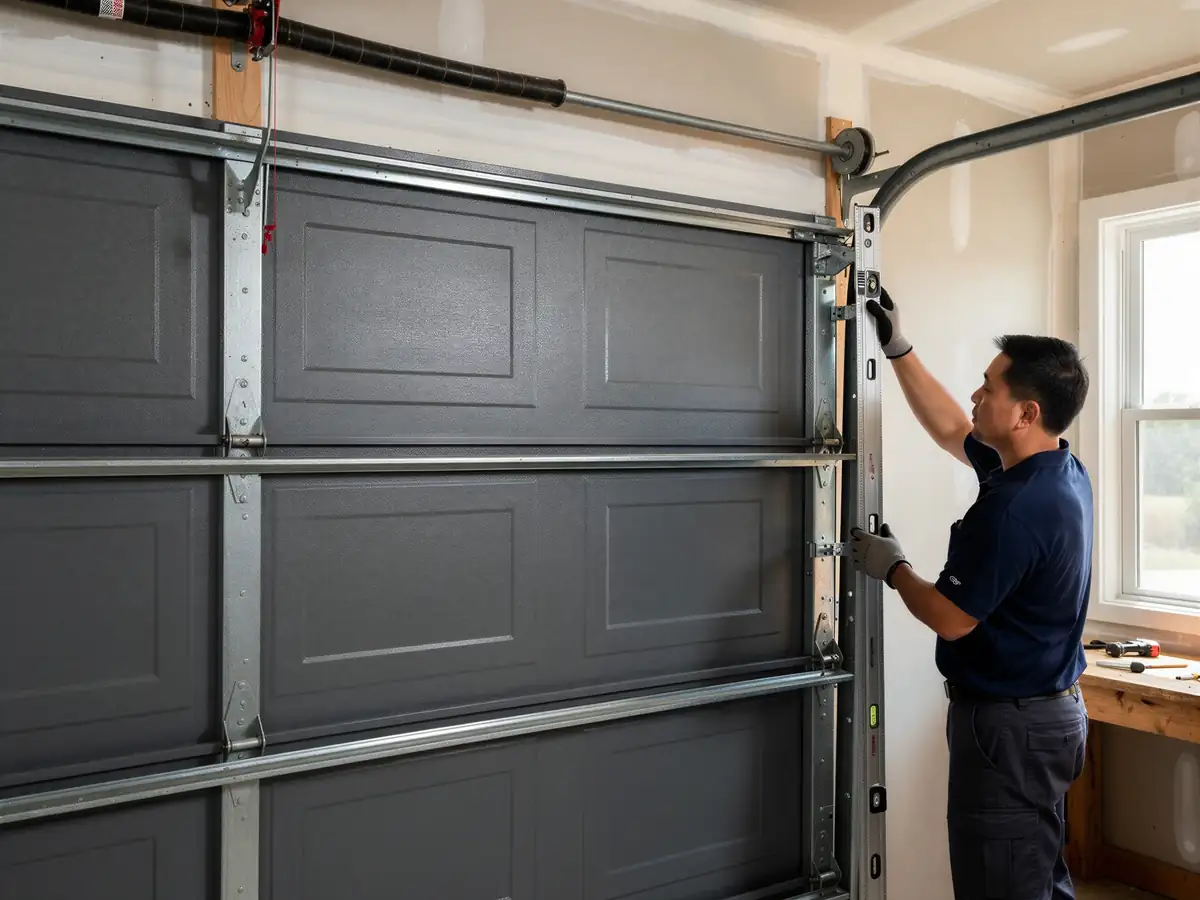
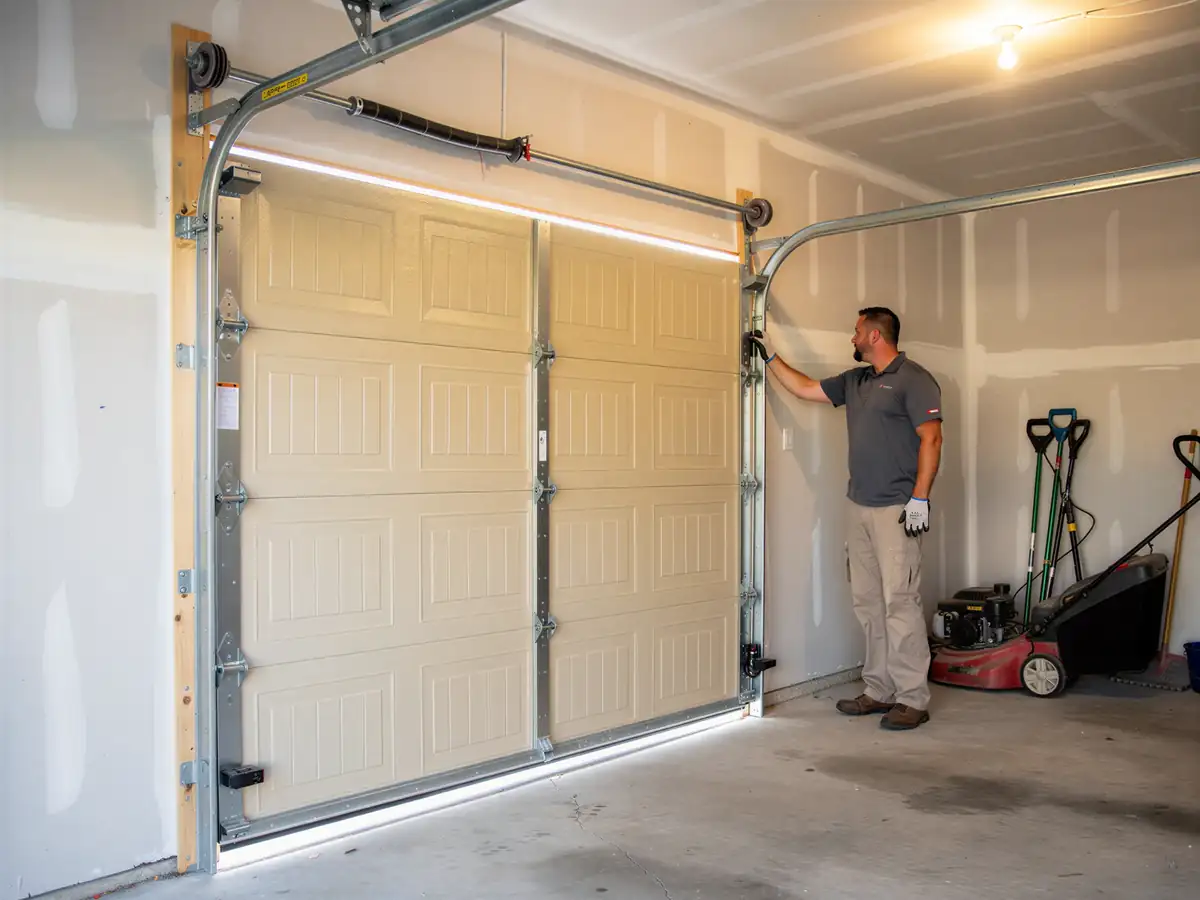
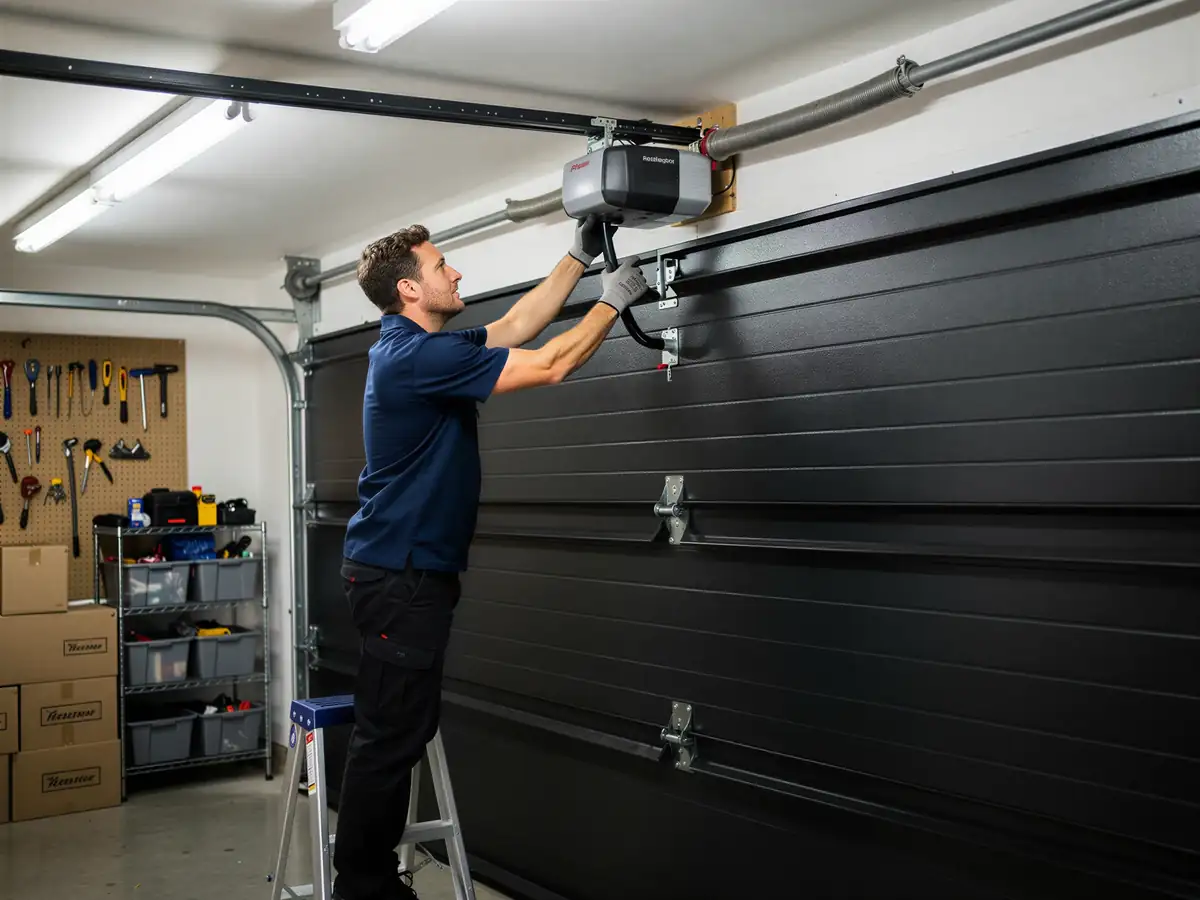
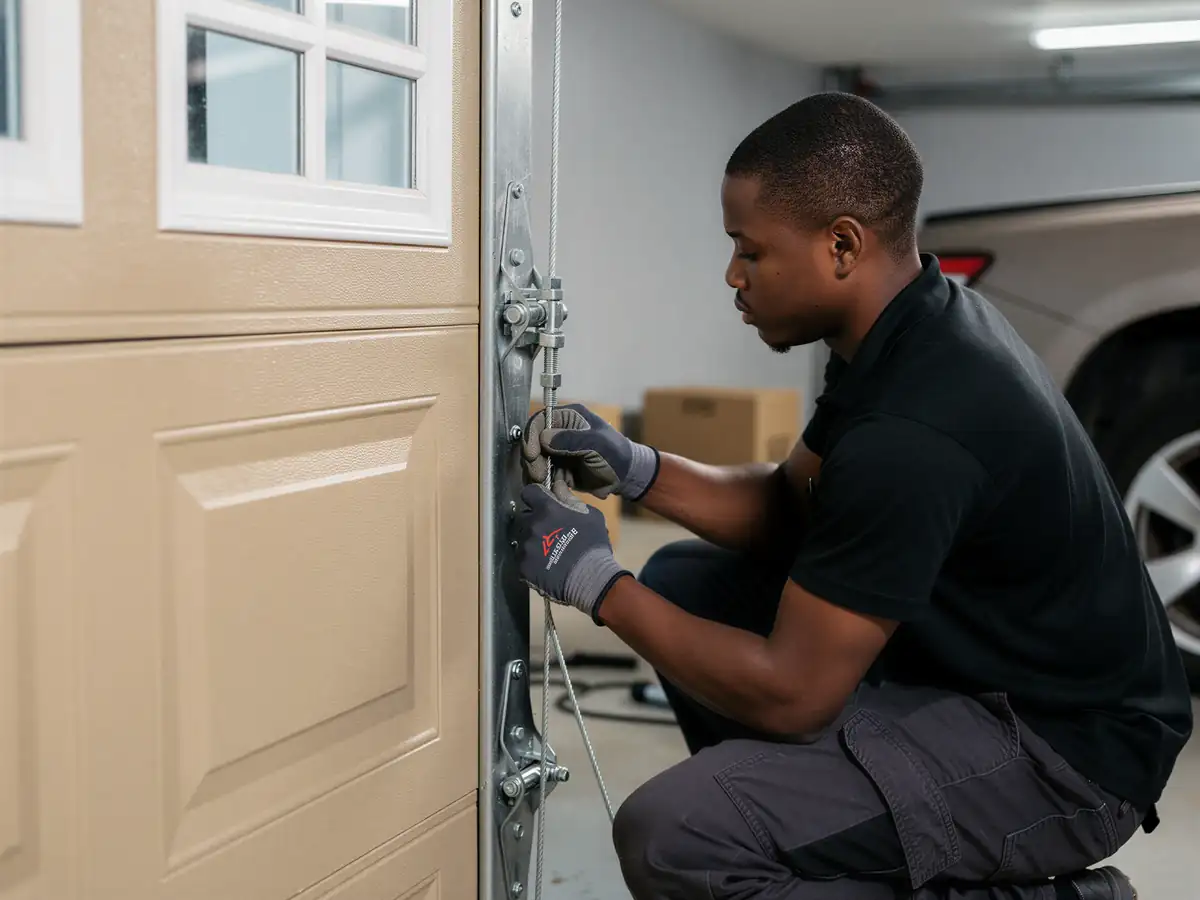
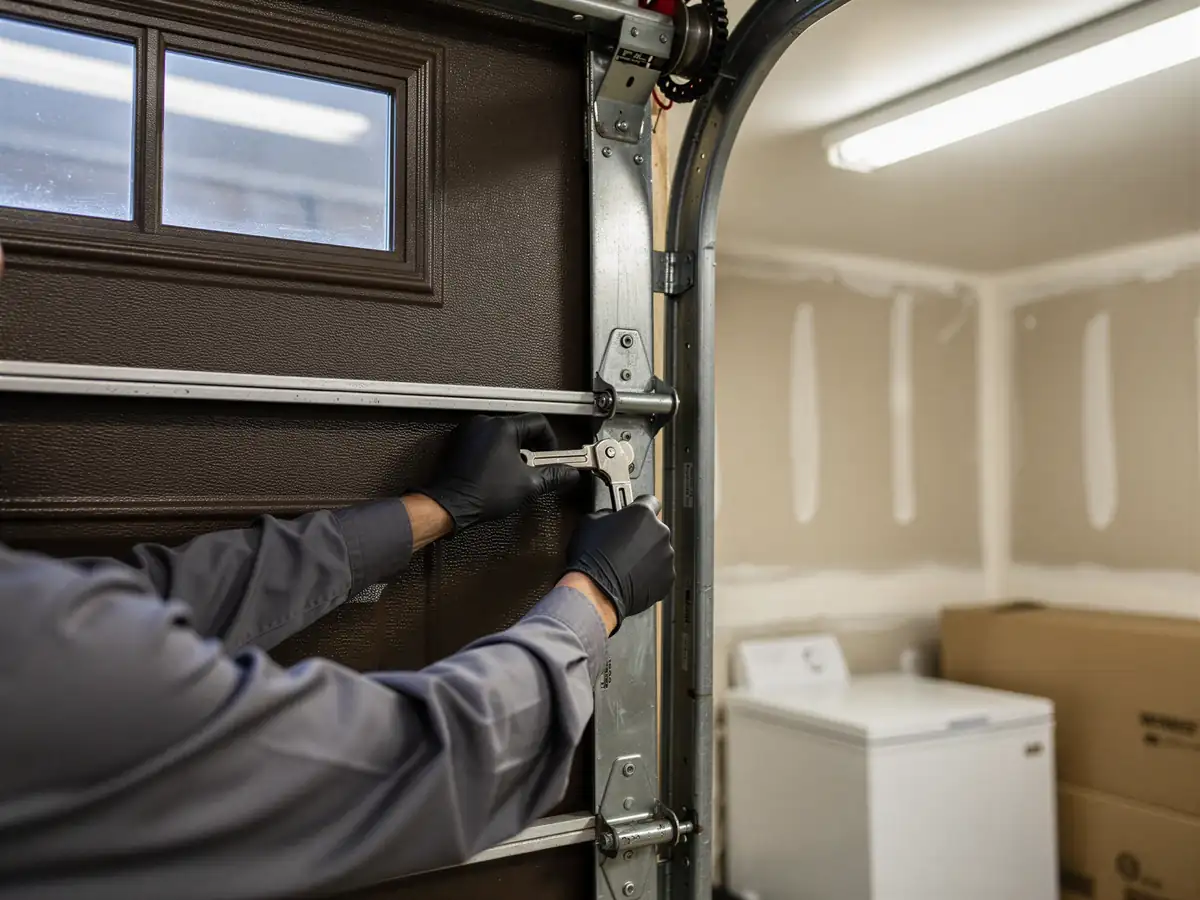
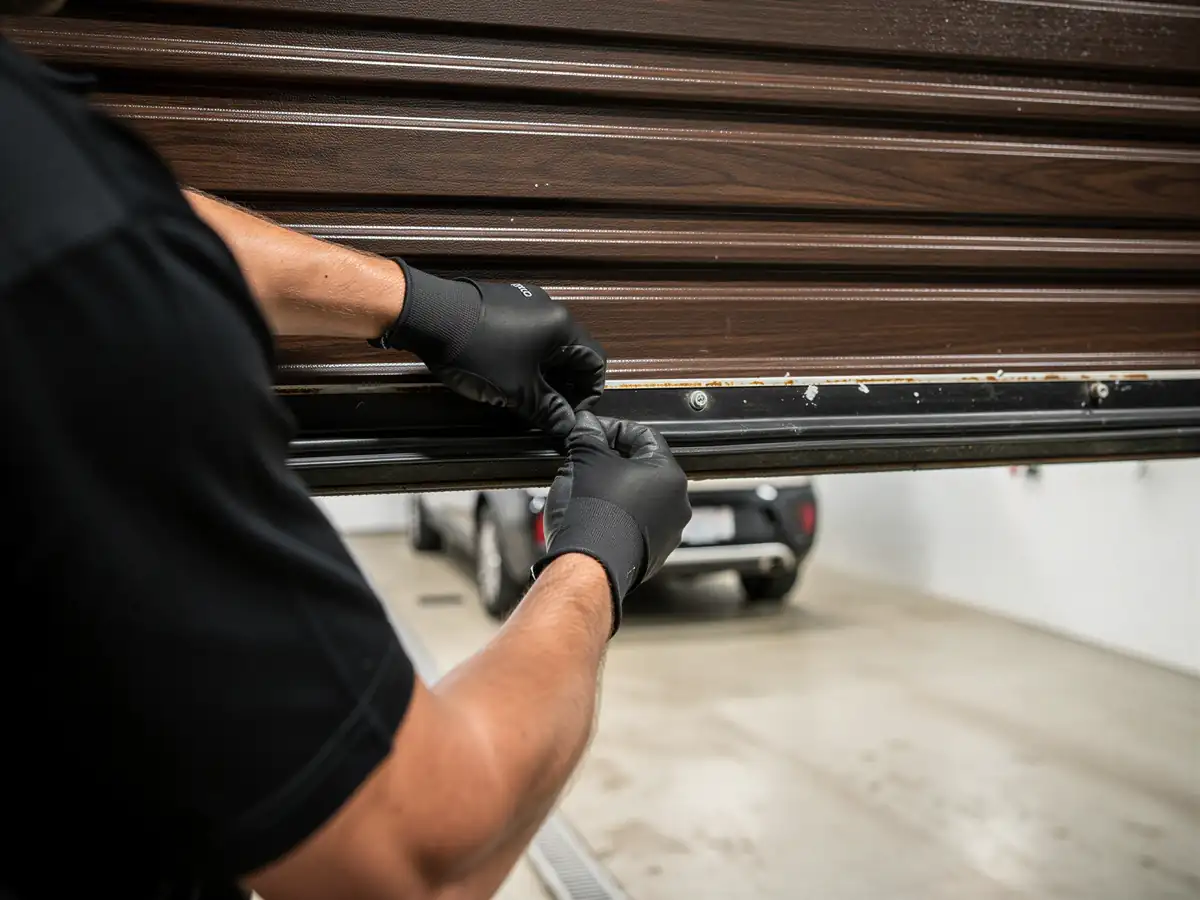
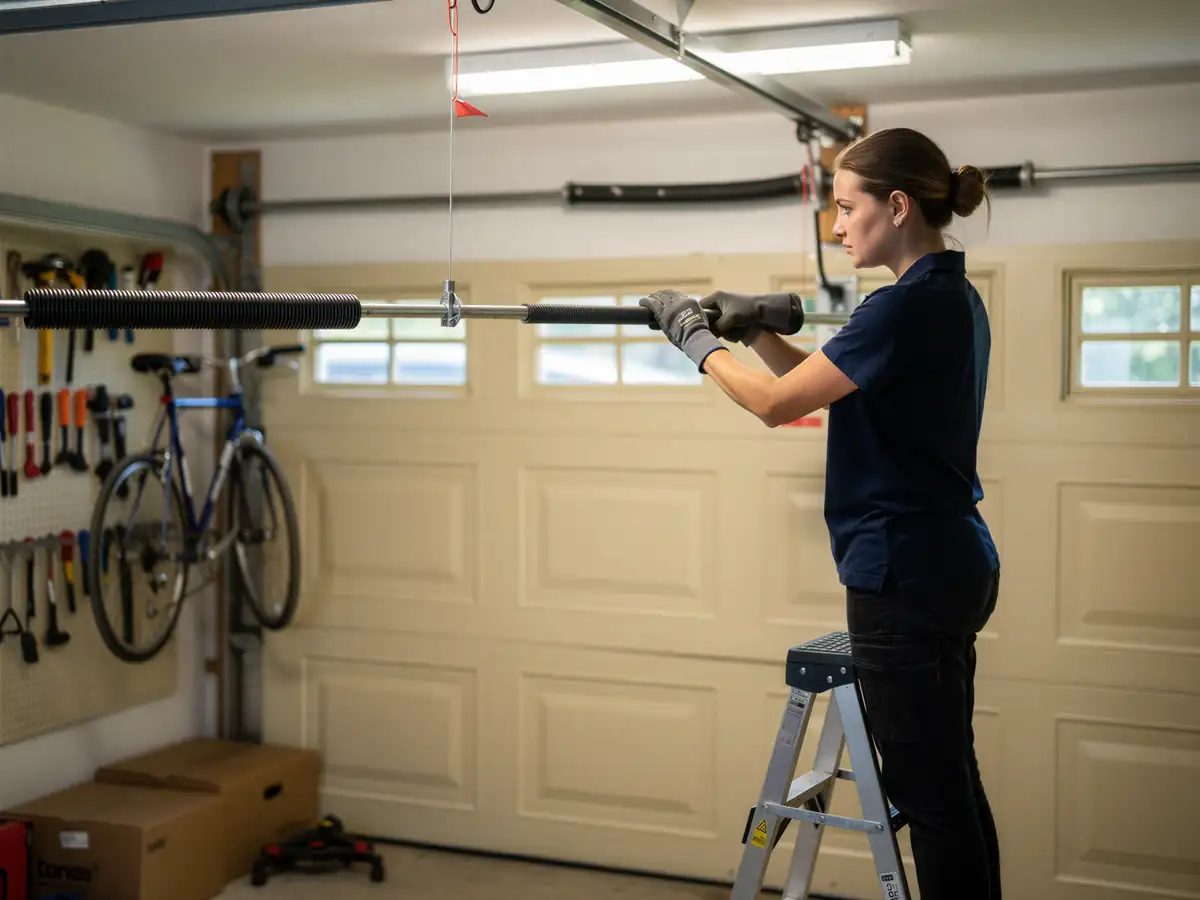
The job is simple in principle: unwind and remove the broken spring, measure the shaft and drum, install a new spring rated to the door's weight, and wind it to the right number of turns. What makes it a two-person-grade job on a 1990-built house is the winding itself - a torsion spring under full tension can put someone in the hospital if the winding bars slip, and we don't shortcut that step. On houses from this era we also check the drum cones and the end bearing plates while we're in there, since original hardware from the late 1980s and early 1990s is usually still on the door and shows its age in bent end stapes or worn cable drums more than in the spring itself. If a drum is cracked or a cable is frayed we'll say so and price it separately rather than bundle it into the spring quote.
What Is on the Truck
We stock torsion springs across the wire sizes that cover the standard single and double door openers you'll find on Pinehurst garages - most of the housing stock here dates to around 1990, squarely inside the 1971-2002 window that defines this part of the service area, and door openings from that era are standard enough that we don't need to special-order a spring for a typical job. What we won't always have sitting on the shelf is an exact-match stationary cone or center bracket for an older torsion system if the manufacturer stopped making that part - in that case we adapt with compatible universal hardware rather than hold the job for a special order. If your door takes an extension spring setup instead of torsion, those parts ride on the truck too, since both styles still turn up on houses of this age.
Booking a Visit
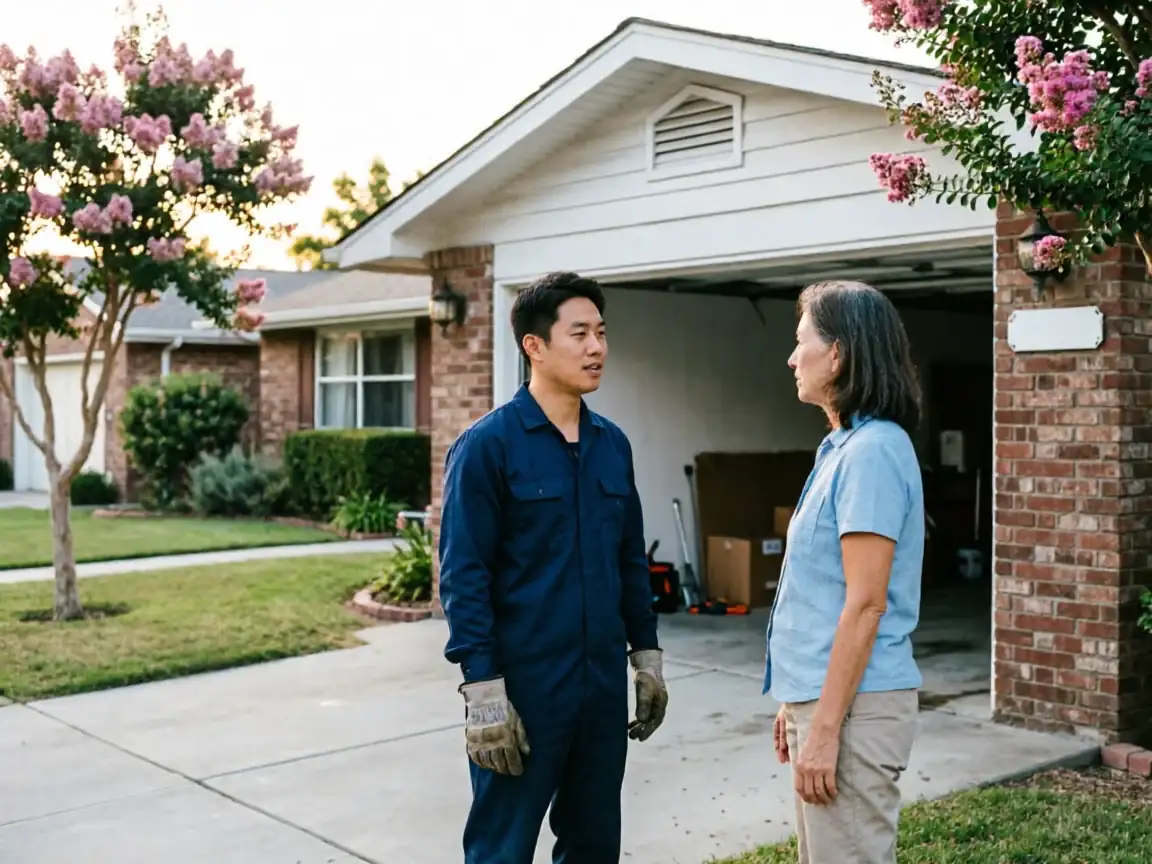
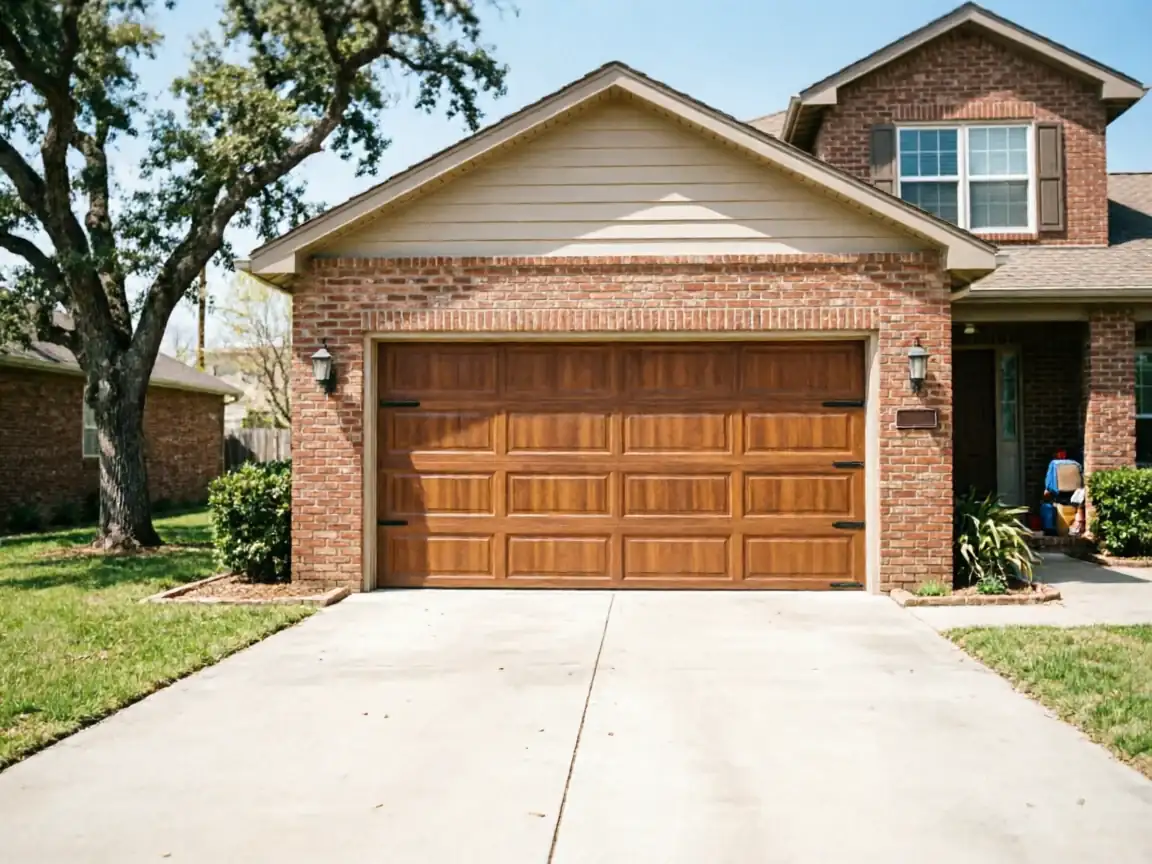
We cover Pinehurst from our Tomball base, about 8 miles up the road, and that drive is built into how we schedule rather than something we charge extra for on top of the repair. Tell us the door size, whether it's one spring or two, and roughly how old the house is - for most of Pinehurst that's going to land somewhere in the late 1980s to 1990s range, which tells us a lot about what hardware we'll find before we ever pull into the driveway. If you're not sure what's wrong, describe what the door is doing; that's often enough to tell us whether this is a spring job or something else entirely.
The Symptom
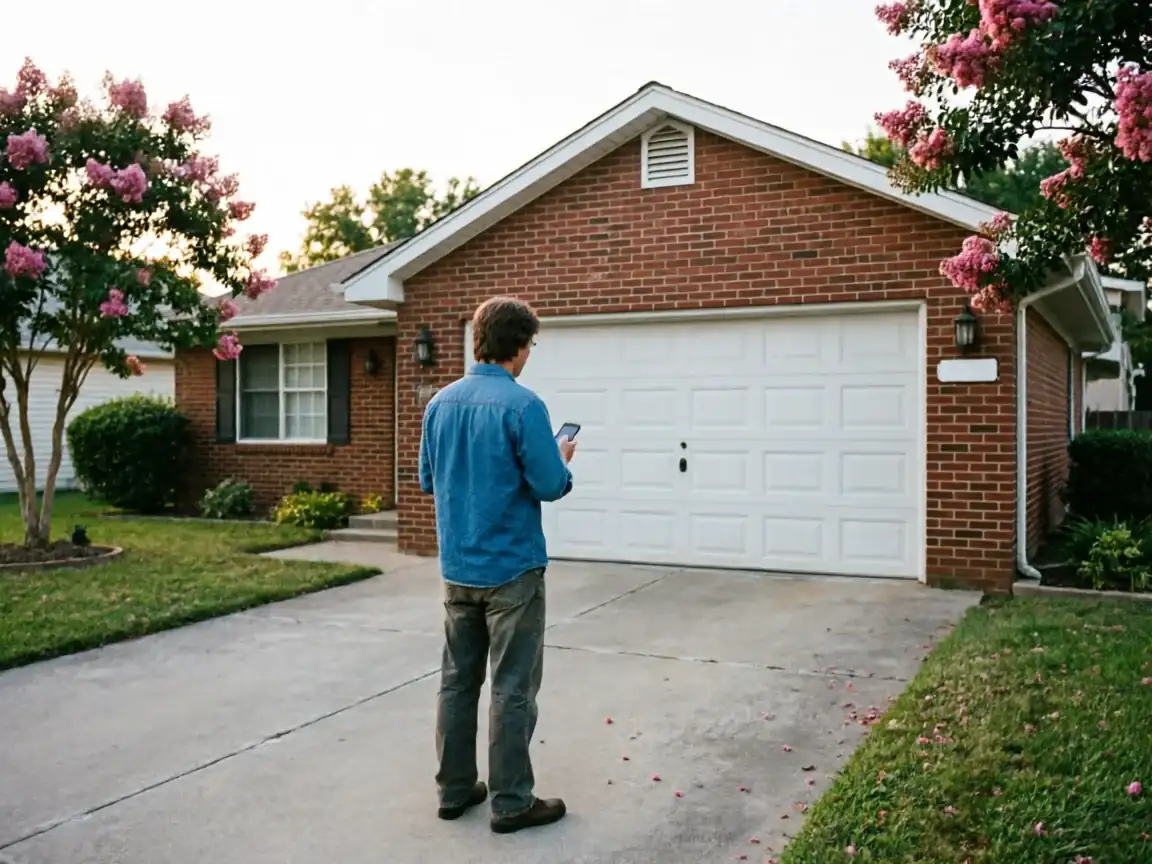
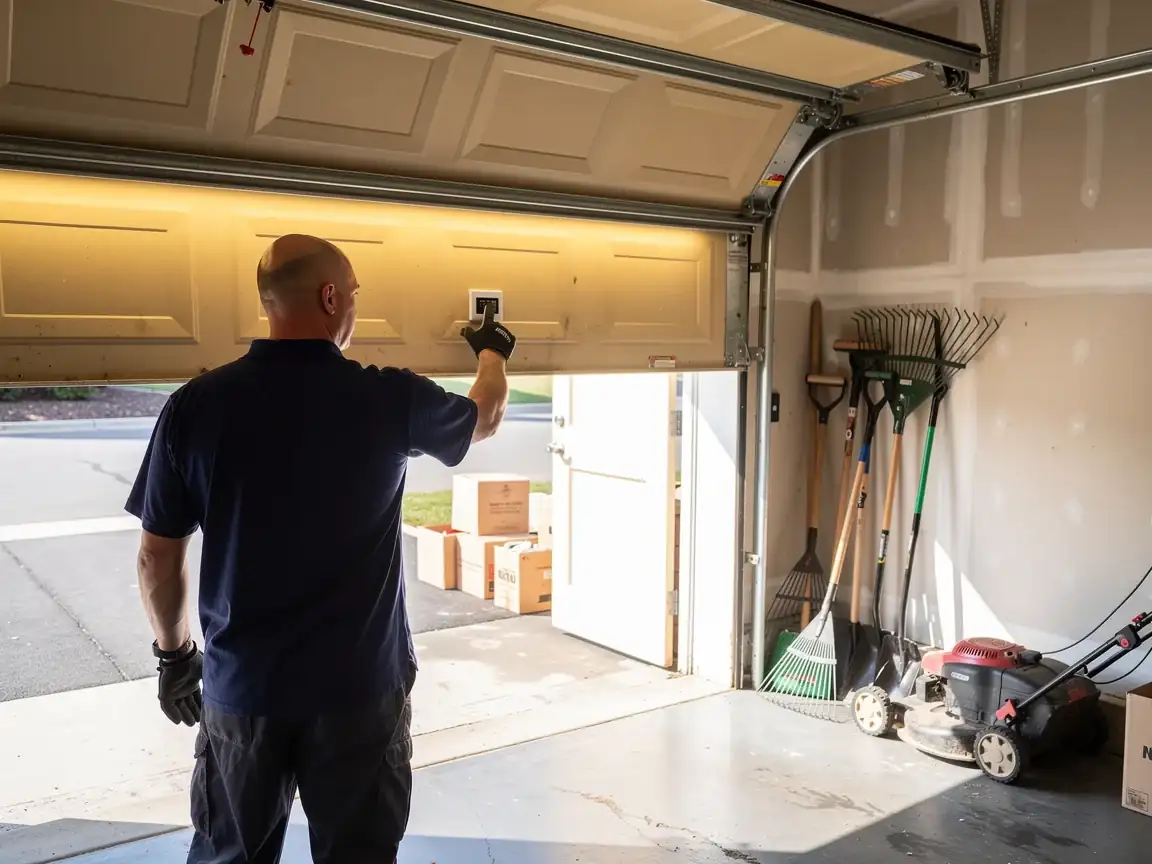
The fault usually announces itself the same way: the door won't budge, or it starts up and drops back down, or you hear a sharp bang from the garage followed by a door that suddenly feels twice as heavy. That bang is the spring letting go - the coil fractures under tension and the stored energy releases all at once. It's loud, it's startling, and it's the single most common reason Pinehurst homeowners call us. Houses in this part of the service area were mostly built between 1971 and 2002, with a lot of Pinehurst construction landing right around 1990, which puts a sizable share of local torsion springs at or past the 10,000-cycle mark most residential springs are rated for. A spring doesn't wear out evenly - it's fine for years and then it's just done, usually on a cold morning or after you've used the door more than normal. If your opener is straining, reversing, or making a grinding noise instead of lifting cleanly, that's often the spring giving its last warning before it breaks outright.