What the Fix Involves
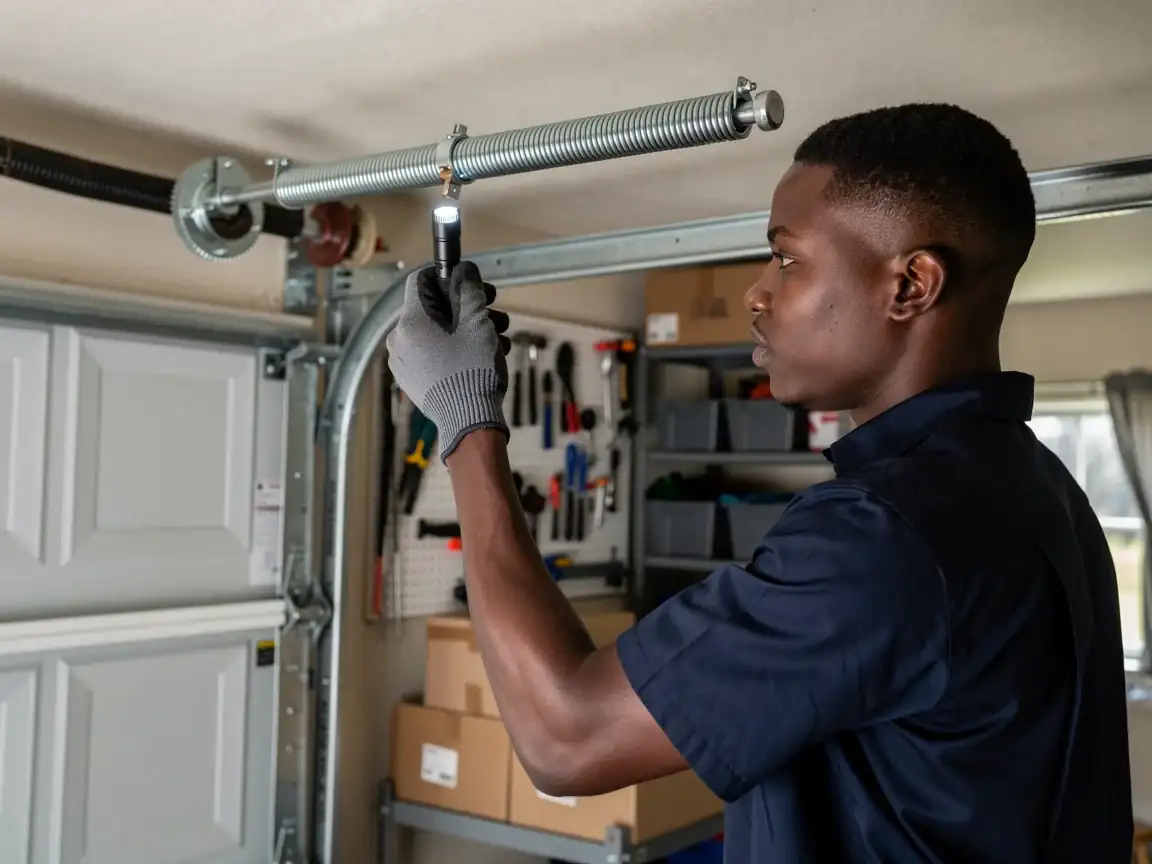
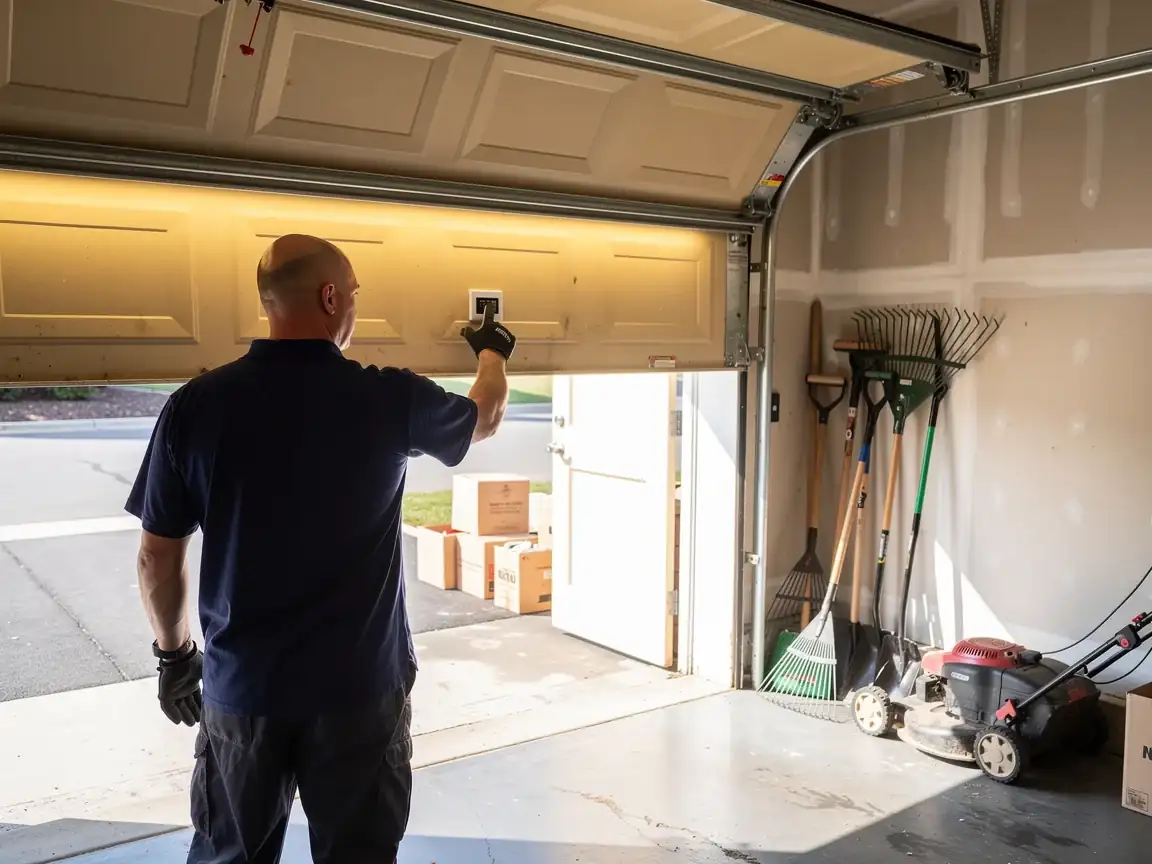
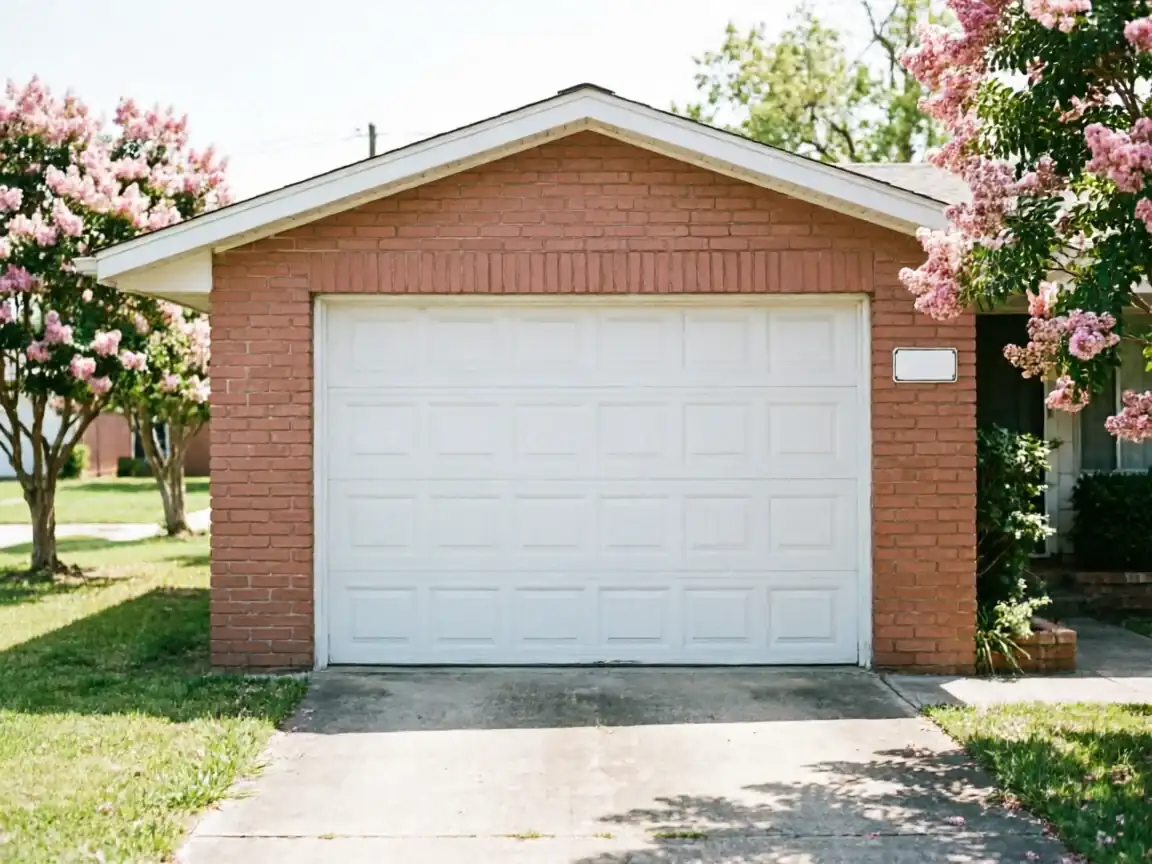
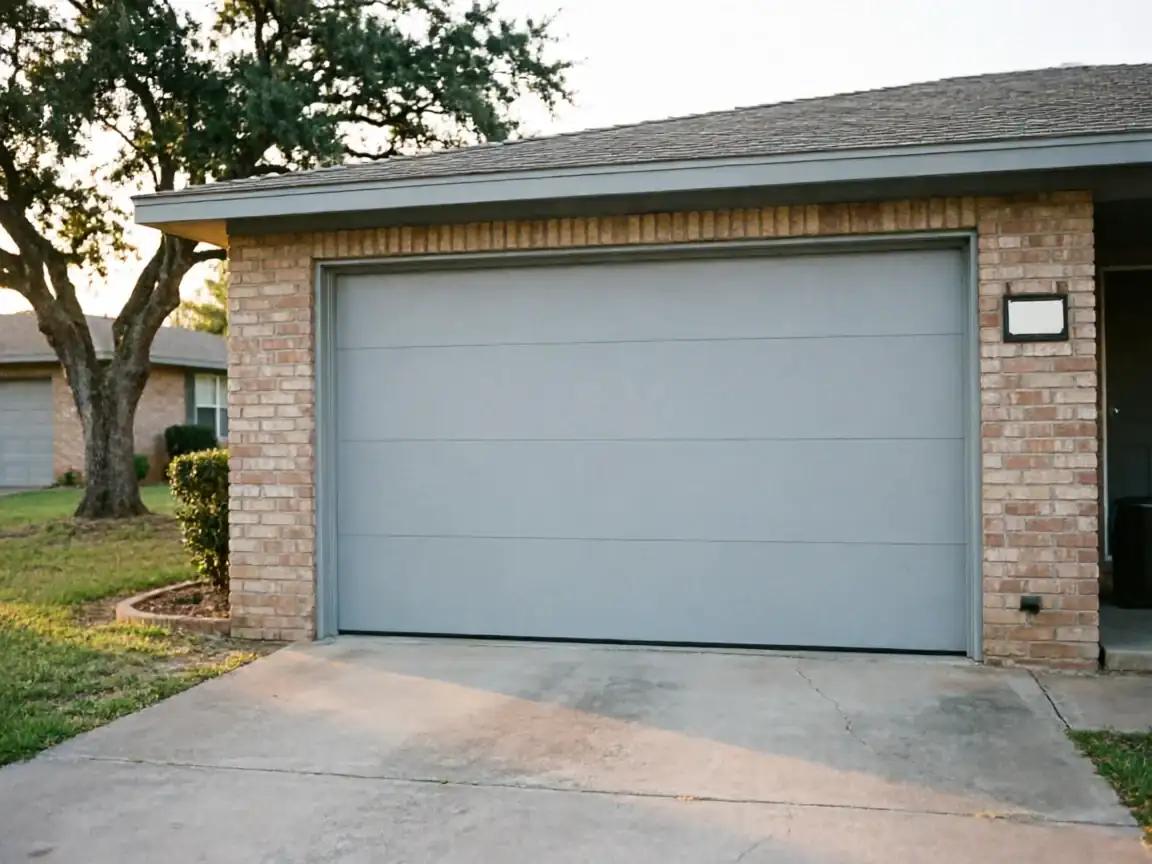
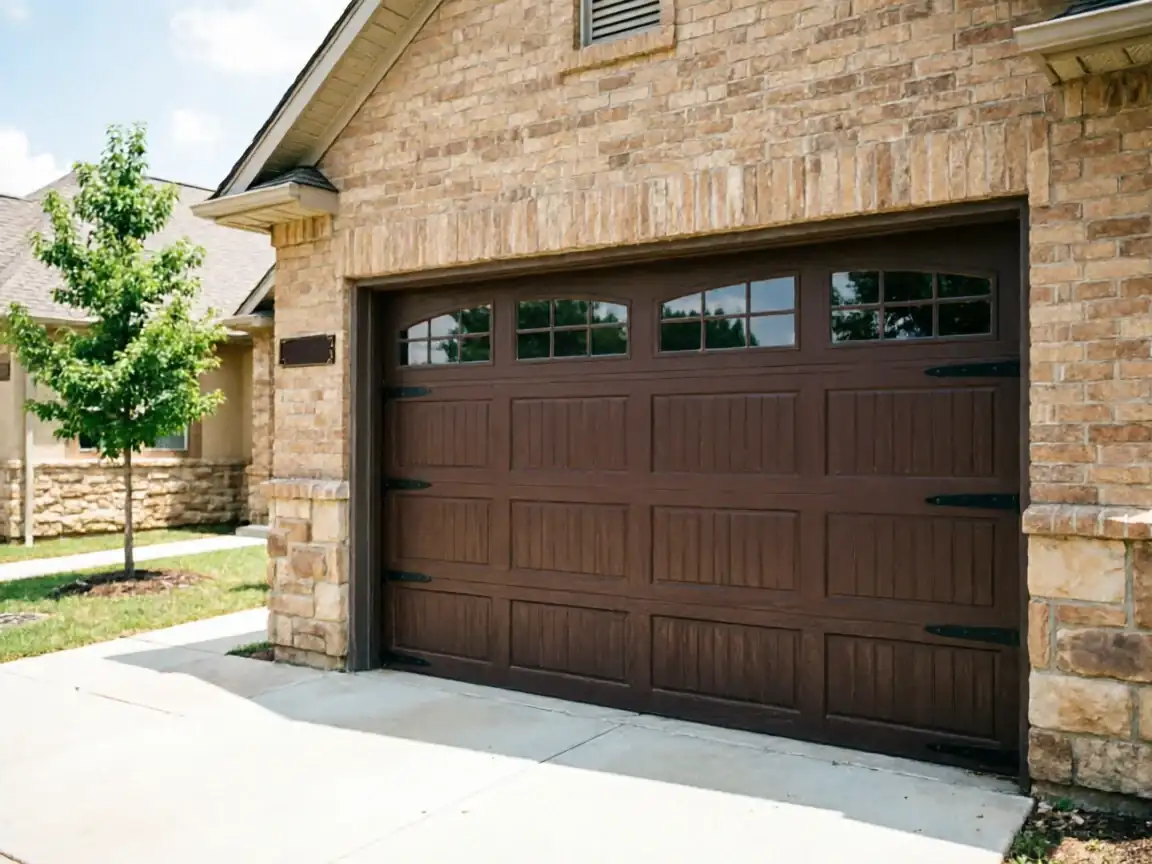
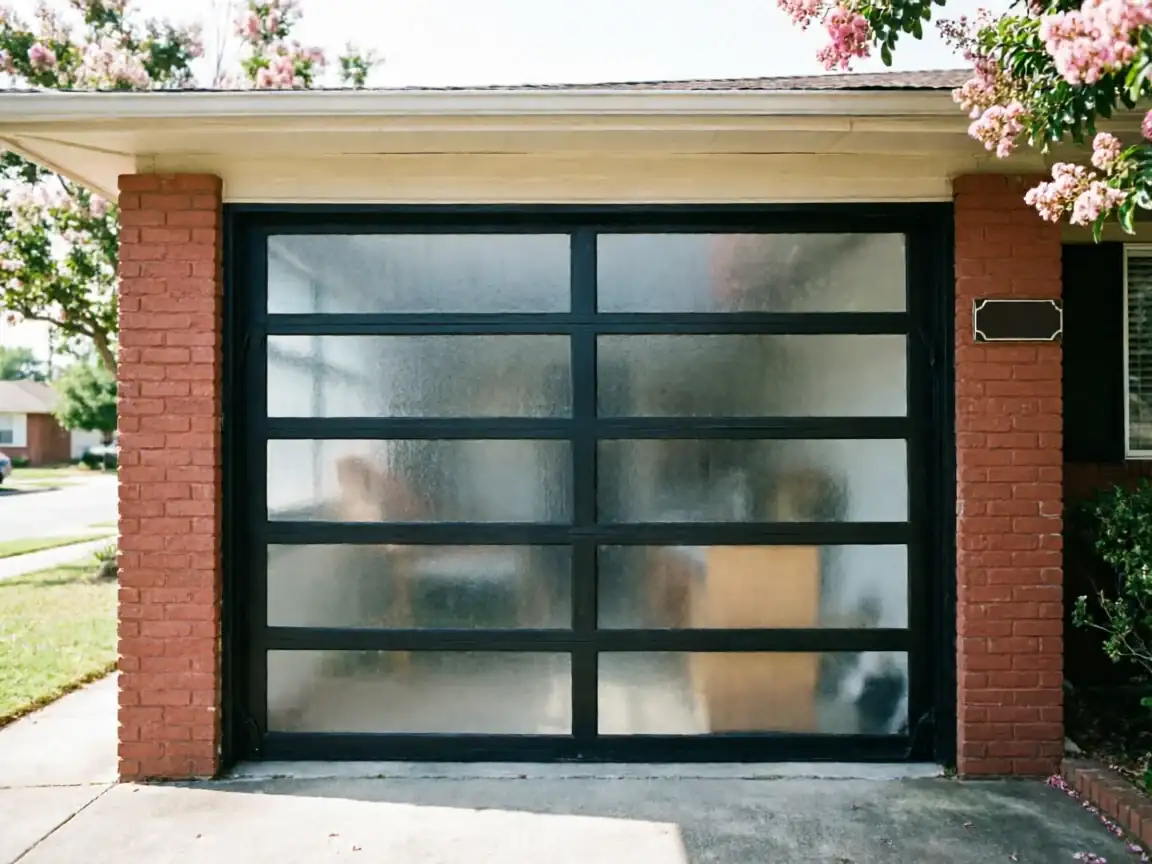
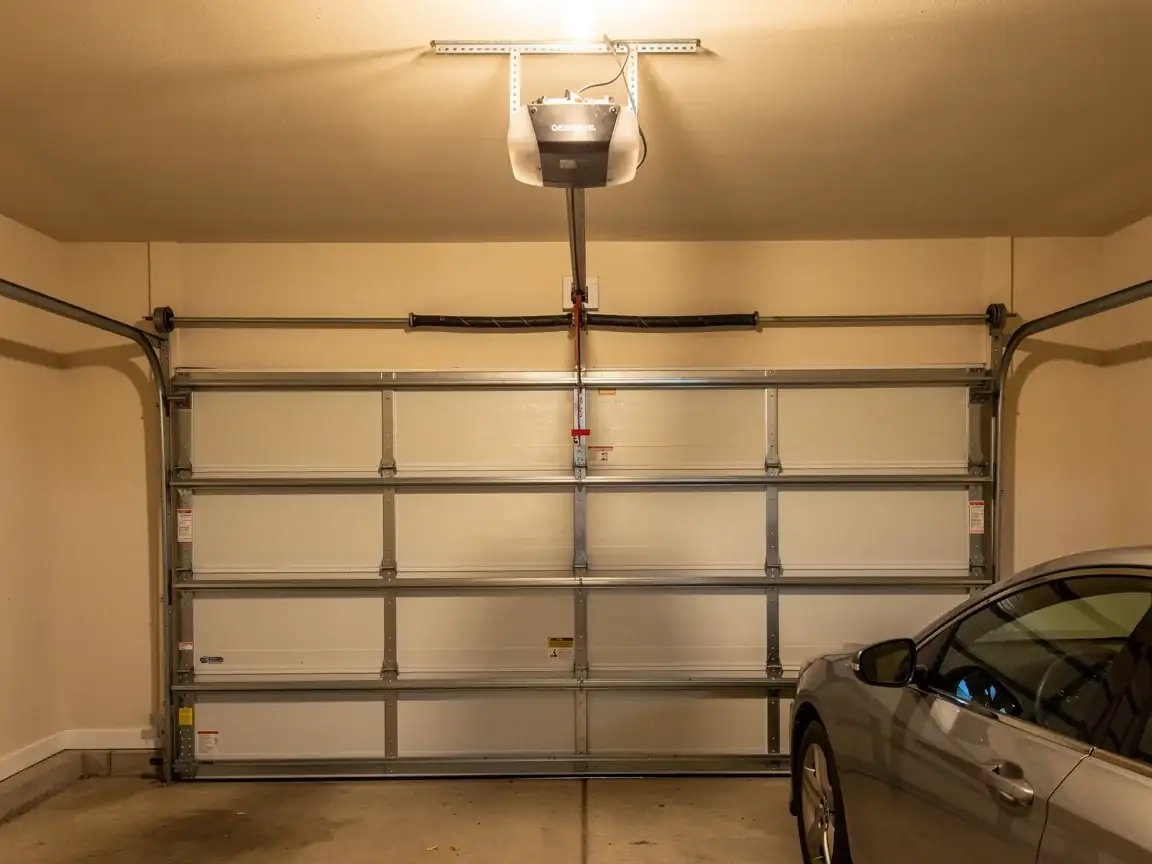
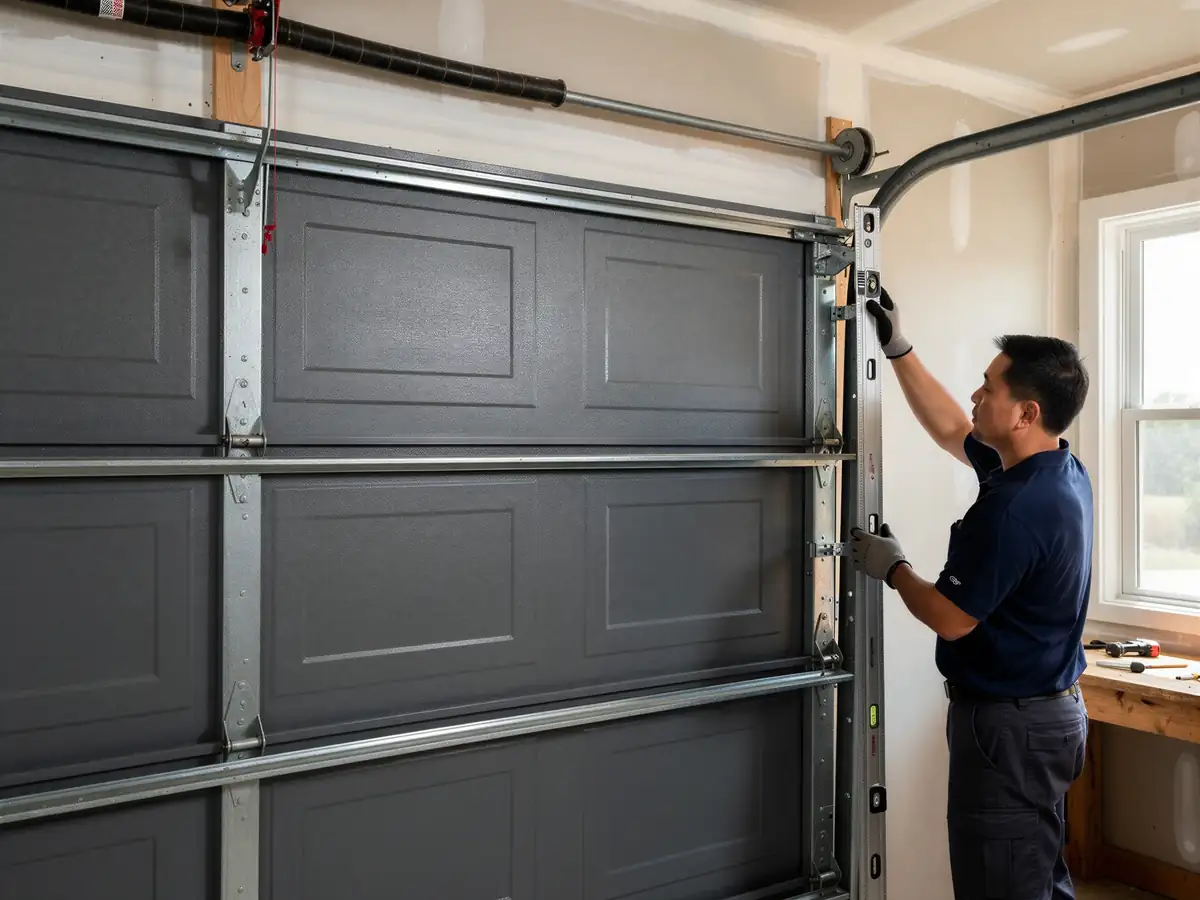
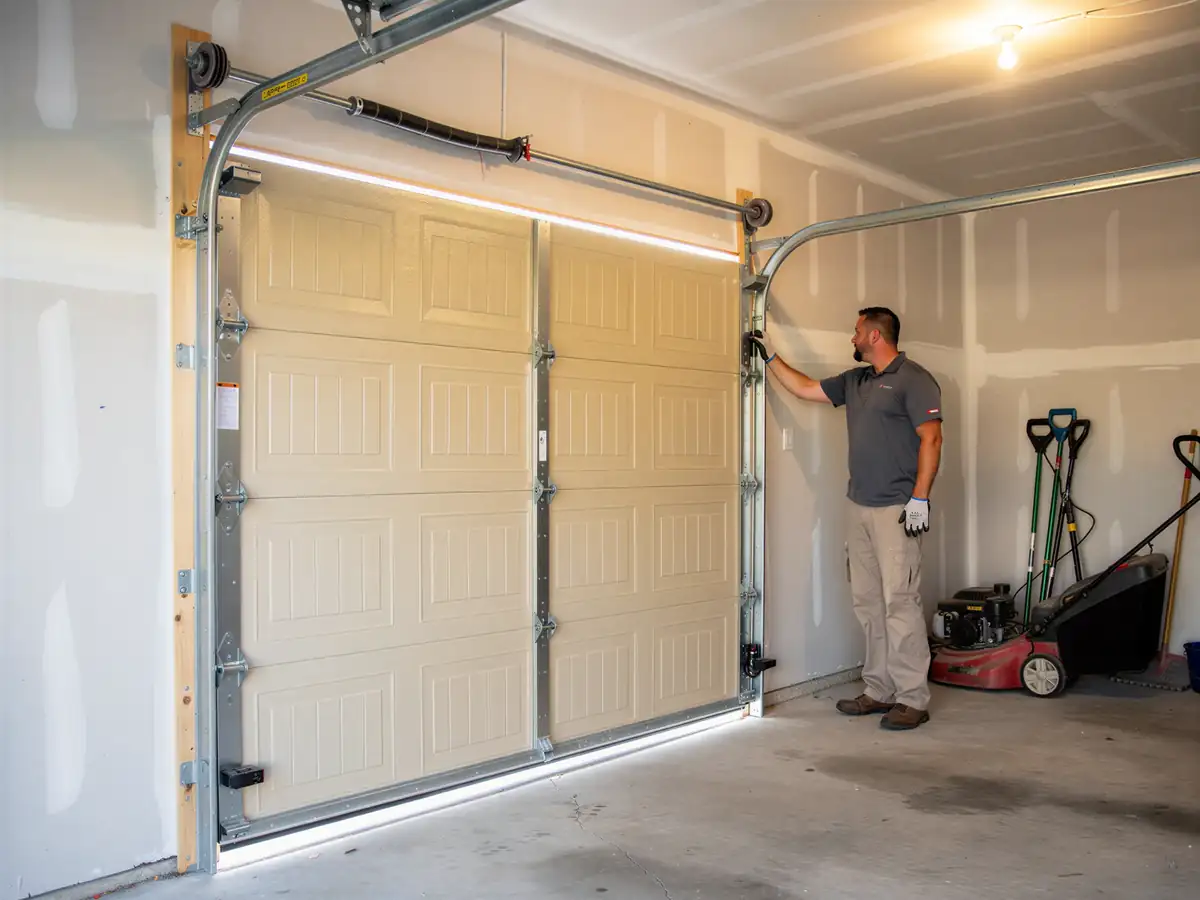
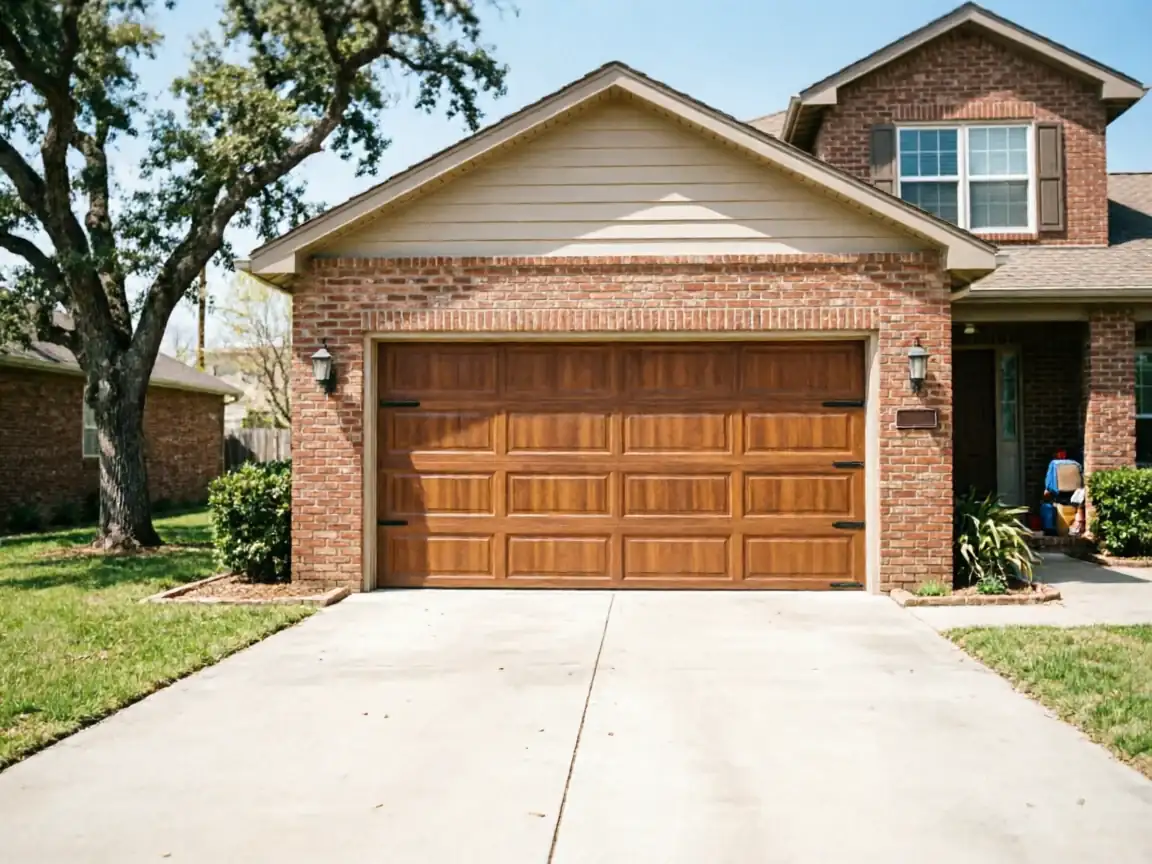
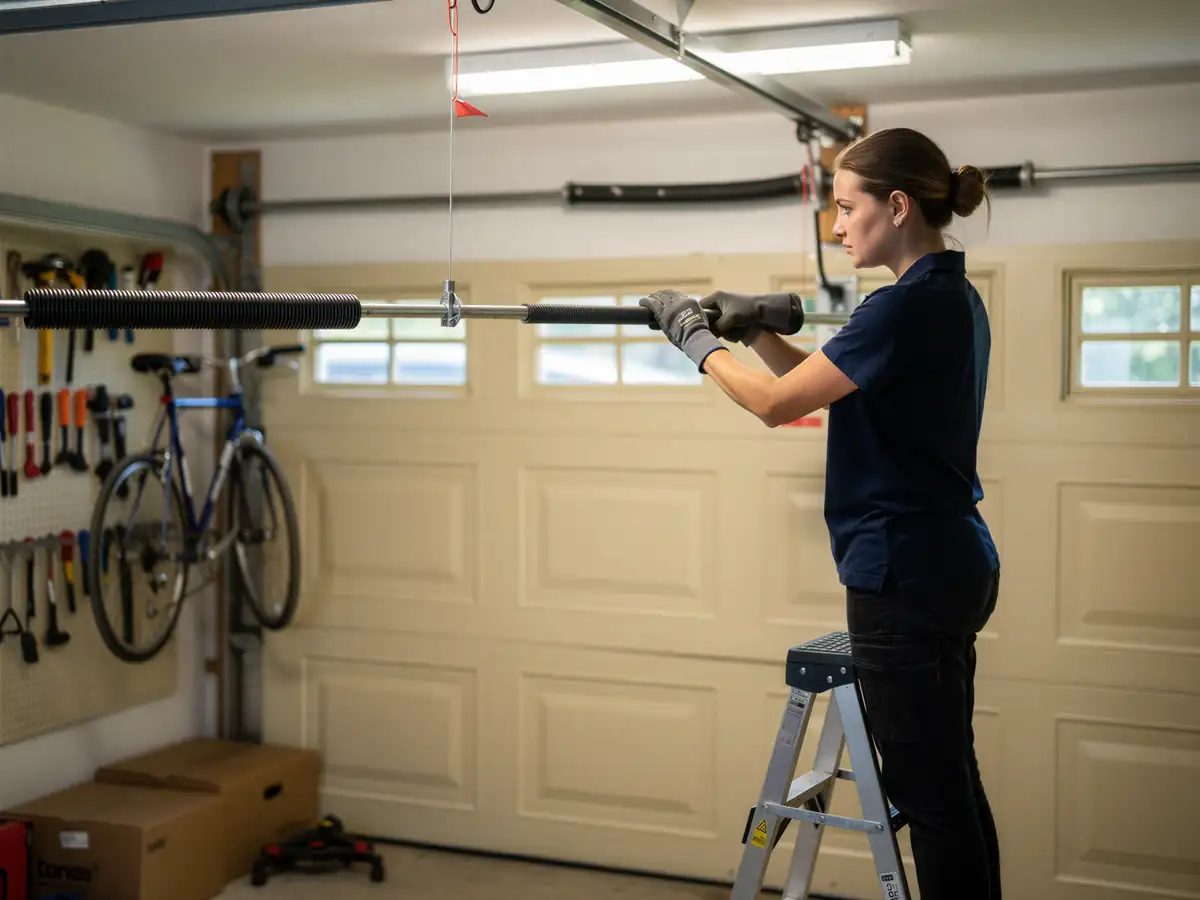
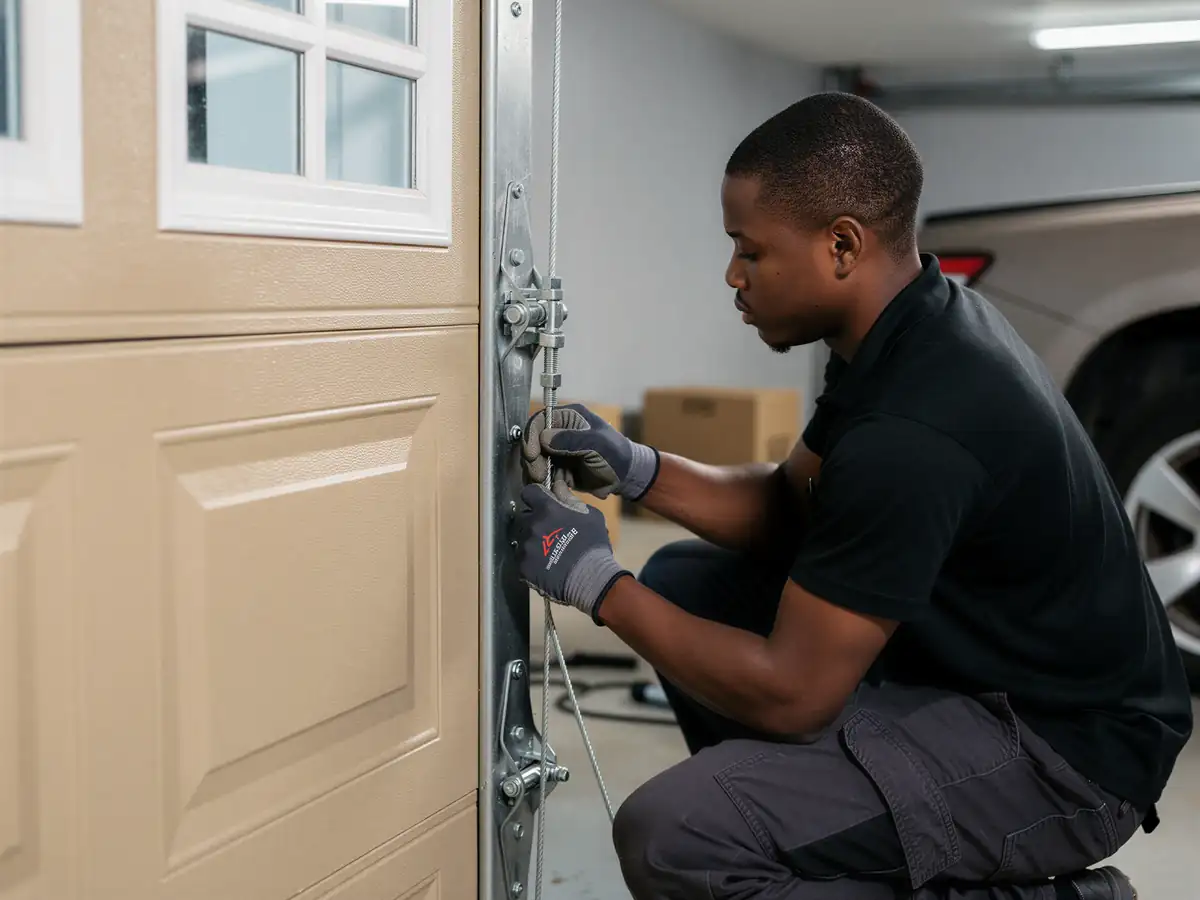
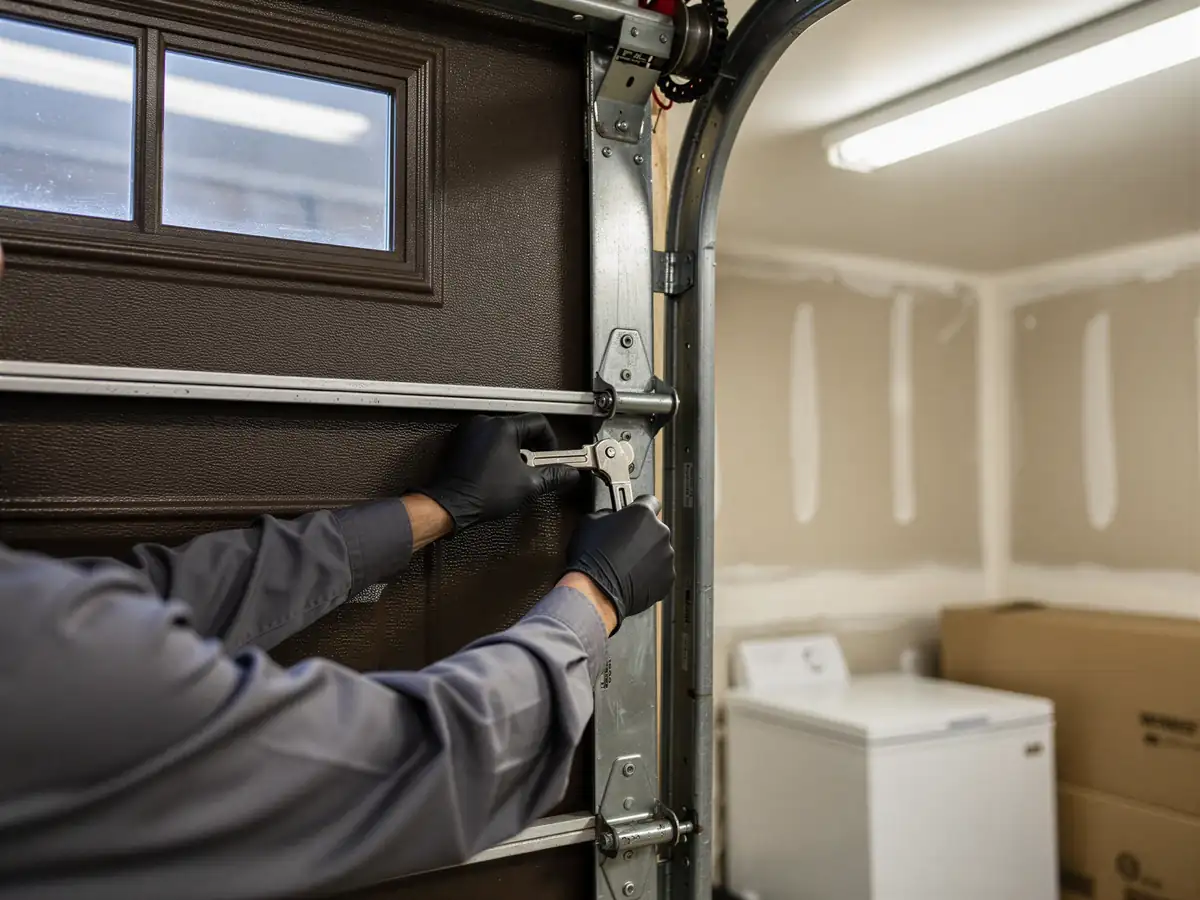
Houses in Pinehurst cluster around a 1990 build year, which puts most garage doors and openers into their second or third hardware generation by now - original torsion springs long replaced, but openers and rollers often original or close to it. Maintenance on stock this age means checking spring wear against the door weight it was sized for decades ago, not against whatever insulated replacement panel might have gone on since. We check cable fray at the drum, track alignment (slab foundations settle over 30-plus years and doors go out of plumb slowly), and photo-eye sensor alignment on openers from that era, which drift more than people expect. None of this is dramatic work. It's the kind of thing that, skipped for a few years, turns into a Saturday morning call instead of a scheduled visit.
What Is on the Truck
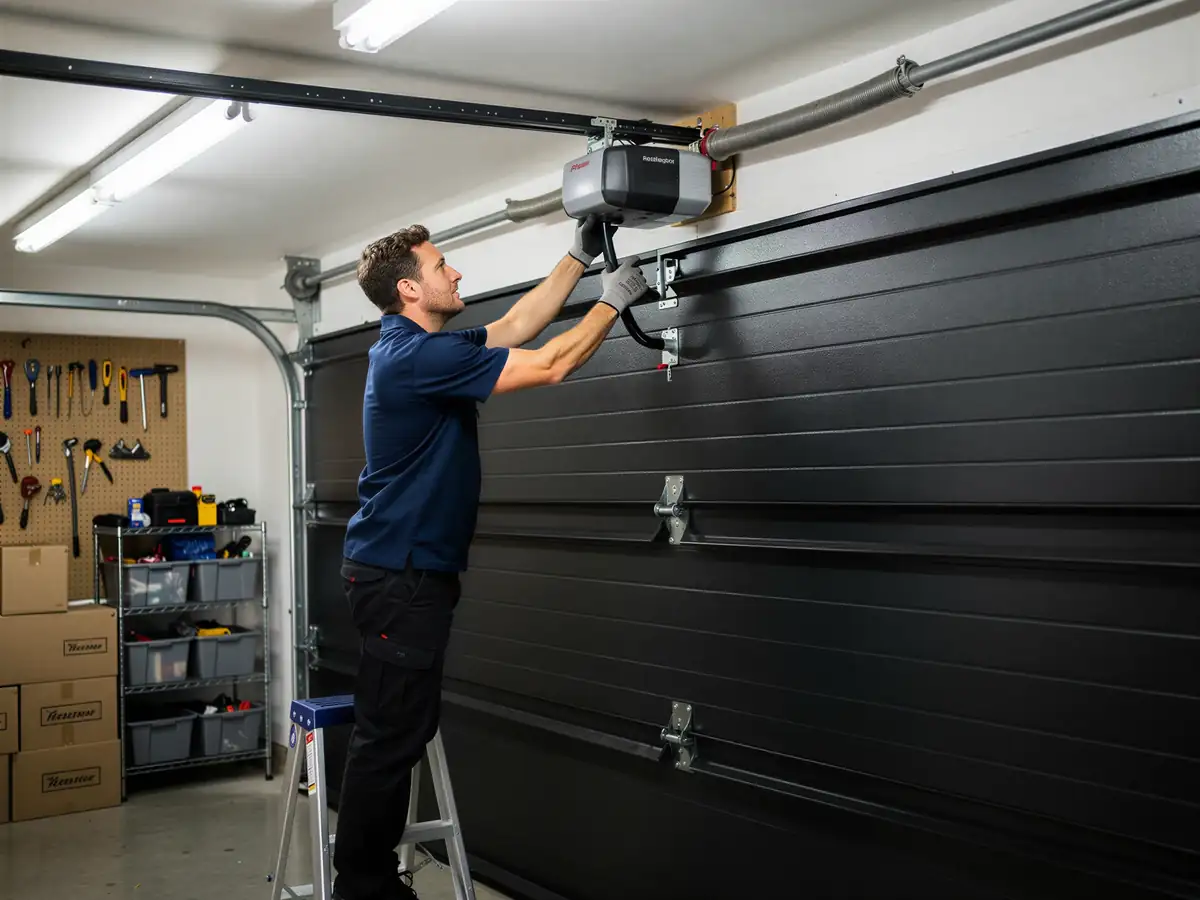
For a maintenance stop we're not loading the truck for a full installation - no need for that stock profile out here. We carry the wear parts that fail on doors built in the 1990s-era range: standard-lift torsion springs in common sizes, rollers (nylon and steel), cables, and the hinges that crack before anything else does. Opener-side, we carry photo eyes and basic logic boards for the common residential brands, since those go bad quietly and show up as 'the door reverses for no reason.' What we don't carry on a routine trip is custom or oversized hardware - some older doors, especially anything non-standard, need a part ordered ahead of the visit. If your door's an odd width or an older imported brand, mention it when you call so we bring the right pieces instead of a second trip.
Booking a Visit
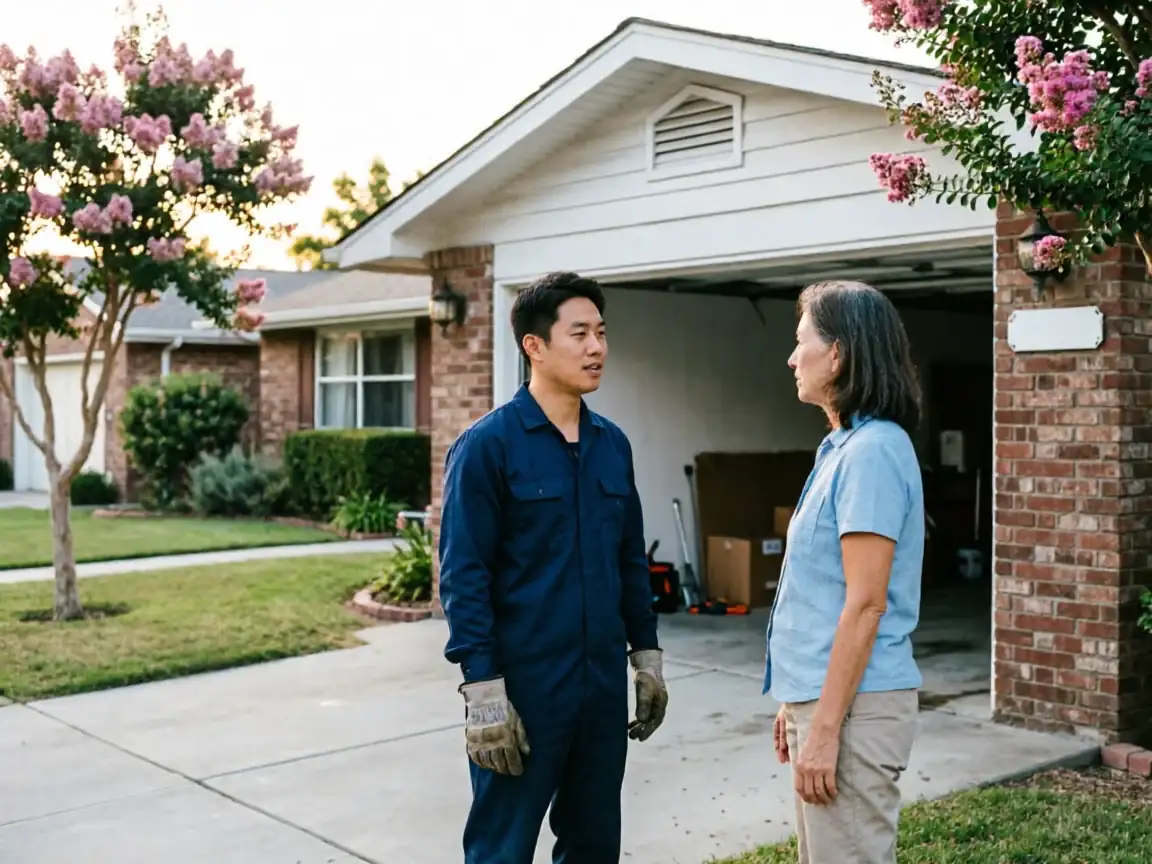
We run out to Pinehurst from Tomball, about 8 miles each way, so we schedule these stops rather than treat them as drop-everything calls. If you're not sure whether your door needs a tune-up or an actual repair, describe what it's doing when you call - grinding, slow to open, uneven on one side - and we'll tell you honestly whether it's a maintenance visit or something bigger. You can see more on how we cover the Pinehurst area on our area page, and if you're after a broader look at what maintenance covers across the service area, that's laid out on the Tomball maintenance page.
The Symptom
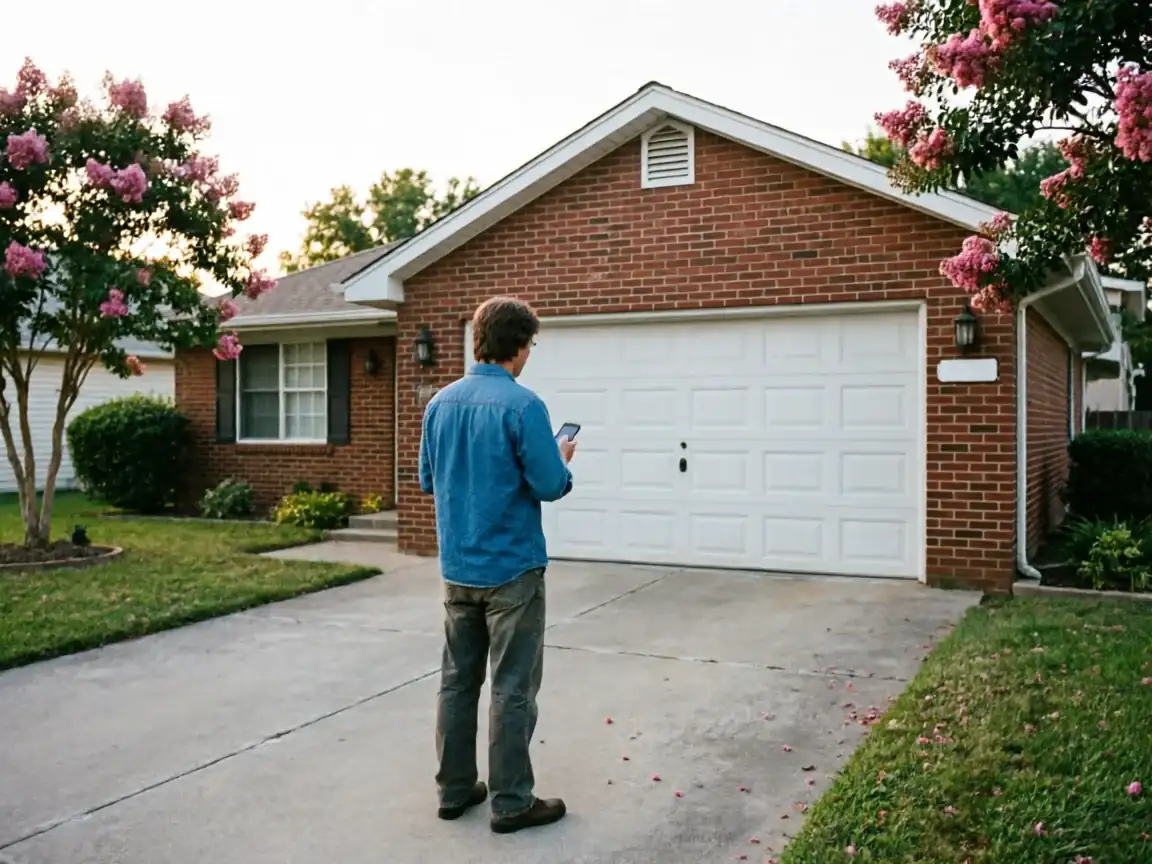
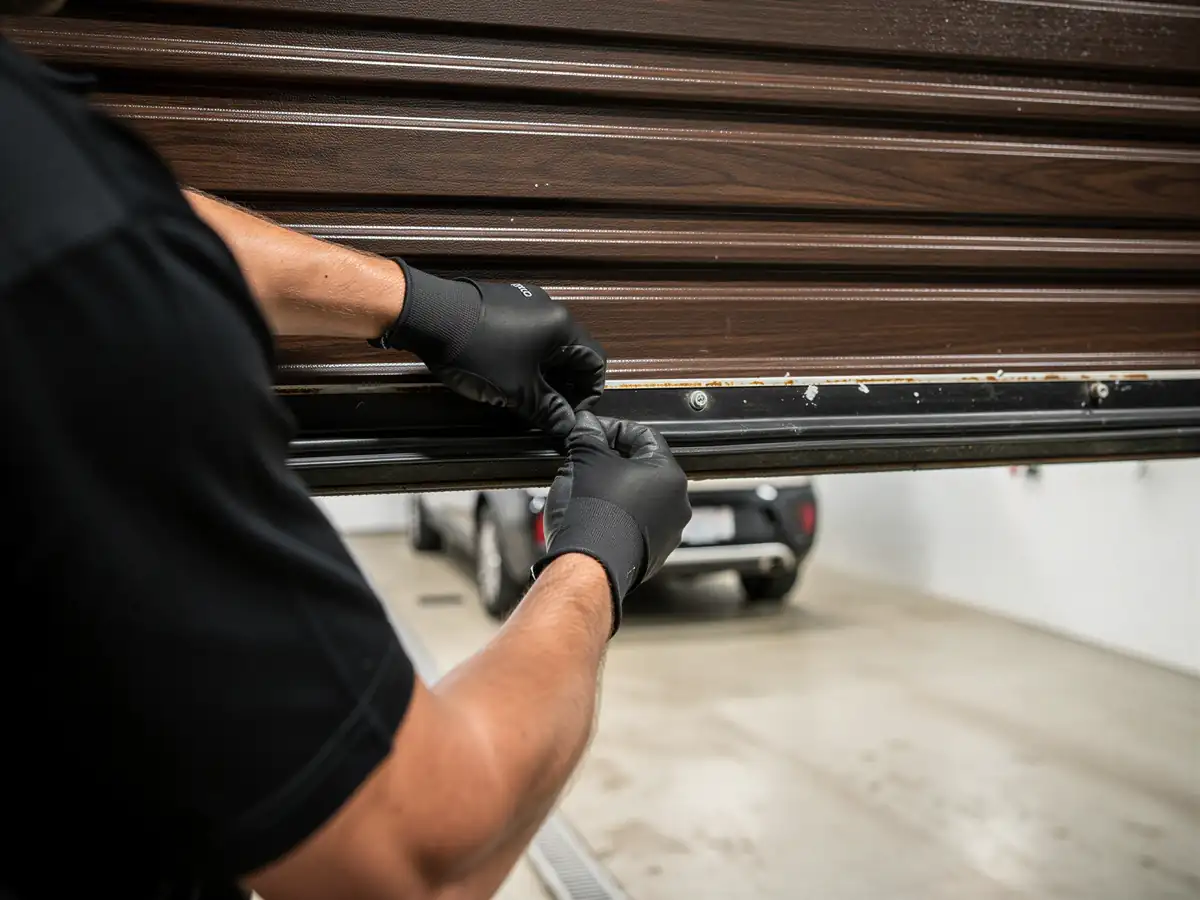
The complaint we hear most from this stretch of houses is a door that's noticeably louder than it used to be, or one side that visibly drops faster than the other when closing. On stock from around 1990, that's usually worn rollers or a spring that's lost tension unevenly, not a track problem. Household income in this area runs lower on average than some of the nearby subdivisions, and we mention that because it shapes a real decision: on a door this age, sometimes the honest answer is that a full tune-up costs more than the door's remaining life justifies, and a straight repair of the one bad part makes more sense than a maintenance package. We'll tell you which applies rather than selling the bigger service by default.